



The Will Reading Took A Turn
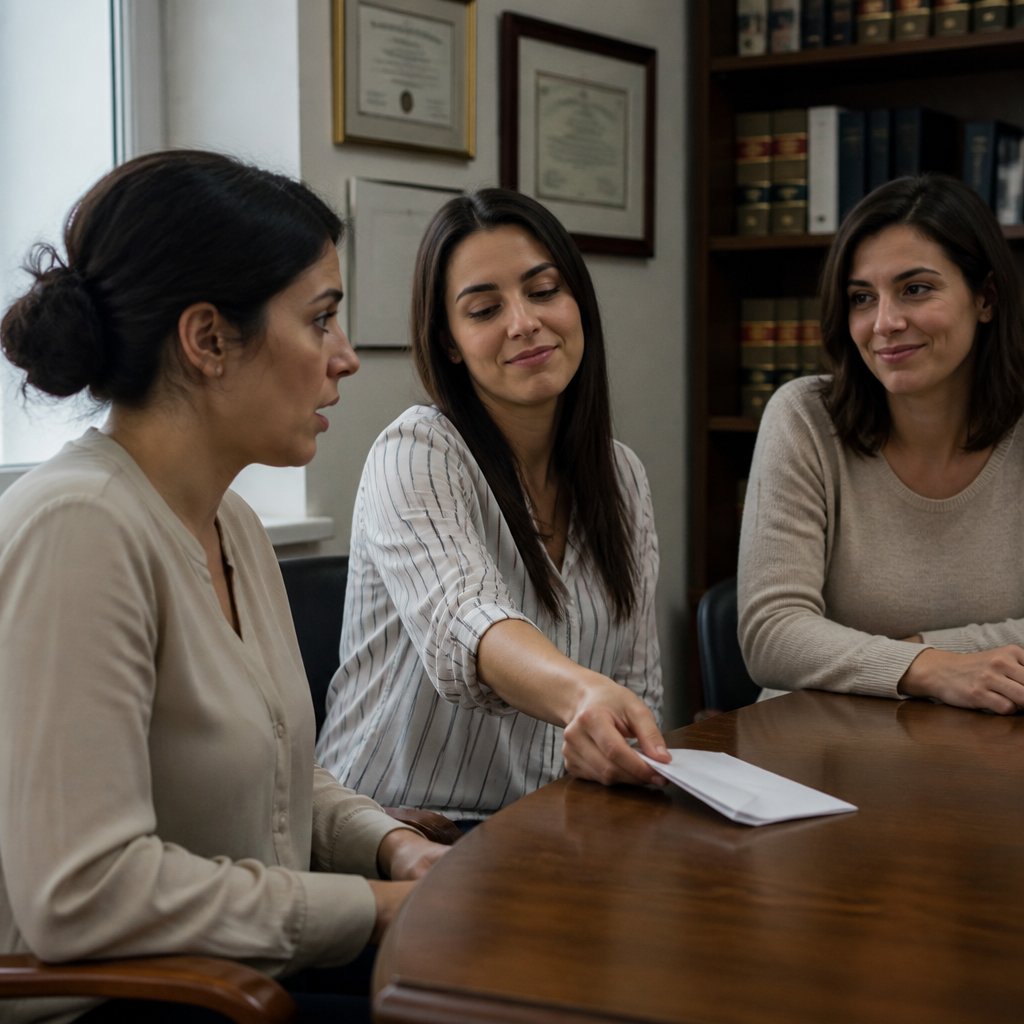
The lawyer’s office smelled faintly of polished wood and dry coffee. I sat with my siblings on stiff leather chairs across from a narrow table. The lawyer cleared her throat and slid a single sheet of paper toward me. My name was typed in bold: the lake house was left solely to me. My sister’s smile came too fast and stayed too long. It was the kind of smile that didn’t reach her eyes.
Everyone else’s faces froze, a mix of surprise and something sharper—doubt, maybe. My brother’s jaw clenched before he said nothing. I stared at the paper, the weight of it sinking in. It wasn’t what I expected, but there it was—a decision that seemed final yet somehow wrong.
Questions I Couldn't Answer
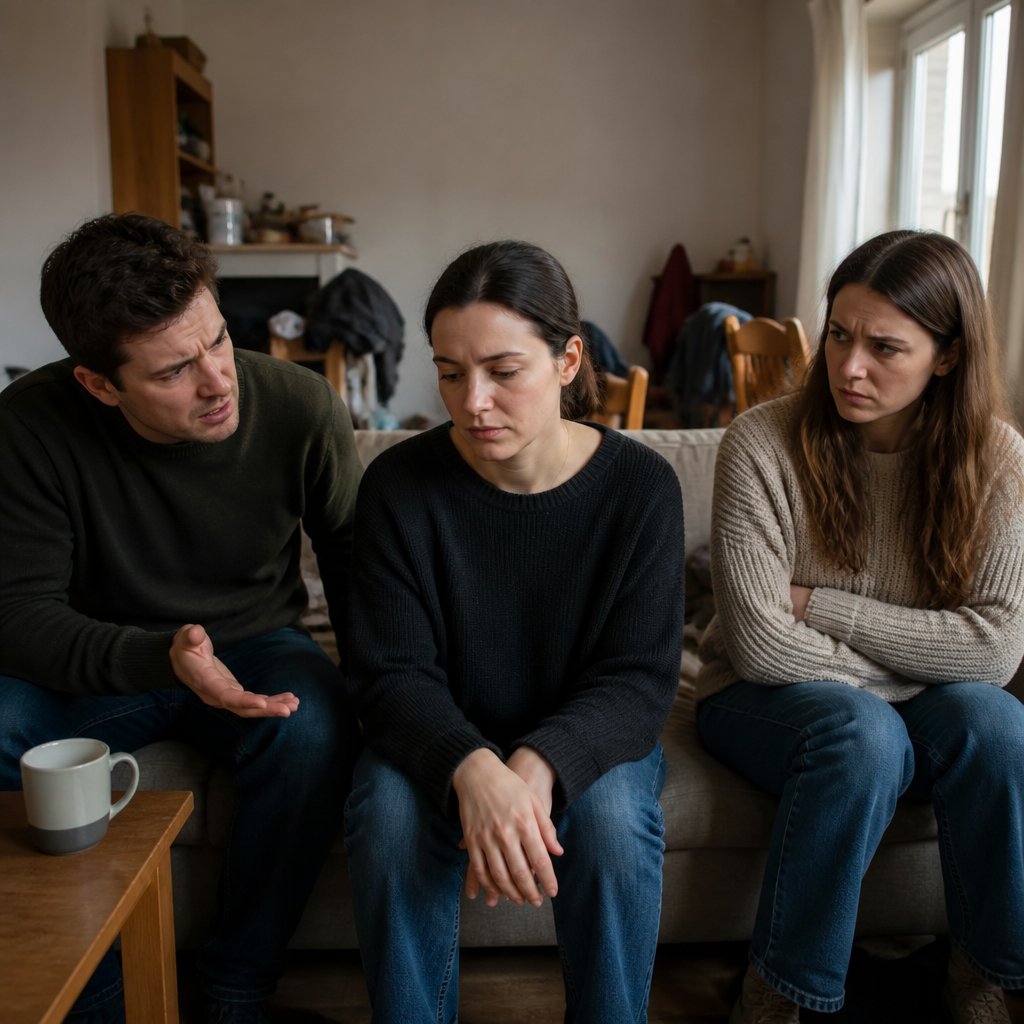
After the lawyer left, my brother leaned forward, voice low but firm. He wanted to know if there was a newer will, something that might undo what we’d just heard. My sister cut in, asking pointedly who had paid for the lawyer. I had no answer. The question hung heavy between us.
It felt like Dad had set a trap before he died—one we were all falling into without knowing why. My sister’s gaze sharpened every time I opened my mouth, as if she already believed I was hiding something. I wanted to explain, to say the truth was simple, but my words sounded weak. The room felt colder, and the silence that followed grew too loud.
A Sister’s “Help” Came Early
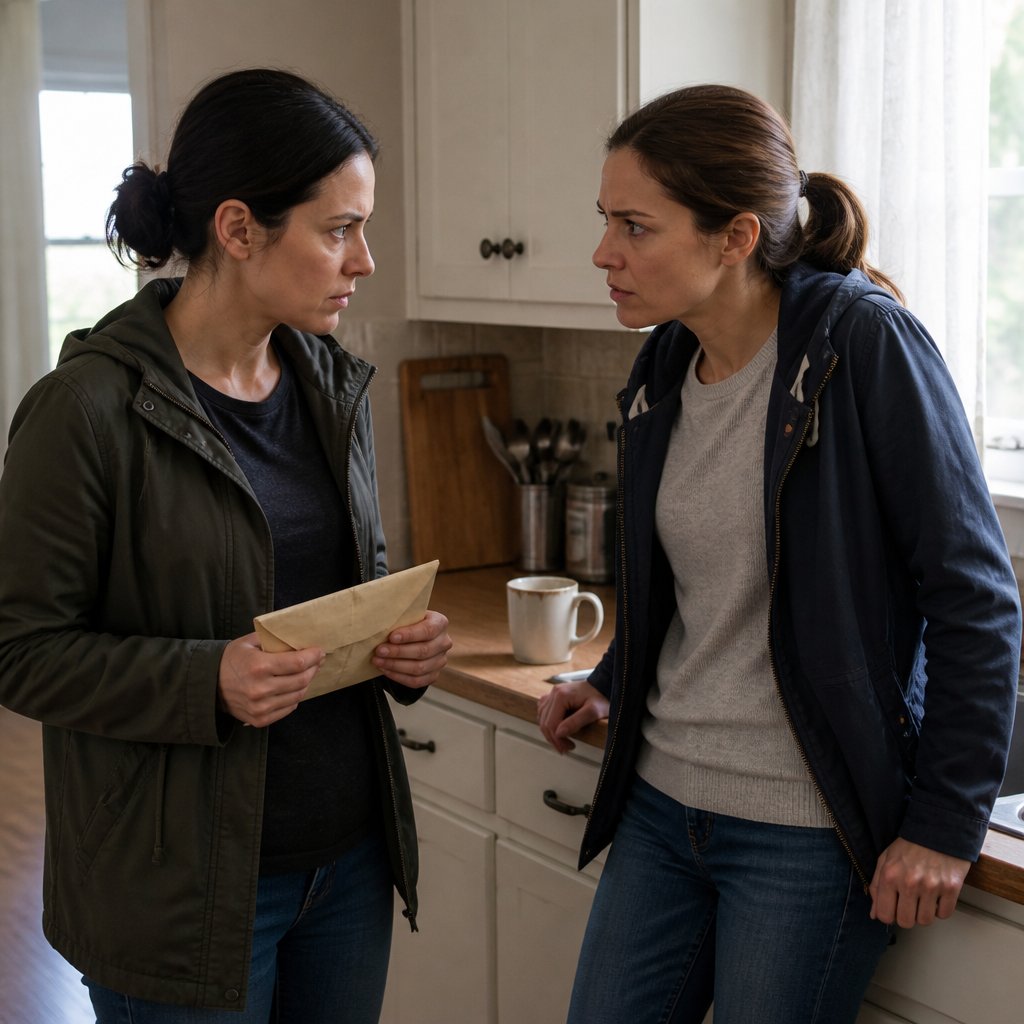
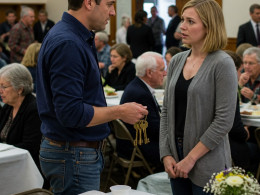
Before the funeral flowers lost their freshness, my sister showed up at the house, a determined look on her face. She said she wanted to help, but it sounded more like she wanted control. She demanded the deed and keys that same day, as if she’d already decided I couldn’t be trusted with them.
I held the worn envelope from Dad, feeling the thick paper under my fingertips. Her voice was clipped, sharp in the quiet kitchen where Dad’s coffee mugs still sat on the counter. I wanted to say no, but the words stuck in my throat. The day was already full of tension and unanswered questions.
Locks Changed At The Lake House
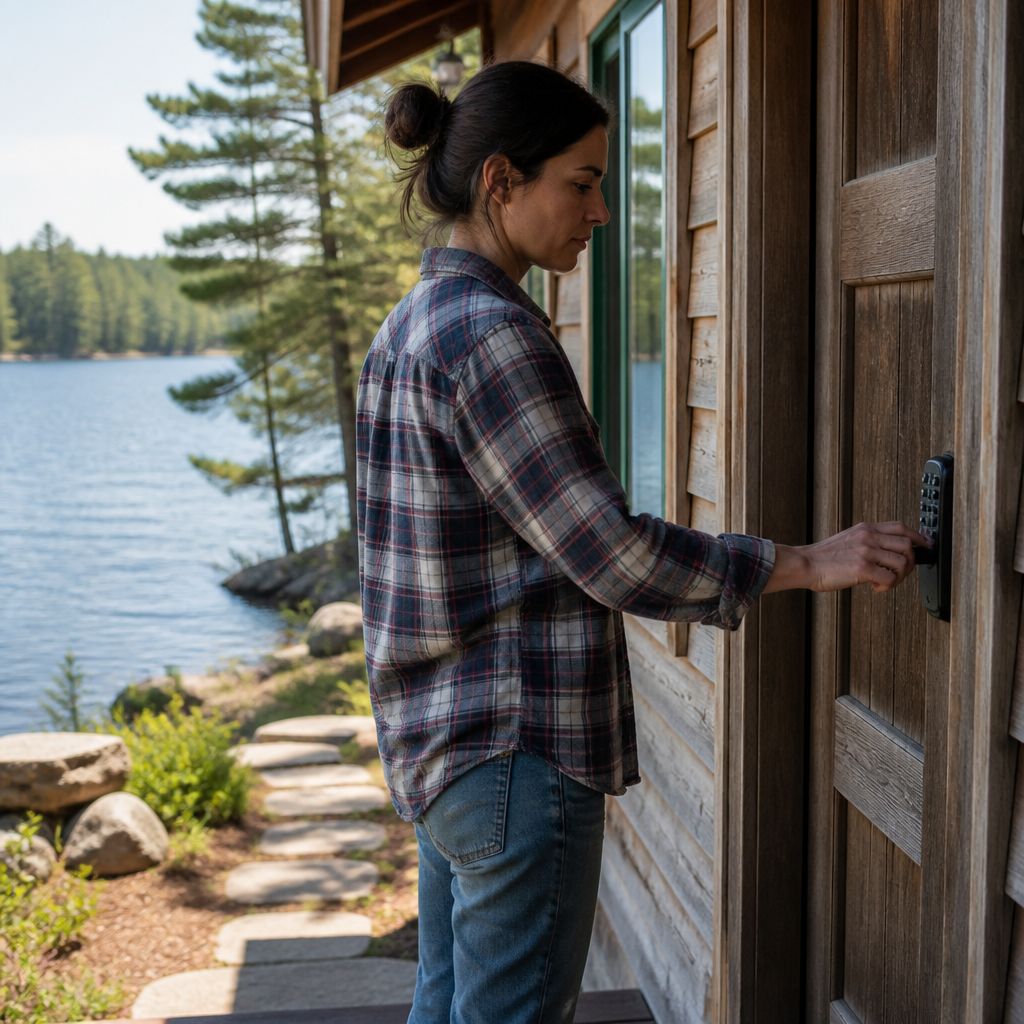
I drove to the lake house alone, the road dust rising behind me. When I reached the front door, the old lock was gone, replaced by a keypad. My heart sank. Someone had moved first, changed the locks before I even arrived.
The wooden porch creaked beneath my steps as I examined the keypad. It was sleek and new, out of place on the weathered frame. I pressed my palm against the door, cold and unyielding. The quiet lake stretched behind me, but here, at the house, the tension was thick. Someone else was already inside the game Dad left us.
A Locksmith’s Troubling Answer
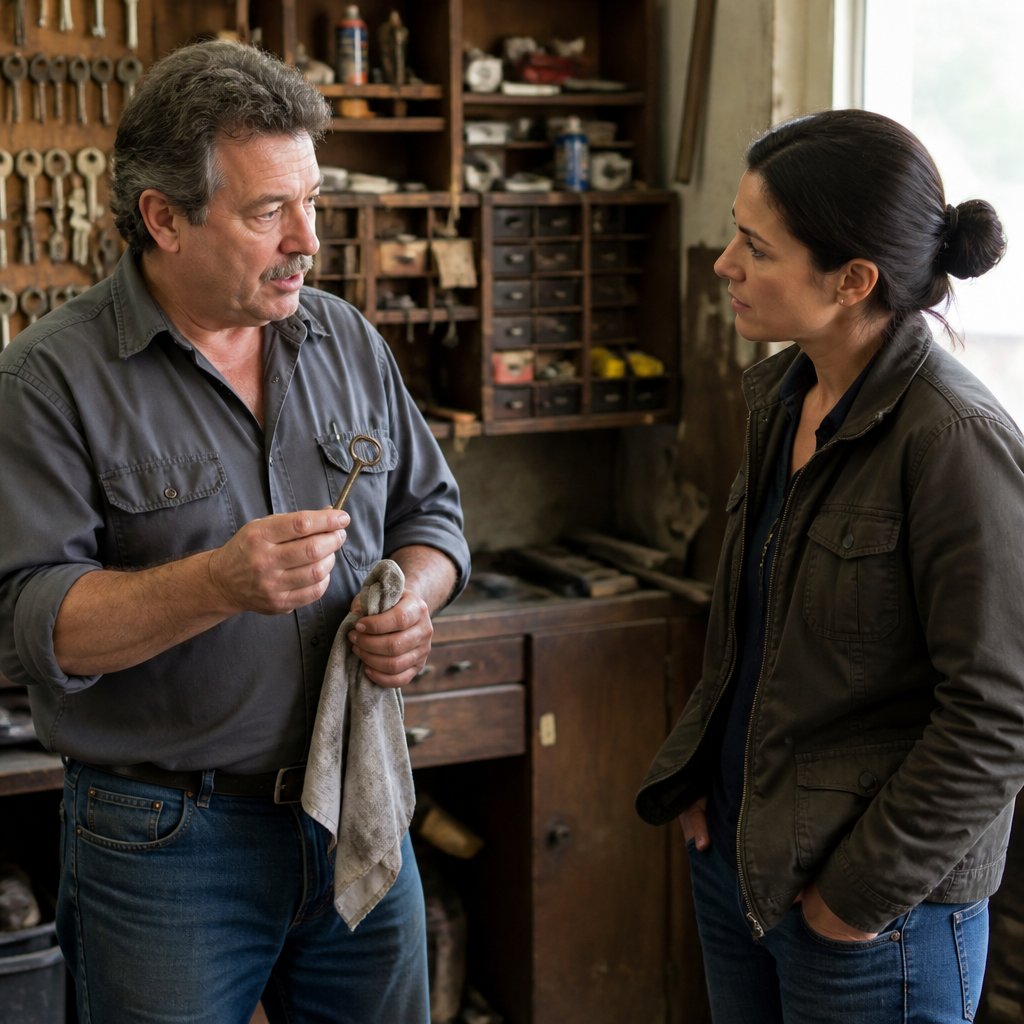
The locksmith was a middle-aged man with grease-stained hands and a calm voice. He told me the new keypad was installed using Dad’s old bank account number and signature he had on file. I blinked. That meant someone had either impersonated Dad or had access to his actual accounts.
He wiped his hands on a rag, glancing at me like the news should have been better. The smell of oil and metal hung in the air of the cluttered workshop. I wanted to ask who, but the locksmith just shrugged. The idea that someone was playing with Dad’s identity raised more questions than answers.
The Empty Owner’s Closet
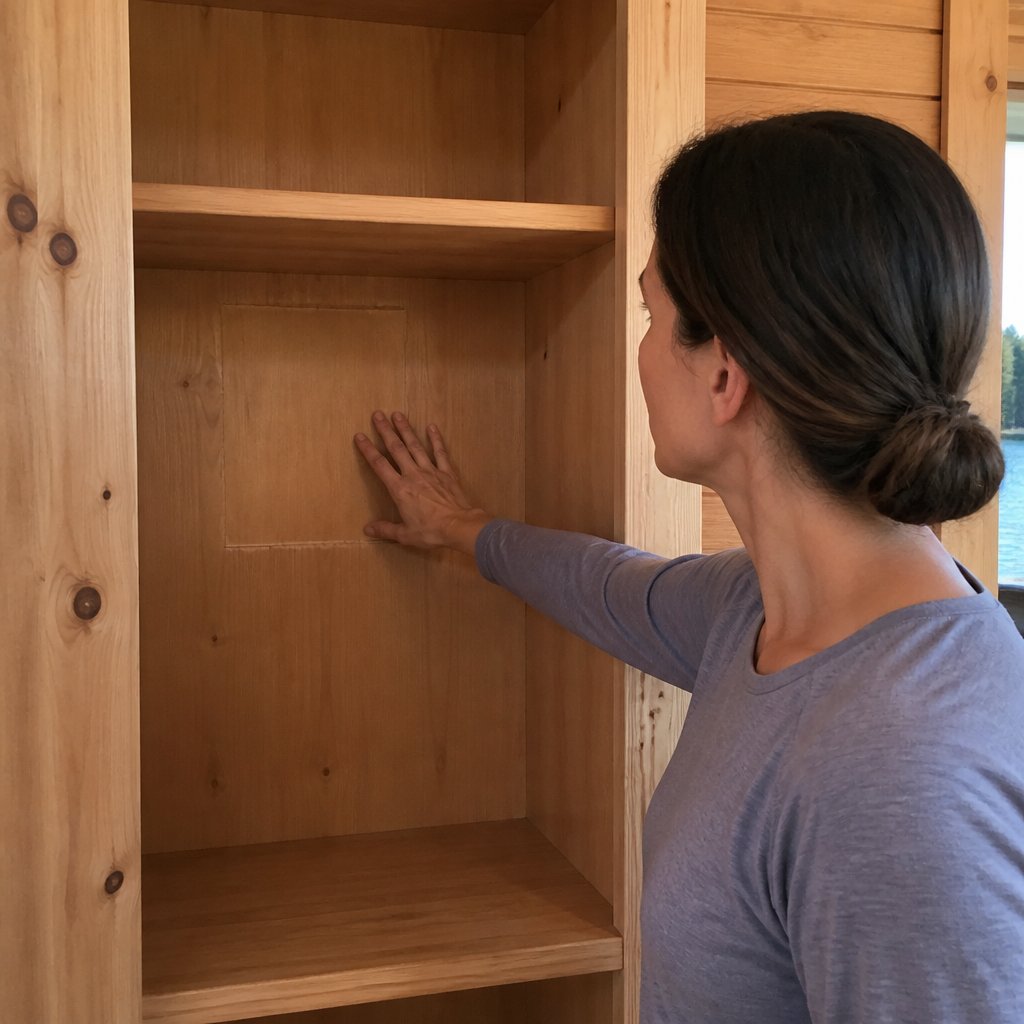
Inside the lake house, I found the owner’s closet stripped bare. The shelves were empty except for a faint, clean square on the back wall where a metal box must have been. Dust swirled in the sunlight, catching in the air like tiny motes waiting to settle on secrets.
The wood smelled old and slightly damp. I knelt to feel the faint outline on the wall, tracing the edges with my fingers. Whoever had taken the box left no sign, only the ghost of where it had lived. This wasn’t a coincidence—someone wanted me to find this, or maybe to lose hope.
A Hidden Note Under Drawer
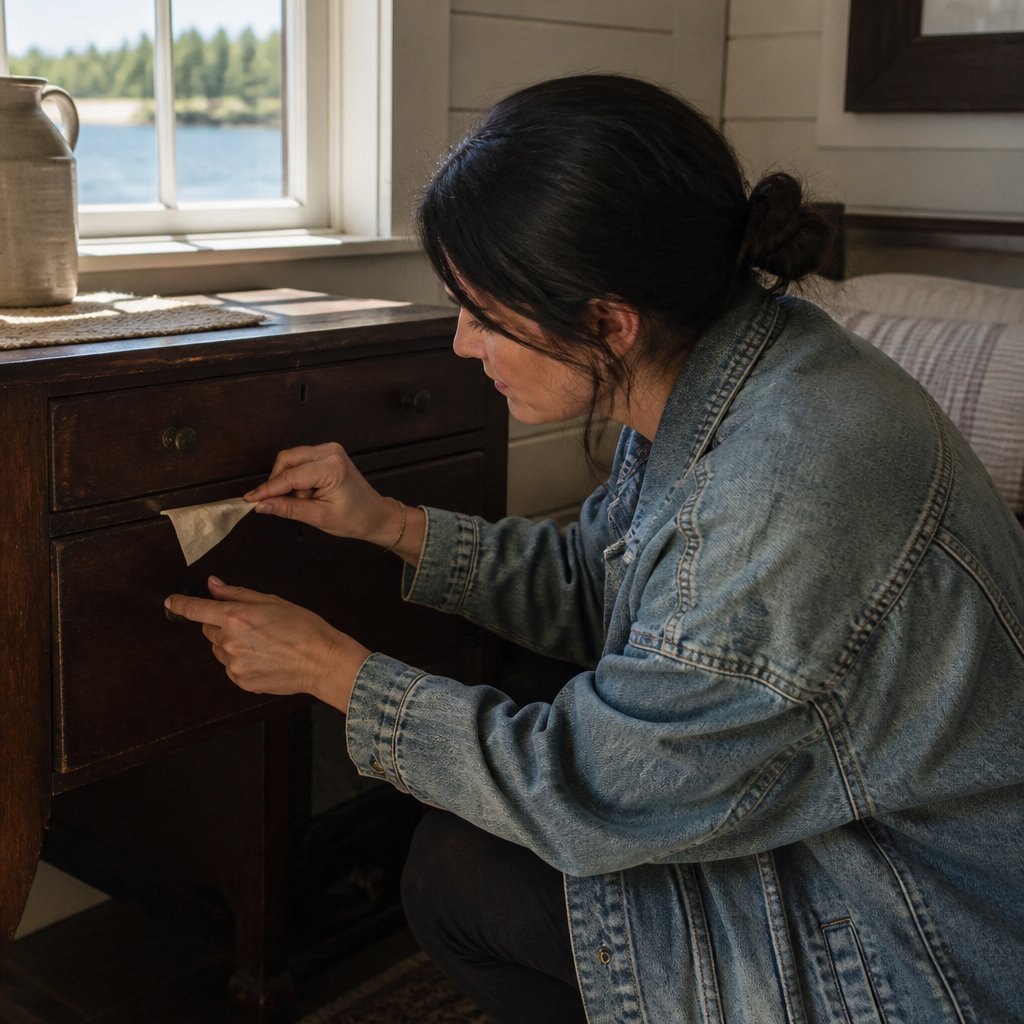
Under a loose drawer in the lake house’s old desk, I found a small note taped carefully to the wood. The handwriting was Dad’s, uneven but clear: “Not the closet. The bank. Don’t trust the first story.”
The paper crinkled as I unfolded it, the scent of old ink and dust mixing in the air. It felt like a clue left on purpose, a message meant to point me somewhere else. My fingers trembled slightly as I held the note, wondering what truth Dad wanted me to uncover beyond what we’d already seen.
Bank Refuses Entry To Box
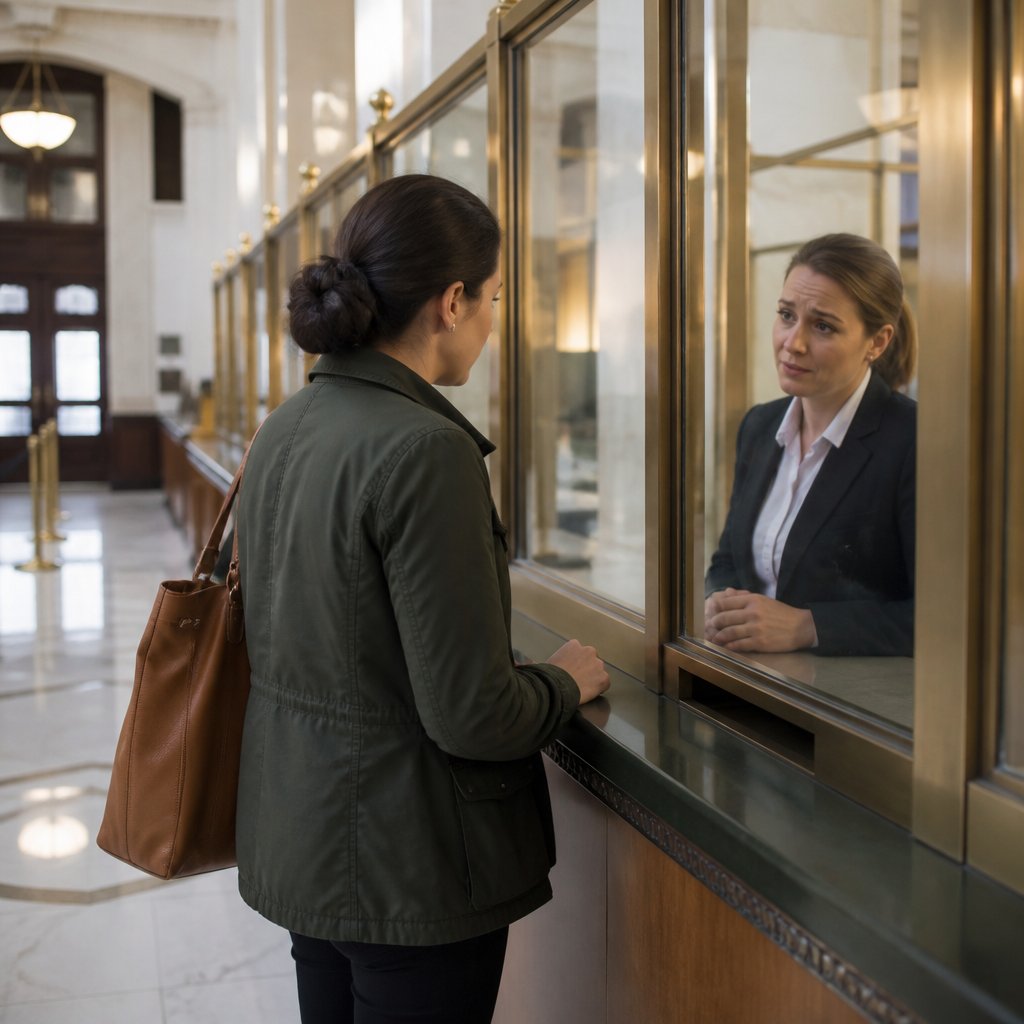
The bank’s marble lobby smelled of cool stone and polished brass. I stood at the counter, hands clenched, as the clerk explained they couldn’t open Dad’s safe-deposit box without probate paperwork. No matter what was inside, it wasn’t mine to see yet.
The silence was thick as clients whispered behind me. I glanced at the locked box numbers behind the teller’s glass, just out of reach. The clerk’s face was sympathetic but firm, and I realized that however much Dad wanted me to find the truth, the law kept it just beyond my grasp.
Sister’s Evidence At My Job
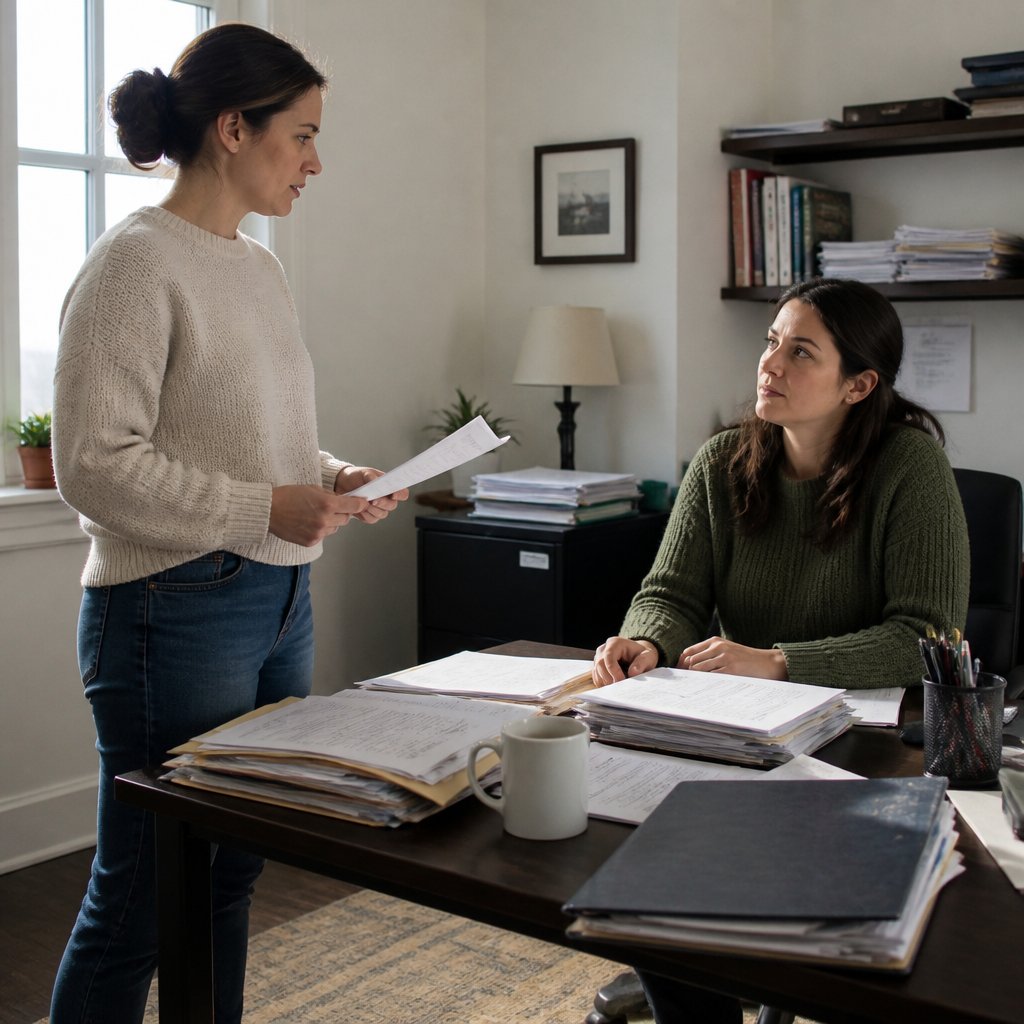
At work, my sister surprised me, clutching printed emails she’d brought. She said Dad complained I “wasn’t around” enough, insisting the will must be wrong because of it. Her voice was sharp, and her eyes didn’t waver as she presented the papers.
My office smelled faintly of paper and coffee. I sat behind my desk, staring at her outstretched hands. The emails weren’t a surprise, but the timing was. It was as if she was trying to rewrite the past to justify what had just happened. I wanted to argue, but the weight of her certainty made me hesitate.
Brother’s Conflicting Story
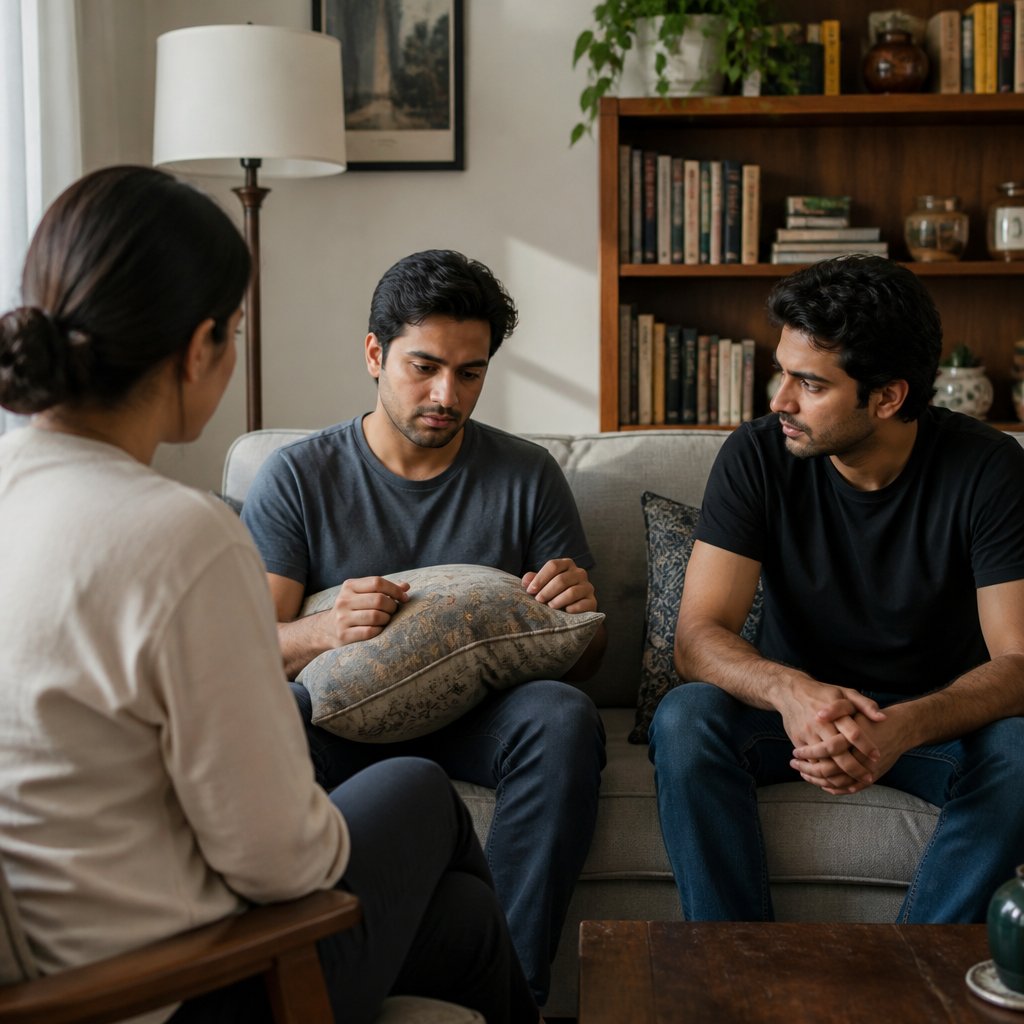
My brother finally admitted something he’d kept quiet. Dad had once asked him to go to the bank "if anything happened." But he swore he never did—though his timing didn’t add up. The weight in his voice made me question how much he was telling me.
We sat on the worn couch in my living room, the fabric soft beneath us. His hands fidgeted with a cushion, eyes avoiding mine. Was he hiding something, or just unsure? The conversation left a new kind of doubt between us—one that threatened to unravel what little trust remained.
The Missing Codicil Mystery

The attorney leaned back in his leather chair, his fingers steepled like he was trying to hold his thoughts together. "Your father’s will references a codicil," he said, pushing a pair of glasses up his nose. "But it’s not in my file. I’ve checked and double-checked. It’s as if it disappeared." His eyes flicked to me with a rare uncertainty. "I don’t know where it went." The cramped office smelled faintly of coffee and old paper, and I noticed a half-eaten sandwich on his desk, forgotten. He looked genuinely rattled, a glimpse I hadn’t expected in someone so used to death and money. "Why hadn’t he gone to the bank, and what did he really know?" I thought, but I didn’t say it out loud yet. Instead, I sat back, realizing the missing codicil could change everything about Dad’s final wishes.
The Codicil Envelope’s Strange Seal
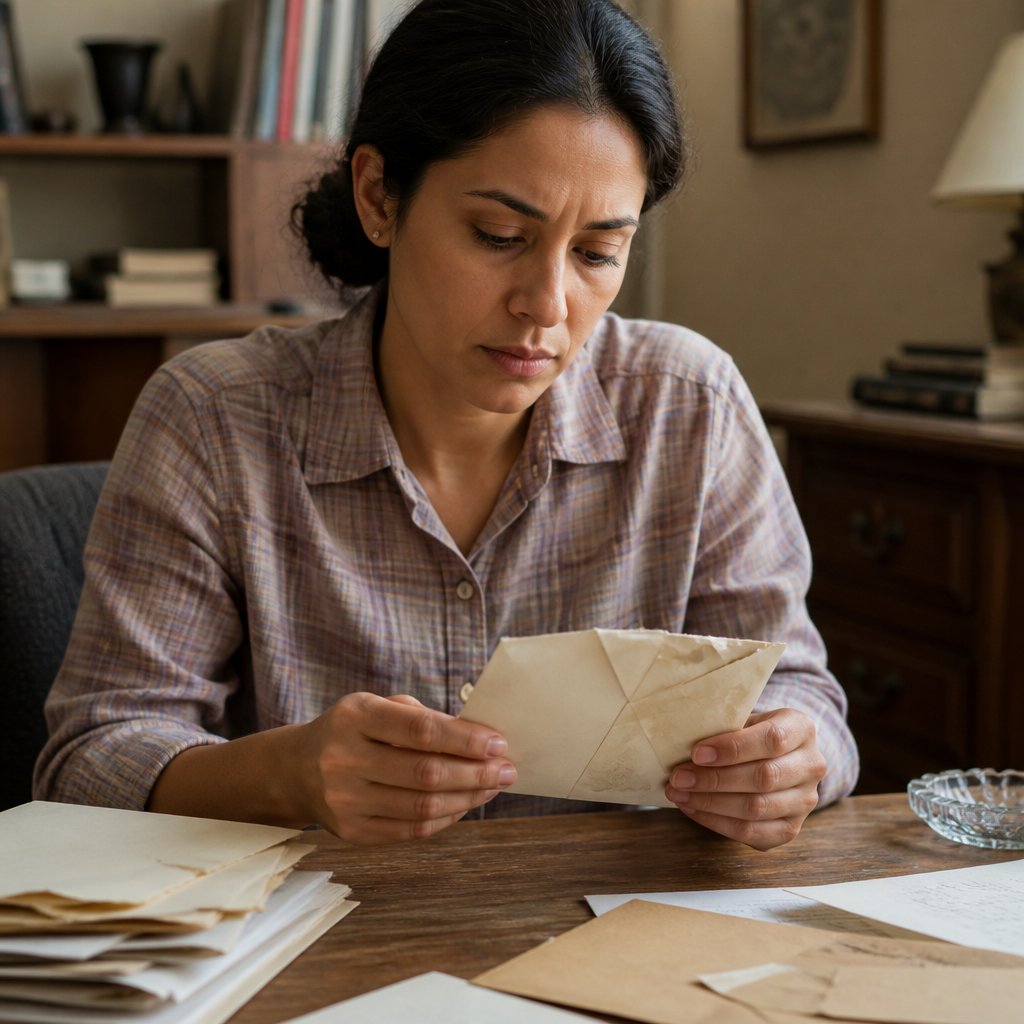
Later that afternoon, I was back at Dad's house, standing in his study. The air smelled faintly of cedar and old smoke. On the desk lay an envelope addressed to me, the paper crinkled and worn. But when I picked it up, I noticed the flap didn’t look right—it had been torn open and then resealed with clear tape. The crease was off, an uneven line where the envelope had been ripped and carefully glued back. Someone had been looking for something in the codicil, and they’d tried to hide their tracks. I traced my finger along the tape's edge, the smooth plastic a sharp contrast to the rough paper beneath. Who had been here? And what were they hoping to find?
The Secret Of The Top Drawer
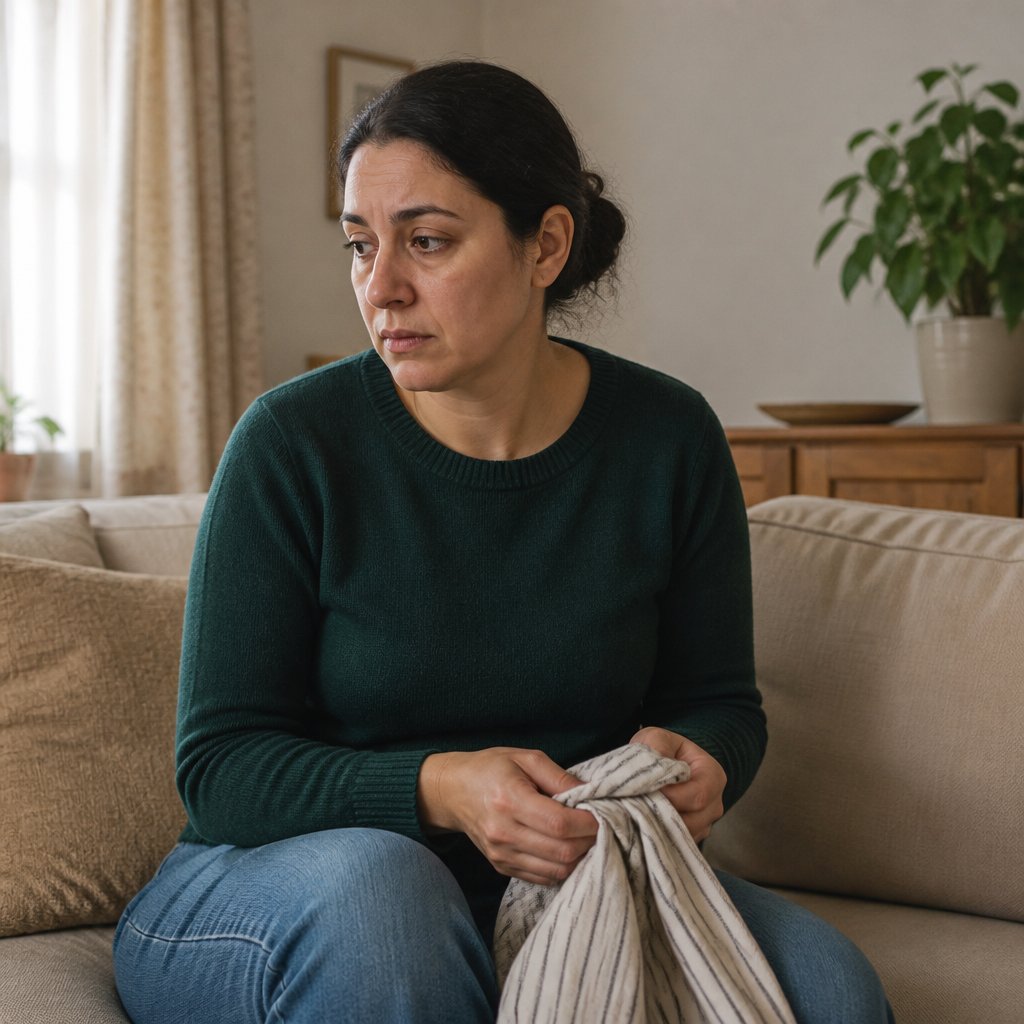
My sister was sitting stiffly on the living room couch, folding and unfolding a kitchen towel like it held some kind of secret. "I swear, I never went near Dad’s desk," she said quickly, avoiding my eyes. But then, almost accidentally, she muttered, "There was something in the top drawer… a notebook, or papers." Her voice dropped, like she realized she’d said more than intended. The kitchen smelled faintly of cinnamon from the potpourri Dad used, and I caught the faint sound of a clock ticking somewhere. I folded my arms, watching her carefully. If she knew what was in that drawer, why hadn’t she told me? And why hadn’t she touched anything if she was here last?
Copies Of The Will Requested Early

Back at the attorney’s office a few days later, he leaned forward, lowering his voice. "Someone requested copies of your father’s will two months before he passed." He flipped through a file slowly, eyes narrowing. "It wasn’t you." I felt a cold knot twist in my stomach. The smell of leather and the faint scent of peppermint from his breath freshener filled the room. "Who else would be thinking about this so soon?" I asked, though the answer felt like it was already forming in my head. There was a deliberate urgency in the request, a motivation I hadn’t understood before.
The Shed’s Broken Lock And Missing Box
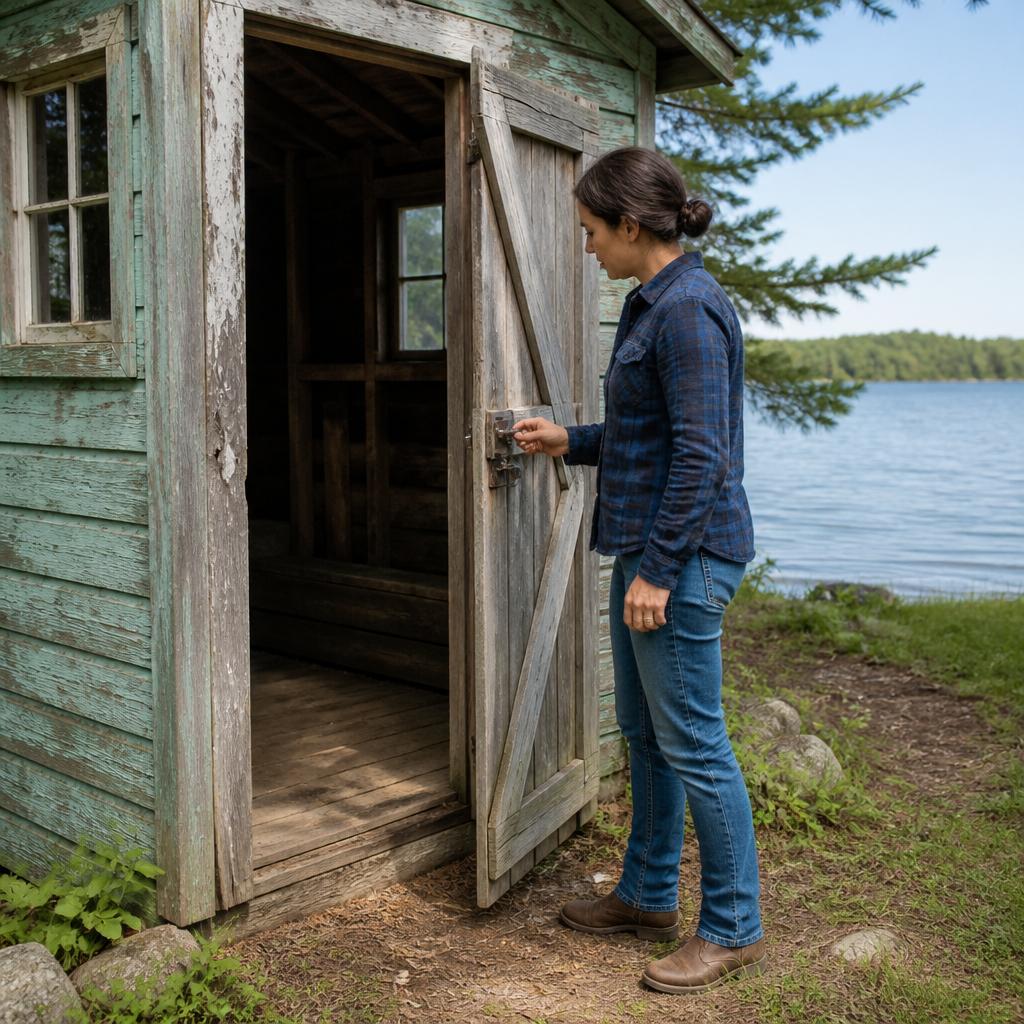
Returning to the lake house, I went straight to the shed. The lock was cut cleanly, metal edges jagged but precise, as if someone had used a tool meant for the job. Inside, Dad’s old tackle box was gone. I remembered the worn brown handle and the faded stickers from fishing trips. The air inside was cool and smelled of damp wood and rust. It struck me that whatever had been taken was specific and important—someone didn’t just break in to rummage; they knew exactly what they wanted. I ran a hand over the splintered wood of the door frame, heart pounding. Who’d come here, and what else might be missing?
The Lien That Wasn't Supposed To Be
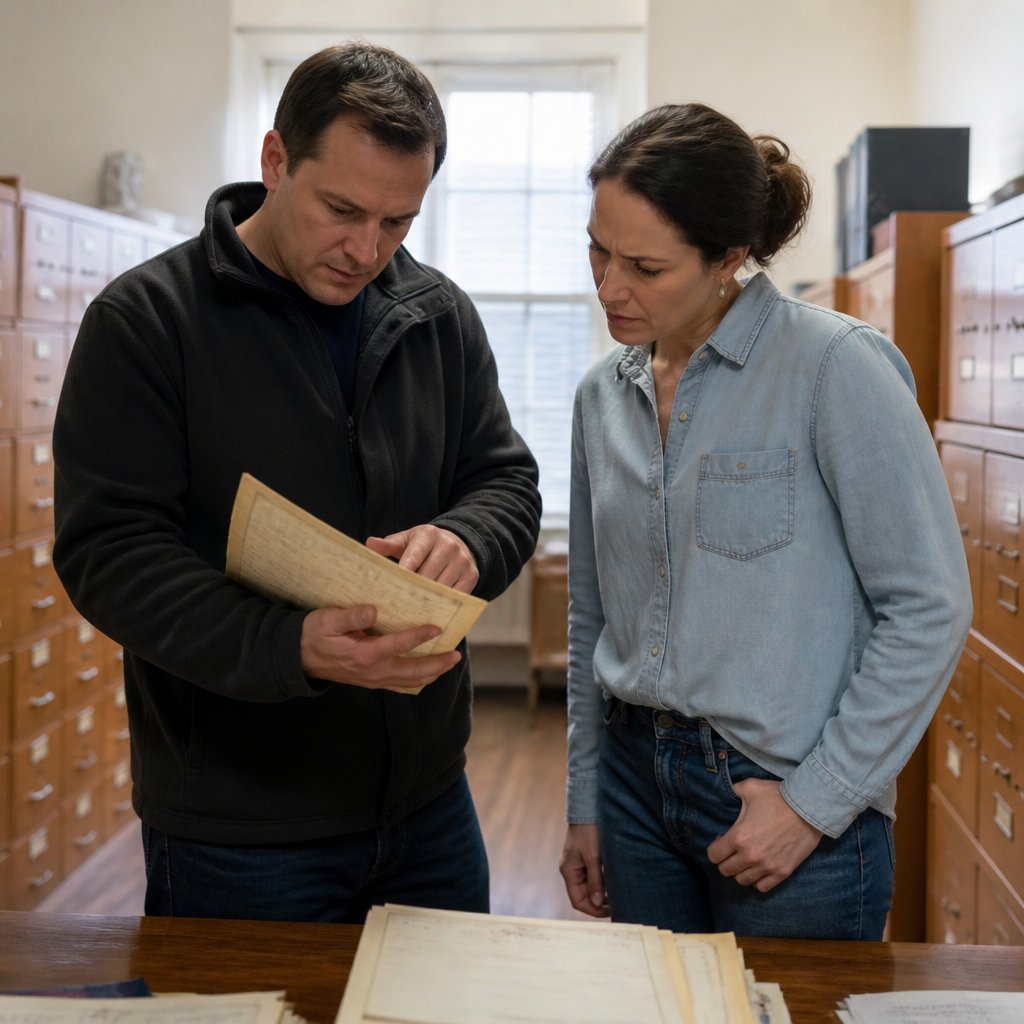
My brother looked up from his phone, brow furrowed. "What would you do if the lake house wasn’t actually paid off?" he asked, voice low but serious. It was a question I hadn’t even considered. I returned to the county records office, flipping through dusty files and online databases. Then I found it: a lien, filed six months ago, right on the property title. What caught me was the signature. It wasn’t Dad’s usual scrawl. It was sharper, less familiar—like someone trying to imitate him but missing the small loops he always made.
I showed the record to my brother, who leaned in close, his eyes narrowing. "This changes everything," he muttered. "Who put that lien there? And why didn’t Dad say a word?" The air in the cramped county office smelled faintly of old paper and coffee, a sharp contrast to the unease building in my chest. My fingers traced the signature again, the loops and lines that didn’t quite match Dad’s known handwriting.
Just as I was about to ask my brother if he’d heard anything, our sister’s voice cut through the phone. She was calling with news, but what she said next made me stop and listen, heart suddenly pounding harder. It wasn’t about the lien. It was about something else entirely—and something potentially worse.
Unexpected Lawsuit For Repairs
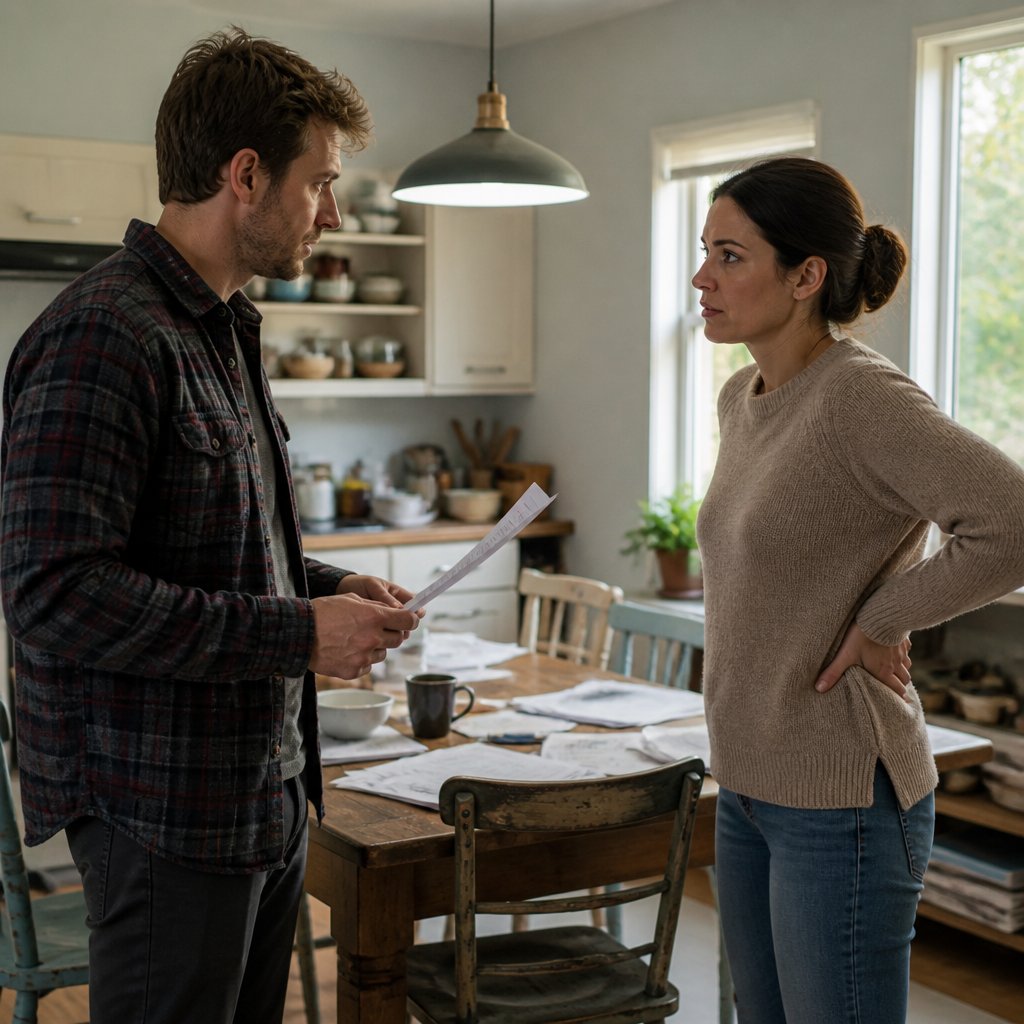
The next morning, a process server showed up at the front door with a thick envelope. I took it inside and sat at the worn kitchen table, the edges of the paper crisp and unfamiliar. It was a lawsuit—filed by a contractor claiming he did "emergency repairs" at the lake house, work none of us had ever approved or even heard about.
The smell of fresh paint filled the room, faint and almost comforting, but the words on the paper were anything but. My brother paced nearby, arms crossed, skeptical. "Dad never mentioned hiring anyone, let alone emergency work. Who signed off on this?"
We scanned the documents, noticing invoices and change orders but no clear authorization. The contractor’s name was local, someone our family had never dealt with. Was this connected to the lien? Or something else altogether? The tension in the air thickened as I realized the lake house might be tangled up in a mess we were just starting to understand.
Before we could plan our next steps, the phone rang. It was from our sister. Her voice was sharper than usual as she asked if we had seen the lawsuit. My brother’s jaw clenched. "She knows more than she’s letting on," he muttered.
New Drywall And A Hidden Hollow
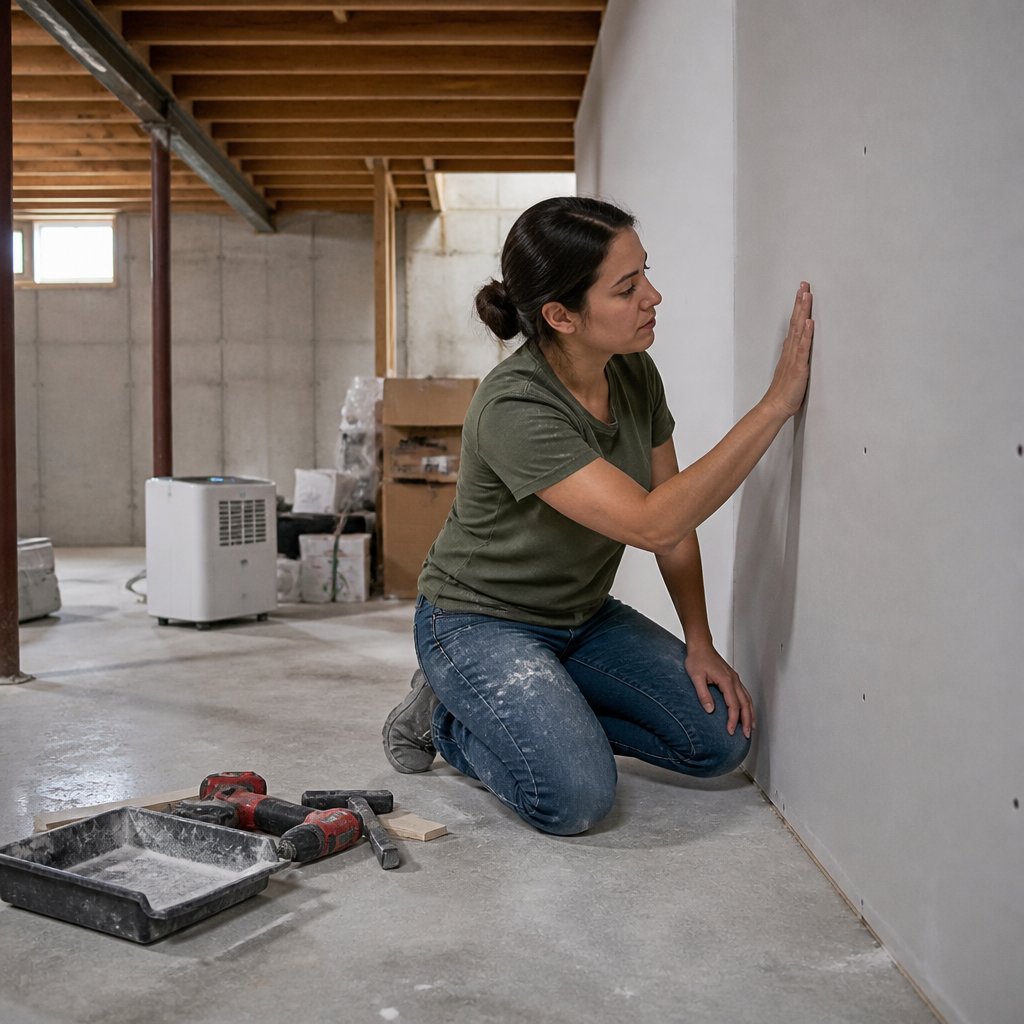
Later that day, I went down to the basement of the lake house. The musty smell of damp wood was replaced by the sharper scent of fresh drywall dust. The walls looked new, not the weathered surfaces I remembered from childhood visits.
A small dehumidifier hummed quietly in the corner, its steady noise a strange reassurance. I ran my hand over the smooth drywall, feeling a slight bulge where the wall should have been flat. Curious, I pressed and tapped around the spot and noticed a hollow sound that hadn’t been there before.
My mind raced. Who had put up this new wall? And why? The basement was supposed to be empty except for old fishing poles and some boxes of forgotten tools. Now it felt like a puzzle someone had started to solve without us.
Just as I reached for a screwdriver from a nearby workbench, a noise upstairs caught my attention. Footsteps. Not mine. Someone else was in the house.
The Hidden Tube Behind Drywall
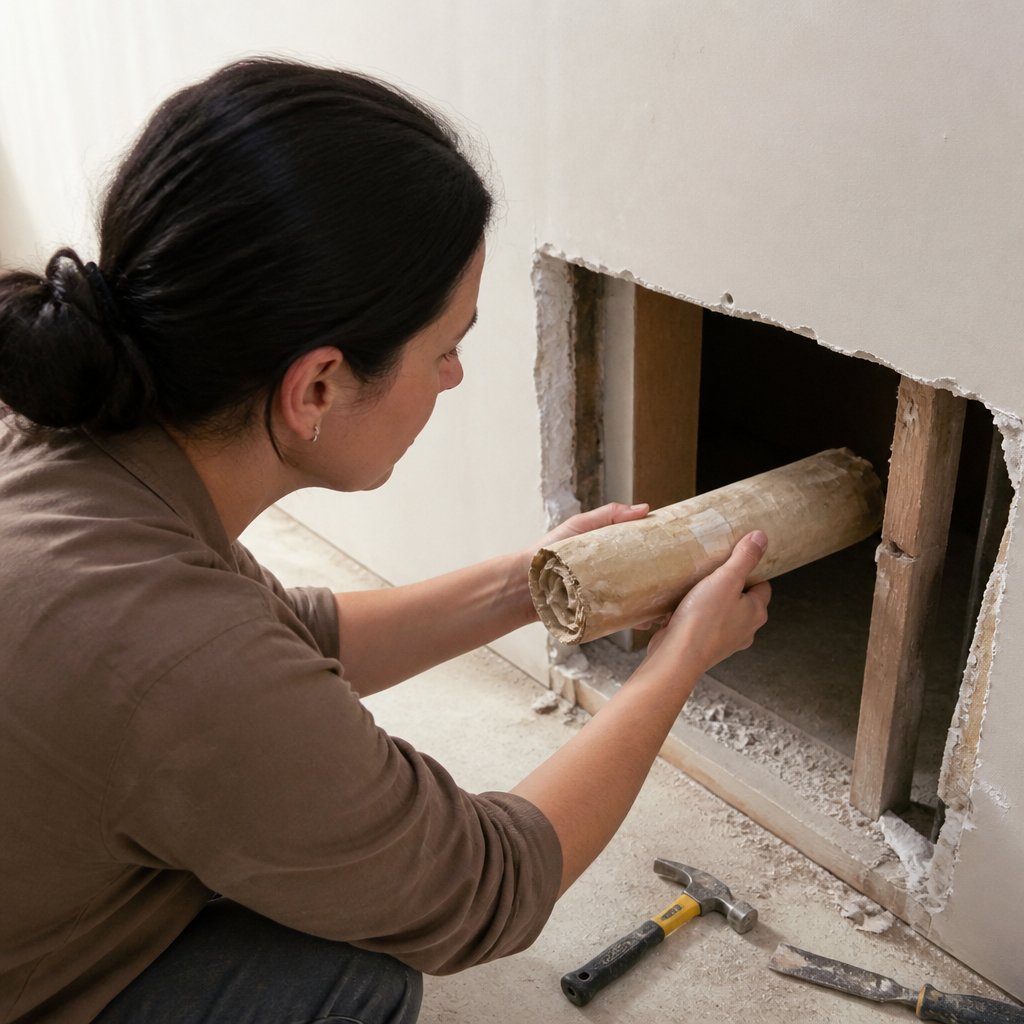
With a screwdriver in one hand and a flashlight in the other, I carefully pried at the hollow drywall section. The edges gave way with a soft crackle, revealing an empty cavity behind the wall.
At the bottom of the hollow space lay a sealed tube wrapped in yellowed paper. My fingers trembled slightly as I pulled it free and unrolled the note taped to its side. It read: "Box 113. Not this bank. Ask for Marla."
The tube was surprisingly heavy, the paper brittle. I looked around the quiet basement, the faint scent of dust and wood lingering. The note hinted at something off the record—another safe-deposit box, someplace different from the one we had already found. My mind reeled with questions.
Before I could make sense of it, my phone buzzed with a message from my brother. He’d found something new, and it wasn’t good. I pocketed the tube, but what lay ahead felt like opening a door Dad never wanted us to find.
Marla’s Pale Response
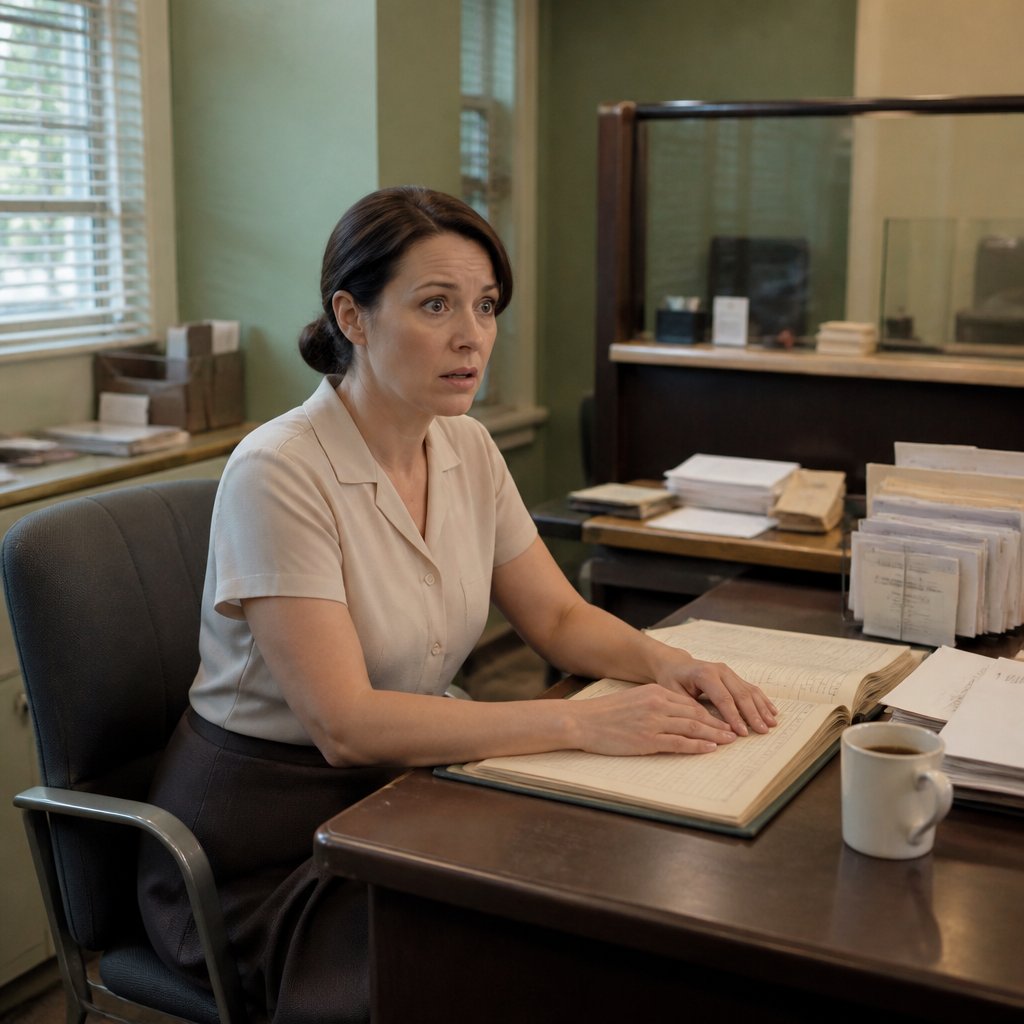
I met Marla at a small branch of the second bank, a modest office with faded green walls and a few framed certificates. She was in her sixties, dressed in a simple blouse and skirt, sitting behind a cluttered desk with a ring of keys and paperwork.
The moment I said Dad’s name, her eyes went wide, and her fingers stilled over the ledger. She looked pale, her usual calm replaced by a flicker of something like fear.
“He moved something off-book,” she whispered, voice barely above a murmur. “It was meant to be released only if you three couldn’t agree on the inheritance.”
I sat back, the chair creaking under me, trying to process what she’d just said. Off-book? Dad had hidden more than just the house or a simple key. I glanced around the modest office, the faint rustle of papers and distant hum of the air conditioner filling the awkward silence.
Marla’s next words hinted at a secret arrangement none of us had known. But if this was true, then the fight over the lake house was only the beginning.
Sister’s Sudden Legal Move
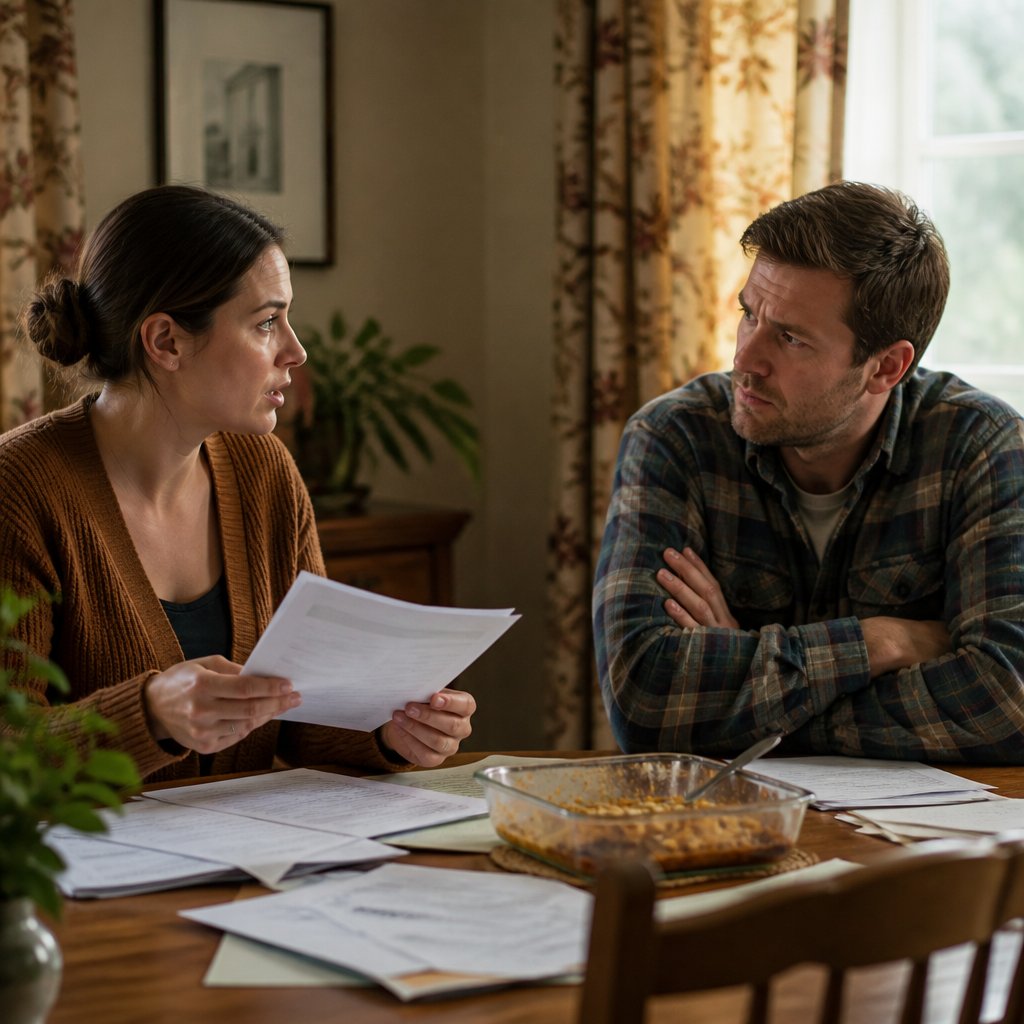
Out of nowhere, my sister filed an emergency petition to have herself appointed administrator of Dad’s estate. The court papers arrived the day after my meeting with Marla, and the timing felt like a calculated move.
My brother skimmed the documents with a frown. “Look at this,” he said, pointing to a section claiming she had loaned Dad money in recent years—something none of us had ever heard about.
The kitchen smelled faintly of reheated casserole from last night’s funeral gathering, but the tension cut through the homely air like a knife. I wondered if the petition was legal strategy or something more desperate.
Our sister’s claim threatened to shift control away from me and deepen the rifts in our family. No one mentioned discussing this loan with Dad, and the timing made me suspicious.
As I stared at the papers, I knew this was more than just a fight over the house—it was about controlling the story Dad left behind. And maybe something buried deeper.
Checks From A Hidden Account
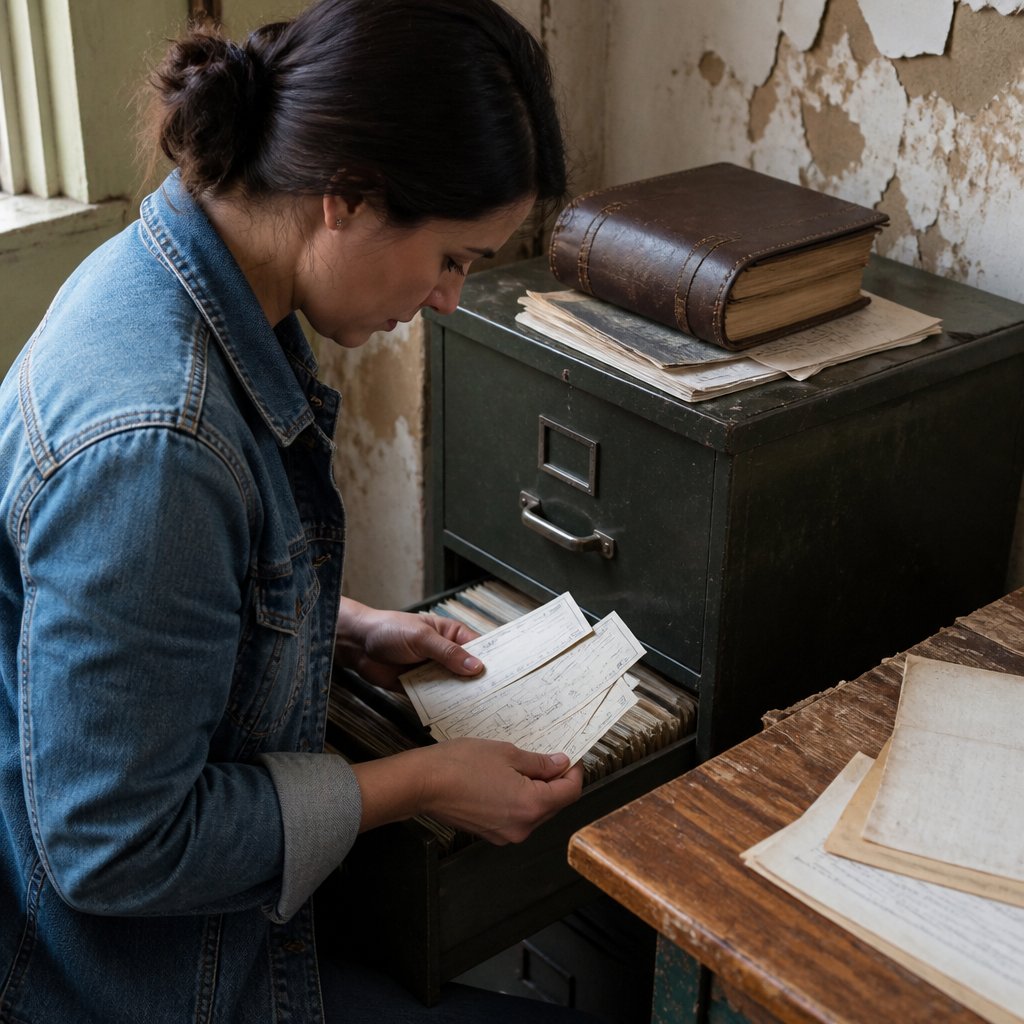
We dug deeper and found a stack of canceled checks tucked away in an old filing cabinet at Dad’s office. The checks confirmed he had indeed borrowed money from my sister. But the account was strange—bearing her maiden name, an account I didn’t even know still existed.
The ink on the checks was faded, but the dates spanned several years, each one neatly signed by Dad. The room smelled faintly of old leather and paper, the filing cabinet’s metal cold to the touch.
The discovery was unsettling. Why hadn’t Dad mentioned this account or the loan? Why keep it hidden? Our sister’s involvement was deeper than we’d realized, and the secrecy raised more questions than answers.
My brother’s face hardened as he folded the checks. “This isn’t just a loan. It’s part of something else Dad wanted to keep under wraps.”
I nodded, feeling like we were peeling back layers of a complicated family history Dad had tried to protect—or control.
Marla’s Condition For Access
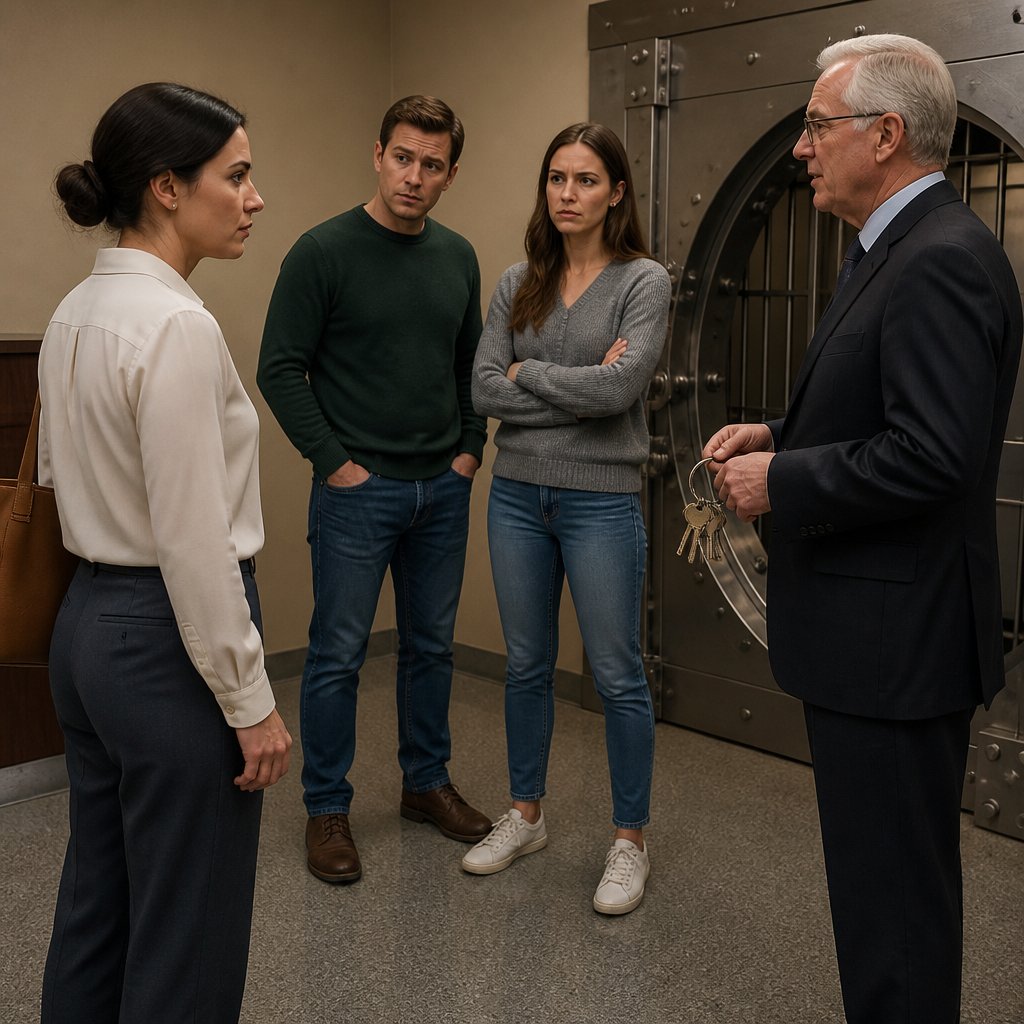
At the second bank, I met Marla again, this time with my brother. We hoped to open Box 113 and finally see what Dad had hidden. But Marla was firm: the box could only be opened if all three siblings were present.
Our sister refused to come, her tone cold and dismissive. We waited in the small waiting room, the scent of old upholstery and faint perfume hanging in the air. Tension thickened between us like a heavy fog.
Then Marla mentioned something unexpected: "The insurance binder." Suddenly, our sister’s stance shifted. Within minutes, she appeared, dressed in a simple blouse and slacks, her face unreadable.
Her arrival felt like a change in the game, but none of us knew why the "insurance binder" mattered so much. The room went quiet as Marla led us toward the vault door.
Still, the question hung in the air: what was in that binder, and why did it unlock the door to our family’s secrets?