



The Polite Note That Warned Me

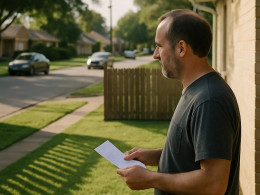
One morning, I found a folded note tucked under my front door mat. Dale’s neat handwriting filled the page with what he called a "polite" request: trim my maple tree back to the property line. The note suggested it was for the good of both yards, but there was an unmistakable edge to it. If I didn’t comply, Dale warned, he’d have to take further steps. I stepped outside and looked up at the sprawling maple branches. They stretched past the line, brushing over Dale’s lawn where his freshly mulched flowerbeds sat. I could smell the faint scent of cut grass and mulch mingling in the air. The note felt less like neighborly advice and more like a warning sealed in calm language. I folded it back up and slipped it into my pocket, wondering what “further steps” really meant for me and the tree that had grown with my family for years.
Emails Multiply Despite Vague HOA Rules

The HOA bylaws were a mess of vague phrases about "property maintenance" and "landscaping standards." No clear line about trees crossing property lines. Still, that didn’t stop Dale. His emails started arriving in my mailbox and under my door—formal, detailed, and persistent. He cited HOA guidelines, quoted clauses about landscaping that seemed tangential, and included photos of my tree’s branches overhanging his yard. I felt the weight of a paper trail forming, even though the rules weren’t exactly on his side. I glanced at the security camera mounted atop my front porch. It was new and discreet, its black lens reflecting the afternoon sun. I wondered if Dale knew I had started documenting everything too. The emails kept coming, and I began to dread checking my inbox—each message a reminder that this neighbor dispute was escalating, despite the HOA’s fuzzy regulations.
My Address In The HOA Newsletter

One afternoon, I picked up the latest HOA newsletter from my mailbox. As I flipped through the pages, my stomach sank. There was a section titled “Neighborhood Overgrowth Concerns” and right beneath it was my address, flagged as needing attention. The letter spoke about "excessive foliage violating community standards," but didn’t mention my name. I stepped outside and looked up at the maple again. The branches swayed gently in the breeze. The scent of damp earth and freshly trimmed bushes drifted from Dale’s yard next door. I saw a neighbor across the street pause and glance my way, her expression unreadable. This public calling-out felt different from letters slipped under the door or emails—it was official and visible to the entire block. I folded the newsletter and tucked it inside the kitchen drawer. Suddenly, my maple wasn’t just a tree; it was a problem broadcast to everyone I knew.
Arborist’s Visit Adds New Warnings
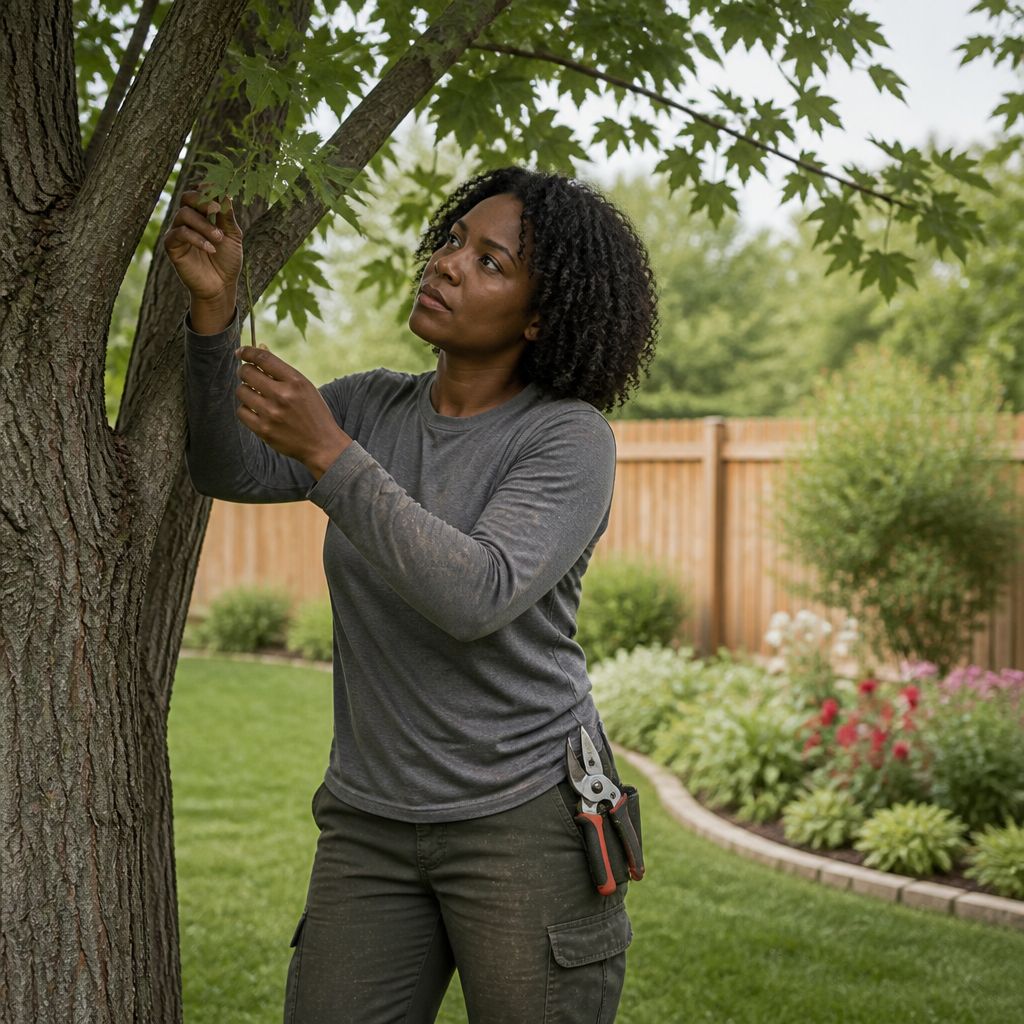
I hired an arborist to examine the maple, hoping for clarity. The man arrived wearing a dusty gray shirt, cargo pants, and sturdy boots. He circled the tree, tapping branches and inspecting the trunk. After a long look, he told me the tree was healthy, but warned me about improper cuts. He explained that a wrong trim, like hard cuts along the property line, could cause permanent damage or invite disease. His voice was calm but firm, and he gestured toward a knot where a branch met the trunk. I could smell the fresh pine scent from the tree’s sap as he worked. He suggested a light prune, emphasizing preservation. I felt torn between the arborist’s advice and the mounting pressure from Dale and the HOA. It was clear any action could have consequences—either for my tree’s health or the neighborly peace.
Dale’s Ten-Day Ultimatum Arrives

One evening, Dale showed up unannounced at my doorstep. He wore a simple white shirt and jeans, and his face held a serious expression. He handed me a stack of quotes from tree removal companies, each listing prices to cut down the maple or trim it severely. His tone was businesslike, almost as if scheduling a service. "You have ten days to decide," he said. "After that, I’ll have to take action." I noticed the faint smell of gasoline and cedar from his truck parked nearby. His ultimatum felt like a deadline imposed without room for negotiation. I glanced back at the maple’s thick trunk casting long shadows across my lawn. The weight of his words settled heavily on me. I wondered if the tree I’d nurtured for years would survive the next ten days—or if this was only the beginning of a conflict I couldn’t control.
Installing Edging And A Small Camera
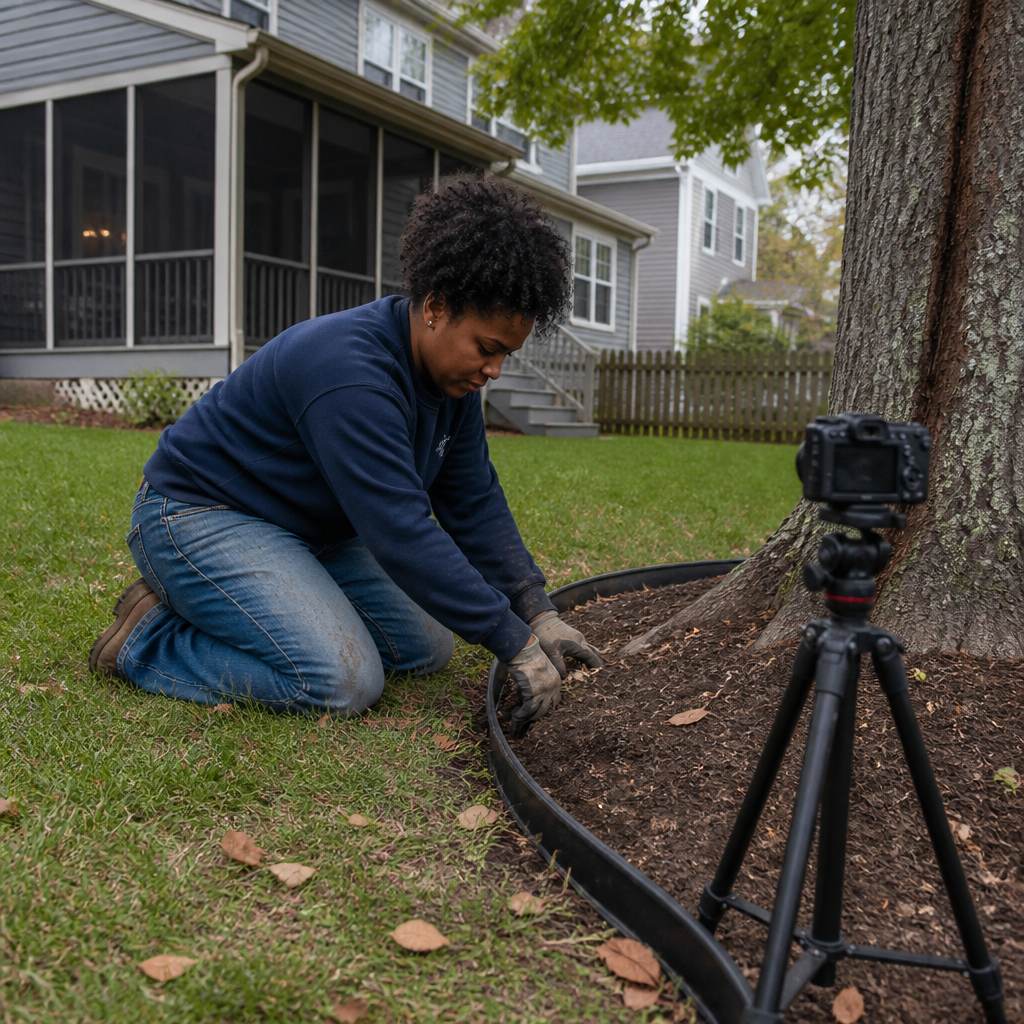
Feeling the pressure, I spent a Saturday morning installing a neat edging strip along the property line near the tree. The plastic barrier snapped into place, separating my grass from Dale’s flowerbeds. I wore a faded navy sweatshirt and old jeans, my hands smudged with dirt. Nearby, I mounted a small, discrete camera on a low tripod aimed toward the tree and the boundary. It was a modest setup, nothing intrusive, but it gave me a bit of peace. The camera lens caught stray leaves drifting lazily down in the light breeze. The scent of freshly turned soil mingled with the faint odor of the nearby barbecue grilling from a neighbor’s yard. I wasn’t sure if the camera would deter Dale or provoke him further. That uncertainty weighed on me as I stepped back and looked at the neat line dividing our yards, wondering if this was enough to stop the escalating tension.
Dale’s Second Complaint Sparks Inspection
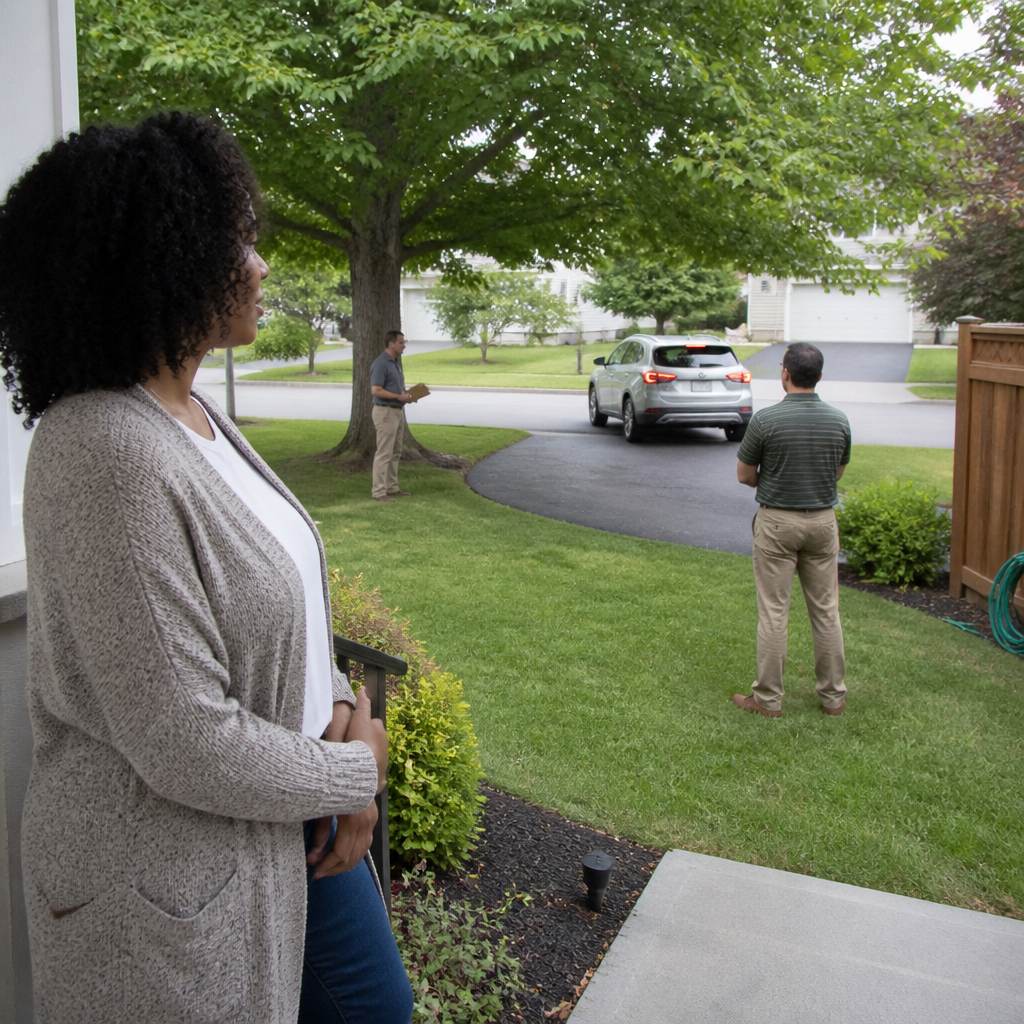
A few days later, another HOA complaint arrived—this time Dale listed more issues: seeds from my tree scattered into his gutters, the way my maple blocked sunlight, and even debris piling up along the fence. I was stunned by the growing list. Then the HOA scheduled an official inspection. I stood on my back patio wearing a striped polo and khakis, watching a representative’s car roll up. Dale was already there, clipboard in hand, pacing near the tree. The air smelled faintly of rain and freshly cut grass. I could feel the walls closing in as the inspection day approached. This felt less like neighborly concern and more like an orchestrated event. I wasn’t sure what they would find or how it would affect the conflict brewing over my maple. The question hung over me: was this the turning point in the fight, or just another step?
Inspection Day Feels Staged
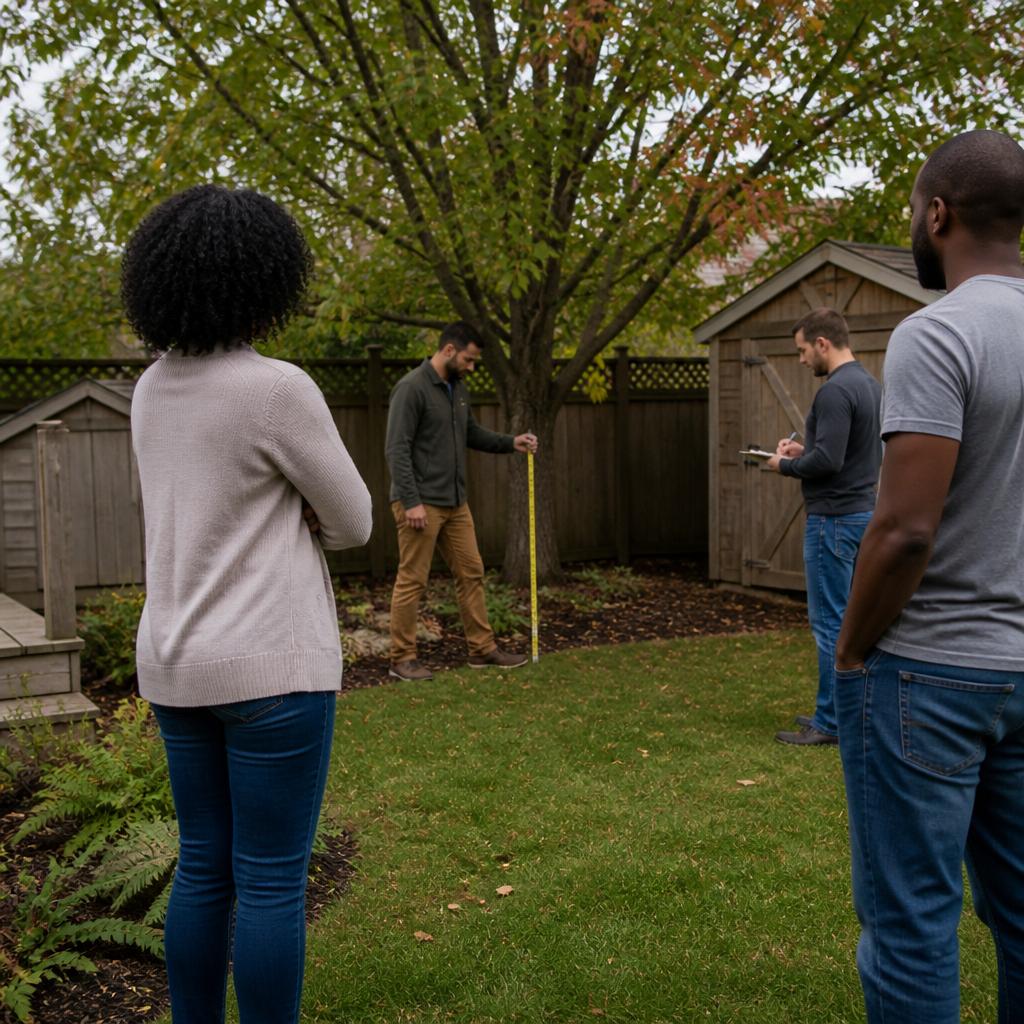
The day of the inspection, I wore a simple grey T-shirt and jeans, trying to look casual. But the whole process felt staged. Dale stood by with his tape measure, carefully marking distances from the property line to branches and roots. The HOA representative took notes, snapping a few photos with their phone held face-down. The maple’s leaves rustled quietly in the breeze, and I caught the sharp smell of mulch from Dale’s freshly tended flowerbeds. I watched the two men back and forth, their movements precise and deliberate. It was like they were gathering evidence for a case rather than solving a neighborly problem. I felt invisible at times, just waiting for their conclusion. The tension in the air was thick. I wondered if any of the measurements would be enough to tip the scales against me and my tree.
Offering A Trim, Facing Demands
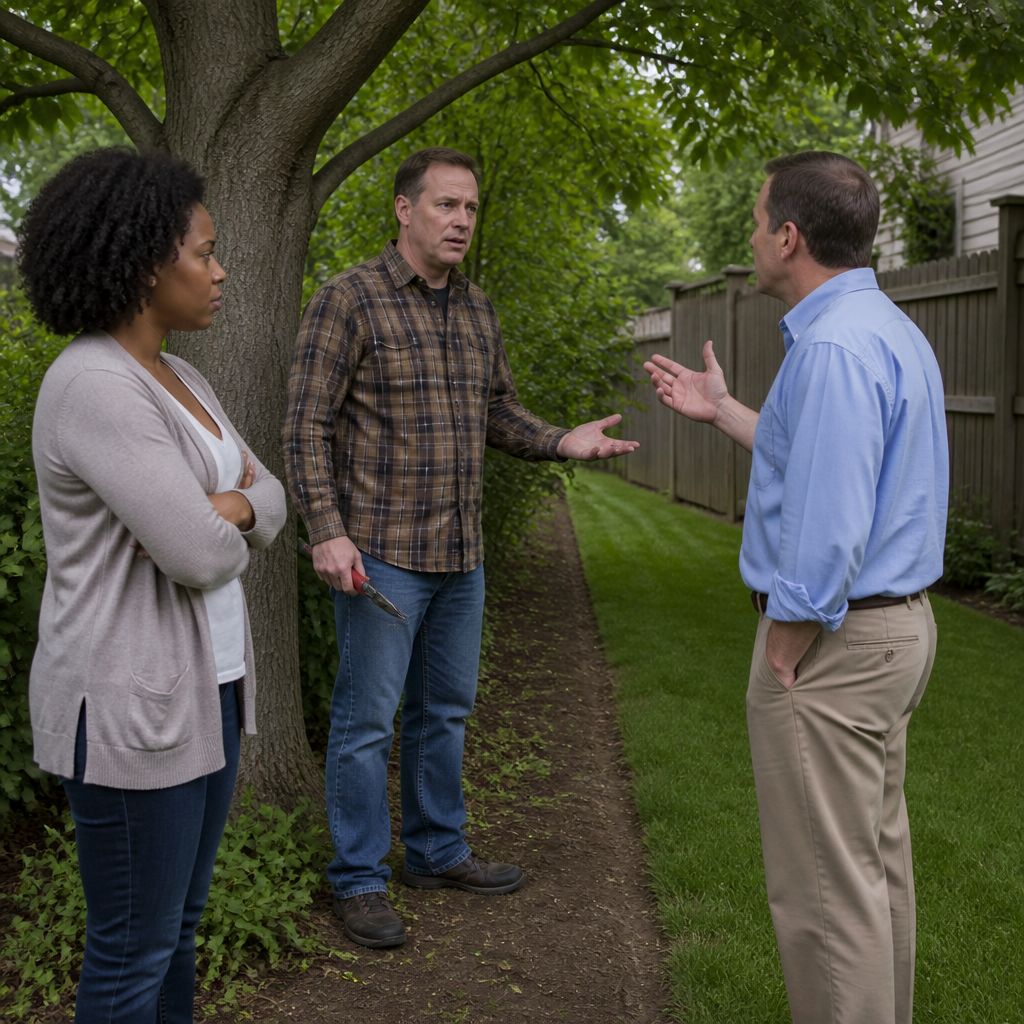
I finally suggested a compromise—a light trim on my side of the tree to ease Dale’s concerns. I wore a plaid shirt and denim jeans, standing by the maple with pruning shears in hand. But Dale rejected it outright. He insisted on a hard vertical cut, right down the exact plane of the property line. His tone was firm, leaving no room for negotiation. The sun warmed my back, and the fresh scent of sawdust lingered faintly in the air. The grass beneath our feet showed a sharp contrast, the neat boundary line between our yards now a battleground. The pressure was mounting. I could feel the weight of his demand pressing down as much as the branches above. It wasn’t just about the tree anymore—it was about control and who had the final say on our shared property line.
Fresh Sawdust And A Curb Pile
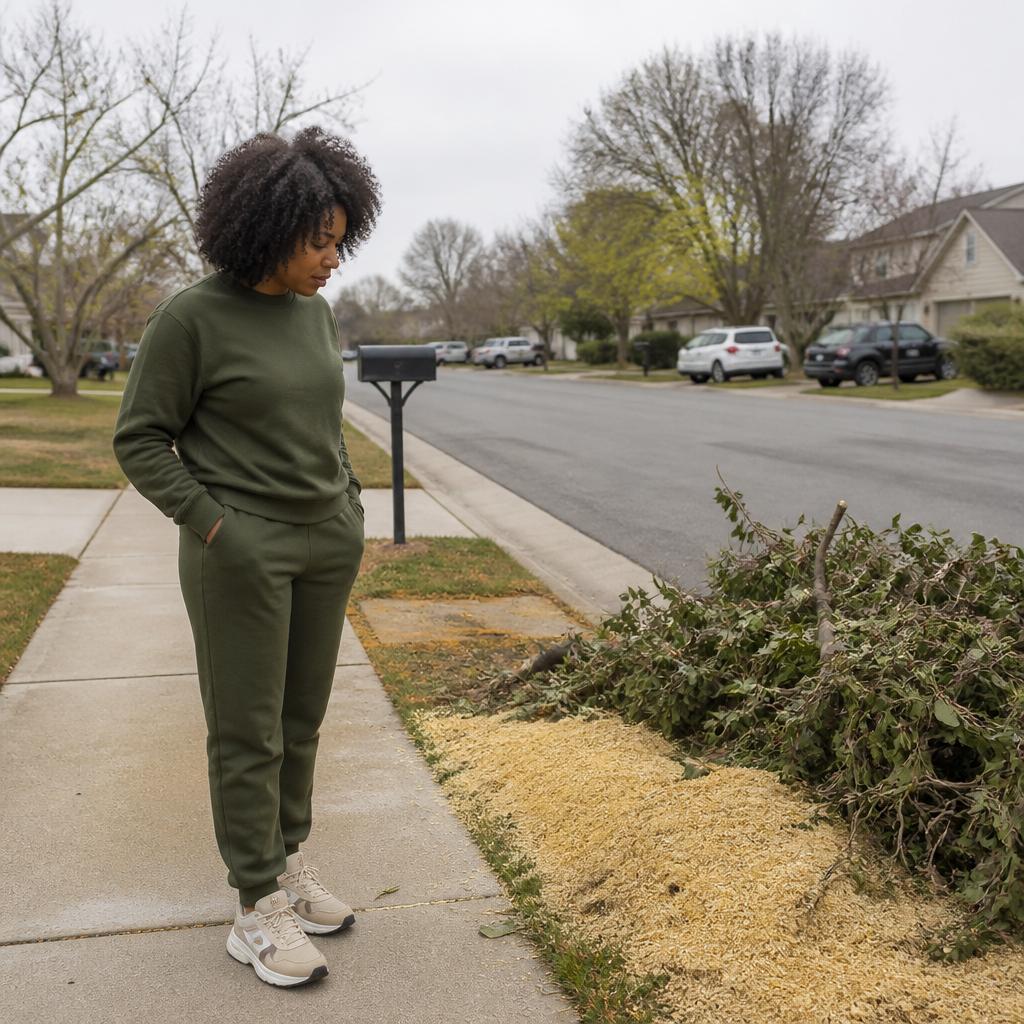
One morning, I stepped outside and saw fresh sawdust scattered across the base of the maple trunk. A neat pile of trimmed branches and leaves sat curbside, as if someone had started work without my permission. My heart raced. I was still in my olive green sweatshirt and sweatpants, caught off guard by the unexpected sight. A breeze carried the sharp scent of freshly cut wood. I looked toward Dale’s driveway, but his truck was gone. I called out into the quiet street, but no one answered. The pile was a silent message—someone had crossed a line. I stood there, staring at the mess, wondering if this was just the start of a more serious confrontation.
Caught On Camera: Major Limb Cuts
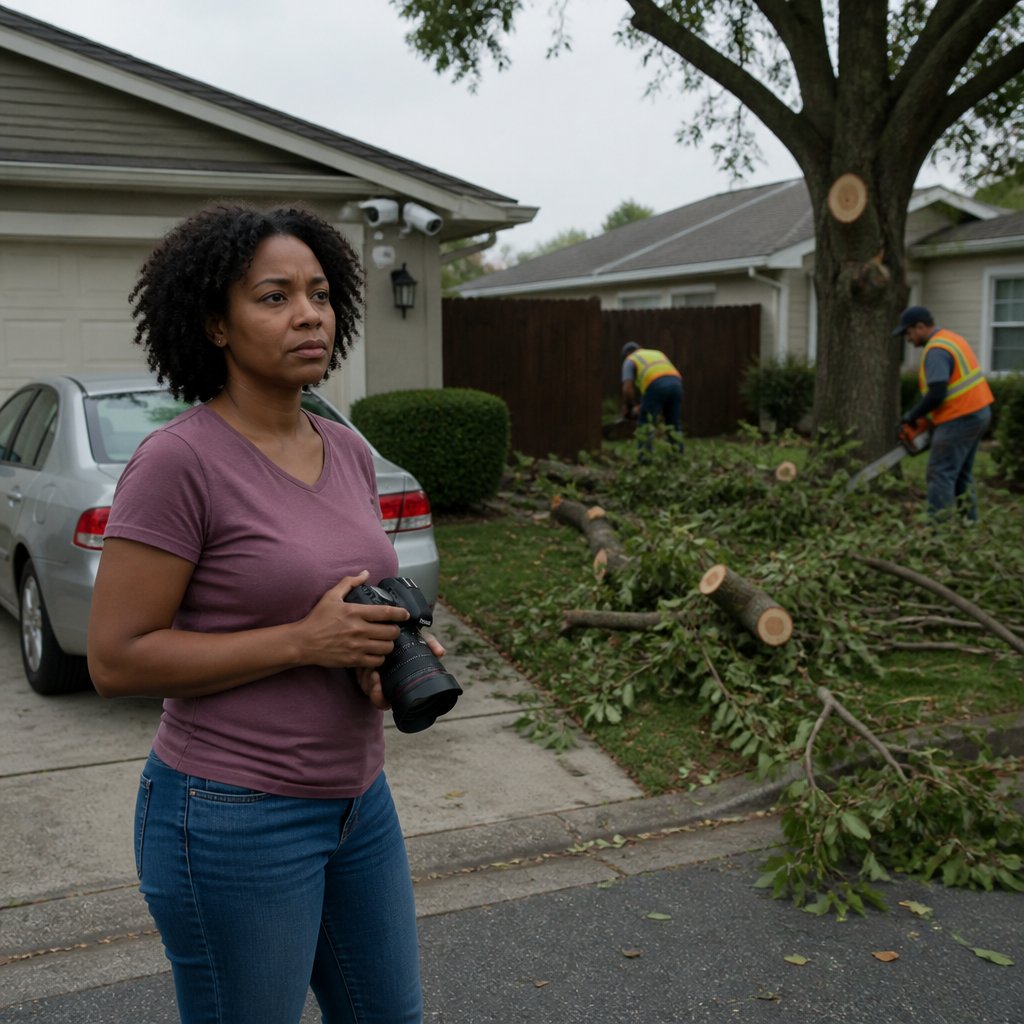
That morning, I was on my front porch when I noticed something strange. Dale's hired crew was at work near the property line. They were cutting branches from my maple tree — big limbs that stretched over what I thought was the boundary. I grabbed my camera and started taking pictures from the driveway, careful not to get too close. From where I stood, I could see the thick branches falling onto his side, but they were reaching back over the line, into my yard. The hum of the chainsaws filled the quiet street, and I recognized the smell of freshly cut wood. The neighbors’ cars were parked as usual, the usual mailboxes lined up along the sidewalk.
I felt that sinking feeling as I realized the cuts were severe, not just a little trimming. This wasn’t the light shaping I expected; they were taking off large portions of the tree. I wondered if Dale had permission, but the way the limbs were cut made it clear he was going beyond his side. I tried calling him, but no answer. The security camera mounted on my garage caught the whole thing, but the real question was what would come next with this unauthorized trimming.
Dale Insists He’s Within Rights
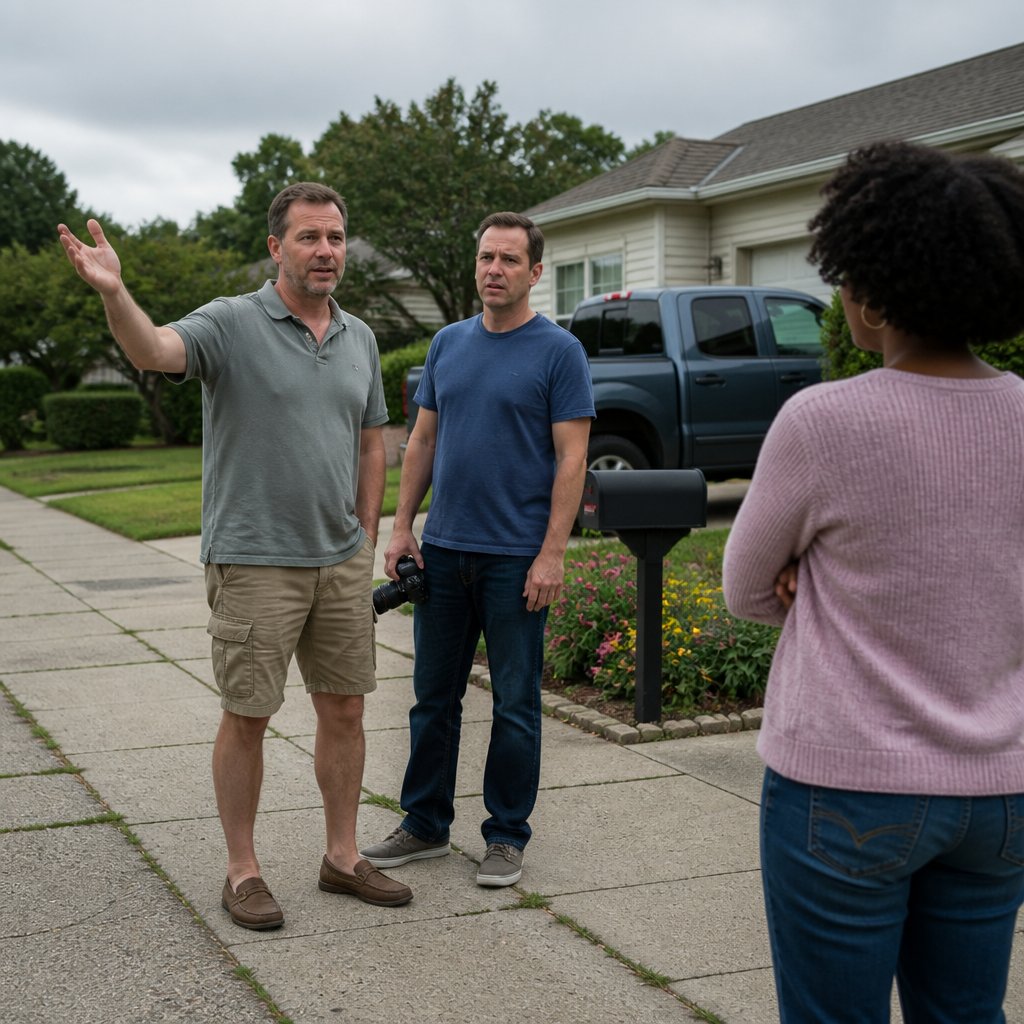
I finally caught up with Dale at the mailbox. He was wearing khaki shorts and a faded polo, looking calm but stubborn. He claimed his crew hadn’t crossed onto my property. He said they were trimming only what was on his side and that the tree was overhanging, so he had every right. His tone was daring, like he was challenging me to prove otherwise. I felt cornered standing on the cracked sidewalk that marked the edge of our properties.
Dale waved off my concerns about the missing limbs and insisted, "You’ve got nothing to show me. Nobody stepped on your land." The scent of freshly mowed grass mixed with the faint smell of grill smoke drifting from his backyard. I wanted to argue, but I realized I didn’t have proof on me at that moment. It was his word against mine, and his confidence made me doubt what I’d seen earlier.
He turned and walked back toward his driveway, where his pickup truck was parked next to a small garden bed. I was left holding my camera and the unanswered question of how to prove the cuts crossed the line.
Arborist Calls Cuts Improper
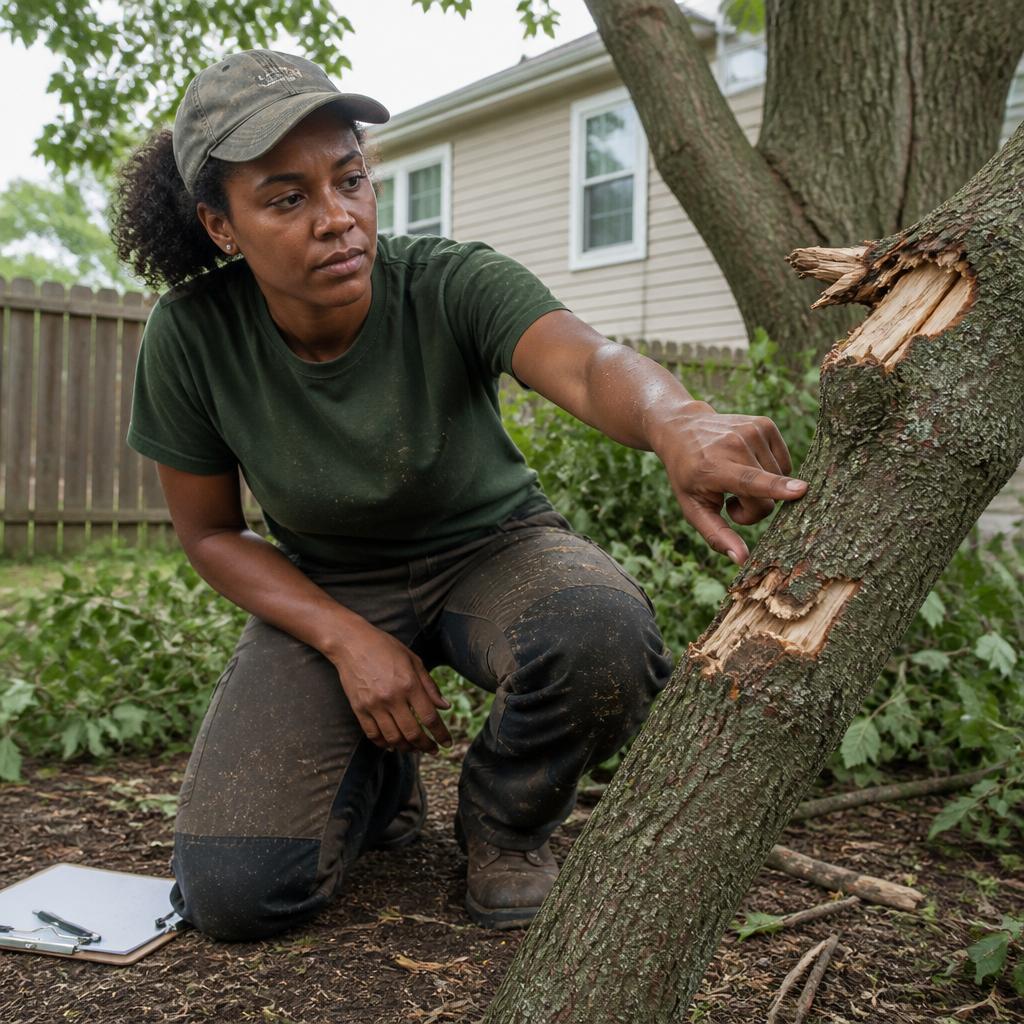
A few days later, the arborist returned. He was in his dusty work pants and a worn baseball cap, carrying a clipboard. He examined the tree carefully, running his hands along the large cuts. His face was serious as he pointed out jagged edges and missing bark. He told me the cuts were improper for a maple and the way the limbs were removed stressed the tree, increasing the risk of future failure.
He said this wasn’t just trimming anymore — it was damage. With each word, my stomach sank further. Outside, the wind rustled the remaining leaves, and the faint sound of children playing echoed from the neighbor’s yard. I listened as he explained how the tree's health could decline, and the risk it posed to my property only grew.
He suggested taking photos and notes for evidence and that I might need to consider legal action. I nodded, but the weight of the situation felt heavier than I expected. The question now wasn’t just what Dale had done, but how badly the tree was hurt.
Police Label Dispute Civil
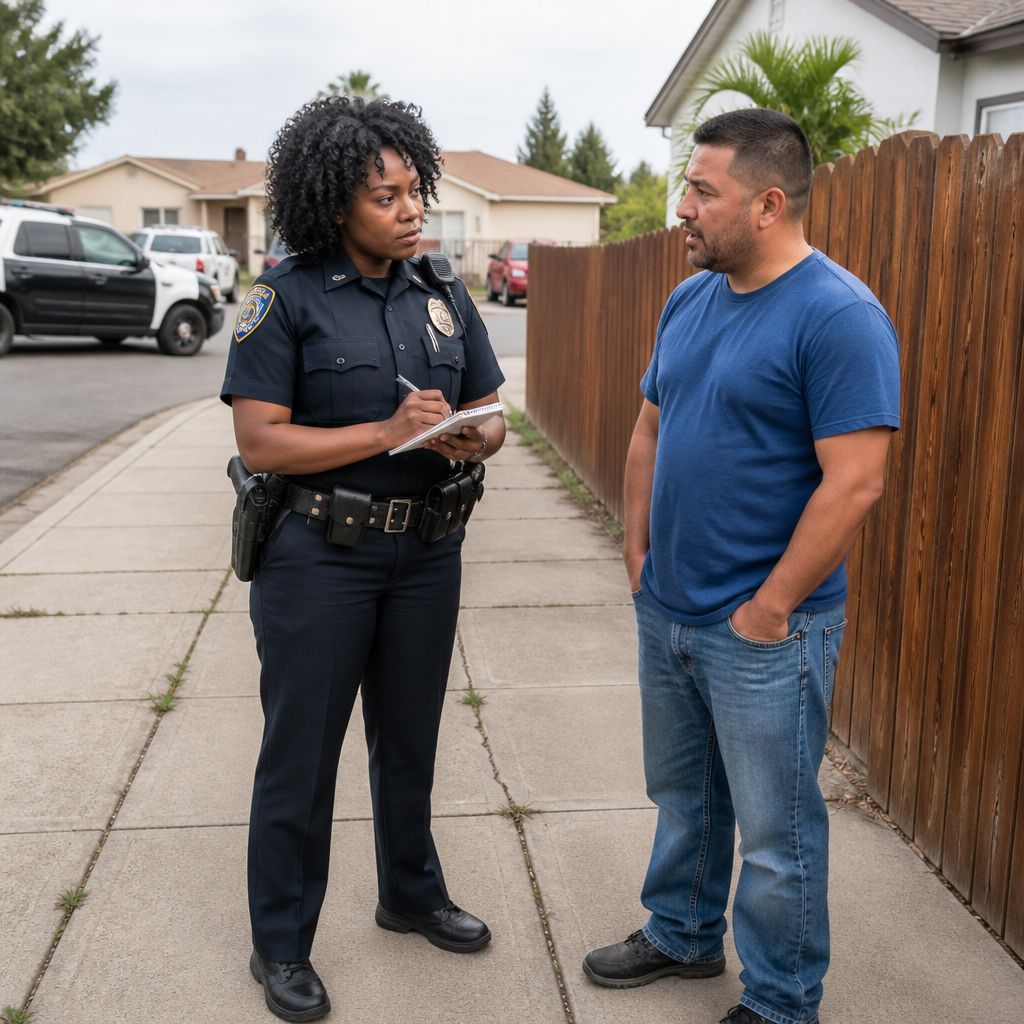
I called the local police to report the unauthorized trimming. An officer arrived, wearing a standard uniform and a calm demeanor. He took notes while I explained the situation, standing on the cracked concrete sidewalk near the tree. The officer listened carefully but said this was a "civil matter." They wouldn’t take any action beyond documenting the report.
The street was quiet except for the occasional lawn mower humming in the distance. I felt frustrated, knowing the official response left me exposed. Dale seemed untouchable, continuing to act without consequence. The officer handed me a copy of the report and suggested trying to resolve the issue through the HOA or the courts.
I looked down at the faded paint marking the property line and wondered how I could protect my tree if the police weren’t going to help. Dale’s truck was still parked in his driveway, and I could see his silhouette through the slats of the wooden fence, watching.
The Tree Company Stonewalls Me
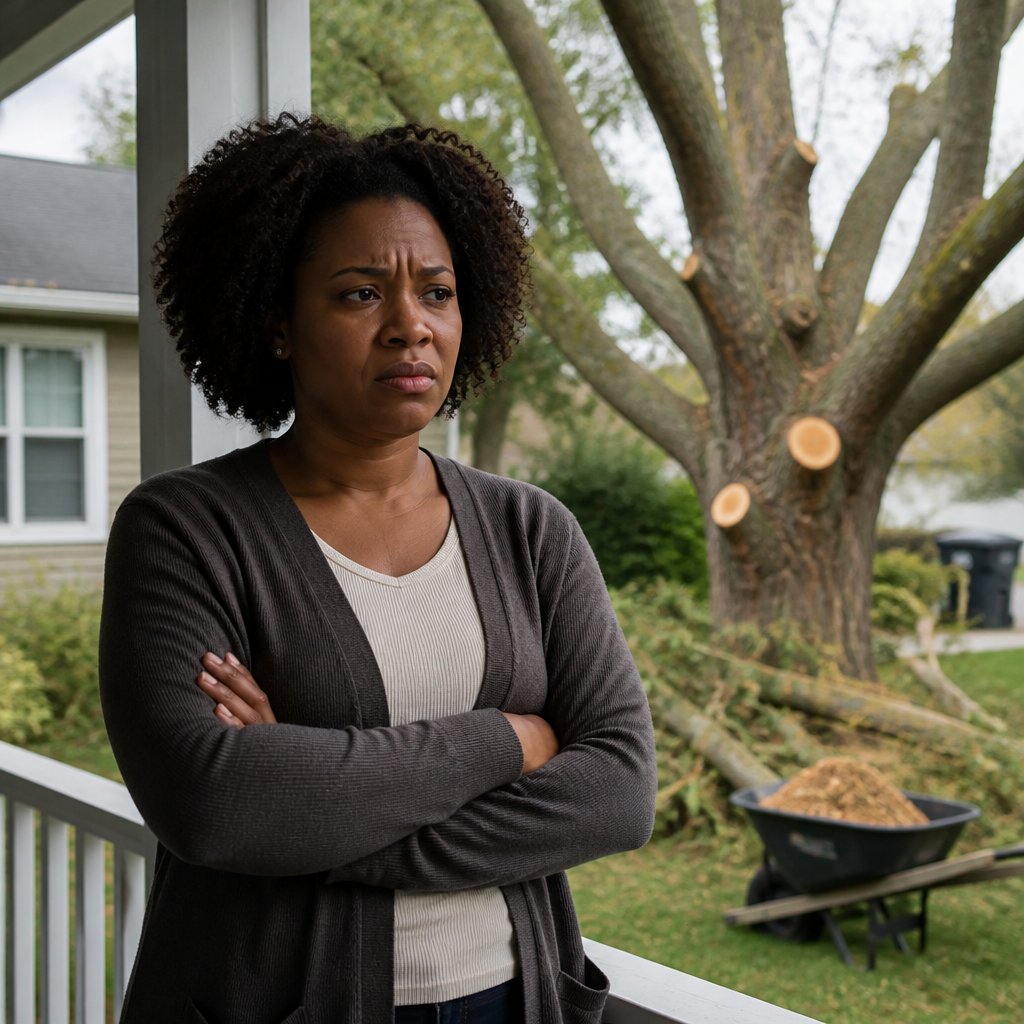
I called the tree company to ask what exactly they'd been told by Dale before trimming my maple. For days, they dodged my questions, saying only vague things about "a shared issue." Finally, off the record, the foreman admitted that Dale had told them the tree was "shared" and that I had supposedly approved the work—though none of it was ever put in writing. That explanation felt like a trap; I didn't recall giving any approval at all. The foreman's tone was reluctant, a slight hesitation in his voice as if unsure how much he should say. It made me wonder if I'd been set up to take the blame quietly. I paced my living room, staring out the window at the jagged stubs where my tree had been hacked back. The rough smell of fresh-cut wood drifted in the air mingling with the faint scent of mulch and soil from Dale's landscaping. I couldn't decide if I was angrier at the company for not confirming details or at Dale for twisting the story before anyone else got involved.
Dale Takes It To The HOA

Not long after the tree company’s admission, I started seeing notices from the HOA in my mailbox stamped with red ink—formal appeals from Dale demanding the removal of my maple tree. The letters accused me of neglecting what they called a "hazardous property." It felt like a public shaming, an official attempt to force me into compliance. At the next neighborhood meeting, I noticed Dale speaking loudly to a small group, spreading stories about my supposed negligence. He talked about safety hazards, the damage to his landscaping, and how the maple blocked sunlight. I heard neighbors whispering about the dispute, some nodding in agreement. It was unsettling to stand in my own living room, hearing the chatter through the walls, wondering how many had already made up their minds. Outside, the faint smell of fresh grass cut by a lawn mower drifted in as the summer afternoon stretched on. I felt increasingly isolated, as though my side of the story wasn’t being heard at all.
The Floodlight Ruins My Nights

One evening, I noticed a new bright light flooding my backyard. Dale had installed a large floodlight on a tall pole right along the property line, and it shone directly into my living room window. The glare obliterated the subtle shadows my security cameras normally captured, rendering their footage useless. Every night, the harsh white beam made it impossible to sleep peacefully. I tried closing the blinds, but the light seeped through the gaps, creating a glare on the walls. The buzzing of a nearby cicada barely registered against the constant glare outside. I felt like my privacy was being invaded in a way I hadn't anticipated. Neighbors started asking me if I was responsible for the floodlight, which only added to the tension. I wondered if Dale was trying to make life uncomfortable enough to force me to give up. I stared out at the distorted glare, wondering how much more I could take without fighting back.
Arborist’s Damage Report Arrives

I finally got the formal damage report from my arborist after he inspected the maple. The pages detailed how the aggressive trimming reduced the tree’s life expectancy and caused real damage. There were numbers—thousands of dollars needed for remediation and lost value. The report described how the cut branches left the tree vulnerable to pests and weakened its structure. I sat at my kitchen table, the report spread out before me, with my coffee cooling in a chipped mug. Outside, a light breeze rustled the leaves of the undisturbed bushes near my fence. Knowing the report could be powerful evidence in court was some comfort, but it also made everything more real. This wasn’t just a petty dispute anymore; it was about tangible harm. The idea that Dale might have to pay for this damage felt momentarily satisfying, but I knew the fight was far from over.
Lawyer Demands, Dale Suits Back
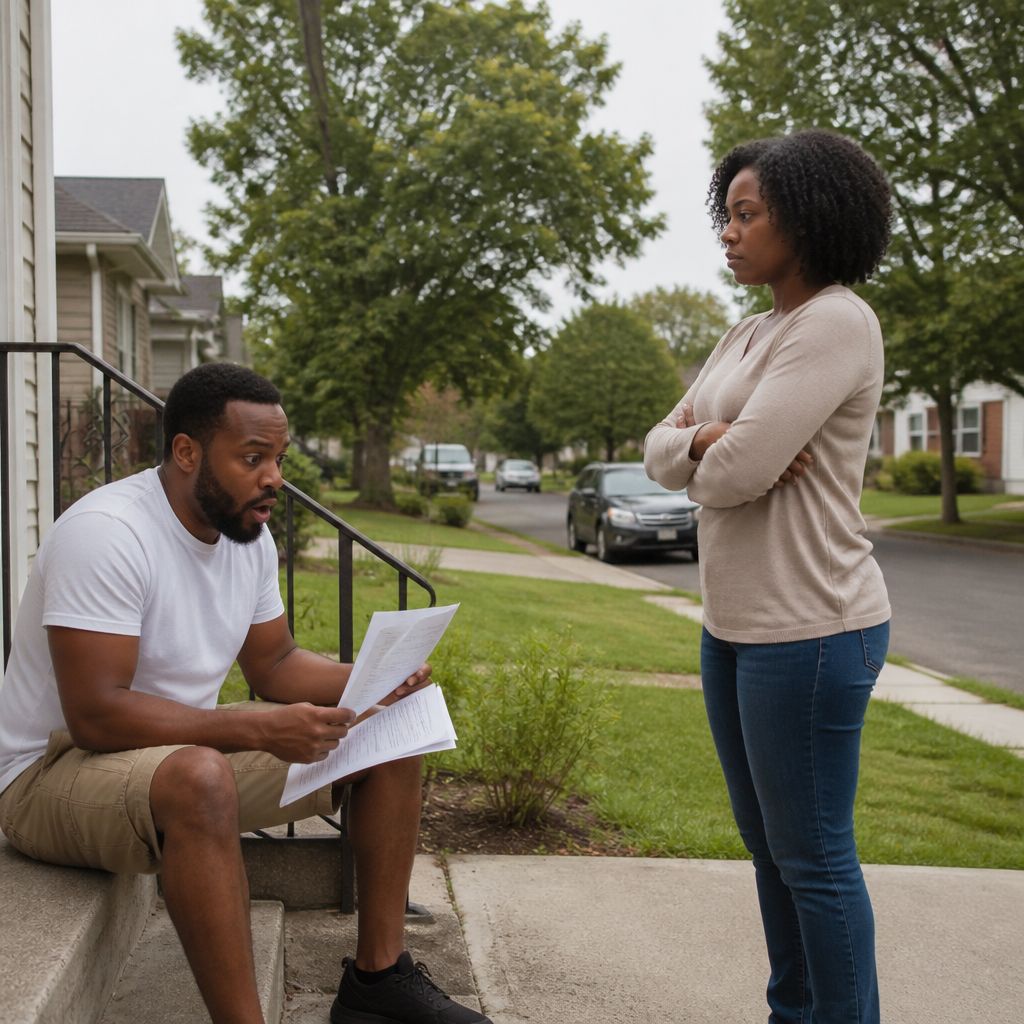
My lawyer sent a letter demanding compensation for the damaged tree, reimbursement for my property survey, and an agreement that Dale would not cut any more branches. I felt a flicker of hope, thinking things might finally move toward resolution. But then, to my surprise, Dale responded by suing me in small claims court. The papers arrived in the mail, crisp and official, accusing me of trespassing and damaging his landscaping. It was a shock, the fight escalating faster than I expected. Holding the envelope, I sat on the front steps of my house, barefoot, the rough concrete cool beneath me. Across the street, a mail truck rumbled past, the driver giving me a brief glance. The quiet suburban street felt suddenly hostile and uncertain. The battle was no longer just about the tree—it was about control and who would back down first.