



I Felt Their Eyes At The Funeral

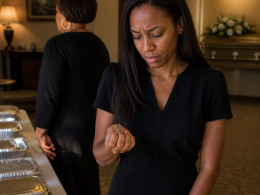
The funeral was quiet except for the soft shuffling of feet and the occasional sniffle. I stood near the back, wearing a plain gray sweater and black slacks, clutching a small bag with the kind of nerves you can't shake. The air smelled faintly of lilies and brewed coffee from the reception area beyond the chapel doors.
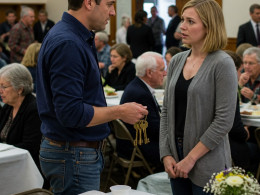
As I glanced sideways, I caught the sharp looks from the late businessman’s family. Their eyes weren’t the polite, sorrowful kind—they were calculating, narrowed, as if they’d already decided I was an outsider who didn’t belong. They whispered in low tones, casting speculative glances my way like I was a suspect rather than someone who had cared for their father.
I felt their judgment settle on me like a weight. Their stares cut deeper than I expected—no condolences, just suspicion. It was clear they had agreed on a story about me, one that didn’t include the time I’d spent helping him. I realized right then this was going to be much harder than just grieving.
Asked To Arrive Early With ID

The day of the will reading, I stood in the austere lobby of the lawyer’s downtown office. My breath fogged the inside of the glass doors as I waited, dressed in a blue button-up shirt and dark jeans. The sterile smell of polished wood and paper hung in the air.
The attorney, a man in his fifties wearing a gray suit, checked his watch and motioned me toward the door. "Please arrive at least twenty minutes early," he said, holding out a clipboard. "And bring your ID for verification." His tone wasn’t friendly; it was more like I was an intruder needing vetting before entrance.
I handed over my license, feeling the weight of eyes on me as I patted my pockets to make sure I hadn’t forgotten anything. The message was clear—I was not being welcomed as family or even a guest but as someone to be scrutinized, my presence needing justification. The room’s quiet hum felt like a warning more than preparation.
My Name And Box Number Called
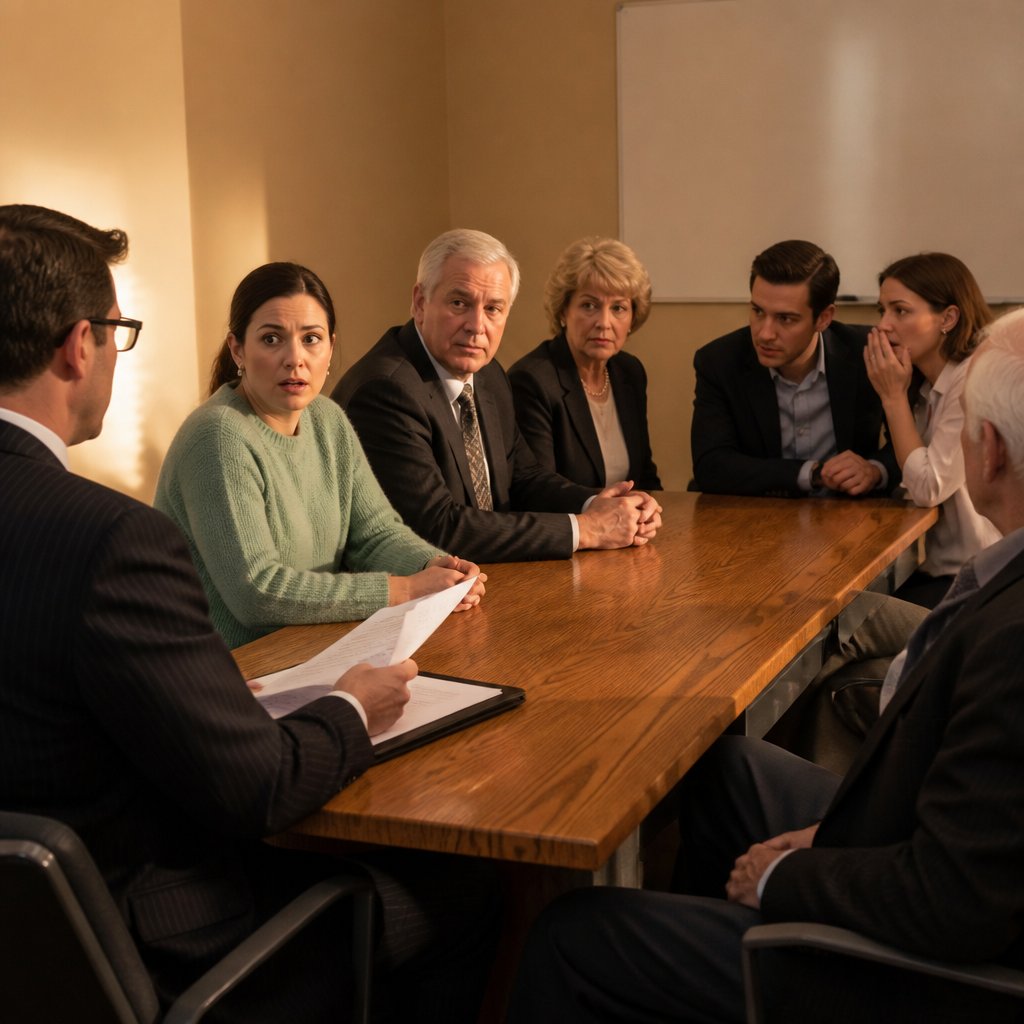
Inside the narrow conference room, I sat at the long oak table between stacks of legal files and unopened envelopes. I wore a soft green sweater that felt too warm under the overhead lights. The attorney cleared his throat and began reading aloud.
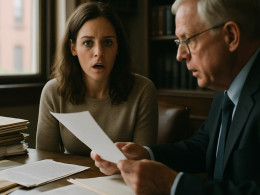
When he said my name, followed by a percentage of the estate and "the contents of Box 118," the air shifted. Faces hardened, murmurs broke out. The family’s polite veneer cracked, replaced by looks that felt like accusations. It was as if I’d been caught in the act of some theft, not named in the man’s own will.
I could hear the quiet gasps and see the stiffening postures around the table. They stared at me as if I’d violated a code they’d never agreed to. I swallowed hard, feeling the room tilt toward hostility. The box number echoed in my mind—Box 118—what was so important about it?
Oldest Son Calls It A Mistake

The eldest son stood abruptly, his navy blazer creasing as he leaned forward, eyes sharp and voice loud enough to fill the small room. He called my inheritance "a clerical error," his words cutting through the quiet like a knife.
He demanded to know if I even had a contract with his father, implying I wasn’t legitimate in his life or affairs. I sat still, heart pounding, wearing a cream blouse that suddenly felt like armor. The family’s hostility felt like a wall closing in.
His challenge set the tone for the rest of the meeting. I could see that they had already decided on their attack strategy: question my legitimacy and push me out. The room weighed heavy with unspoken threats and doubts, and I wasn’t sure how to defend myself without revealing too much.
The attorney looked back and forth between us, aware of the tension but staying neutral—for now.
A Daughter-In-Law Corners Me
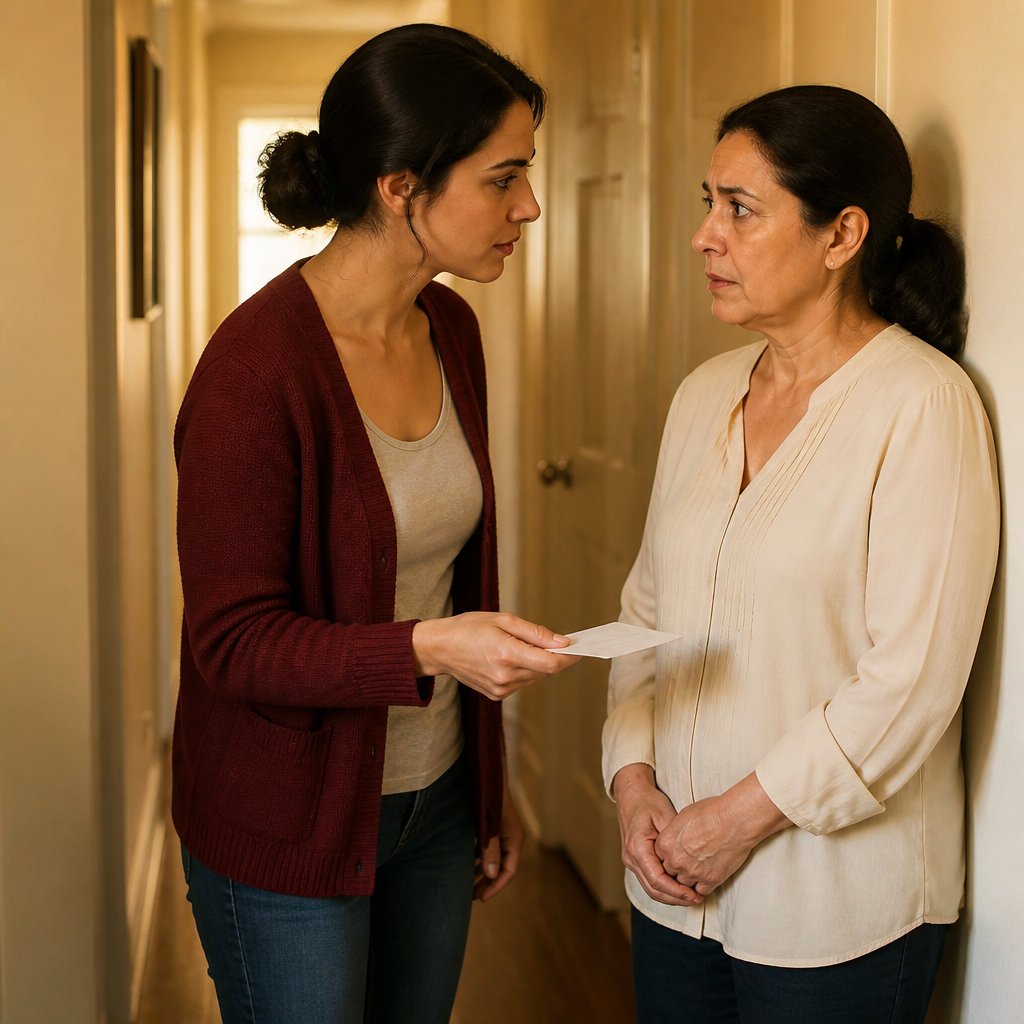
Later, outside the office in a cramped hallway, a woman I recognized as a daughter-in-law caught up to me. She was dressed casually in a maroon cardigan and jeans, but her eyes were sharp and calculating.
She leaned in close and whispered urgently, offering an envelope filled with cash. "Sign this," she said. "It’s easier for everyone if you just accept. No need to make things difficult."
The sudden offer shocked me. It was clear they wanted to buy my silence before I even knew what I was owed. The air smelled faintly of her floral perfume mixed with the scent of old carpet. I held the envelope tightly but couldn’t accept something I didn’t understand.
Her gaze didn’t waver, and I realized they were trying to close the door on me before I even got started.
Attorney Pushes Me To Outsiders
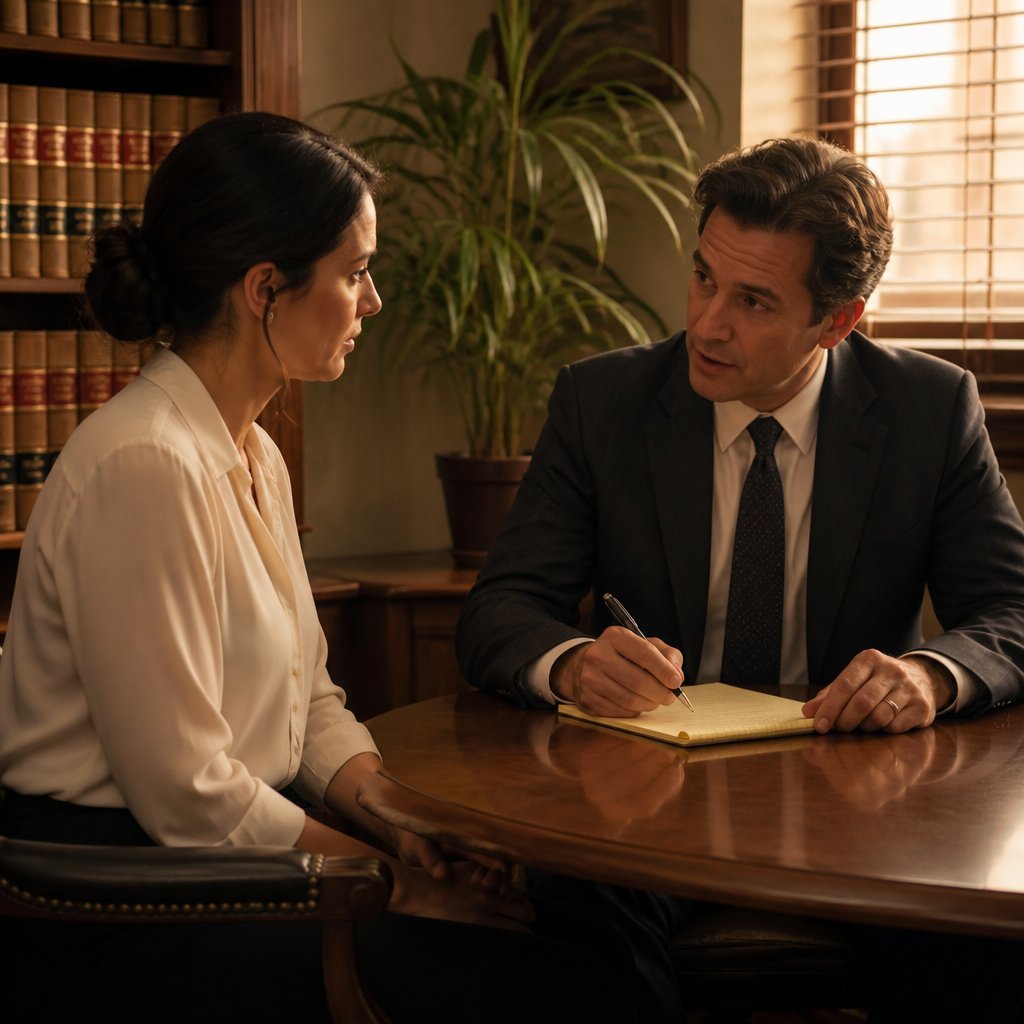
Back inside the law office, the attorney lowered his voice and advised me against talking to the family. He wore a charcoal suit and pulled a fresh legal pad toward him, scribbling something as he spoke.
"It’s better if you let me handle communication," he said, "and I recommend using a probate lawyer out of town. Keeps things quieter and avoids unnecessary conflict."
The words felt like a gentle push, but I recognized the quiet gatekeeping. I was being isolated, kept away from the people who were trying to undermine my claim. The faint rustle of paper felt like the only sound in the suddenly cold room.
I wondered if this advice was intended to protect me or to keep me sidelined.
I Saw The Facebook Post
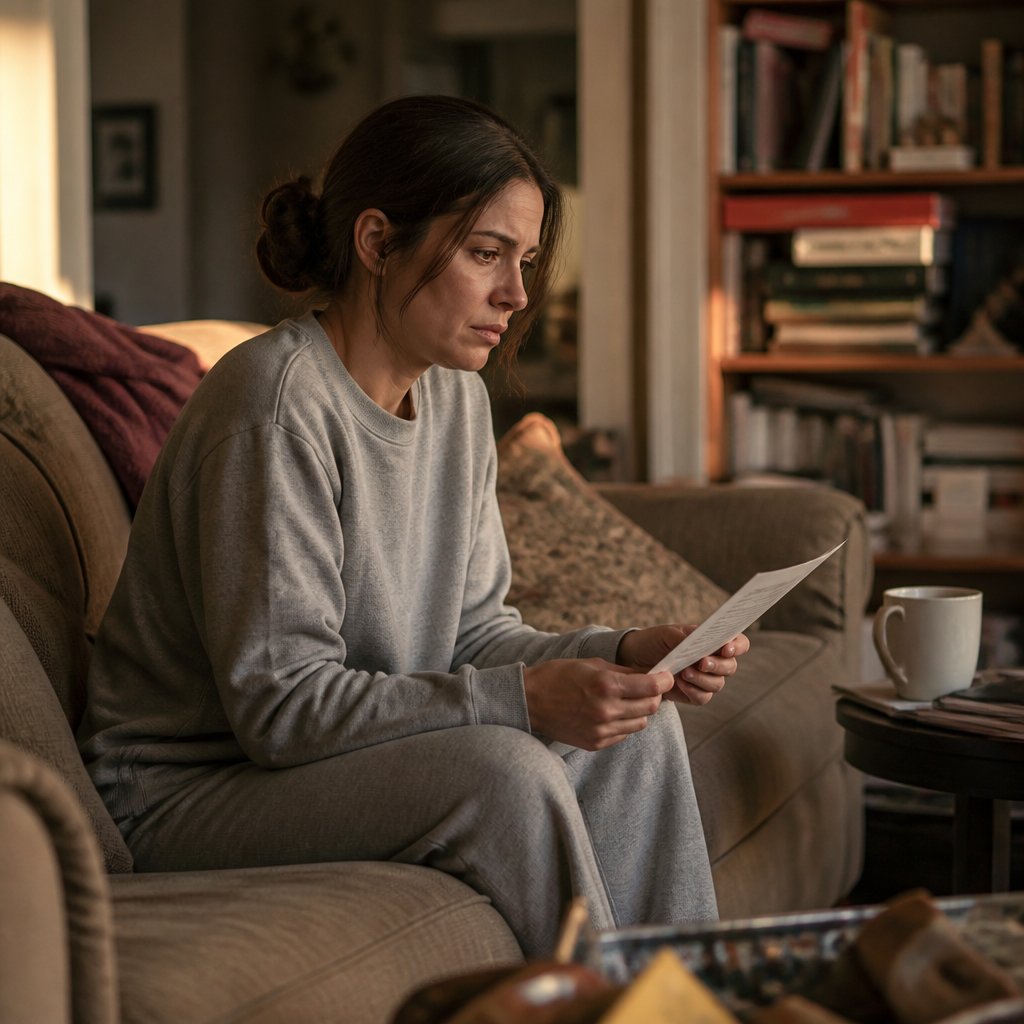
At home, sitting alone in my small living room, I scrolled through a printed page someone had handed me—a screenshot of a Facebook post. I wore a worn gray sweatshirt and sweatpants, the comfort of my clothes contrasting with the hard words on the paper.
The post accused me of "talking him into changing everything," painting me as a manipulator who rewrote the whole will. The accusation stung, and I recognized that they were poisoning the town’s opinion of me before a single court date.
The room smelled faintly of coffee and old books. I pressed the paper to my chest, feeling isolated and vulnerable. Their campaign was already in motion, and I had no idea how to fight back when even my reputation was being torn apart.
My Employment Files Were Tampered

The next morning, I went to my small, cluttered home office to look for some papers. I was wearing a soft flannel shirt and jeans, still rubbing sleep from my eyes. When I opened my filing cabinet, I noticed several folders were out of place and some important documents from my employment file were missing.
The paper felt rough in my hands as I rifled through the remaining papers, the faint smell of printer ink lingering. It wasn’t an accident—someone had been inside my personal records, searching for something or trying to erase it.
I sat back in my chair, my heart pounding. This wasn’t just about the will anymore. They were digging into my past, trying to find a way to discredit me or block my claim before it really started.
The silence of the room felt heavy, the missing papers a loud message in themselves.
The Deputy’s Visit Felt Threatening
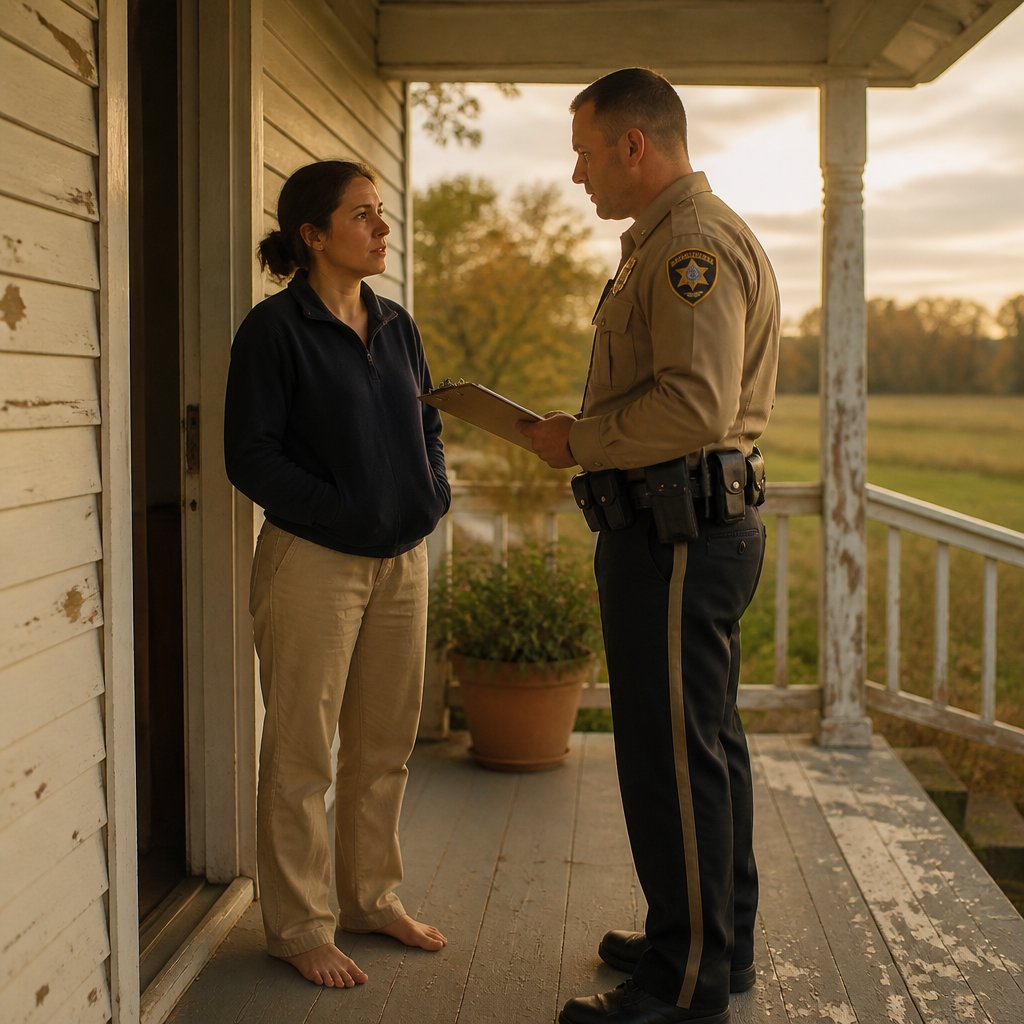
Mid-afternoon, a knock came at my front door. I opened it to find a deputy sheriff in uniform, clipboard in hand. I was wearing an old navy pullover and khaki pants, standing barefoot on the faded porch mat.
He explained he was there for a "wellness check" after a complaint. His voice was neutral but firm. The morning air carried the scent of rain on dry pavement, and I felt a cold shiver run through me.
It hit me then—this was the family’s next move. They were willing to bring authorities into the dispute, to use official channels to intimidate me or find reasons to question my stability.
The deputy’s glance flicked toward the living room window, then back to me. I knew the complaint wasn’t coming from a neutral place.
Locks Changed While I Was Away
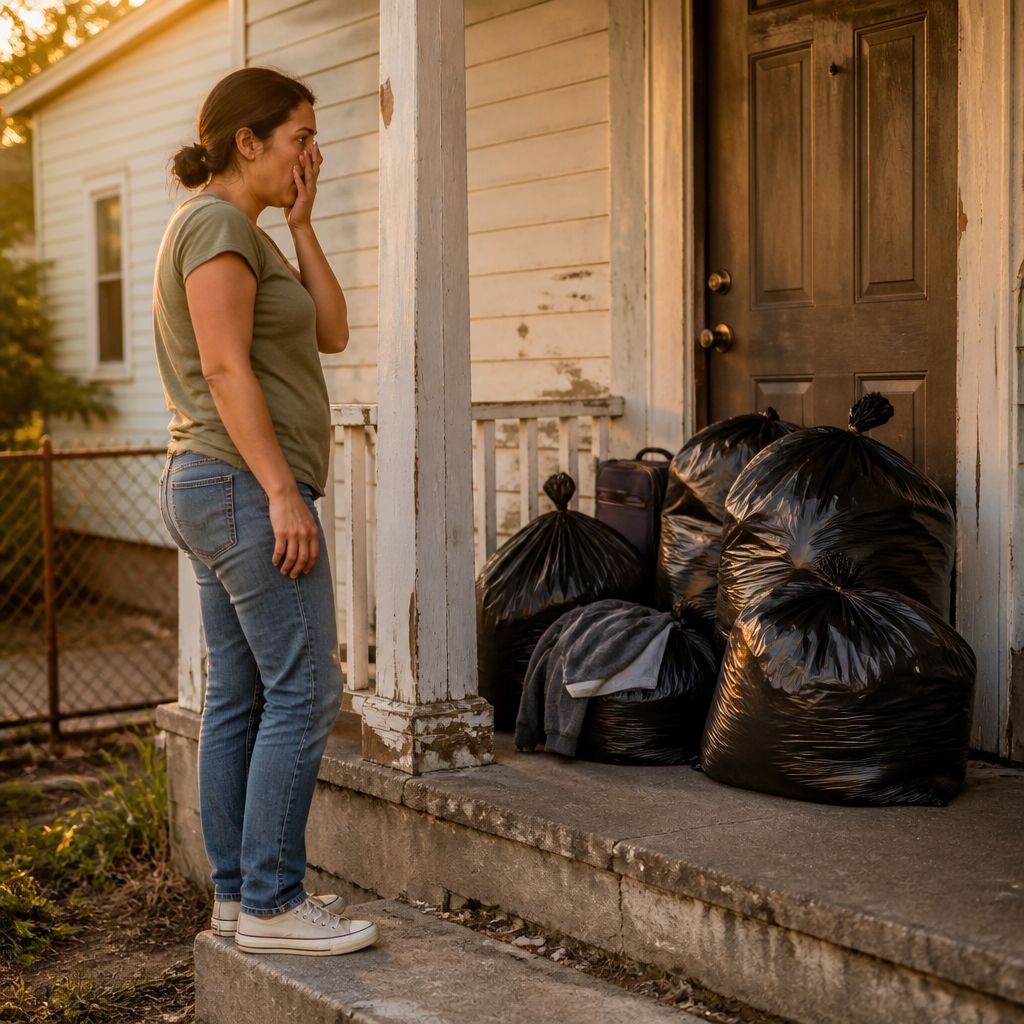
When I returned to the house later that day, a cold knot settled in my stomach before I even reached the door. I was dressed in a faded green t-shirt and worn jeans, carrying a bag of groceries that suddenly felt heavy.
The lock on the front door wouldn’t turn. I jiggled the key, then checked the porch—several of my belongings were stuffed into black trash bags, left haphazardly on the step. The scent of stale garbage mixed with the outdoor air and made my stomach churn.
It was clear someone had changed the locks while I was gone and dumped my things outside. An illegal eviction meant to scare me off the estate.
I stood frozen, unsure what to do next or where I could go. The family’s fight was escalating beyond courtrooms and words.
My Lawyer’s Calm Advice
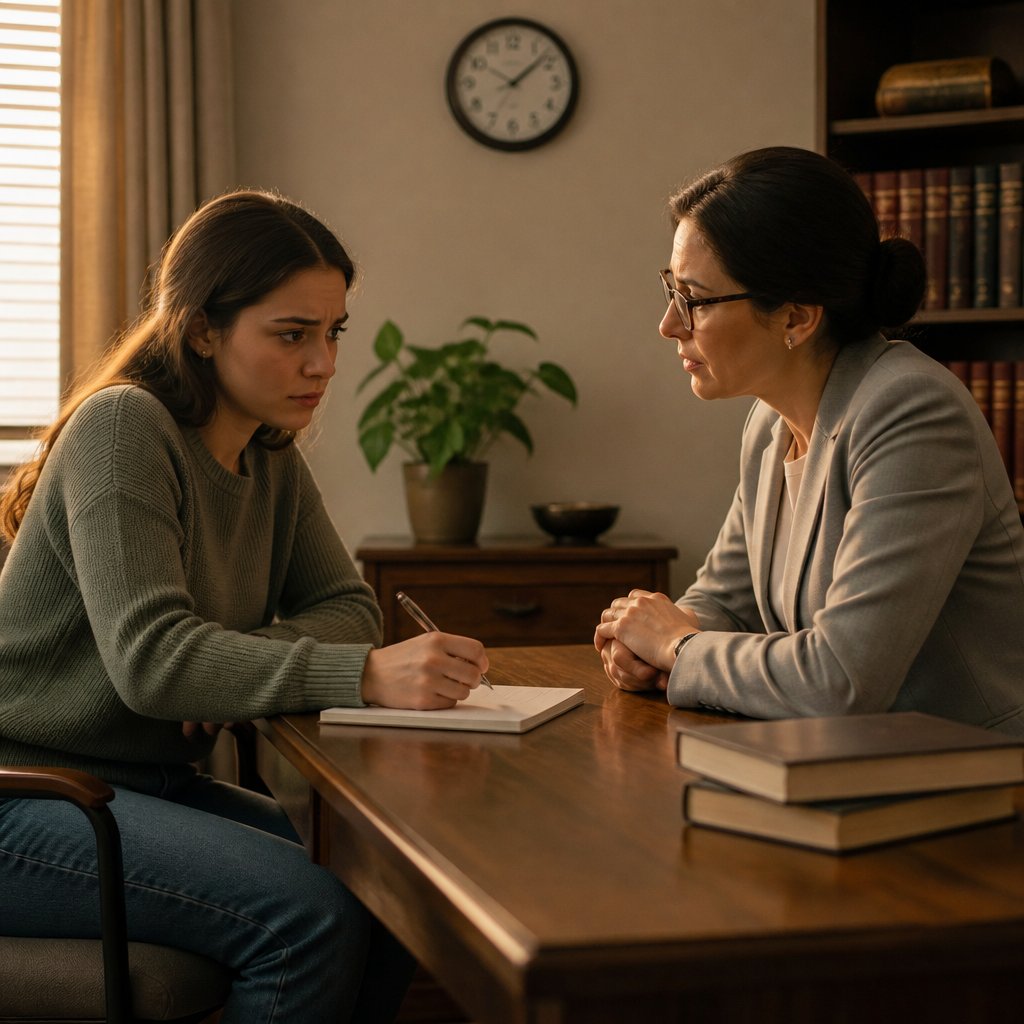
I sat across from my lawyer in the cramped office, the ticking wall clock marking every strained second. She told me to document everything I could—every conversation, every letter, every odd silence. Stay calm, she said, but it felt impossible. The family’s legal team was flooding the courts with motions. Delay was their weapon, and I could only watch as the system seemed to reward whoever could stall the longest.
Her words made sense, but the knot in my stomach grew tighter. I went home clutching a notepad, determined to write down every detail before the stress scrambled my memory. Still, the quiet walls of my apartment felt heavier, as if the pressure was closing in on me.
As I scribbled, a thought nagged at me: How long could I keep this up? The fight was draining, and the stakes were only getting higher.
Emergency Petition Blocks The Box
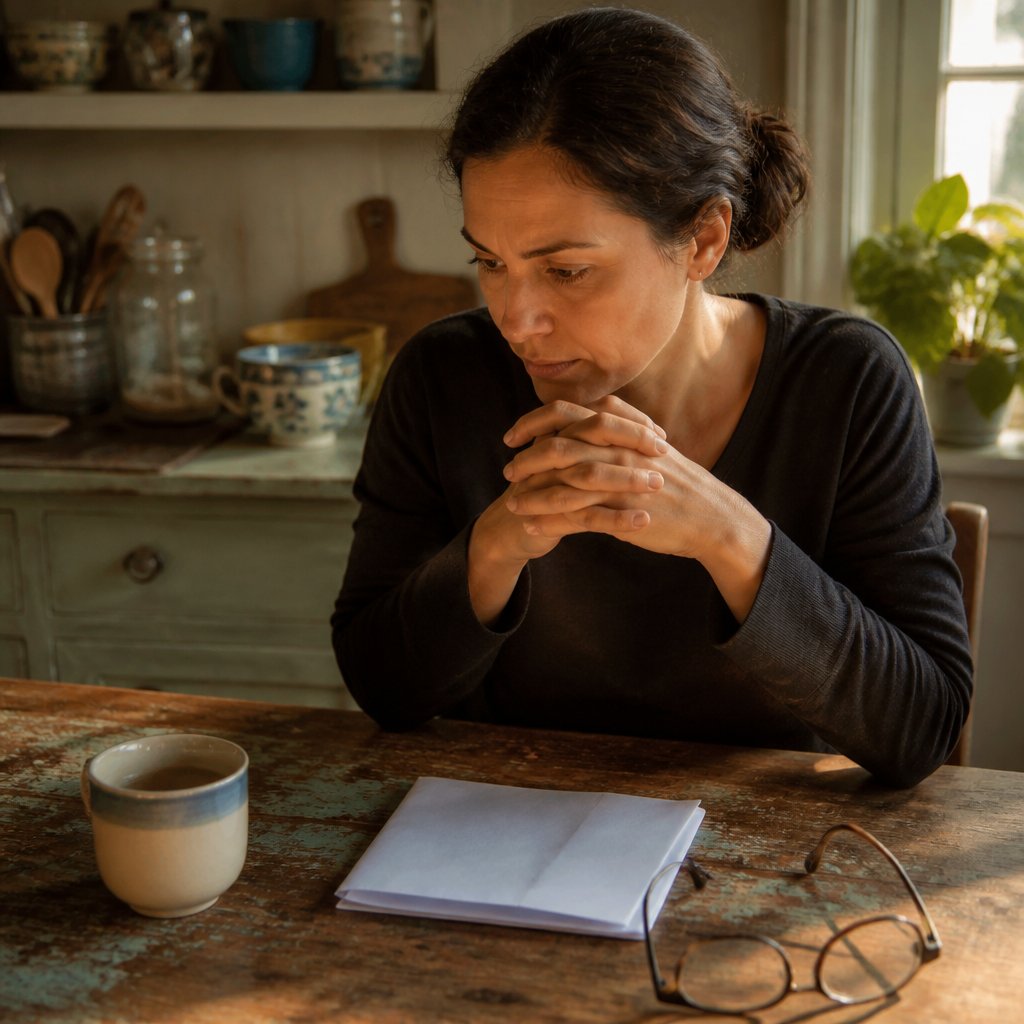
Days later, my lawyer called with news that hit like a blow. The family’s lawyers had filed an emergency petition to freeze the safe-deposit box—Box 118—on claims of “undue influence” and “financial abuse.” Their target was clear: the one item the will marked as mine.
I felt a cold ache as I pictured that locked box, the one piece of my inheritance I could hold onto fading further away. It was as if someone had drawn a line, telling me to stop before I even got close.
I tried to shake off the helplessness. This wasn’t just legal maneuvering—it was a battle over a man’s last wishes. And now, the fight had become vicious and personal.
Bank Manager Won’t Meet Eyes
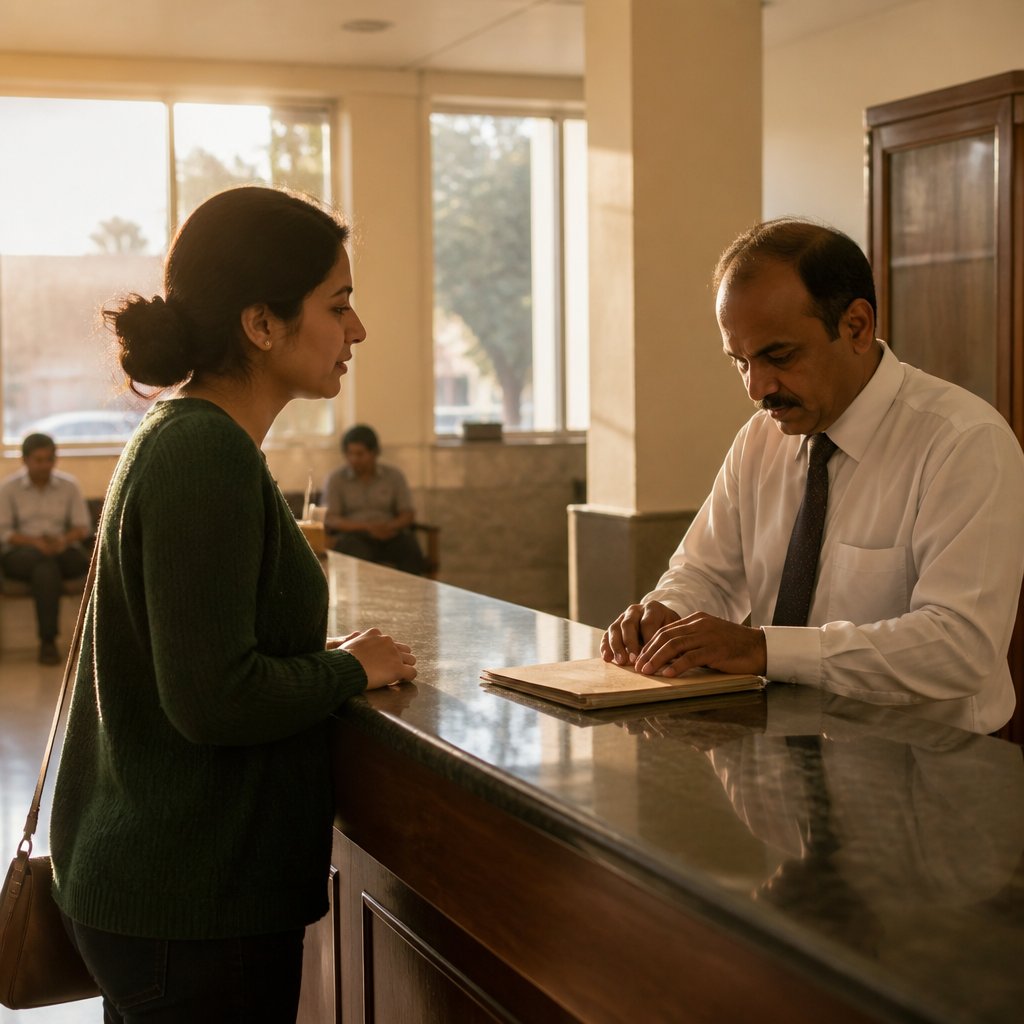
I stood in the bank’s small, nondescript branch, clutching my ID and the will’s copy. The manager greeted me quietly but avoided looking me in the eye. When I asked about Box 118, his voice dropped low. “It’s flagged,” he said, as if that explained everything.
That word—flagged—felt like a slap. Someone had gotten to the bank first. The box was sealed tight, just as the family’s lawyers had said, but the absence of any official notice to me was unsettling.
I glanced around. Other customers chatted or tapped on their phones, unaware of the invisible barriers closing in on me. The manager’s eyes flickered away again as I pressed for more details, then muttered something about procedures and legal holds.
It was clear: The fight wasn’t just in the courtroom; it was right here, in places I needed access to.
A Note From A Neighbor
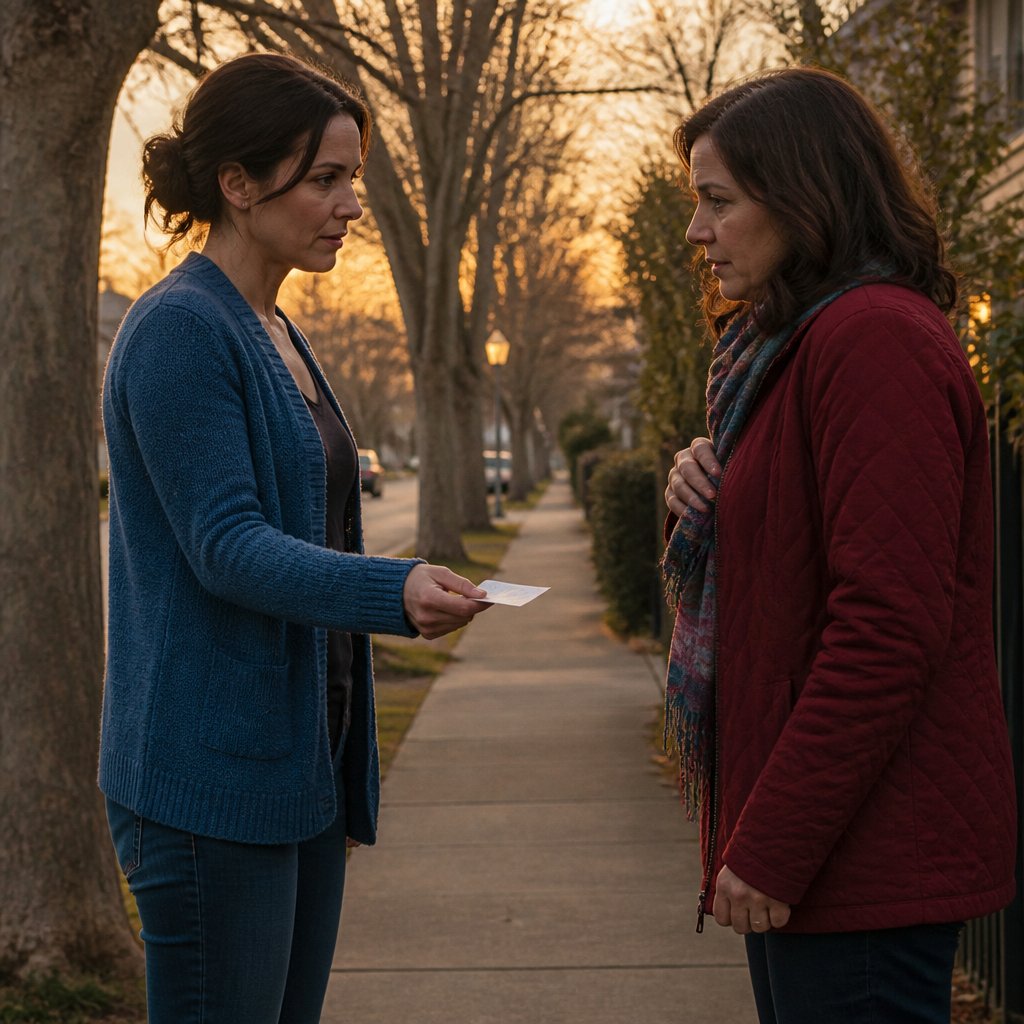
One evening, as I came back from the grocery store, a neighbor I barely knew slipped a folded piece of paper into my hand. Her fingers trembled slightly, and she glanced around nervously before stepping back.
Inside was a quick note: the oldest son had been in the house after midnight the week his father died. It was brief but heavy with meaning. I thought of the late hours, the quiet house supposed to be mourning, and wondered what the son had been doing there so late.
The note implied more than grief. It hinted at cleanup, erasure, or something else hidden in the dark hours. A chill ran down my spine thinking about secrets kept behind closed doors.
I folded the note carefully and stared at it long after the neighbor had disappeared down the street.
The Brown Envelope’s Hidden Message
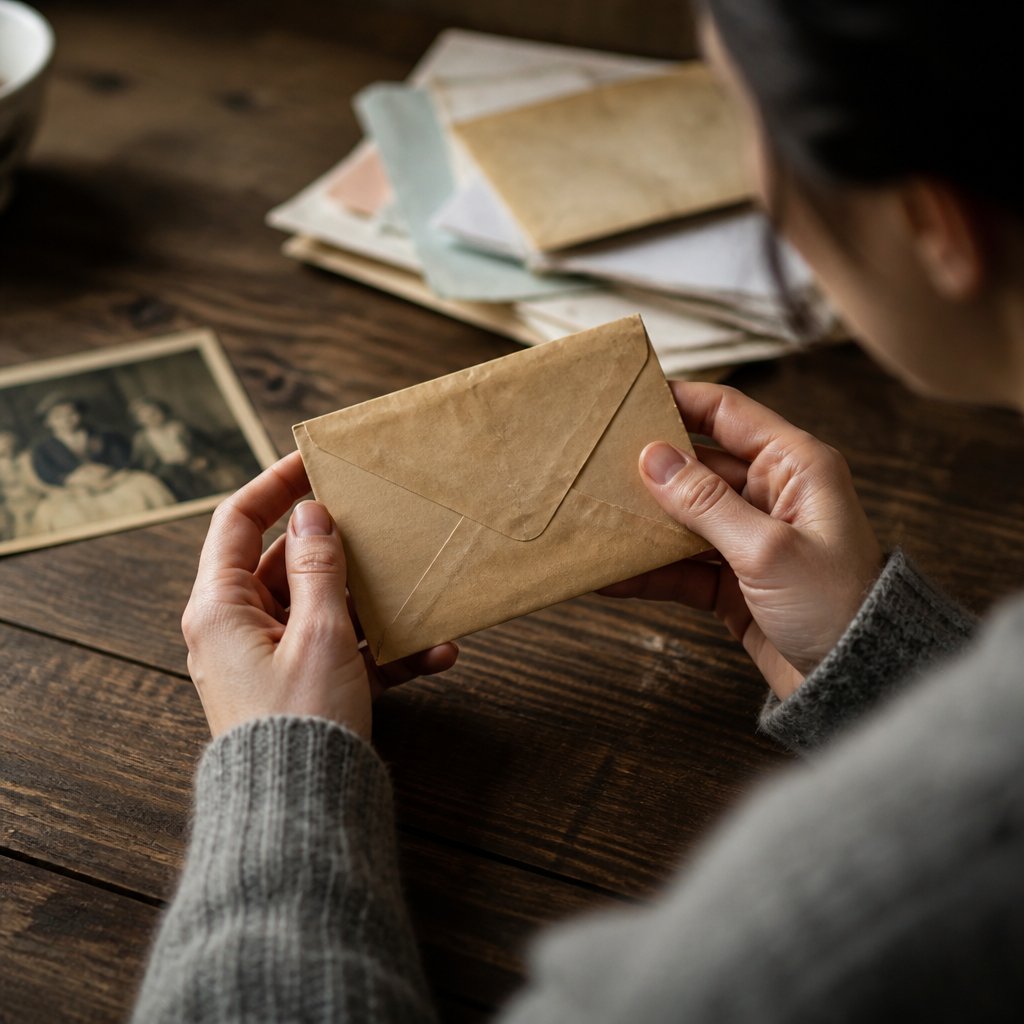
In the days before the funeral, the man had handed me a small, worn brown envelope. “Not in this house,” he said quietly, almost like a warning or a secret instruction. I’d tucked it away without opening it, unsure if I was ready for whatever was inside.
Now that the family was fighting me, I understood why he’d hidden it outside his home. He must have expected them to search the house after he was gone, and he wanted that envelope to stay safe and unseen.
That thought clung to me. What was in the envelope that required such care? Something important enough to challenge the will, or maybe the truth itself.
The brown paper looked ordinary, but it felt like a fuse waiting to be lit.
The Envelope In Storage
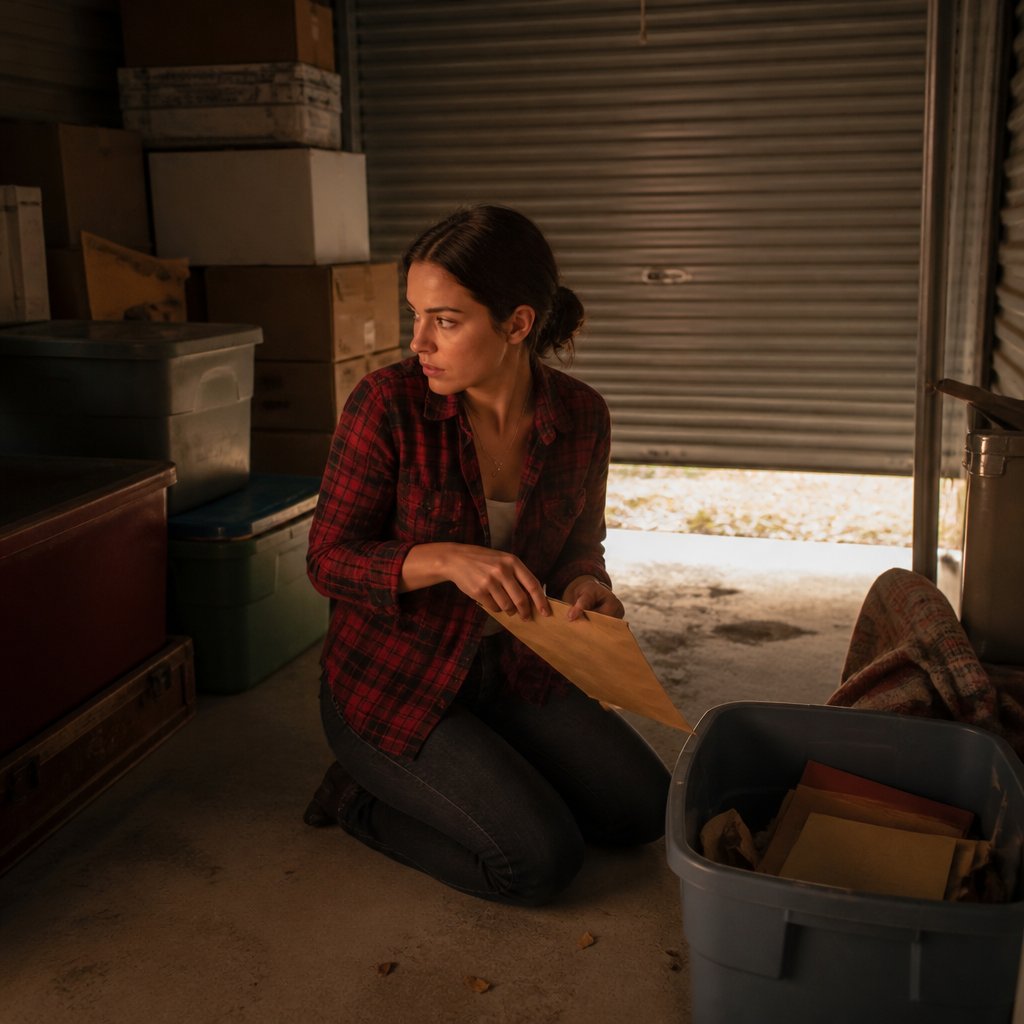
I dug through the clutter of my storage unit, boxes piled high and dust coating forgotten things. Near the back, beneath worn blankets, I found the brown envelope exactly as I’d left it: unopened, marked in faint handwriting with “FOR AFTER.”
Holding it, I felt the weight of all the time that had passed—the years of waiting, the quiet hope that I’d find some clarity. The envelope was like a fuse I’d been carrying without realizing it, ready to spark something.
My fingers trembled as I carefully slid it open. Whatever was inside would change everything or maybe answer questions I didn’t yet know how to ask.
But before I could pull out what was inside, a noise startled me outside the unit.
Canceled Checks Tell A Story
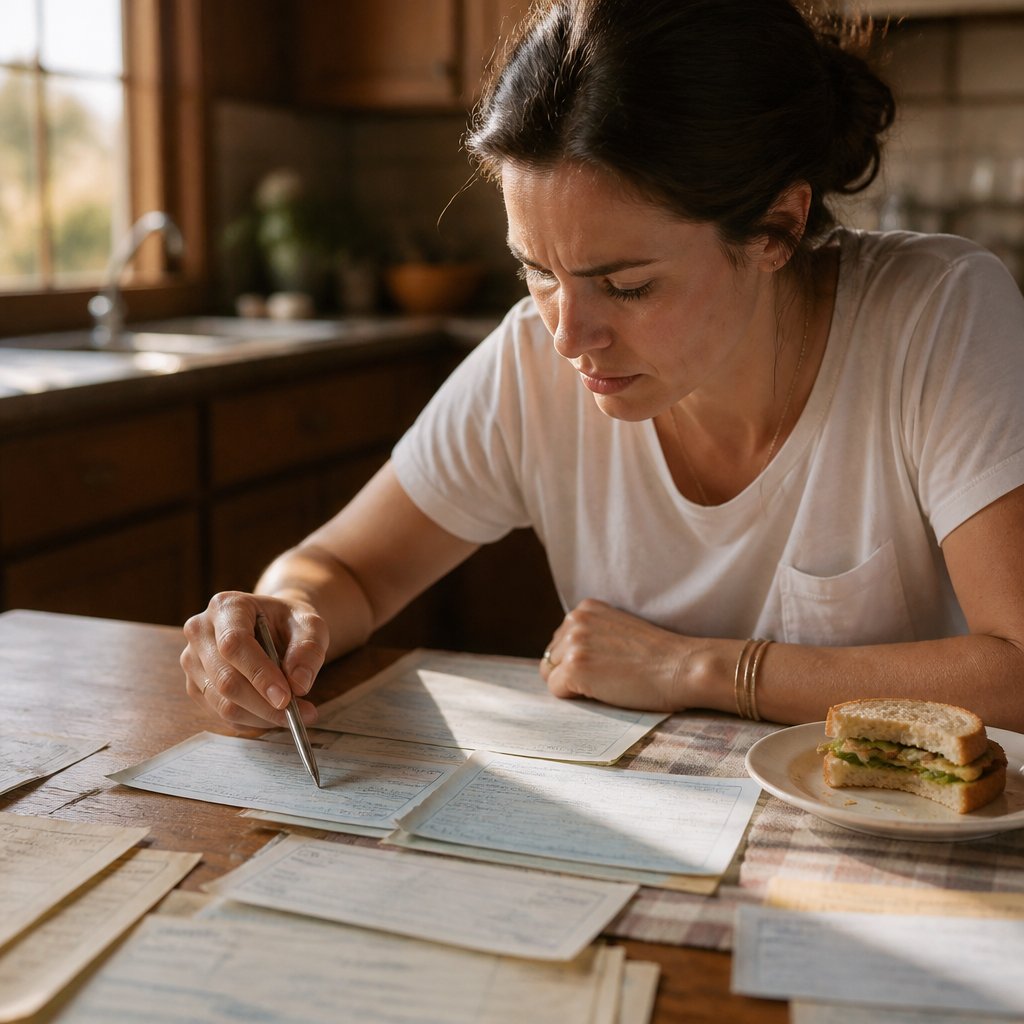
Inside the envelope, there were several canceled checks made out to the family business. What caught my eye were the handwritten memos—notes that didn’t align with anything the children had claimed publicly.
The checks spoke to hidden money movement, payments and transfers that suggested a different story than the one the family was telling. It was proof that the finances had been more complicated, and maybe less clean, than anyone was admitting.
I spread the checks out on my kitchen table, the faded ink and stamps dull under the fluorescent light. The pattern was there, clear enough to mean something important.
But I still didn’t understand all of it. Someone had to explain why these payments hadn’t been disclosed—and what the man had wanted me to see.
The Handwritten Note’s Puzzle

Among the papers was a small, folded note in the man’s handwriting. It said, “If they tell you I wasn’t myself, show them the calendar.” The words hit me hard, like a key to a locked door.
He seemed to anticipate accusations about his mental state—claims the family had already begun to whisper. The note pointed to a calendar, something that could prove he was lucid and aware during those last months.
But the calendar was missing. I had no idea where it was or if it even still existed. Without it, the note was a riddle with no answer.
The weight of that absence pressed down on me. What else had been erased or hidden?
The Missing Wall Calendar
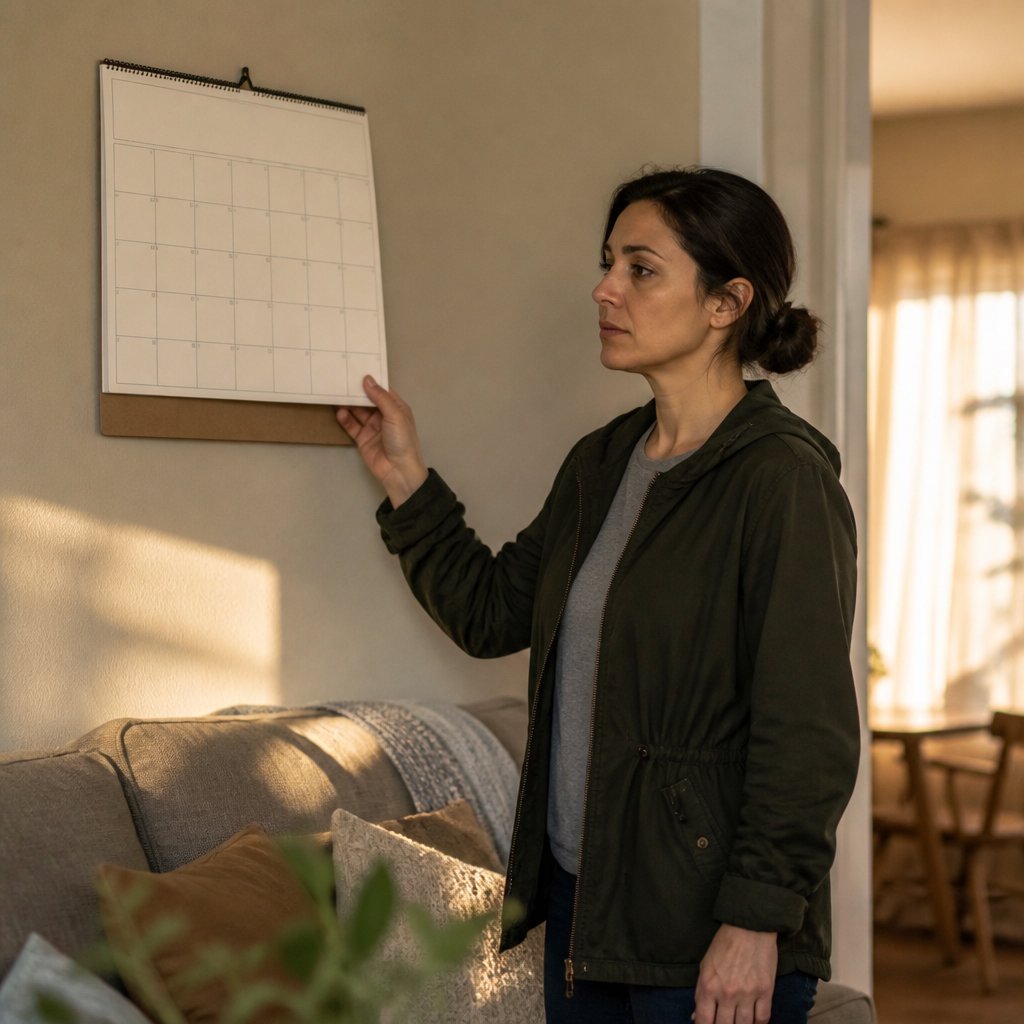
I went back to the house where he’d spent his last months, hoping to find the calendar the note mentioned. But the old wall calendar was gone, replaced by a stark, blank one that looked like it had been hung recently.
The fresh calendar felt like a whitewash—someone was actively erasing his timeline, rewriting the story of his capacity and decisions. It was a chilling sign that the family was moving fast to reshape the narrative.
I ran my fingers over the blank page, trying to imagine where the original calendar had gone, and why it mattered so much.
The absence of that record was like a missing piece in a puzzle I was desperate to solve.
The Accusation That Flipped Everything
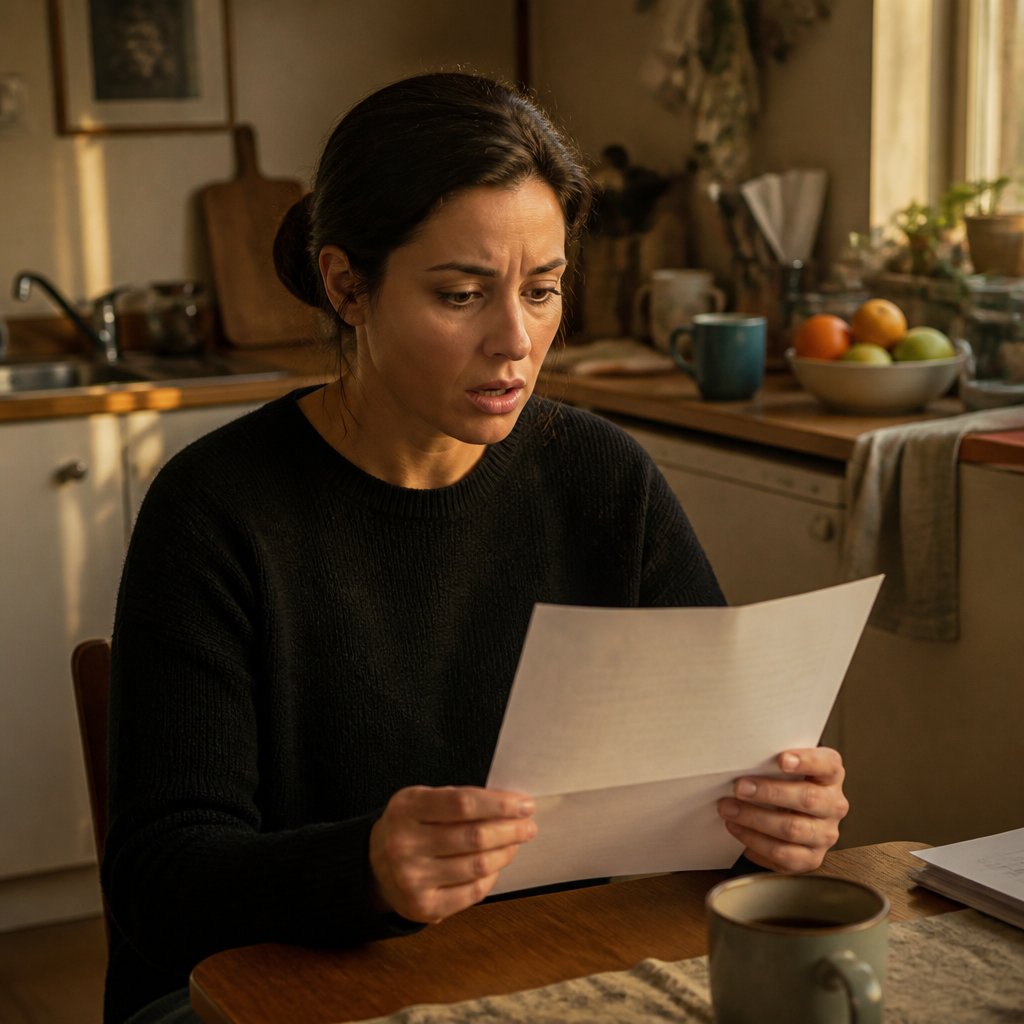
After my lawyer subpoenaed business records to prove my case, their attorney responded with a shocking counterattack. They accused me of theft and demanded the immediate return of “company property.”
It was a swift reversal—my claim to the inheritance was being reframed as a crime. Suddenly, I wasn’t just fighting to prove the will’s validity; I had to defend myself against accusations that threatened my reputation and freedom.
The letter arrived on a plain envelope, but the words inside carried the weight of a full-scale assault. I sat at my kitchen table, the paper trembling in my hands as I faced the reality of the fight ahead.
It wasn’t just about money anymore. It was about survival.
An Official Call Turned Cold
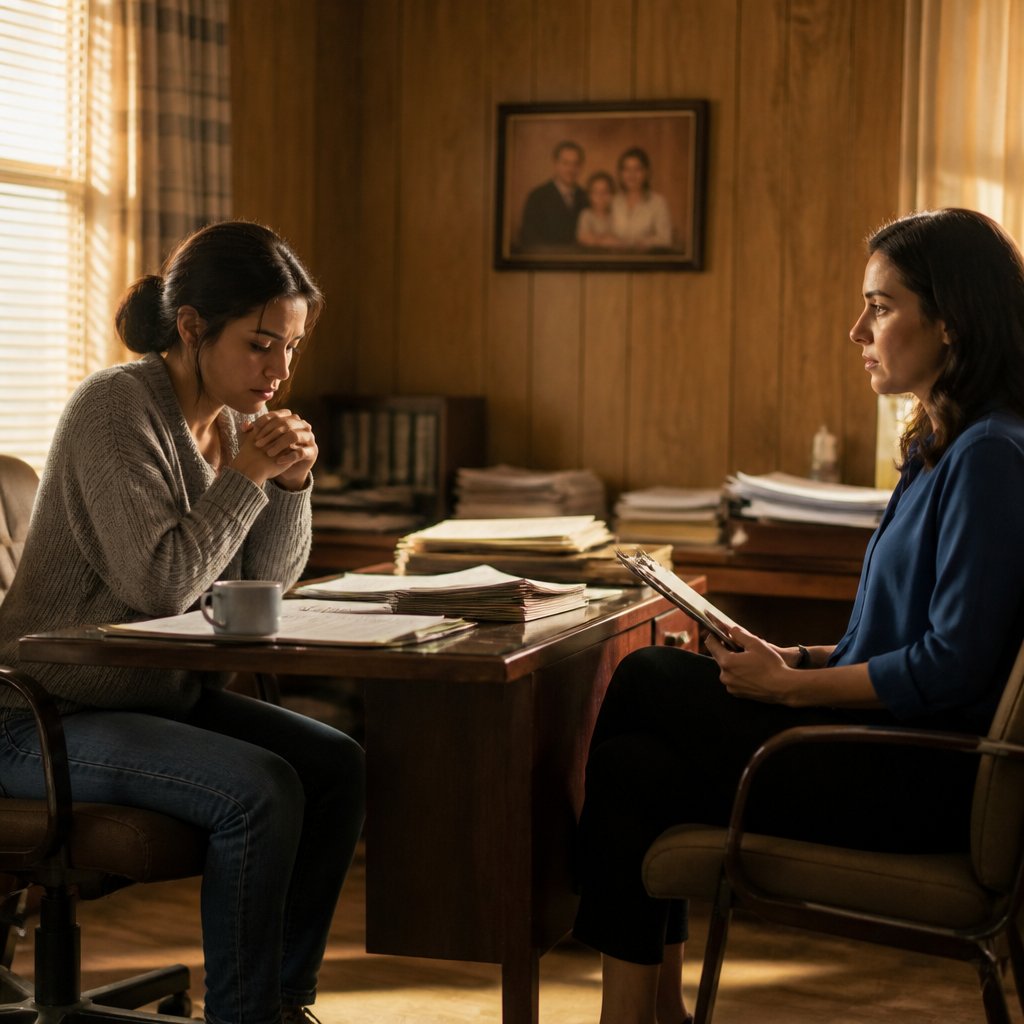
About a week after I found new papers tucked behind dusty photo frames in his study, Adult Protective Services showed up with a call that changed the whole game. They said there was a report that I isolated him, controlled his phone, and pushed him around. It felt like the air in the room got thicker as they listed accusations that didn’t fit. The social worker’s voice was calm but firm; she spoke as if reading from a script, not from what she’d witnessed. I tried explaining how I was there to help, that he kept his own social calendar and phone calls mostly. Still, the suspicion hung thick in the room.
The family had been quiet until now, but this call felt like something sharp aimed straight at me. I could practically hear their voices behind the scenes, cheering this up as a weapon against my claim. The smell of old paper and the faint floral perfume he liked lingered in his study as I sat, hands clenched around a chipped ceramic mug, trying to steady my racing thoughts. It was the first time legal and official forces seemed to line up against me so clearly. I realized now the fight wasn’t just about money or keys—it was about my very integrity.
Outside, the city hummed along, oblivious to the small storm brewing inside this quiet office. I knew this was no mistake or misunderstanding—it was a planned attack to discredit me before I could show what was truly in that will. I had to find a way to fight back, but how?
The Date On The Report Shifted

The next visit from APS felt quieter but no less tense. The social worker pulled me aside, voice low and careful. She mentioned the report’s filing date was the day after the will was signed—not when he was near death, as I’d thought. It hit me like a punch. This wasn’t some random concern about his late condition; someone had planned this long before he passed.
We sat in a narrow hallway outside the main office, the sterile smell of cleaning supplies heavy in the air. I could hear muffled voices from distant rooms. I traced the edge of a folded pamphlet with my fingertip, my heart thumping. Why file a complaint to tarnish my name right after the will? It was calculated, deliberate. This wasn’t just an attack on me—it was a setup to undo what he had decided, and it was timed perfectly to discredit any evidence I might find.
The social worker’s eyes softened slightly as she said she had no choice but to pass the report along. But the way she lingered, almost sympathetic, told me she knew this was more than just a case of concern. I walked away feeling the weight of a new enemy I hadn’t noticed before: time and timing.
A Notebook Logged Silent Calls
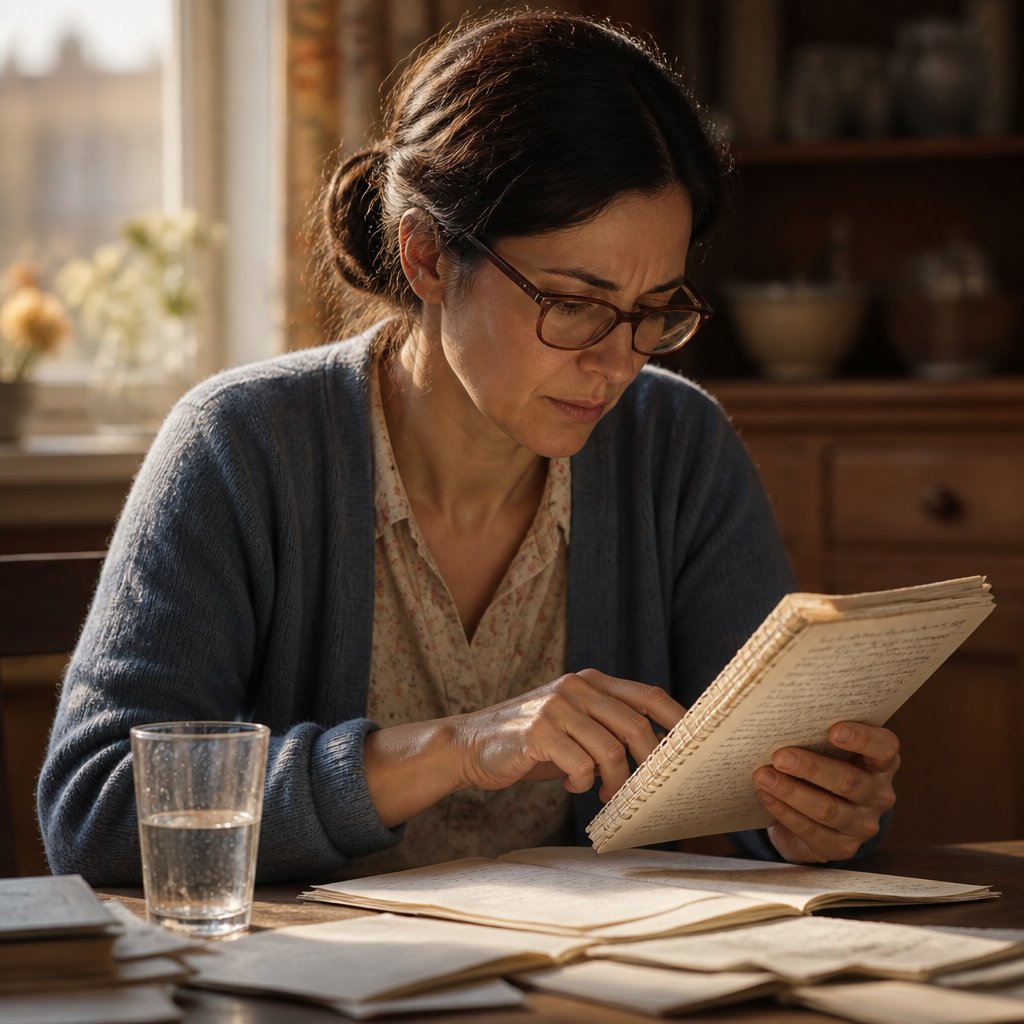
Back at his house, I searched through drawers and old shelves, fingers grazing worn pages until I found a spiral notebook tucked inside a locked desk drawer. The handwriting was unmistakably his—slanted, precise, with corrections in the margins. It was a log of phone calls, but what caught my eye was a series of unanswered calls to his son. Each entry was dated, with brief notes like "no answer" or "voicemail full." At the very end, a scrawled note: "the box has the proof."
The house smelled faintly of dust and old leather as I flipped the pages, the spiral wire scratched softly against my nails. This notebook changed everything. It wasn’t just some money dispute—it hinted at secrets, hidden evidence that might finally explain why the box mattered so much. I sat back, heart heavy but burning with a new purpose. If the box truly held proof, I needed to get to it before anyone else could silence the story it told.
But who was he protecting? And from what? The questions circled as I stared at that last note. The stakes just went far beyond the will.
A Cousin’s Friendly Visit Turns Cold
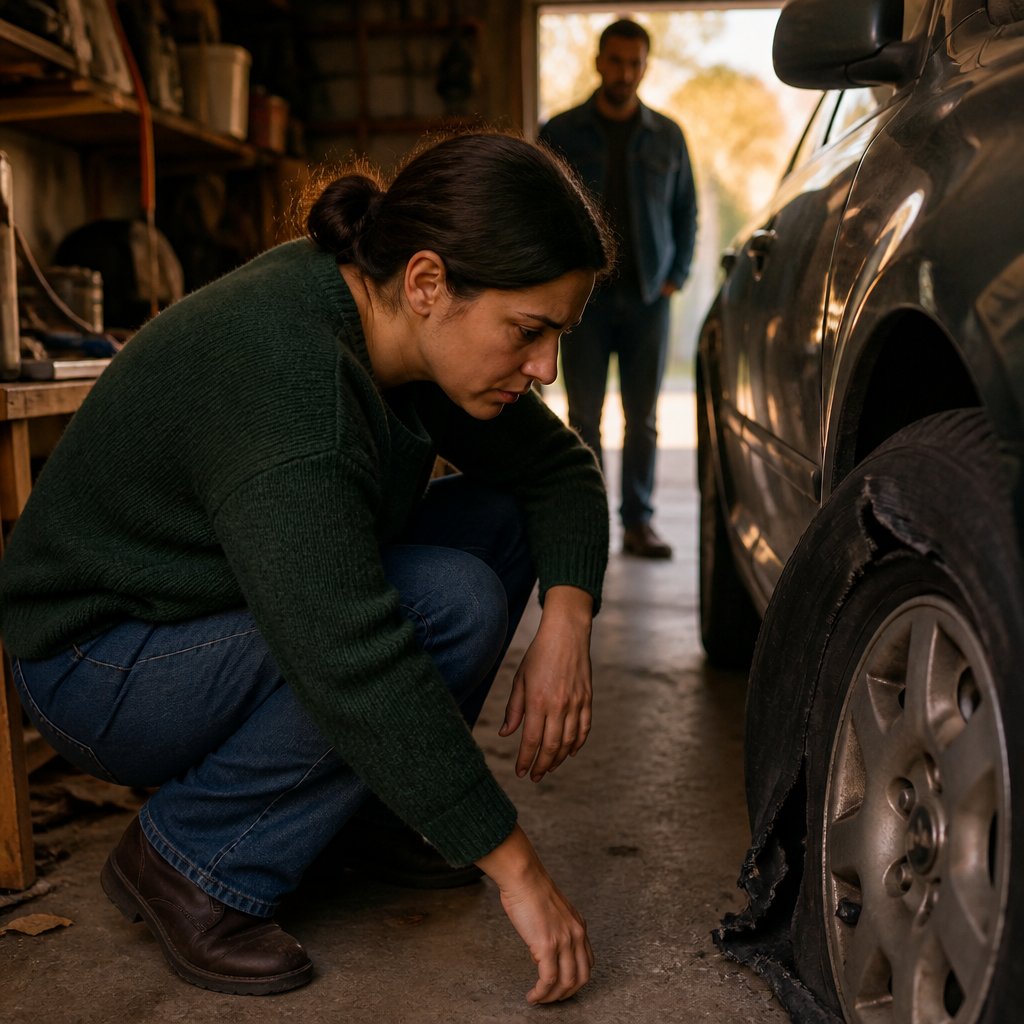
That afternoon, a cousin I barely knew showed up at my door. He wore a well-worn denim jacket and khakis, carrying a casual smile that didn’t reach his eyes. He asked very carefully about what I knew regarding Box 118, tossing in vague comments about family peace and the cost of conflict. His tone was too smooth, too practiced. I felt the room shrinking as suspicion crept in.
Later that night, as I parked my car in the garage, the soft crunch under my feet was wrong. Headlights glanced off shattered glass; my tires had been slashed. The smell of rubber burned faintly in the cool air. It was clear the 'peace' they’d mentioned was a threat masked in polite words. Someone wanted me to back off—and fast.
In my living room, the faint hum of the refrigerator was the only sound as I ran my fingers over the jagged rubber edges, mind racing. The quiet cruelty told me I wasn’t just facing a family dispute anymore. I was up against something darker, and the friendly cousin’s visit was just the first move.