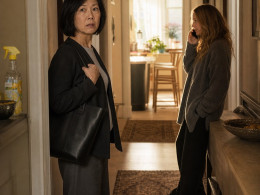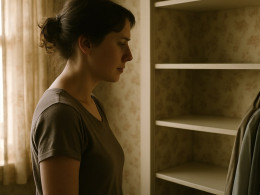




Bright Bins And Bold Plans
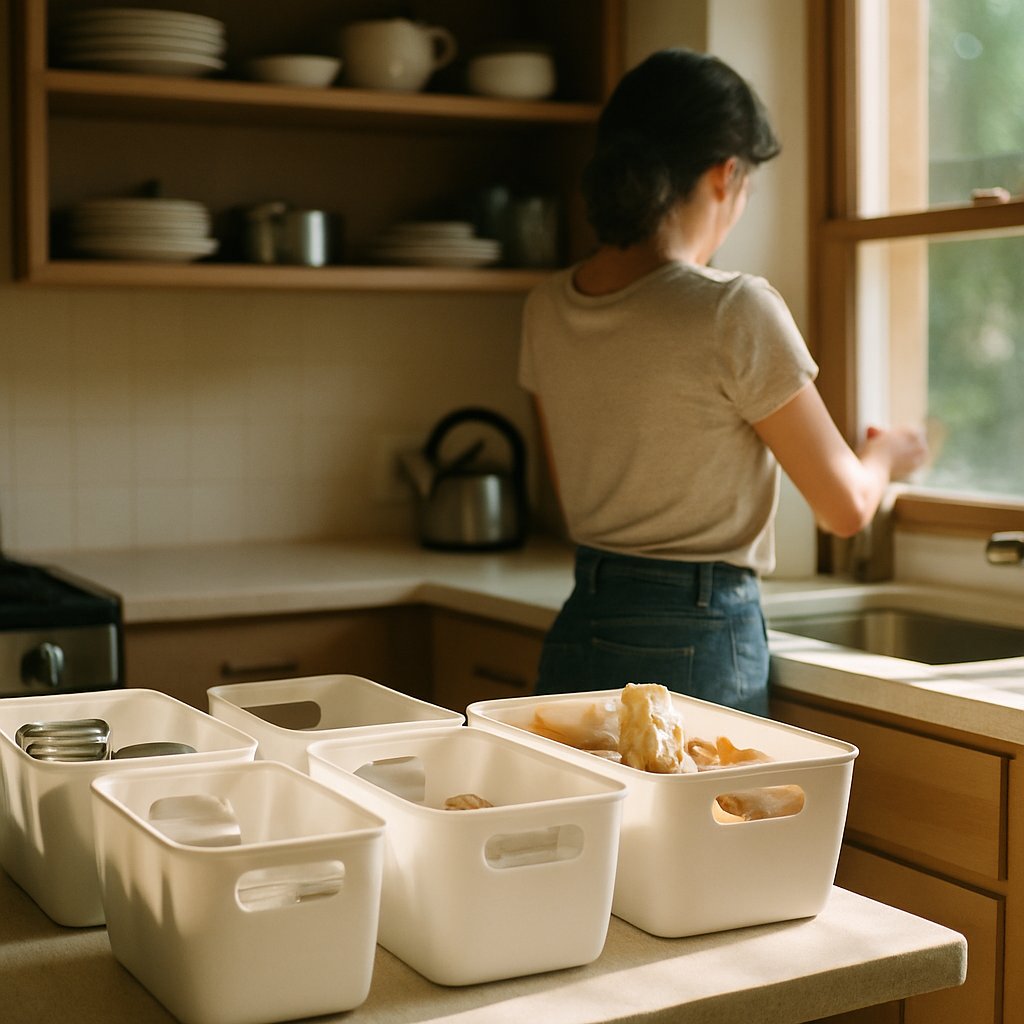
She arrived on a Thursday morning, carrying an armful of plastic bins, each labeled in sharp block letters. The sun streamed through the kitchen window, catching the too-bright smile she wore like a badge. "I thought I’d freshen up the kitchen before Sunday dinner," she said, setting down her boxes carefully on the counter. It wasn’t a question or a suggestion. It felt like a quiet announcement of control. I watched as she pulled out new dish towels and reorganized the spice rack, moving jars without a glance at the way they’d always been. Her presence filled the room differently, as if she was already in charge of a space that had never felt hers before. The faint scent of lemon cleaner mixed with the faint hum of the refrigerator. The kitchen felt smaller, or maybe it was just mine anymore. I still hadn’t figured out how to tell if I was watching this unfold or being pushed out of it.
The Table Moves Below
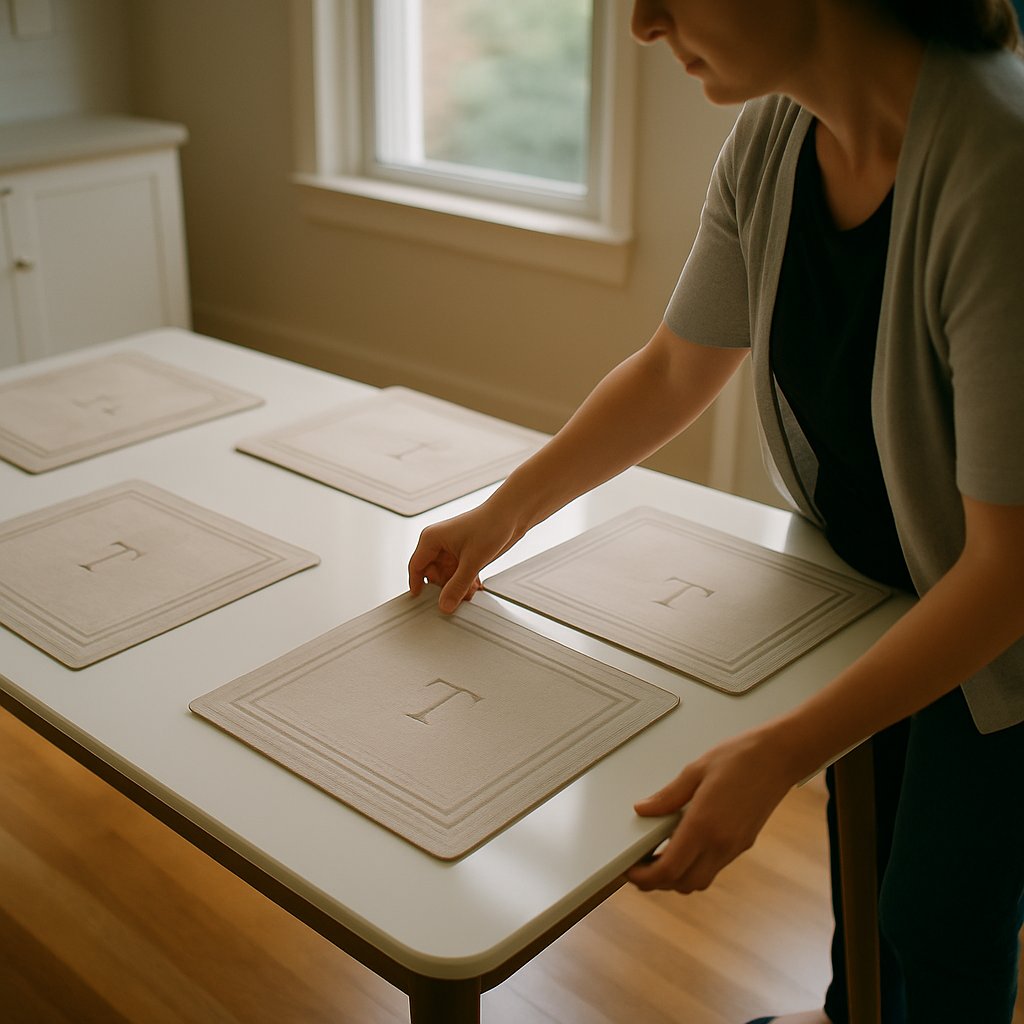
I came home to my mom’s kitchen table being carried down to the basement. The heavy wood made a dull thud against the steps as it disappeared from the main floor. "It’s just for now," she said, brushing past me without meeting my eyes. Then, in its place, a glossy new dining set sat perfectly arranged. The chairs had smooth curves, and each seat held a placemat monogrammed with her initials. I ran my hand over the cool surface, the plastic slipping beneath my fingers, so different from the worn grain of the old table. The scent of fresh lacquer mixed with stale air from the basement below. It was a small shift, but it felt like watching a chapter close on its own — a chapter where my mom’s memory held the kitchen’s center. I wanted to ask her why, but before I could, she already started pulling out new dishes from a box on the counter, as if this was how things had always been. The room didn’t feel like home anymore.
The Biscuit Tin Disappeared
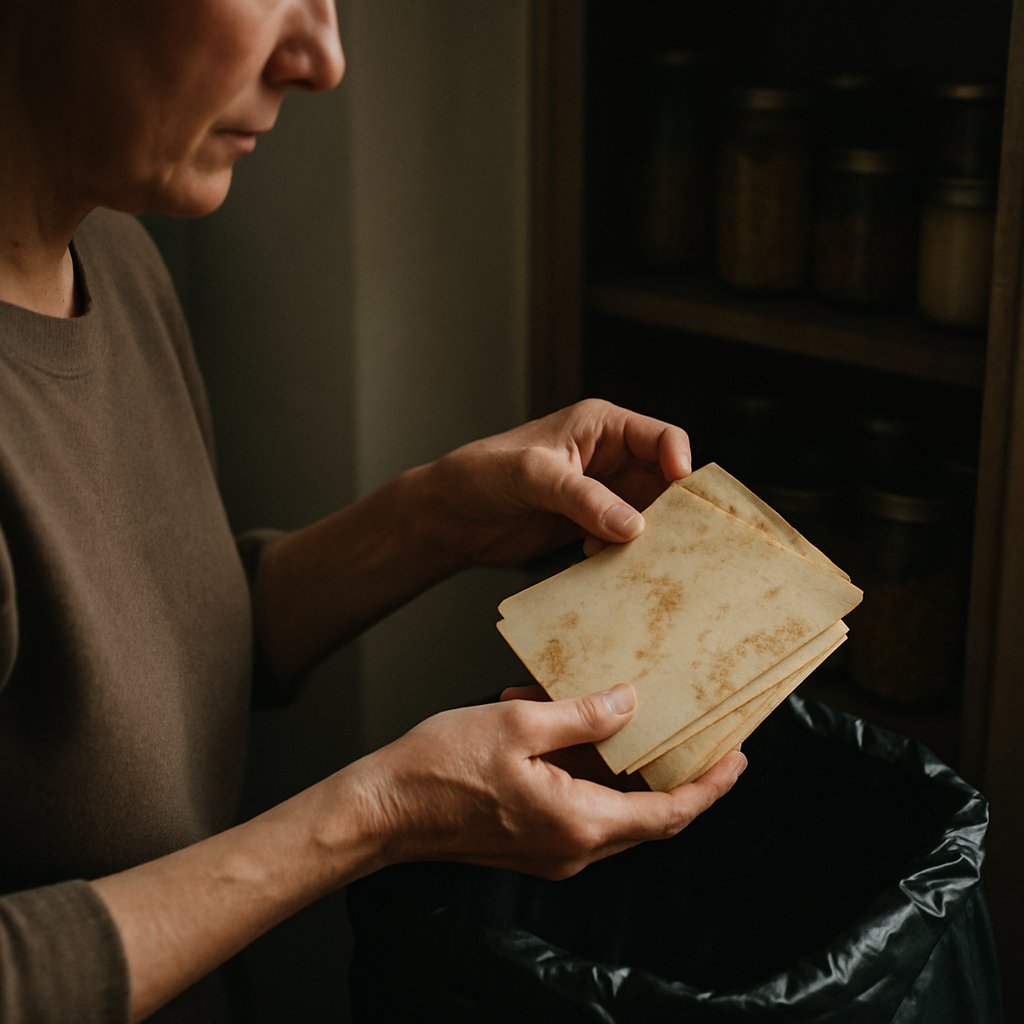
She said she was cleaning the pantry, and I stood aside watching. She pulled out a battered old biscuit tin, its faded floral pattern almost invisible under layers of dust. Without hesitation, she tossed it into the trash bag. Something made me linger near the bin before it was tied up and taken away. I asked, "What about the recipe cards? The ones mom wrote?" She shrugged, uninterested, then walked off. I dug through the bag, my fingers brushing against folded scraps of paper, yellowed with age and splattered with flour stains. Mom’s handwriting was right there on the cards—recipes passed down, moments captured in ink. But to her, they were just trash, like forgotten clutter. The stale air in the pantry mixed with the sharp sting of loss. I held the cards close, torn between anger and disbelief. It wasn’t just about cleaning; it was erasing. I wasn’t sure yet what to do with that realization.
Photos Vanish From The Hallway
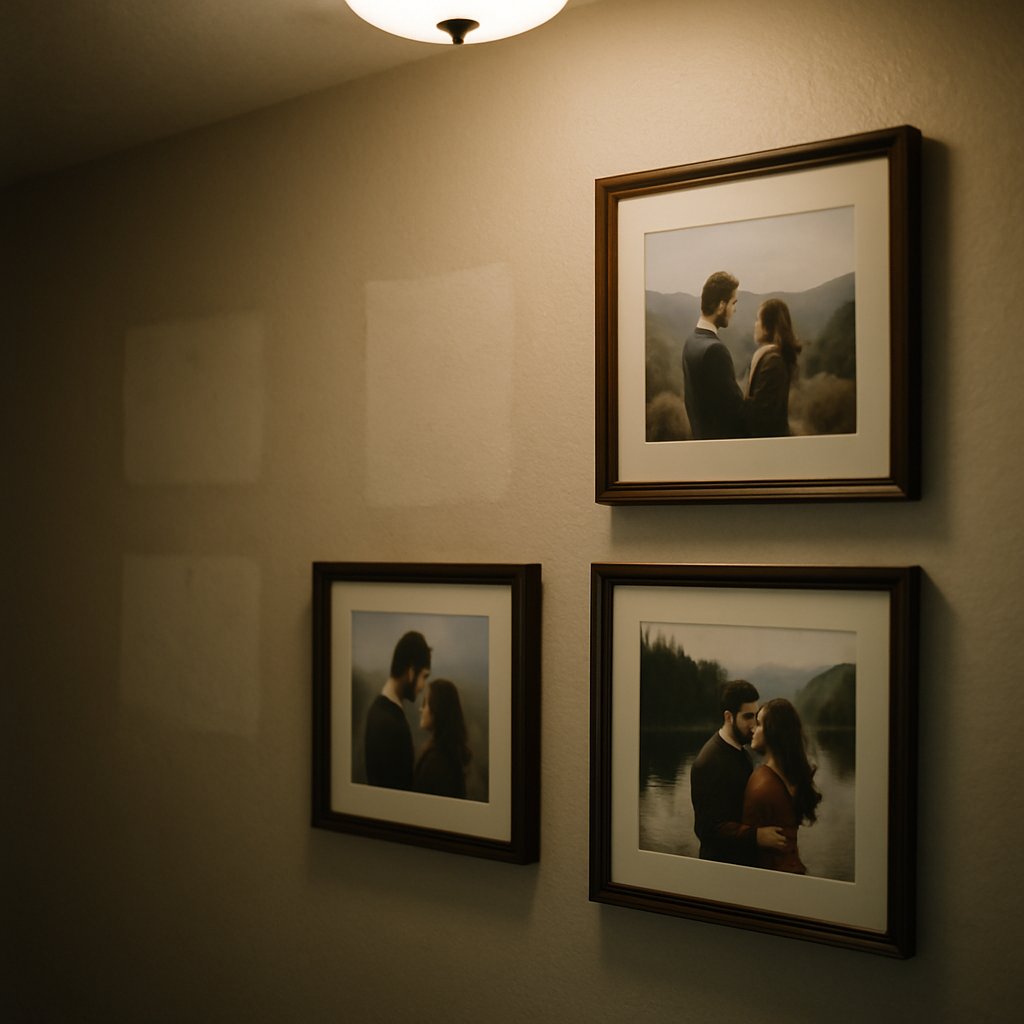
One evening I noticed the hallway wall was different. The familiar cluster of family photos — my mom smiling, me at school plays, grandparents visiting — had been taken down. Instead, framed pictures of just my dad and her in a place I didn’t recognize hung where they didn’t belong. The place looked like a weekend trip or a vacation spot, but I’d never heard of it. The frames were new, shiny, and expensive-looking, the glass reflecting the hallway light. The dull scent of old wood mixed with something fresh, like new picture frames or polish. I pressed my hand against the bare spots where photos used to be, the cold wall reminding me that someone had erased those moments carefully. Each missing image left a hollow where memories once lived. I wanted to ask my dad about it, but the words got stuck. The photos weren’t just rearranged. The history was being rewritten, and I wasn’t sure if it was deliberate or just a careless oversight.
The Chat Group That Excluded Me

One morning, my phone buzzed with a new group chat invite from her. The group was called "The Smiths" — her last name — and included my dad and her, but not me. I felt a strange knot in my stomach. Why was I left out? When I asked her about it later, she acted offended, as if I was overreacting to something so simple. "It’s just a family chat," she said, eyes narrowing slightly. "Of course you should join." I stared at the screen again, the muted light of the room catching the screen’s glow. Her name sat at the top, bold and uninvited. The air around me felt heavy, the faint hum of the fridge in the background suddenly oppressive. It wasn’t just a group chat; it felt like a closed door. But when I hesitated, she made it clear she was watching how I responded. I wasn’t sure what to say next or where this was headed.
Dad Skips Our Usual Breakfast
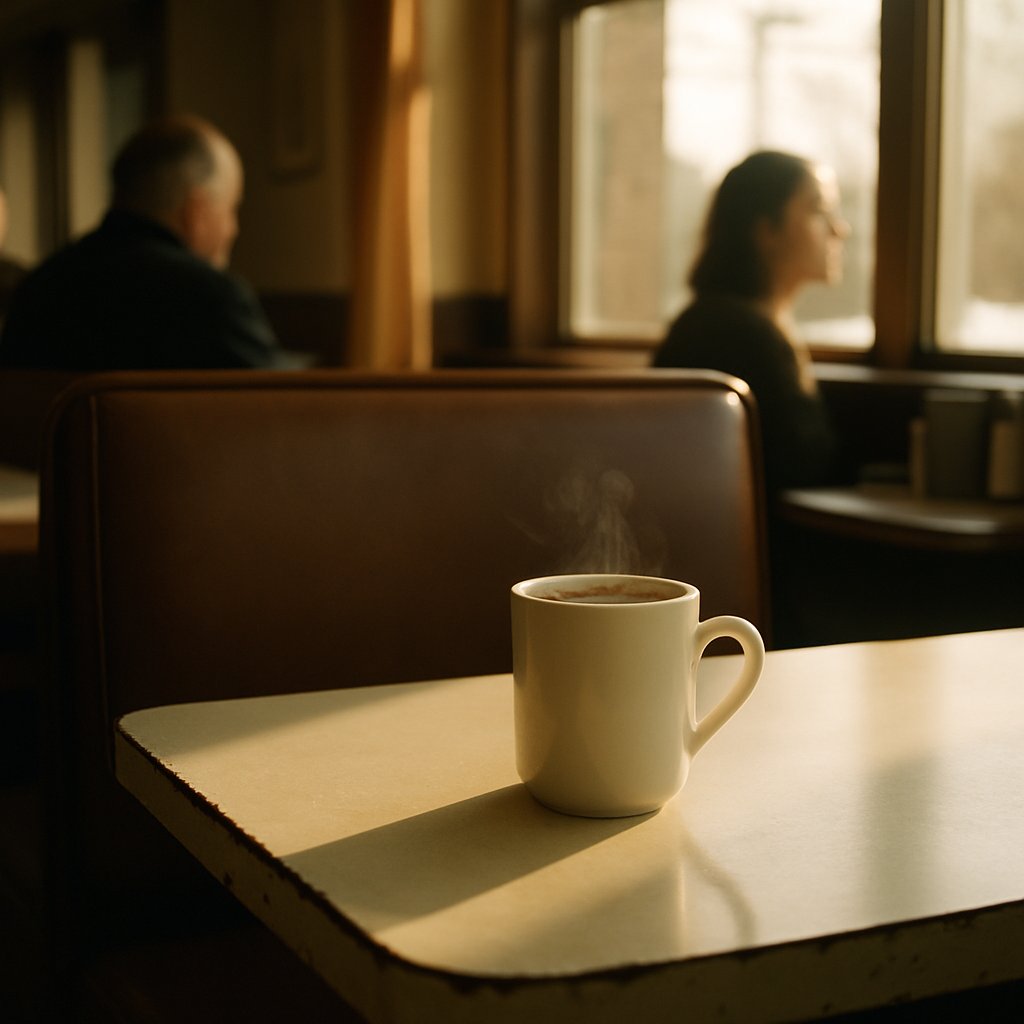
Dad used to never miss our Saturday morning diner breakfast. We’d sit in that faded booth by the window where the sunlight hit just right, him with his black coffee and me with a hot chocolate. But lately, his chair was empty. I started going alone, tracing the chipped paint on the table edge, watching the steam curl up from my cup. When he did show up, he looked tired—like he hadn’t slept. He didn’t make eye contact, his mind elsewhere. I wondered if he was avoiding me or if someone else was managing when and how he spent time with me. Was it just the stress of a new marriage and his job? Or was something else at play? The smell of frying bacon and syrup on pancakes felt colder without him there. One morning, I finally asked if something was wrong. He shrugged, gave a small, distant smile, and said he was just busy. But the way he said it didn’t reach his eyes. I couldn’t tell if he meant it or if he was repeating lines I’d heard her say before. That morning, the sun was brighter, but I felt like the warmth had left our routine—and maybe him too.
Mail Moves To A Locked Box
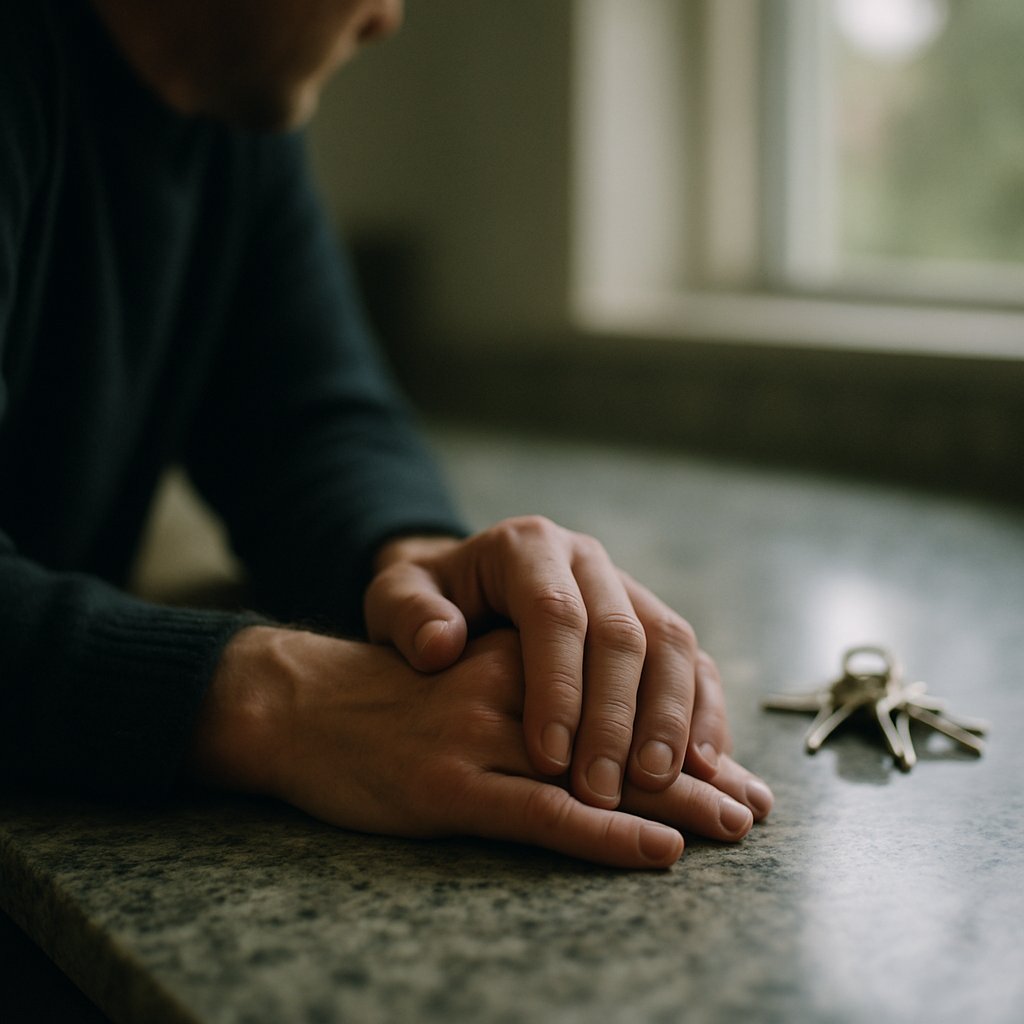
One day, I noticed the usual pile of mail wasn’t sitting on the kitchen counter when I came by. Instead, Dad’s mail was going to a small PO box down the street. When I asked her about it, she smiled and said she was helping Dad “stay organized.” I pressed for details, curious why Dad wouldn’t just get his mail at home anymore, but she brushed it off, saying it made things easier. I tried calling Dad directly, but she said it was better if I went through her now. There was a chill in the air that afternoon as I stood in the kitchen, hands resting on the cold granite countertop, the usual sound of letters sliding on the counter replaced by silence. It felt like the house itself was closing off, shrinking around me. Her keys jingled quietly as she moved through the house, and I realized she had more control than before. The thought made me uneasy — who was really getting these letters, and what was she hiding? The mail wasn’t just paper; it was information, connection, control.
Targeting Mom’s Cedar Chest
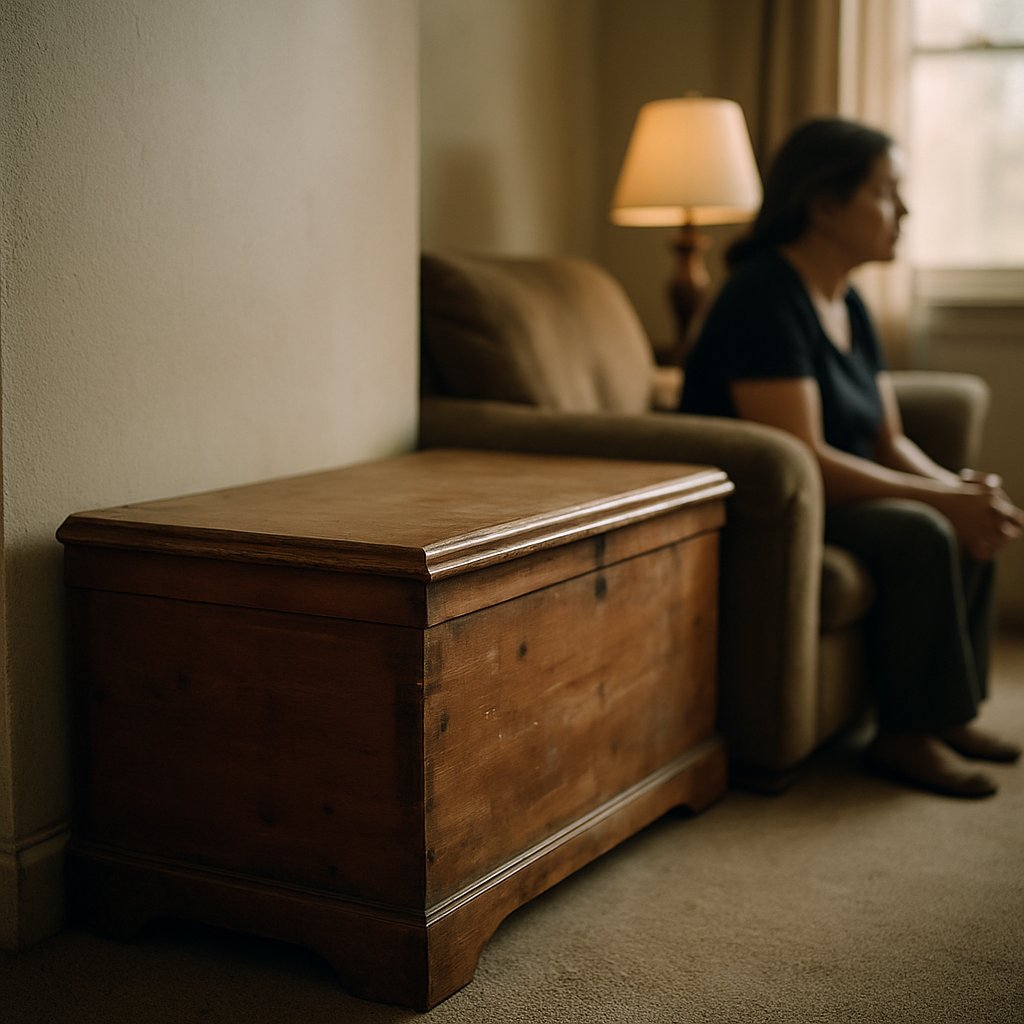
She started talking about "simplifying" the house, saying there was too much "old stuff" piling up. The first thing she singled out was Mom’s cedar chest, sitting solemn in the corner of the living room. It had been there forever, full of family keepsakes, winter scarves, and holiday decorations. One afternoon, I caught her circling the chest, measuring and poking at the wood finish like it was just junk to get rid of. The smell of cedar mixed with the faint scent of old perfume floated around the room. It felt like she was picking at a wound. I asked if she was really thinking of selling it off. She smiled thinly, saying it was just clutter, and we needed to make room for “new memories.” Her eyes flicked away quickly when I mentioned Mom, and for the first time, the chest didn’t feel like a piece of furniture—it was a symbol of the history she was trying to erase.
Contractor Card On The Counter

One morning, I found a contractor’s card lying on the kitchen counter next to a half-empty coffee mug. The card was plain, with a phone number and a logo I recognized but didn’t want to look closely at. It was the same contractor Mom had saved up for years to redo the kitchen. The smell of brewing coffee mixed with the faint, sweet scent of melting butter from the breakfast casserole still warm in the oven. It felt like a breadcrumb leading somewhere I didn’t want to go. She noticed me pick up the card and just said, "We’re looking into some estimates. Nothing set yet." But her eyes didn’t lie. I felt like the house was being rewritten, room by room, and this card was a small but glaring sign. I wondered if Mom’s dreams were being quietly erased along with the old floor plans taped to the fridge. This wasn’t just about fixing up the house anymore—it was about changing its story.
Estate Papers Filled With Notes
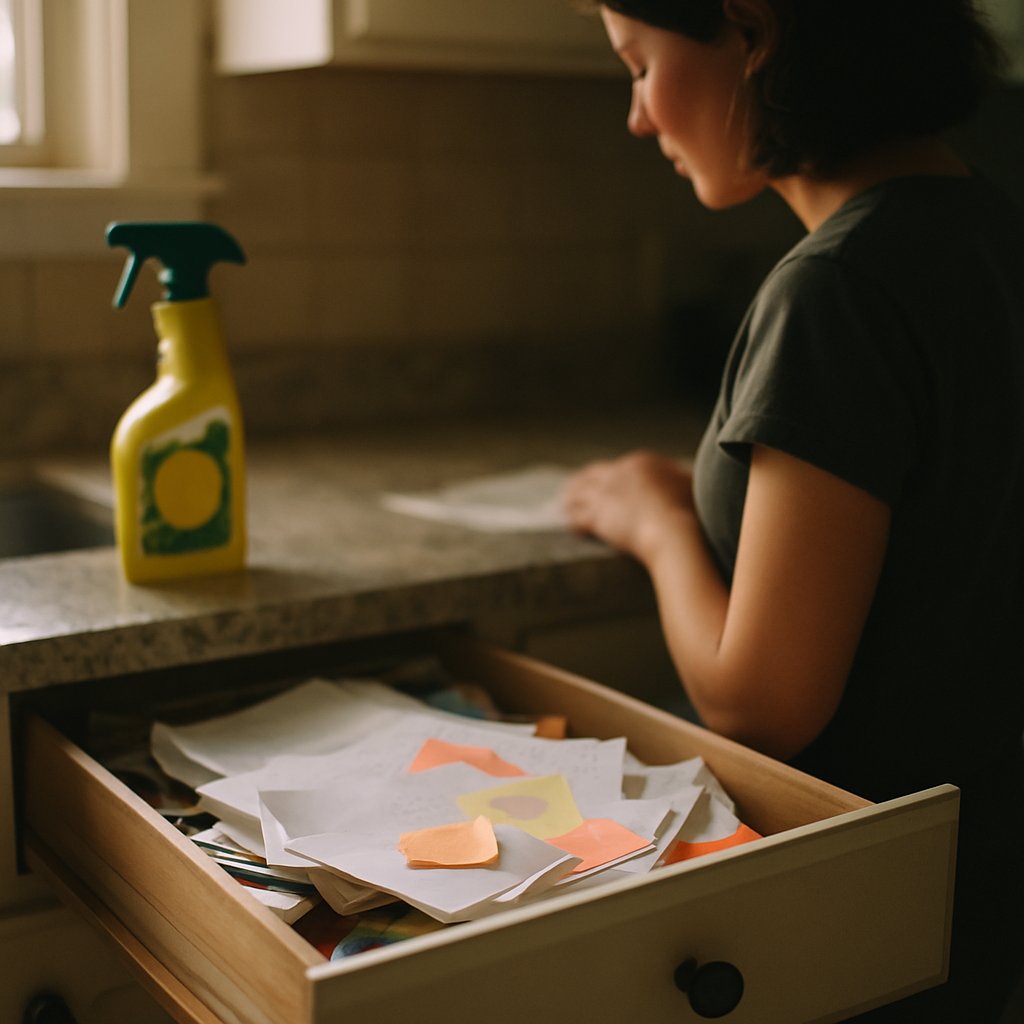
I opened the kitchen junk drawer, the one Mom used to keep her recipes and old receipts, but instead I found a stack of estate-planning forms. They weren’t neatly stacked; they were covered in my stepmom’s handwriting on sticky notes. ‘Sign here,’ ‘Initial here,’ and circled checkboxes in bright pink and yellow. It looked like she was running some kind of quiet transaction right under my nose. None of this had been discussed with me or Dad—just these papers, waiting silently amidst the mess of takeout menus and drawer clutter.
The drawer smelled faintly of lemon cleaner, but beneath that I could almost taste the tension, like the scent of something being erased, rewritten. My fingers brushed over a folder half-buried that felt too official to ignore. It was like stepping into Mom’s life and finding someone else already rewriting her story without a word to me.
How much was actually signed? What had she already done? And did Dad even know? The questions circled, but the papers just sat there, waiting for my next move.
Blocked From Taking Jewelry Box

I reached for Mom’s jewelry box on the bedroom dresser, hoping to keep it safe somewhere else. The box was old wood with a cracked glass lid, the kind Mom always kept by the window so the sunlight made the gems sparkle. But before I could even lift it, the door creaked shut behind me.
She was there, leaning against the doorframe with arms folded, her expression flat. “That belongs in this house,” she said quietly, her voice low but firm. I could see the soft evening light filtering through the curtains, the faint scent of lavender lotion she always wore mixing with the faint dust in the air. It was suddenly a room I didn’t recognize.
I stood frozen, the weight of the box in my hands replaced by the weight of her presence blocking me from taking what should have been mine to protect. She didn’t say more, just held the doorway like a silent gatekeeper. The room felt smaller, the air thicker.
Cataloging What’s Disappearing
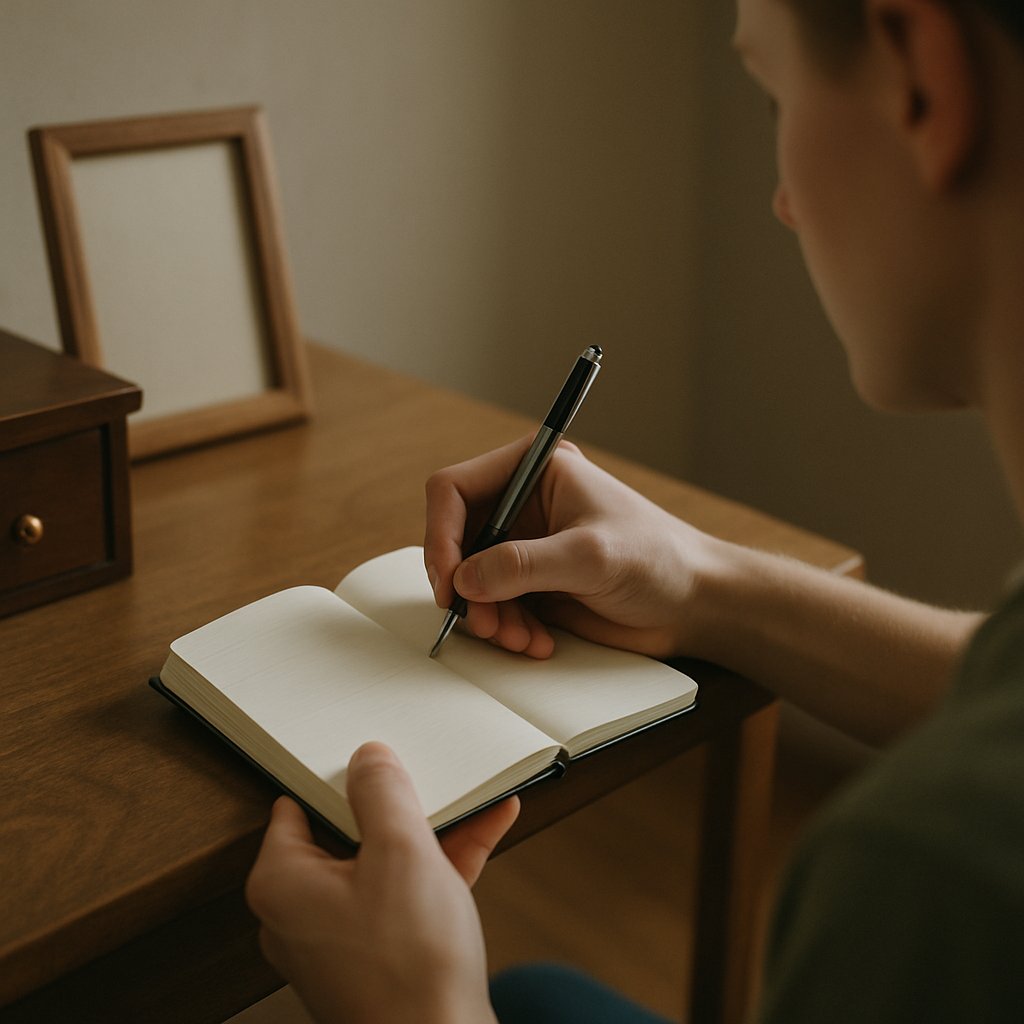
I started carrying a small notebook everywhere—jotting down details that felt almost trivial until I saw the pattern. Empty walls where pictures used to hang. Drawers locked that never were before. Keys that no longer fit old locks. Each note felt heavy, like counting the pieces of a puzzle I never agreed to lose.
It was in the quiet moments, watching the house change around me, that it hit me: I wasn’t just venting frustration. I was collecting evidence. A case. Something to show that this wasn’t just about rearranging furniture or changing curtains. It was a takeover. The air smelled faintly of dust and old wood, and beneath it, something colder.
Tracking the changes made me feel a little less powerless, but it also made me realize how far gone the house already was. My mom’s presence fading, room by room, lock by lock.
Unexpected Company At The Diner
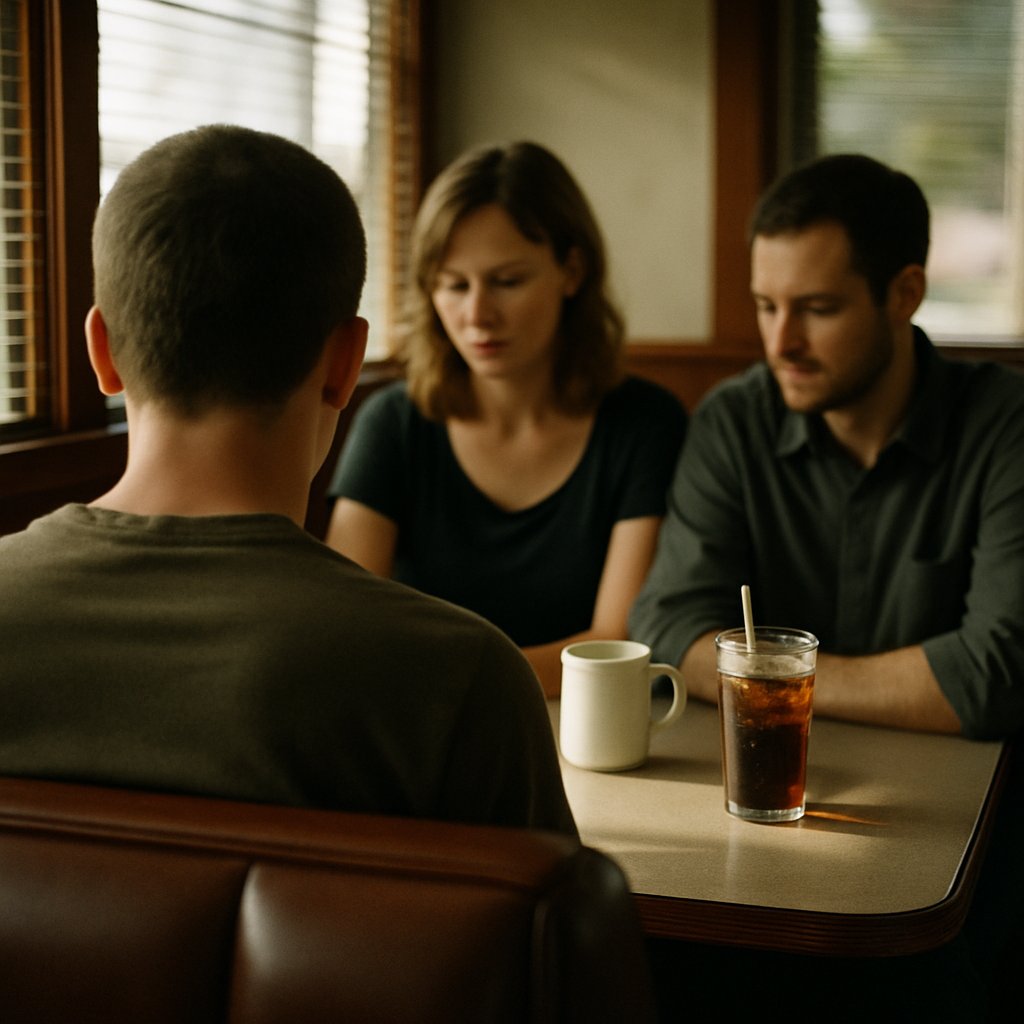
I asked Dad to meet me alone at the diner, hoping for a quiet conversation over coffee. The place smelled of frying bacon and brewed coffee, with the clatter of plates and murmurs of other patrons. But when I arrived, he wasn’t alone. My stepmom sat beside him, casually sipping a soda, her smile too practiced.
“We’ve decided to list the house next spring,” she said before Dad could speak. His eyes stayed fixed on his coffee cup, swirling the dark liquid without looking up. The air between us felt tight, like the moment had slipped out of my control.
I wanted to ask Dad what this meant for us, for Mom’s things, for the memories filling every corner of this place. But her words hung in the air, thick and final, and Dad said nothing. The diner’s hum seemed to dull around me.
Attorney Reveals Legal Surprises

I called the attorney handling Mom’s estate, needing answers. The office smelled faintly of leather-bound books and old paper. After a pause, the lawyer told me some specific items were legally left to me—things that should have been mine outright. It was a small relief but also a spark of hope.
Later, my phone buzzed with a voicemail. Her voice, sugary sweet but with an edge beneath it: “Let’s not make this ugly.” The words felt like a warning wrapped in a smile I couldn’t see. The contrast between the quiet office walls and that message made my skin prickle.
I realized that this wasn’t just about who had what anymore. It was a battle, and the rules weren’t clear. I was stepping into a conflict I hadn’t chosen but couldn’t walk away from.
Neighbor Mentions Moving Truck
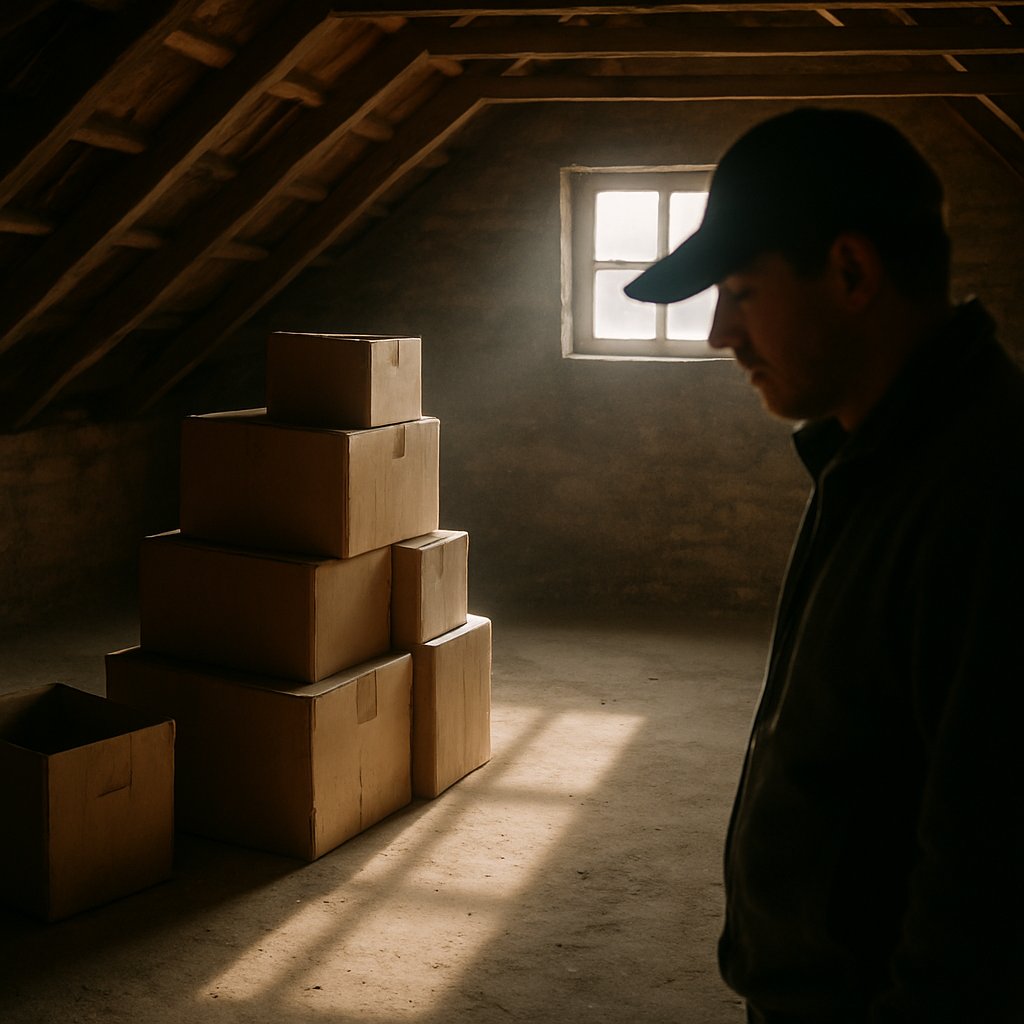
A casual chat with a neighbor unearthed something new: a moving truck spotted on a weekday, boxes labeled in big block letters—“ATTIC” and “PHOTOS.” The sunlight was bright that afternoon, casting sharp shadows on the quiet street, but the news felt like a shadow itself, creeping into my thoughts.
Later that day, I climbed the attic stairs with a creak underfoot. The air was dusty, smelling faintly of old wood and forgotten summers. Half the boxes and belongings were gone, leaving empty spaces where family history used to rest. It felt like the house was shedding its past.
Standing there, I wondered who had packed those boxes, where they were going, and what was left behind. The silence was loud.
Accused In A Group Chat

Out of the blue, I was accused of “breaking in” on the family group chat. My phone buzzed in my hand, the screen glowing softly in the dim living room. My heart sank as I read the messages, even though I knew the accusations didn’t make sense.
My dad texted me directly after, saying, “Please stop.” His words felt unsure, like he was stuck between sides. Then I found a receipt for a storage unit in his name linked to her email. The faint smell of worn leather from the couch where I sat mingled with the cold realization that I was being pushed out remotely.
The lines around me blurred—the place I called home turning stranger, more foreign with every text and receipt I uncovered.
Dad’s Quiet Admission In Car

I finally got Dad alone, sitting in his car with the door open, the late afternoon light slipping through the windows and casting long shadows on the dashboard. His hands trembled slightly as he spoke, admitting he didn’t understand half the papers he’d signed. He told me she’d been handling his meds since his stroke, managing everything quietly.
The air inside the car smelled faintly of pine air freshener and old upholstery, but the tension was clear. His reluctance and confusion made me realize how much control had quietly shifted away from him and me—without either of us really noticing at first.
I wanted to ask more, but the weight of his words hung heavily between us, and I wasn’t sure where to start unraveling the mess.
Adult Protective Services Step In
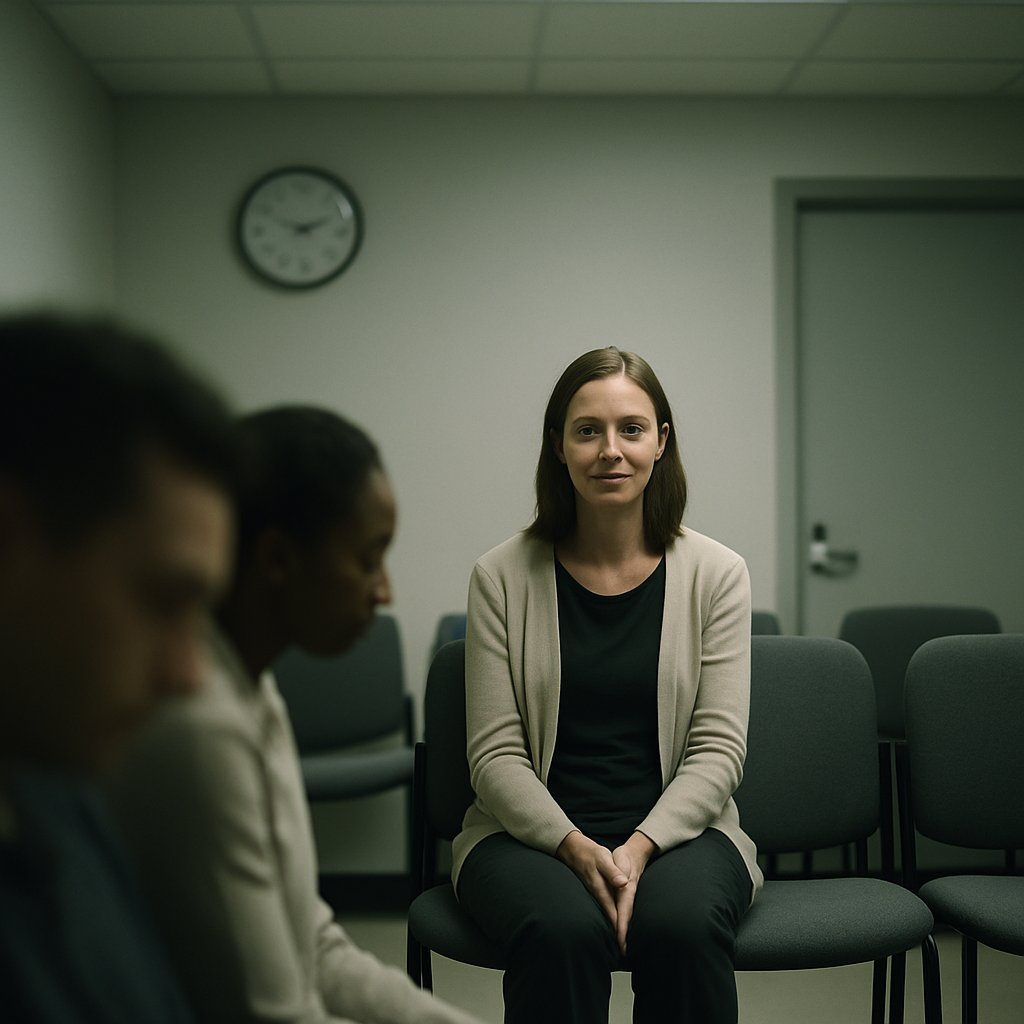
I reached out to Adult Protective Services and hired an attorney to help Dad. At the office where I met the APS worker, the air smelled sterile but heavy with unspoken urgency. They insisted on interviewing Dad alone, which made my stepmom’s smile vanish the moment she heard it.
Her expression turned razor-thin, cold in contrast to the quiet hum of the office’s overhead lights. I could feel the shift in the room as she realized the walls might be closing in. The quiet buzz of the air conditioner mixed with the soft ticking of a wall clock — a reminder that time was running out.
That moment made me realize this fight was bigger than just furniture and keys. It was about protection, control, and maybe even survival.
Photo Albums Standoff Begins
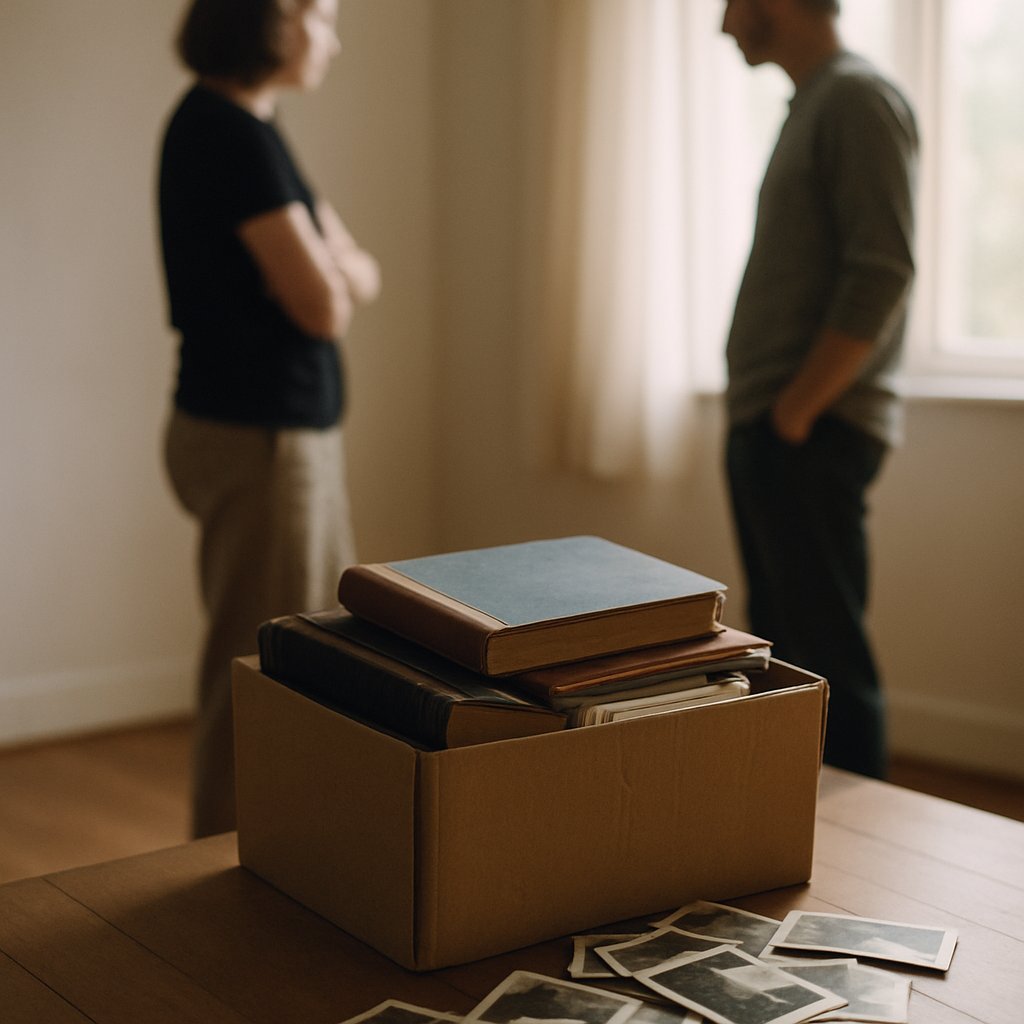
The sale was temporarily frozen, but she made one last move. I found her loading photo albums into a box, preparing to take them to the storage unit. The smell of old paper and worn leather-bound album covers filled the air. My aunt and I showed up unexpectedly and froze her in place.
She looked at us, calm as anything, and said, “Those are mine.” The calmness in her voice was like a shield, but beneath it, I could see the tension crackling. This wasn’t about albums—it was about memory, ownership, and who controlled the past.
The quiet standoff stretched on, the afternoon sunlight falling in long beams across scattered photographs and empty walls. The air was thick with everything left unsaid.