



The Screenshot Across The Table

Lena Park slid the paper toward me like she was dealing a card she already knew would win. My own words stared back—Slack banter with Elliot, the kind you write when you think it’s harmless: inside jokes, late-night “you’re still up?” check-ins, a stupid GIF thread that suddenly looked like evidence.
We were in one of those HR/Legal rooms that always smelled faintly of burnt coffee and lemon disinfectant, the air too cold for the thin blazer I’d grabbed on the way out. Across from me sat a woman from Legal with a neat bun and a yellow legal pad she hadn’t written on yet. Beside her, HR’s director kept her hands folded like she was praying for my cooperation.
Lena—calm as a metronome, glossy black bob not a hair out of place—tilted her head and asked, softly, “So, Mara… would you say he ever crossed a boundary?”
My mouth actually went dry. Because it wasn’t just the question. It was the way she said he, like Elliot was a weather event, something that happened to women. Like she and I were already on the same side and I just hadn’t gotten the memo.
I stared at the screenshot and felt the blood climb my neck, remembering every time Elliot Vance—six-foot-two, tailored shirts, that easy grin—had called me his “work wife” in front of people.
Legal uncapped her pen. HR leaned forward. Lena’s eyes didn’t blink.
And then she added, almost pleasantly, “For the record, I need you to be very specific.”
The Invite Everyone Could See

When I walked back onto the floor, it wasn’t gossip anymore. It was a shared object. An ivory envelope sat propped against monitors, tucked under keyboards, perched on top of planners like a dare. People weren’t even pretending to work; they were holding the invitations with two hands like they might explode.
Elliot Vance + Lena Park. Two names that did not belong on the same line. Elliot, my endlessly available “work spouse,” and Lena, the quiet operations lead who moved through the office like she had a key to rooms I didn’t know existed.
I heard someone whisper, “Is this a prank?” and someone else answer, “It’s dated the same weekend as the pitch.” The biggest pitch of our quarter—the one Elliot had been hoarding like a crown. The weekend we’d already been told to keep “completely clear,” like we were surgeons on call.
I sat down and felt my chair’s torn faux-leather edge catch my tights. My inbox chimed again and again—replies-all, stunned reactions, fake congratulations that read like threats. A bouquet photo card had been tucked into mine, the paper thick, expensive, almost velvety against my fingertips.
Across the aisle, a strategist made eye contact with me and then looked away fast, like he’d caught me doing something wrong.
And then I saw Elliot at the far end of the floor, half-hidden by a pillar, watching the ripple move desk to desk—watching me—like he was counting who flinched.
The Domain That Didn’t Fit

I told myself not to click anything. I told myself to be normal. But the invitation didn’t just hit inboxes—it hit the entire building’s nervous system, and I could practically hear IT groaning somewhere in the walls.
By lunch, people had formed little clusters by the windows, speaking in that low, excited hiss that means someone might cry or someone might sue. I kept my face neutral and followed the thread the way I always did on projects: find the weak point, pull gently, watch what unravels.
It wasn’t a normal wedding site. The RSVP URL wasn’t some generic wedding platform with pastel templates and engagement photos. It was a custom domain, clean and corporate-looking in a way that made my stomach tighten. One of the engineers—Jae, curly hair, always helpful until he wasn’t—leaned on the counter beside me with his salad untouched.
“I checked the WHOIS,” he murmured, like he was confessing to a crime. “It points to our IT vendor account. The same one we use for client microsites.”
My fork froze halfway to my mouth. The break room smelled like microwaved fish and burnt popcorn, suddenly nauseating. A ‘personal’ wedding RSVP hosted on company infrastructure wasn’t romantic—it was sloppy. Or deliberate.
Because if the agency paid for it, then it wasn’t just a wedding. It was a thing that could be audited. A thing that could be tied to budgets, approvals, timestamps—names.
Jae lowered his voice even more. “That means someone with access set it up. Not an intern. Not a mistake.”
And right then, my phone buzzed face-down on the table—three short vibrations—like a warning I wasn’t ready to read.
His Smile At The Espresso

Elliot cornered me at the espresso machine like it was casual, like we were just two coworkers who happened to bump into each other in the narrowest part of the kitchen.
He smiled too hard. Not his usual charming, easy grin—the one that made clients relax and junior staff feel chosen. This one was stretched, a little shiny, like he’d practiced it in the mirror and hated how it looked.
“Hey,” he said, voice light. “Did you get something… weird?”
The machine hissed and spat steam between us, loud enough to cover the little tremor in my breath. I could smell the sharp bitterness of fresh grounds. Elliot’s shirt was crisp, sleeves rolled perfectly to the forearm, watch catching the light when he reached past me for a stir stick like he owned the space around my body.
I watched his eyes, not his mouth. He wasn’t asking because he didn’t know. He was measuring. Damage control in real time. How much had I seen? How angry was I? How likely was I to say something that would make his day unmanageable?
“Everyone got it,” I said carefully, letting the words land flat.
He laughed once, too loud, then lowered his voice. “People are dramatic. You know how they get. It’s just—” He paused, and for the first time I saw it: a flicker of panic, like a crack in glass.
His fingers brushed the edge of my mug when he handed it back, the contact so quick it could be denied. And then he leaned closer, friendly on the outside, urgent underneath.
“Tell me what you’ve heard,” he said, still smiling, like it was a joke we shared.
Her Ping With No Trail

By midafternoon, Lena went public.
She posted in #CultureCommittee about “love and transparency” with the kind of polished warmth that makes people clap even when they’re furious. I didn’t need to see the messages to hear the effect—little bursts of laughter that sounded more like disbelief, the sharp inhale someone does right before they start typing something they’ll regret.
Then my phone buzzed again, face-down on my desk like it was ashamed. I flipped it over and saw her name.
In person. No Slack.
My stomach dropped so hard I felt it in my knees. Because Lena didn’t do drama. Lena did processes. Lena did quiet checklists and calendar holds and approvals that appeared like magic. If she was telling me not to leave a trail, it meant there was already a trail—and it wasn’t going where I thought.
I looked up and caught her across the floor, moving toward the glass-walled conference rooms with that measured pace, a slim black notebook tucked against her ribs. She wore a forest-green dress and small gold hoops, her expression serene in a way that felt almost cruel.
As she passed the row of junior desks, conversations died like someone had flipped a switch. A copywriter actually turned her chair slightly, physically angling away from Lena like proximity was dangerous.
My hands went cold on the edge of my desk. The invitation wasn’t just a surprise announcement anymore. It was a compliance event. A controlled burn.
Lena stopped at the hallway entrance and looked back at me once, a small, precise glance that said: Now.
I stood up, my badge lanyard snagging on the corner of my drawer, and in the sudden silence I could feel every eye trying not to follow me.
Stay And Finalize The Deck
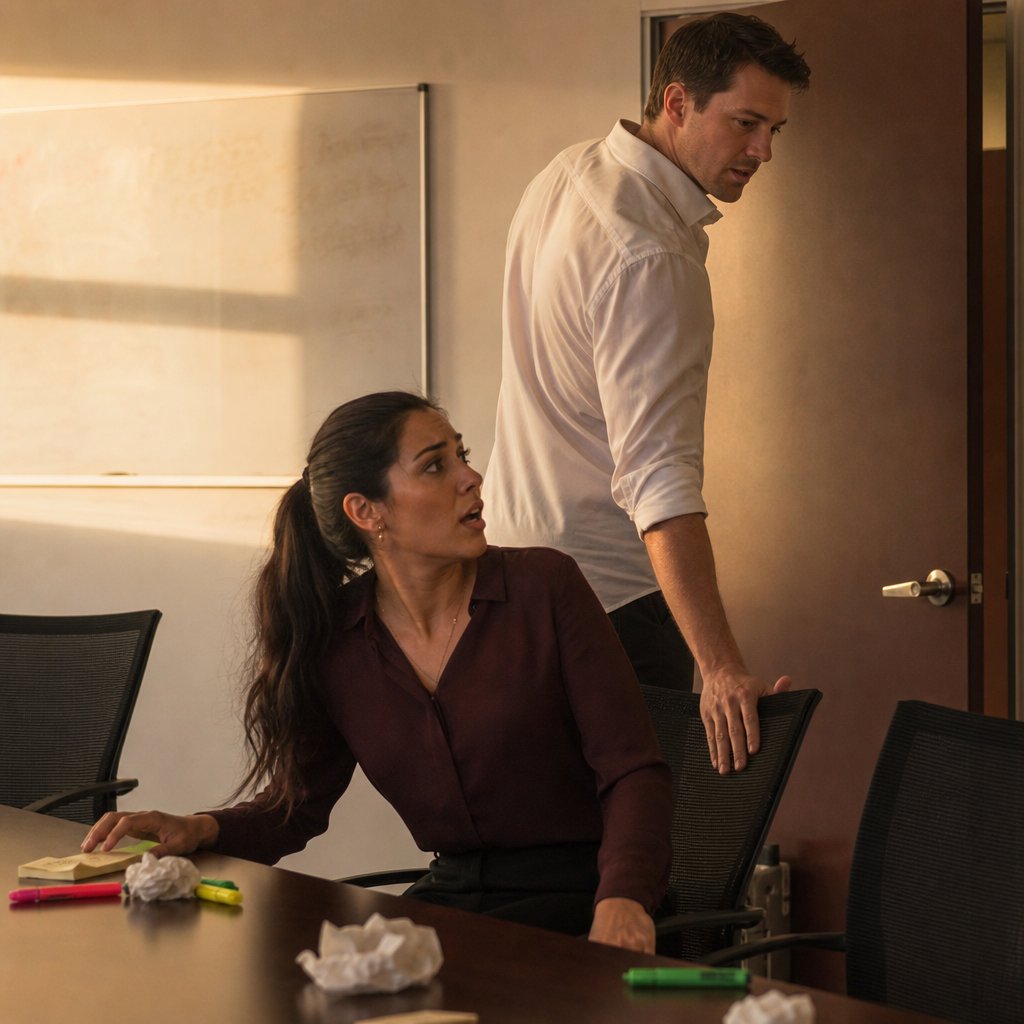
The war room smelled like dry-erase markers and stale takeout, the long table littered with crumpled napkins and highlighters without caps. It was late enough that the city outside the windows had turned into a smear of headlights, and the only people left on our floor were the ones who couldn’t afford to go home.
Elliot stood at the whiteboard like a general, clapping his hands once. “Okay—great work. Everyone out. Get sleep. We’ll crush tomorrow.”
Chairs scraped back. People grabbed bags with that grateful, exhausted speed. I started to stand too, my back screaming, when Elliot’s hand came down on the back of my chair—not hard, just possessive enough to make my skin prickle.
“Mara,” he said, gentle, like he was doing me a favor. “Can you stay and finalize the deck with me? Just you. You have the best sense of the narrative.”
Just you. The words landed like a door locking.
Our junior account manager hesitated in the doorway, eyes flicking between us. Elliot smiled at him, all teeth. “Go. I’ve got her.”
When the last person left, the room got too quiet. The AC kicked on with a low rattle. Elliot pulled the door almost closed behind them, leaving it cracked by an inch—enough to claim transparency, not enough to feel safe.
He turned back to me and his voice dropped. “I need you focused,” he said. “No distractions. No… stories.”
Then he added, almost casually, “And if anyone asks why you’re here late with me, you tell them it was my call.”
The Facilities Request Leak
The next morning, my inbox had that brittle quiet that comes right before a storm—no jokes, no memes, just people sending “quick question” messages with too many exclamation points.
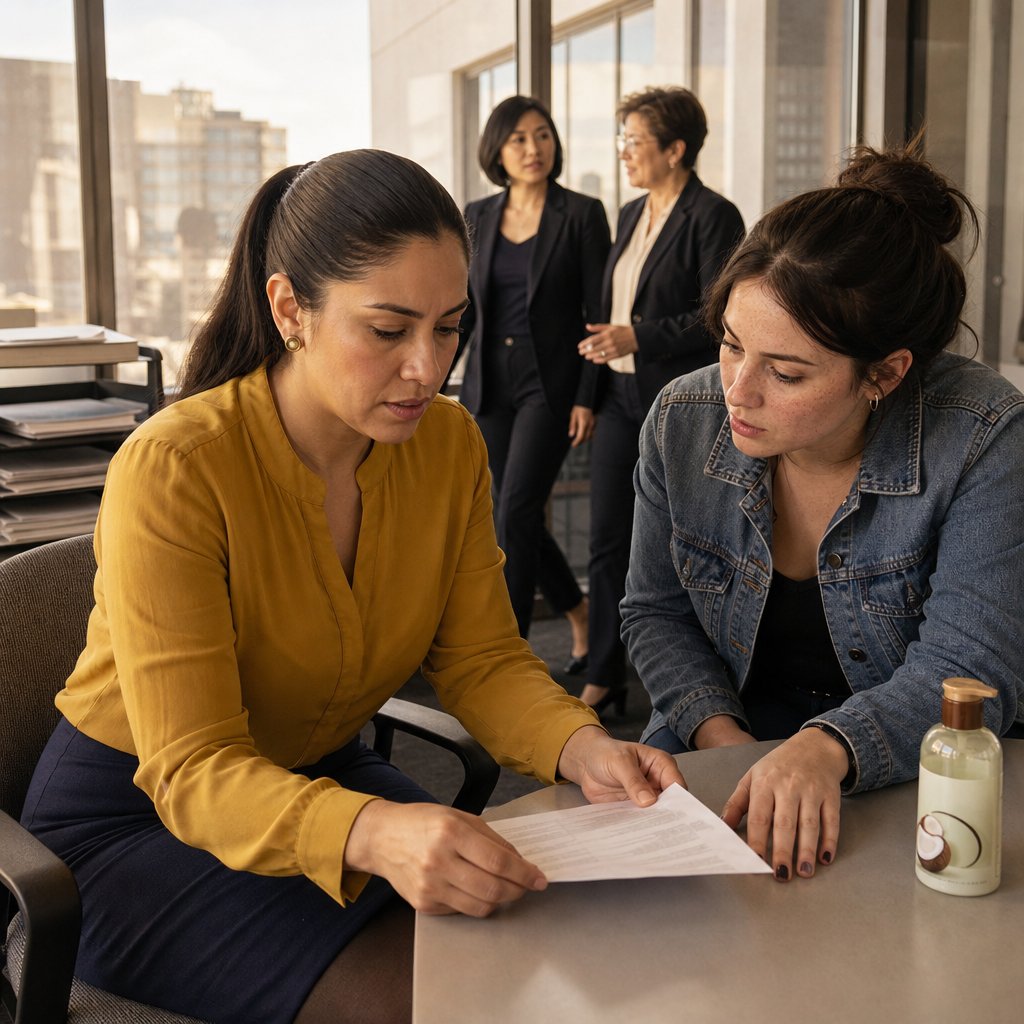
A junior designer named Talia—freckles, chipped black nail polish, always smelling faintly like coconut lotion—hovered at my desk like she was afraid the carpet had ears. She didn’t sit. She didn’t even fully step into my space. She just slid a single printed page onto the corner of my desk and kept her fingers on it like she might yank it back.
“Facilities request,” she whispered. “I shouldn’t have this.”
The paper was the kind of internal form nobody reads until it ruins them. I scanned it fast, heart thudding. Lena had reserved the executive conference room months ago. Not for a workshop. Not for a client. For a “personal signing.”
Personal. Signing.
That room required approvals. That room was for board-level meetings and layoffs and the kind of conversations that changed org charts overnight. And months ago—while Elliot was pulling me into late nights and calling me his work wife—Lena was locking down the most protected room in the building for something private and official.
I could feel my fingertips go numb against the paper’s sharp edge. “Does anyone else know?” I asked.
Talia swallowed. “People are saying it’s like… paperwork. Not romance. Like she needed witnesses.”
I looked up, and through the glass I saw Lena walking past with HR’s director, their heads close together, moving with purpose.
Talia’s voice shook. “Mara, I think this is why they’re asking about your Slack.”
The Floor Picked Sides

By Wednesday, our floor had split like a bad zipper.
Team Soulmates treated the wedding invite like a rom-com twist: “Honestly? Iconic.” They cooed about privacy and true love and how “work is hard, let them have something.” They said it loudly in the open kitchen where everyone could hear, like they were auditioning to be on the right side of history.
Team Scam kept their voices low and their eyes sharp. They talked about paper trails, about timing, about why a wedding date would overlap the pitch weekend like a thumb pressed on a bruise. They didn’t say Elliot’s name without glancing around first.
And then there was me—the unspoken third narrative. The one people didn’t want to name because it was messier than either team’s story.
When I walked to the printer, a pair of interns stopped mid-sentence. When I joined a meeting early, the room went too polite. Even my friend Simone—Black woman, late 30s, shaved sides with tight curls on top, always blunt—watched me like she was trying to decide whether to hug me or interrogate me.
I hadn’t slept with Elliot. Nothing explicit had happened. But we had receipts of closeness: the late nights, the private jokes, his hand on my chair, the way he’d said “I’ve got her” like I was an asset.
At the coffee bar, I heard someone murmur, “She didn’t know,” and someone else answer, “Or she knew and thought she’d win.”
I gripped my paper cup so hard the lid squeaked, and I realized the office had already decided what role I played. They just hadn’t agreed on whether I was victim or villain.
Then Simone leaned in and said under her breath, “HR booked a room for you this afternoon. And Lena requested it.”
He Rewrote Me In Meetings

The worst part wasn’t the whispers. It was watching Elliot edit reality in real time.
In our client check-in, I presented the recovery plan I’d built after last month’s near-disaster—the one I’d pulled off by sheer stubbornness and three consecutive “project nights” where the cleaners had to ask me to move my feet so they could vacuum. Elliot nodded along, then cut in with a laugh.
“Yeah, I told the client we’d stabilize the timeline,” he said, like it was a cute anecdote. “I mean, you should’ve seen their faces.”
I stared at him across the table, the conference room air smelling faintly like dry carpet and peppermint gum. My notes felt suddenly weightless, like they could float away and nobody would notice. The client smiled at Elliot the way people smile at the person they assume is in charge.
Then Lena’s name appeared—quietly—on the pitch roster. Not announced. Not discussed. Just… there. Like she’d always been part of the core team. Like the wedding invite hadn’t detonated anything at all.
I watched Lena sit two seats down, hands folded, listening with that serene expression. She wore a crisp white blouse and dark trousers, minimal makeup, and when Elliot spoke, her eyes didn’t go to him. They went to me.
At one point, Elliot said, “Lena’s been across the operations side for months,” and the room nodded, accepting it as fact.
Months. The same months he’d been texting me late and calling me indispensable.
When the meeting ended, the client shook Elliot’s hand first. Then Lena’s. When they finally turned to me, it felt like an afterthought.
Elliot lingered as everyone filed out and murmured, almost kindly, “Don’t take it personally. This is just… alignment.”
The Weekly After-Hours “Benefits Review”
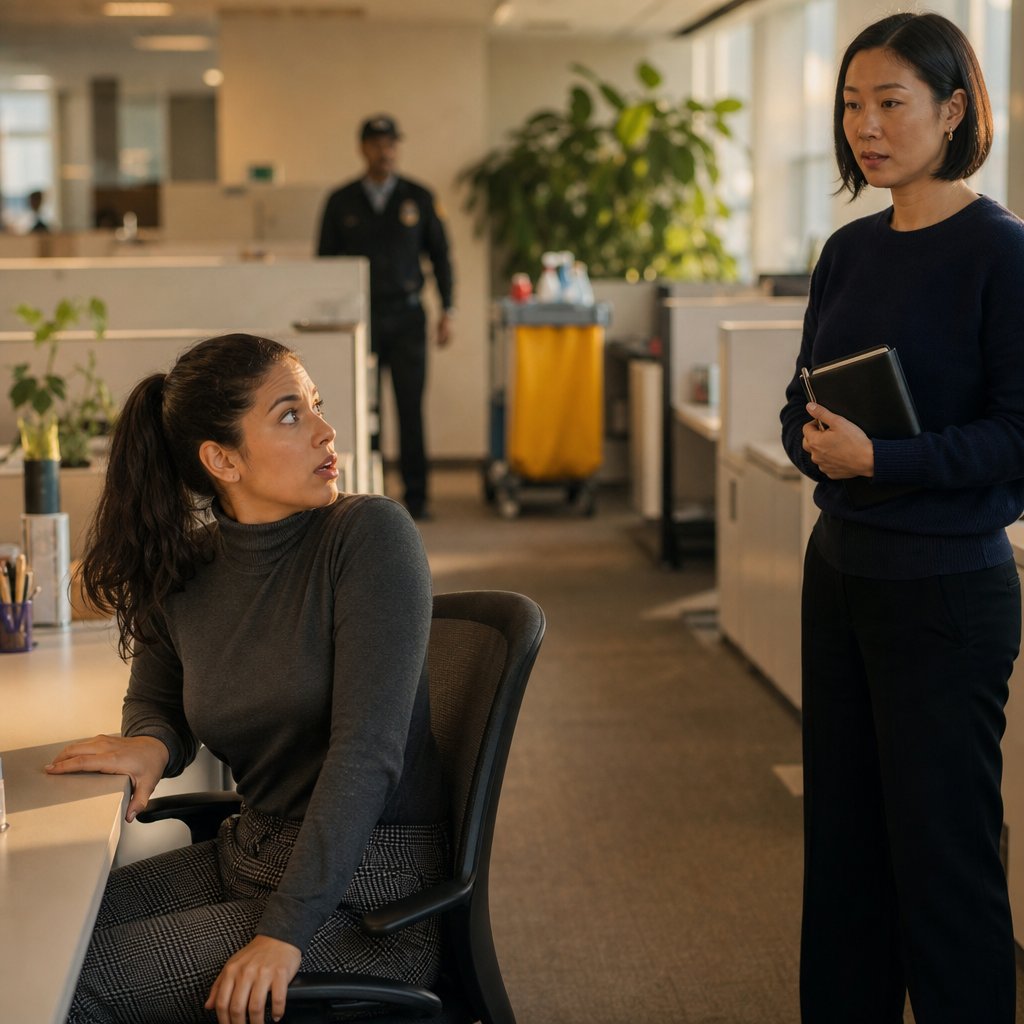
I stopped telling myself it was none of my business the moment my name ended up on a Legal pad.
So I did what I always did when things didn’t add up: I looked for patterns. Not rumors. Not vibes. Patterns. I pulled up the shared calendar view the way we did for scheduling war rooms and client run-throughs, and I scrolled back through the past few months with my jaw clenched.
There it was, over and over: a recurring invite between Lena and Elliot, every week, after hours. Same title every time.
Benefits review.
I actually laughed once, alone at my desk, because it was so insulting in its laziness. HR didn’t do weekly benefits reviews. HR barely did quarterly benefits reviews. And they sure as hell didn’t do them at night, when the floor was empty and the security guard did his rounds with a jingling key ring.
The more I stared, the more my skin prickled. Weekly meant ritual. Weekly meant maintenance. Like they were tending something that would die if they didn’t feed it.
I thought about the executive conference room reservation—“personal signing.” I thought about the custom domain tied to our vendor account. I thought about Lena’s calm in that HR room while she slid my Slack messages across the table like she’d rehearsed it.
My throat tightened as a new detail clicked into place: the “benefits review” invite had started the same week Elliot first called me his work wife in front of the team, laughing like it was harmless.
I heard footsteps behind me and snapped my head up—too fast, too guilty.
Lena stood at the end of my row, looking at me with that metronome calm, holding her notebook.
“You’re looking into it,” she said, not a question.
The CFO’s “Policy” Grenade

Lena didn’t blink. She just watched my hands like she was clocking a tell at poker and said, “You’re looking into it,” like it was a weather report.
I forced a laugh that came out thin and wrong. My badge lanyard felt suddenly too tight against my throat. Before I could decide whether to lie, my inbox pinged and half the floor made the exact same noise—an involuntary little inhale—like we’d all been slapped at once.
The subject line was from the CFO. Not HR. Not Legal. The CFO. “CONFLICTS OF INTEREST / VENDOR RELATIONSHIPS — REMINDER.” The kind of all-caps that usually meant someone powerful was angry and pretending they weren’t. People started swiveling in their chairs, whispering without moving their lips. I didn’t read it on-screen; I didn’t have to. The office air changed anyway, like someone had turned the AC down and everyone’s skin noticed.
Lena leaned in close enough that I could smell her vanilla hand lotion, and she smiled like we were sharing a joke. “Wild timing,” she murmured, eyes flicking past me toward Elliot’s row.
Across the aisle, Elliot’s jaw was clenched so hard a muscle jumped near his ear. He didn’t look at me. He didn’t look at Lena. He stared straight ahead like if he moved, he’d be seen.
And then Lena added, softly, “If you’re smart, Mara, you’ll stop pulling threads that aren’t yours,” and I realized the CFO email wasn’t a reminder—it was a warning shot aimed right at our desks…
The Name Nobody Knew
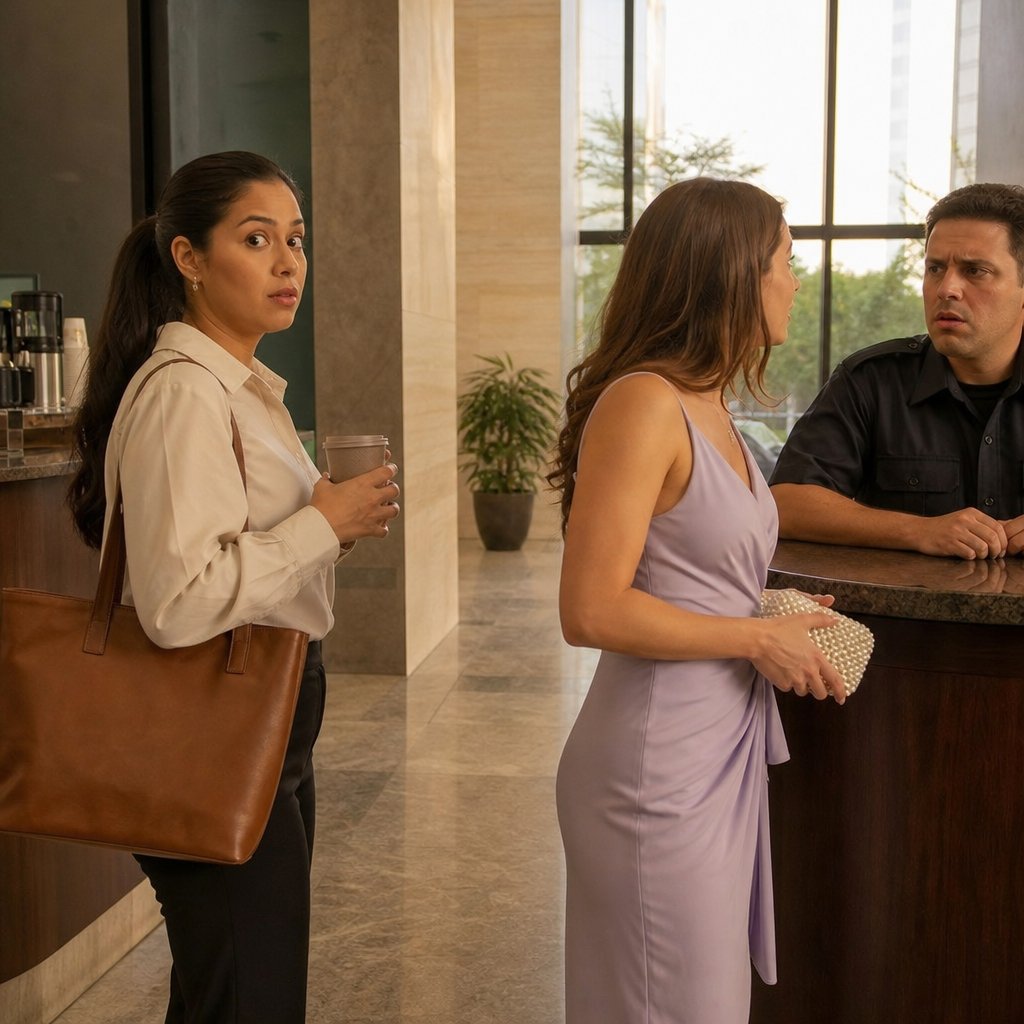
By lunch, the lobby felt like a stage nobody told me I’d been cast in.
I was grabbing a coffee from the kiosk when the security turnstiles clicked and a woman swept in like she was late to a rehearsal. Mid-20s, glossy chestnut hair, a pale lavender wrap dress that screamed “bridal party,” and a tiny pearl clutch she held like a weapon. Her makeup was too perfect for a weekday, and her smile was the kind you practice in mirrors.
She walked straight up to the front desk and said, bright as a bell, “Hi! I’m looking for Lena Rojas.”
I actually stopped chewing. Rojas. Not Lena’s last name in our directory. Not the name on her email signature. Not the name on the wedding invite that detonated our floor. A maiden name—an old skin—delivered casually to a security guard who suddenly looked like he’d been handed a live fish.
“We don’t have a—” he started, then glanced at the visitor log, confused, tapping his pen against the counter.
The woman’s smile tightened. “She works on fourteen. Please don’t tell her I’m here. It’s… a surprise.” Her eyes flicked over the lobby and landed on me like she’d clocked me as someone who would know.
I kept my face neutral, but my stomach dropped like an elevator cable snapped. Lena had been curating her existence here—what name she answered to, what history she allowed in the building, what version of herself we were permitted to meet.
And this stranger had just walked in holding the wrong name like a match.
She stepped closer to me and asked, quietly, “You’re from her team, right? Did she tell you what happened at City Hall?”
The RSVP List Leak

I didn’t go back upstairs right away. I hovered by the lobby planters pretending to stir my coffee, listening for the stranger’s heels to click away, but she stayed—patient, poised, like she had an appointment with fate.
When I finally made it to fourteen, the floor was doing that thing it does when everyone is pretending to work and nobody is. Conversations died when I passed. Someone laughed too loudly at nothing. The air smelled like burnt toner and panic.
At the copier station, Priya from Ops held a stack of papers against her chest like she was shielding a baby. She saw me and her eyes went huge. “Don’t freak out,” she whispered, which is the fastest way to make my heart start sprinting.
She slid one sheet out just enough for me to see the top. It was the wedding RSVP list—printed. Not just “friends and family.” Executives. Names from the client side. And one entry that made my throat go dry: the client’s legal counsel.
Then my eyes snagged on a line near the bottom: Witness — blank.
Not “plus one.” Not “guest.” Witness, like a checkbox in a transaction. Like the wedding was a signature block with a dress code.
Priya’s hands were trembling. “It was… accessible,” she mouthed, looking over her shoulder like the walls had ears. “Someone posted it where they shouldn’t have. It got pulled fast, but—”
I stared at that empty Witness line until the letters swam. Lena and Elliot weren’t just hiding a relationship. They were staging a legal moment with an audience that had no business being there.
Behind me, a familiar voice said, too casually, “That’s not for you,” and Elliot’s hand closed over the top of the page.
When His Messages Vanished
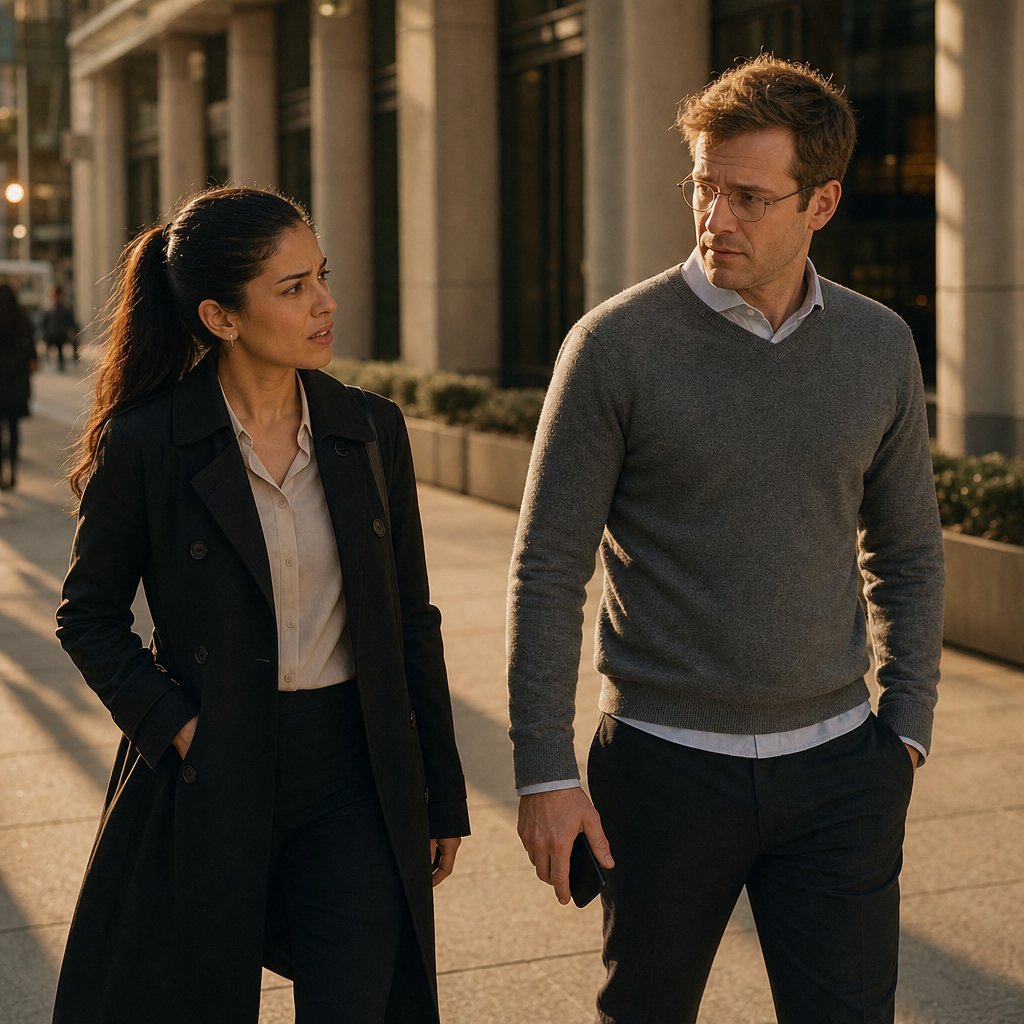
Elliot didn’t raise his voice. He didn’t have to. The way his palm flattened over the paper was intimate and territorial, like he was covering a bruise.
“Walk with me,” he said. Not can you. Not please. Like I was already in motion and he was just narrating it.
Outside, the sidewalk wind cut between the buildings and lifted the ends of my ponytail. The city smelled like car exhaust and someone’s over-sweet pastry drifting from a corner cart. Elliot kept a half-step ahead of me, hands in his pockets, scanning reflections in windows like we were being followed. It would’ve been funny if it didn’t make my skin crawl.
His tone turned warm first. “I know this is a lot. You’ve always been… perceptive.” A compliment that landed like a leash.
Then it went cold. “You need to stop talking to people.”
I tried to push back—asked him why the CFO was suddenly preaching conflicts, why Lena’s name was a costume, why the RSVP list had a blank Witness. He flinched at that last word like I’d slapped him.
“The office isn’t safe,” he said, low. “Walls have ears. Even calendars.”
I glanced down and saw his phone in his hand, face-down, thumb tapping the side like a nervous tic. “Text me,” I said, because I wanted a record. I wanted proof.
He gave me a look that was almost pity. “I already did.”
When we rounded the corner, I felt my own phone buzz in my pocket—twice—then go still. Elliot’s mouth twitched. “There,” he said. “Now it’s gone.”
I stopped walking. “What do you mean, it’s gone?”
The HR Meeting That Wasn’t
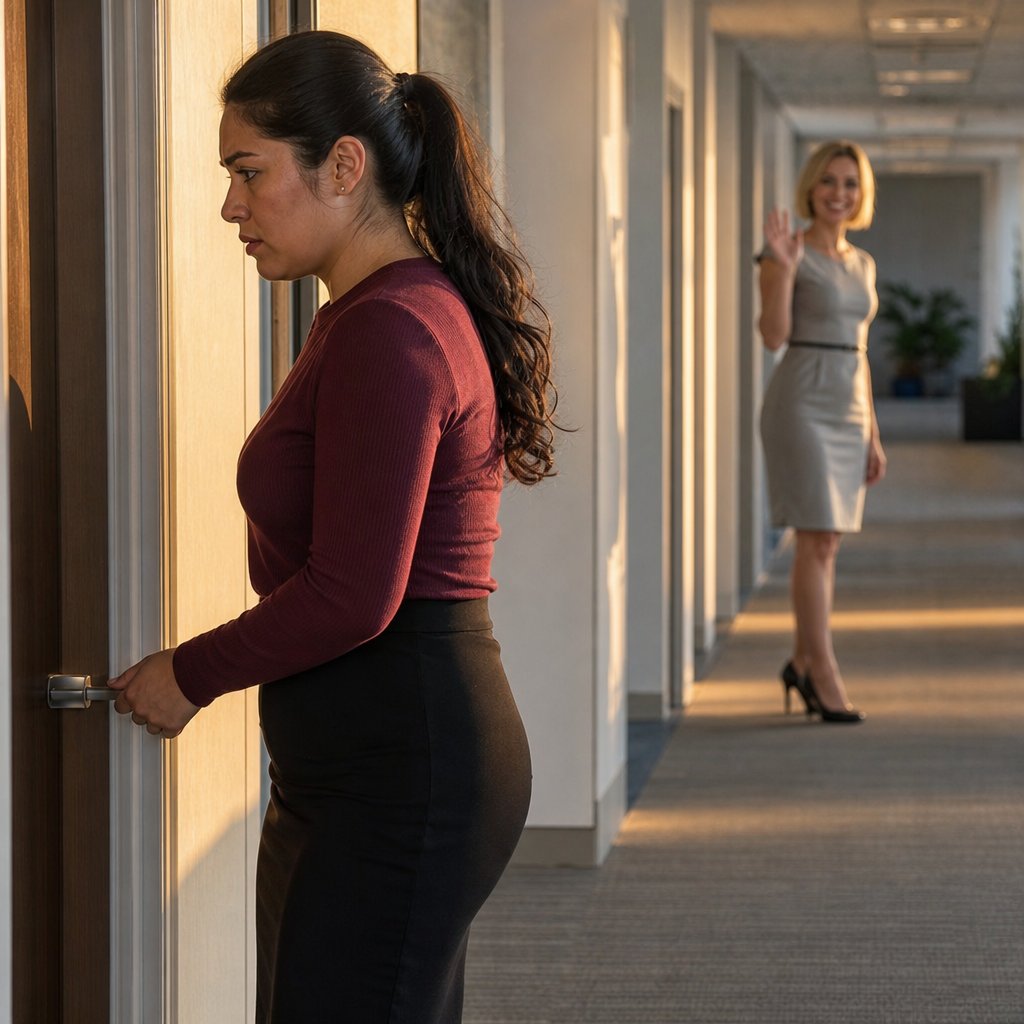
Back at my desk, my calendar had a new appointment sitting in the middle of my afternoon like a loaded gun: “Workplace Boundaries.” Organizer: Lena.
No agenda. No notes. Just the title, crisp and righteous, like she’d already written the conclusion.
I stared at it until my eyes hurt, then I did the thing I hate doing: I started rehearsing what I’d say. How I’d sound calm. How I’d refuse to be painted as hysterical. How I’d explain that I wasn’t jealous—I was alarmed. That the wedding invite wasn’t romance; it was a smokescreen with seating charts.
At 2:57, I walked to the small HR conference room anyway. It smelled like lemon disinfectant and fake calm. The chairs were perfectly aligned, the kind of neatness that makes you feel messy just for breathing.
At 2:59, my phone buzzed with a cancellation notification. Three minutes before. I didn’t even have time to sit down and be nervous in an ergonomic chair.
A moment later, Lena appeared at the end of the hall, not coming toward me—just hovering in sight like she wanted to be witnessed. She waved with that too-cheerful, too-wide smile you use on people you’re about to sue. Then her email popped in: an apology so bubbly it felt weaponized. “So sorry! Got pulled into something urgent! Let’s reschedule soon :)”
No reschedule link. No new time. Just a record that she’d summoned me to HR and I’d shown up.
I stood alone in that sterile hallway, my cheeks burning, realizing she didn’t need the meeting—she needed the calendar trail. Proof that she’d tried to “manage boundaries.” Proof that I was a problem she attempted to address.
As I turned to leave, the HR door behind me clicked—like someone had just locked it from the inside.
City Hall, Same Outfits

By the next morning, my nerves felt like exposed wires. I was pouring burnt breakroom coffee into a chipped mug when Mateo from our team slid in beside me like he couldn’t be seen doing it.
Mateo was usually unbothered—mid-30s, Dominican, close-cropped curls, always the first to crack a joke when meetings got tense. Today his face was flat, eyes darting to the doorway every two seconds. He didn’t touch the donuts. That’s how I knew it was serious.
“I shouldn’t tell you this,” he said, voice low. “But you’re already in it.”
I waited. My hands were shaking so hard the coffee rippled, dark and glossy, sloshing against ceramic.
“I saw them,” he said. “Elliot and Lena. At City Hall. Months ago.”
I laughed once—sharp, disbelieving. “No. You didn’t.”
Mateo’s expression didn’t move. “Same outfits as that ‘new’ engagement photo she posted.” He held his fingers apart like he could frame the memory. “Her white coat. His navy tie. I remember because I was there filing something for my mom, and I thought, ‘Wow, they look like they’re doing paperwork, not romance.’”
My stomach turned. The engagement photo—the one everyone had cooed over like it was a spontaneous moment—was suddenly a costume change. A prop. A lie with good lighting.
“Why didn’t you say anything?” I whispered.
Mateo swallowed. “Because the guy who checked them in?” He nodded toward the window like City Hall was across the street. “He’s my cousin. And he told me something else—something about a file that got flagged and… expedited.”
He leaned closer and said, “Mara, I think they didn’t just get married. I think they got covered.”
The IT Ticket That Died
I did what any sane person does when they realize the “wedding” might be a legal maneuver: I went looking for the infrastructure.
Not the romance. Not the vibes. The domain. The RSVP site. The trail you can’t charm away.
I filed an IT ticket with the most boring wording I could manage—routine audit, security hygiene, vendor verification. I even threw in a polite smiley face at the end like it was a normal Tuesday and not me trying to keep my career from being used as collateral.
Then I sat there, pretending to work, listening to the office hum. The fluorescent lights buzzed faintly overhead, and someone’s keyboard clacked like a metronome counting down to something ugly.
Forty-seven minutes later, the ticket disappeared from the queue.
Not “resolved.” Not “needs info.” Just… gone. Like it had never existed. I refreshed twice, then a third time, because denial is a reflex. My mouth went dry.
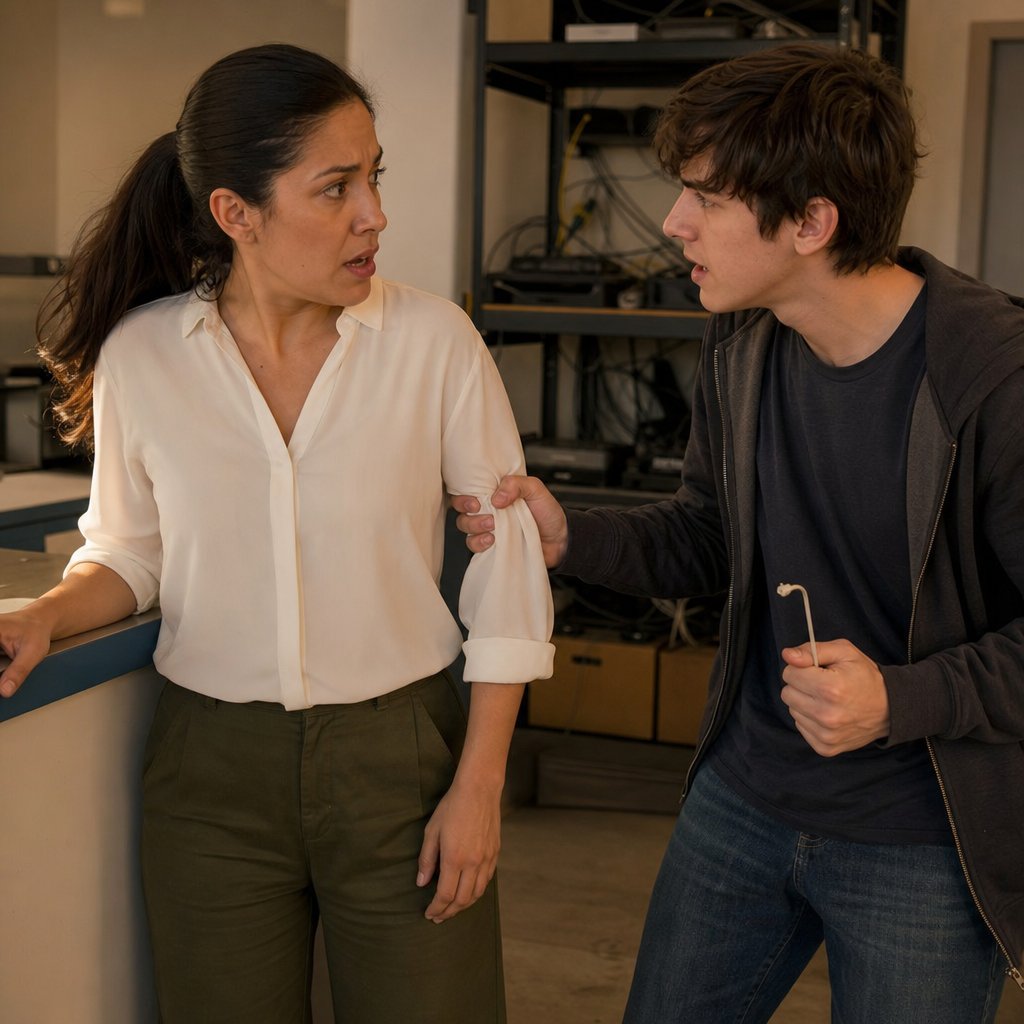
I walked down to IT under the pretense of asking about a mouse. The guy at the desk—Ben, early 20s, skinny, always wearing band tees under his hoodie—wouldn’t meet my eyes. He kept fiddling with a cable tie, twisting it tighter and tighter until it squeaked.
“Hey,” I said softly. “My ticket. About the RSVP domain. It vanished.”
Ben’s face went pale. He finally looked up, and there was fear there—real fear, not office-drama fear. “I can’t talk about that,” he whispered, voice cracking. “It got escalated. Above us.”
“To who?” I asked.
Ben shook his head once, sharp. “No notes. No fingerprints. Just… a call.”
As I turned to leave, his hand shot out and grabbed my sleeve. “Mara,” he said, urgent, “whatever you’re doing—stop. Because the person who shut it down? They asked for your name.”
My Bonus, Held Hostage
The performance review invite hit my calendar like a threat in formalwear.
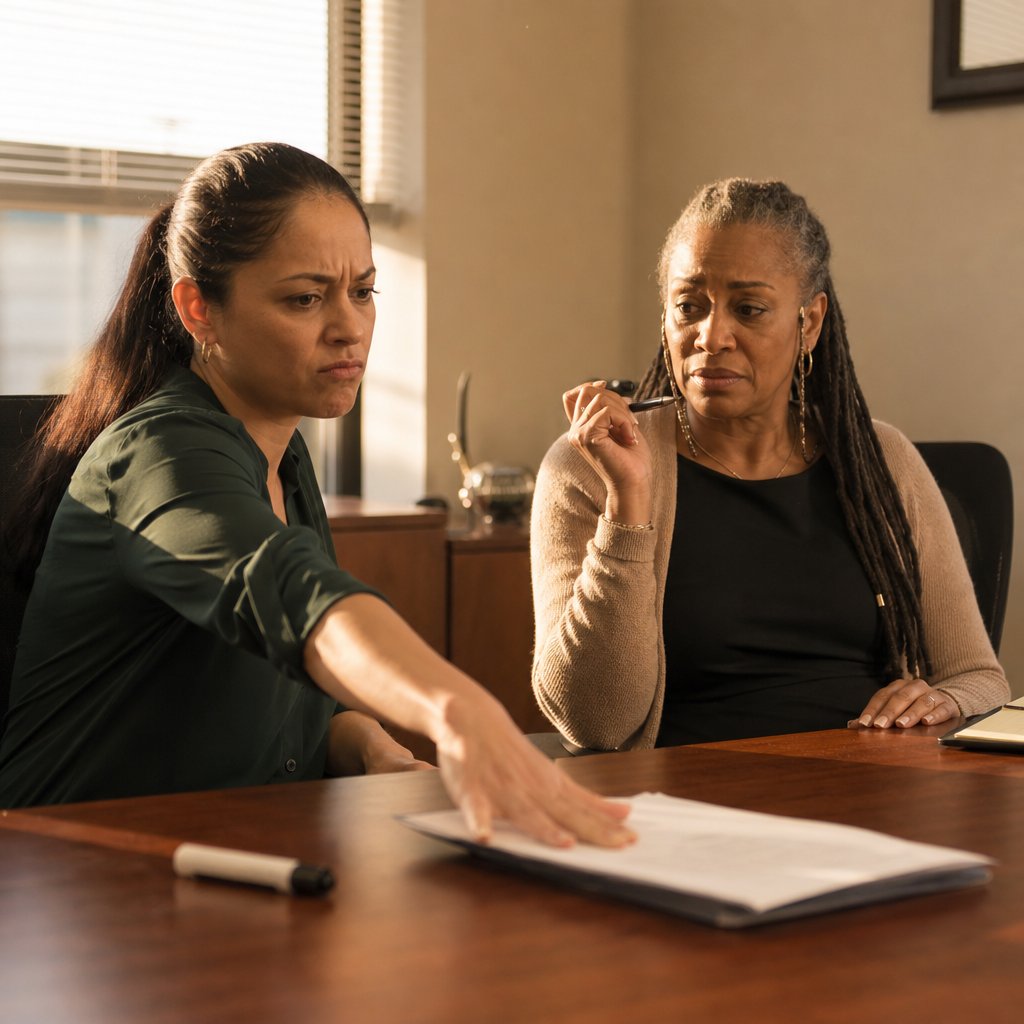
I sat across from my manager, Carla—Black woman in her late 40s, silver-streaked locs pulled back, reading glasses on a chain—and tried not to flinch when she slid the packet toward me. The conference room smelled like stale peppermint tea and dry erase markers. My hands left faint sweat prints on the table.
Carla didn’t do small talk. She sighed once, the kind of tired that comes from being forced to play messenger for people who never take the blame. “You’re strong on deliverables,” she said. “No one disputes that.”
I nodded, waiting for the knife.
She tapped a line in the review with her pen. “This is new. ‘Perception management.’” She said the words like they tasted bad. “It’s… feedback from above.”
From above. Not from my project leads. Not from the people who actually watched me work late nights and fix Elliot’s messes with a smile. From above—the same invisible altitude that could delete IT tickets and send CFO emails like warning flares.
“What does it even mean?” I asked, keeping my voice steady with effort. “Perception of what?”
Carla’s eyes flicked to the door, then back. “It means someone thinks you’re becoming… a distraction.”
My pulse roared in my ears. “Because I asked questions?”
Carla swallowed. “Your bonus is marked ‘pending clarification.’ I fought it, Mara. I did. But they’re tying it to—” She stopped, jaw tightening. “To whether you can ‘stay focused’ through… interpersonal noise.”
Interpersonal noise. Like my livelihood was a volume knob they could turn down until I behaved.
I pushed the packet back toward her. “Who is ‘they’?” I asked, and Carla’s pen froze mid-air.
He Said “My Wife”

The pitch rehearsal was supposed to be our safe place—the controlled chaos where we polished slides and practiced smiles before the client could tear us apart.
Instead, it felt like a courtroom.
We were in the big glass conference room, the one with the too-bright whiteboard and the chairs that squeak when you shift your weight. The client team would be here in two days. Everyone’s nerves were already frayed. Even the air felt thin, like breathing took effort.
Elliot stood at the front, marker in hand, running through the narrative. He looked fine at a glance—pressed shirt, confident stance—but his eyes kept flicking to the corner where Lena sat, legs crossed, posture perfect, expression unreadable. She didn’t take notes. She didn’t have to. She was the note.
When questions started, I watched Elliot do what he always did: deflect, charm, steer. Then he stumbled over a transition and—just for a second—his mask slipped.
“We’ll have Legal review that with—” he began, then nodded toward Lena without thinking. “—my wife—”
The room went silent so fast it felt like someone had sucked the oxygen out. Even the squeaky chair stopped. Elliot laughed immediately, too loud. “Work wife,” he corrected, waving his hand like it was a harmless joke, like we were all in on it.
But nobody laughed back.
Lena’s gaze lifted, slow and deliberate, and landed on me. Not Elliot. Me. Like she was checking whether I’d flinch, whether I’d fold, whether I’d finally understand my role in whatever this was.
Elliot’s smile faltered. “Okay,” he said, voice tight, “let’s move on.”
And then the client’s legal counsel—who shouldn’t even be on an RSVP list—walked past the glass wall outside, glancing in.
The Emergency Contact Screenshot

I didn’t even make it back to my desk before my inbox pinged with a new message from an address I didn’t recognize. No subject line. Just an attachment.
My fingers went cold. I didn’t open anything. I didn’t click. I stared at the email preview like it could bite me. Then I heard Carla’s warning in my head—perception management—and Ben’s—they asked for your name—and I realized someone was pushing information toward me on purpose.
I printed the attachment instead, because paper doesn’t vanish in the same way. The printer whirred and spat out a single page. The smell of warm toner hit my nose, sharp and chemical, as the sheet slid into the tray.
It was a screenshot of an HR emergency contact form. No logos visible, but the layout was unmistakable—name fields, relationship, phone number blurred out except the last two digits.
Lena’s emergency contact: Elliot.
Relationship: Spouse.
Date on file: two years ago.
I stared until my eyes stung. Two years. Two whole years of watching Elliot play “work husband” with me—late nights, inside jokes, hand on my chair, the whispery “we’re a team”—while his actual legal tie to Lena sat in HR like a loaded weapon.
My hands shook so badly the page rattled. I flipped it over like the back might tell a different story. It didn’t.
Behind me, Lena’s voice floated over my shoulder, calm as a lullaby. “Careful with that,” she said. “HR takes confidentiality very seriously.”
I turned, paper clutched to my chest, and saw her standing there with Elliot just behind her—both of them wearing the same polite expression, like they’d rehearsed it in a mirror.
Elliot’s eyes dropped to the page, then back to my face, and he said, quietly, “We can explain,” as Lena reached out her hand for the printout.
The Reimbursements Weren’t Training
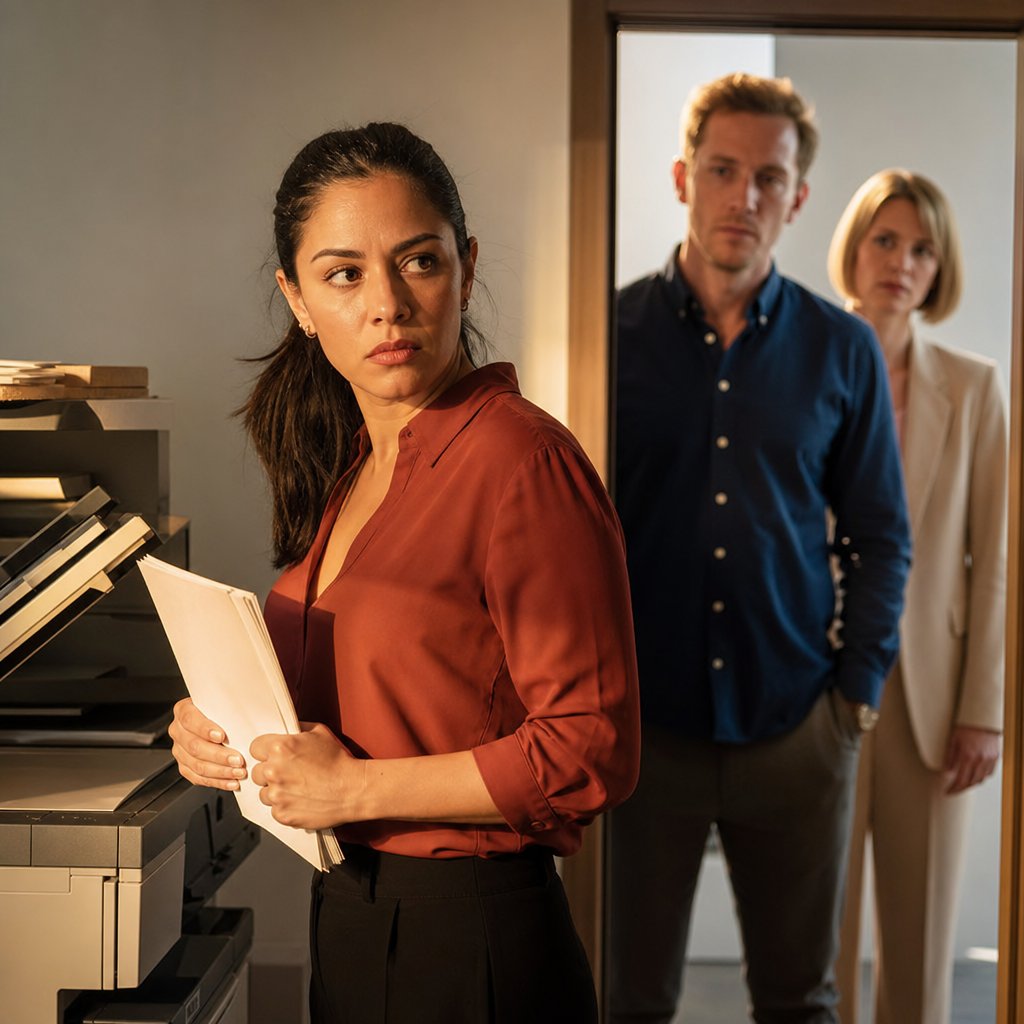
Lena reached for the printout like she could snatch it back into a world where none of this happened. Elliot’s voice went soft—too soft—when he said, “We can explain.”
I didn’t let go. My fingers stayed glued to the paper, the edge biting my skin, and I heard myself say, “Explain the part where you two have been married for… how long?”
Elliot’s jaw ticked. Lena’s eyes flicked—once—to the hallway, like she was checking whether anyone had wandered close enough to smell the smoke.
I went back to my desk on pure adrenaline and opened old project logs the way you open a wound you’ve been pretending is healed. I didn’t search “wedding.” I searched the thing they always used to justify the late nights: expense approvals. After-hours reimbursements. Little tidy lines of money with innocent labels.
And there they were, stacked like a deck of lies: “Training dinners.” Two approvers every time. Elliot and Lena. Same restaurant cadence, same time stamps, always after 9 p.m., always paired with the same vague “mentorship” note. The kind of dinners we joked about as date nights—except these were billed to the company, signed off by the same two people who’d just admitted they could “explain.”
One entry had a handwritten note in the attachment section—no details, just a single word: “anniversary.” My throat went dry as copier toner.
I printed it anyway, and as the warm pages slid into the tray, I realized the dates weren’t random—they lined up with every week I’d been told to “cover” for Elliot’s “client prep.”
Behind me, someone cleared their throat, close enough that I could feel the air shift.
The Seating Chart With Me

The next morning, the office felt like it was holding its breath. People smiled too quickly, then looked away like their eyes had bumped into something sharp.
I was pouring burnt coffee into a paper cup when I noticed the cluster by the snack shelf—three analysts pretending to compare granola bars while their faces did that strained, excited thing people do when they’ve got gossip that tastes expensive. One of them—Devin, always overly helpful—caught my eye and flinched like he’d been caught stealing.
“What?” I asked, already knowing I was about to hate the answer.
Devin’s cheeks went blotchy. “It’s… it’s nothing. It’s just—there’s a seating chart going around.”
I didn’t need to see a screen. I didn’t need the file. I knew by the way their shoulders angled away from me that my name was in it. My stomach sank anyway.
“Table 1 is executives,” Devin blurted, like ripping off a bandage. “Table 2 is—uh—the client procurement people. It’s like… strategic.” He said strategic the way you say contaminated.
I stared at him. “And me?”
He swallowed. “You’re listed as… ‘Mara (Elliot’s +1?)’ with a question mark.”
The question mark was the part that made it cruel. Not just using me—displaying me. Publicly positioning me like an accessory they couldn’t quite commit to, like a rumor they wanted to keep alive because it did work for them.
Across the kitchenette, I saw Lena step out of a conference room in a pale green dress, hair immaculate, laughing with someone from Finance like she’d never once watched me unravel.
I set my coffee down so carefully it barely made a sound, and started walking straight toward her.
Someone Cleaned My Trail
By lunchtime, I’d talked myself into a plan: collect everything, quietly, before they could spin it into some “misunderstanding.” I went back to my desk, plugged in my charger, and finally opened my laptop like it was a safe.
A security update prompt popped up—mandatory, non-deferrable. The kind with the cheerful corporate tone that makes you feel powerless. I clicked “Restart” because what else was I going to do, fight the machine in the middle of the floor?
The reboot took forever. Fans whirred. My palms sweated against the edge of the desk. Around me, the office kept moving—keyboards clacking, a chair squeaking, someone laughing too loud by the windows—like my world wasn’t about to tilt.
When the login screen finally returned, I typed my password with shaking fingers and opened my local archives first. Empty. Not “can’t find.” Not “corrupt.” Just… gone, like they’d never existed.
I clicked into Sent. The folder loaded fast, too fast, and I immediately saw it: a neat, curated little timeline. Recent pleasantries. Harmless check-ins. None of the late-night threads. None of the “per our conversation” receipts. None of the drafts I’d saved when Elliot told me to “keep it off email.”
My scalp prickled. I checked the trash. Empty. I checked the archive. Empty. I felt cold in a way air conditioning can’t do.
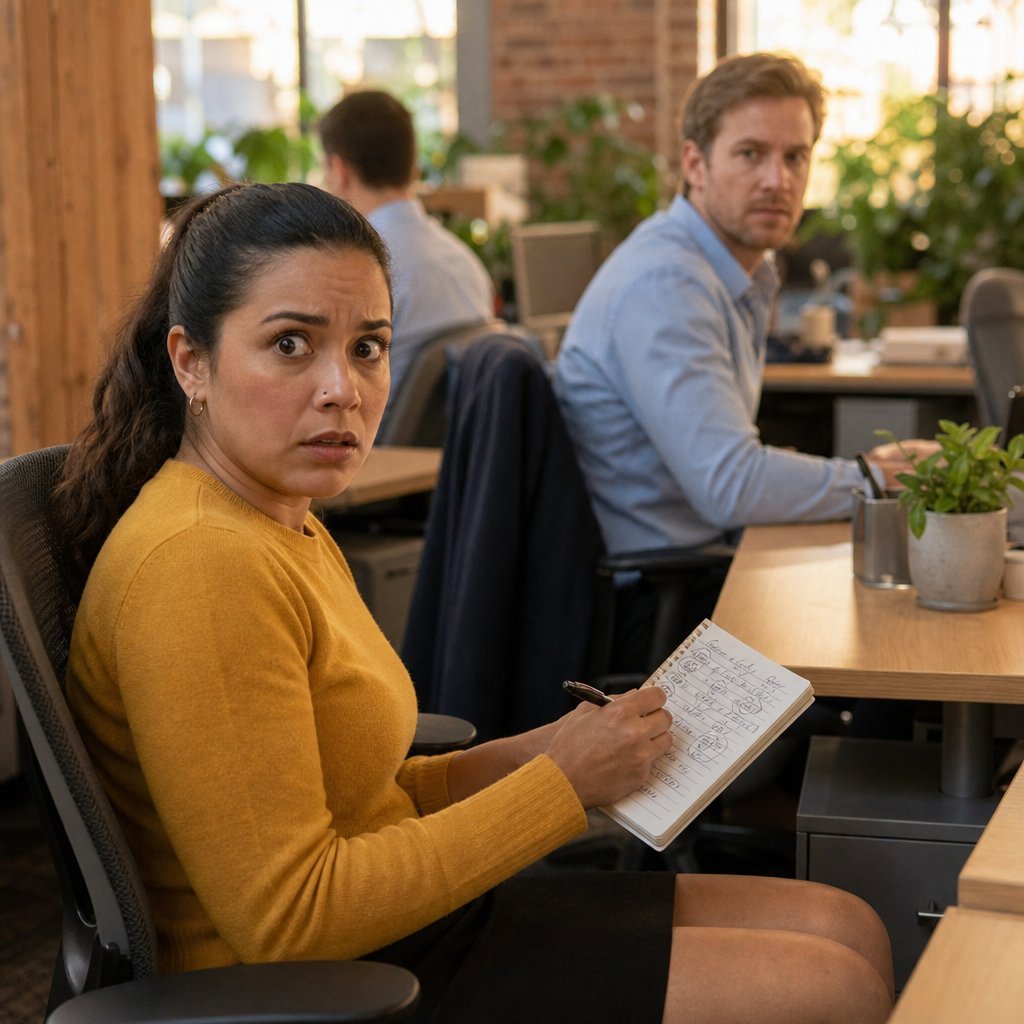
I looked up and caught Elliot across the aisle, half-turned in his chair, watching me like he was waiting to see if the trap had snapped shut. He lifted his eyebrows in a tiny, fake-friendly question.
I didn’t blink. I reached for my notebook, the one thing they couldn’t remote-wipe, and started writing down every date I could remember—every “training dinner,” every late night, every favor.
Then my email refreshed on its own, and a new system notification slid into view—something about “account changes.” My pen froze above the page.
The HR File With A Codename
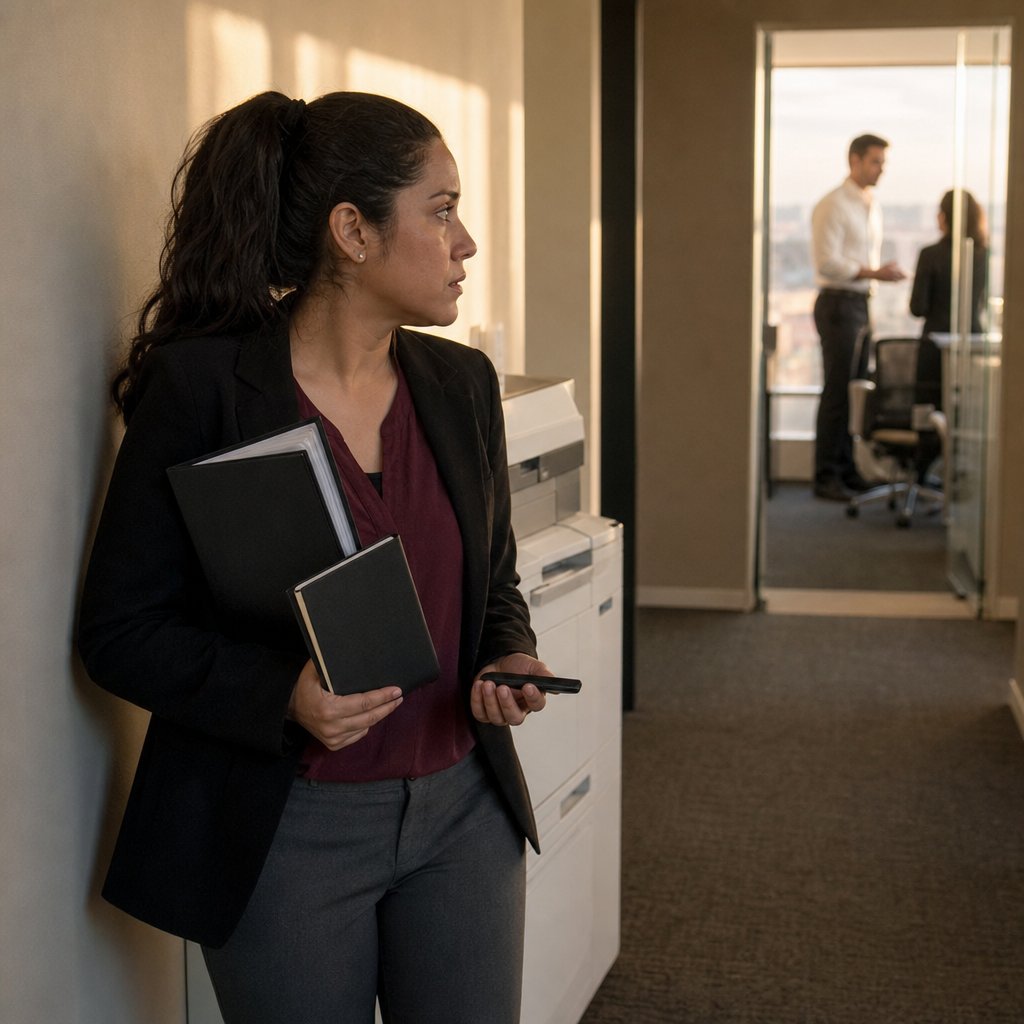
I stopped trusting anything that lived in a neat folder. So I went hunting where people forget things exist: the shared compliance repository everyone swore was “locked down.”
I used the smallest access I had—just enough to see directory names, just enough to notice what didn’t belong. The codename hit me like a slap because it wasn’t random. It matched our biggest client account, the one that paid for half our floor’s salaries and all of Elliot’s swagger.
The folder wasn’t labeled “Investigation.” It was labeled like a project. Like a deliverable. Like something you’d bury in plain sight.
Inside were PDFs with redacted blocks and neat timestamps. No readable text, thank God—I wasn’t about to print a confession onto a copier that probably had a memory. But the metadata was enough. The access logs were enough.
Two names kept appearing in the “last viewed” list like they owned the truth: Elliot. Lena.
My mouth tasted metallic. I could almost hear Lena’s voice from yesterday—calm, managerial—saying, “This is bigger than you think,” like that was supposed to comfort me instead of terrify me.
I built my own packet the old-fashioned way: notebook pages, reimbursement dates, who approved what, which “training dinners” aligned with which client milestones. I added the seating chart detail because the question mark wasn’t just petty—it was positioning. It was intent.
Then I found the client’s compliance hotline number in the vendor handbook binder by the printer—paper, blessed paper—and wrote it down with a pressure that dented the page. My phone sat face-down beside me like a loaded weapon.
I thumbed the call button, staring at Elliot’s glass office across the floor. Through the window, he was smiling at someone, relaxed, like a man who believed the story was already written.
The hotline rang once. Twice. My finger hovered over “end call,” and I realized I was about to light a match inside a room full of gas.
The Restructuring Was Their Gift

Wedding weekend arrived like a threat dressed as a celebration. I flew out with my stomach in knots, telling myself I was just there because “team optics” mattered, because our client renewal was weeks away, because Elliot had made it sound mandatory without ever saying the word.
The hotel ballroom smelled like citrus cleaner and expensive flowers. Everyone was in their best “we’re a family” outfits—linen, pastel dresses, suits without ties—like we weren’t all quietly calculating who would survive the next quarter.
Right before the welcome reception, the CEO clinked a glass and stepped up to the mic with that polished grin that always meant someone’s life was about to change. “Surprise announcement,” he said, and the room leaned in like it was gossip instead of corporate violence.
He talked about “agility.” About “alignment.” About “reducing friction.” Every word felt like a blade with a smiley face sticker on it.
Then he said it: a restructuring. HR compliance would merge with Client Solutions. Effective immediately. And leading the combined function—overseeing policy, investigations, and client delivery—would be Lena.
I felt my face go hot. My team. My pipeline. My access. My future—all now under the woman who’d been quietly married to the man who’d been quietly using me as his buffer.
Around me, people started clapping because clapping is what you do when the CEO makes your stomach drop. Lena stood, one hand pressed delicately to her chest like she’d been surprised—like she hadn’t known this was coming. Elliot clapped the loudest, eyes shining, the proud husband act suddenly safe to perform.
I looked for the client procurement lead in the crowd and found him near the bar, watching Lena with the kind of interest that wasn’t professional. His gaze slid to me, paused, and then he smiled like we shared a secret I hadn’t agreed to.
The Toast That Gave It Away
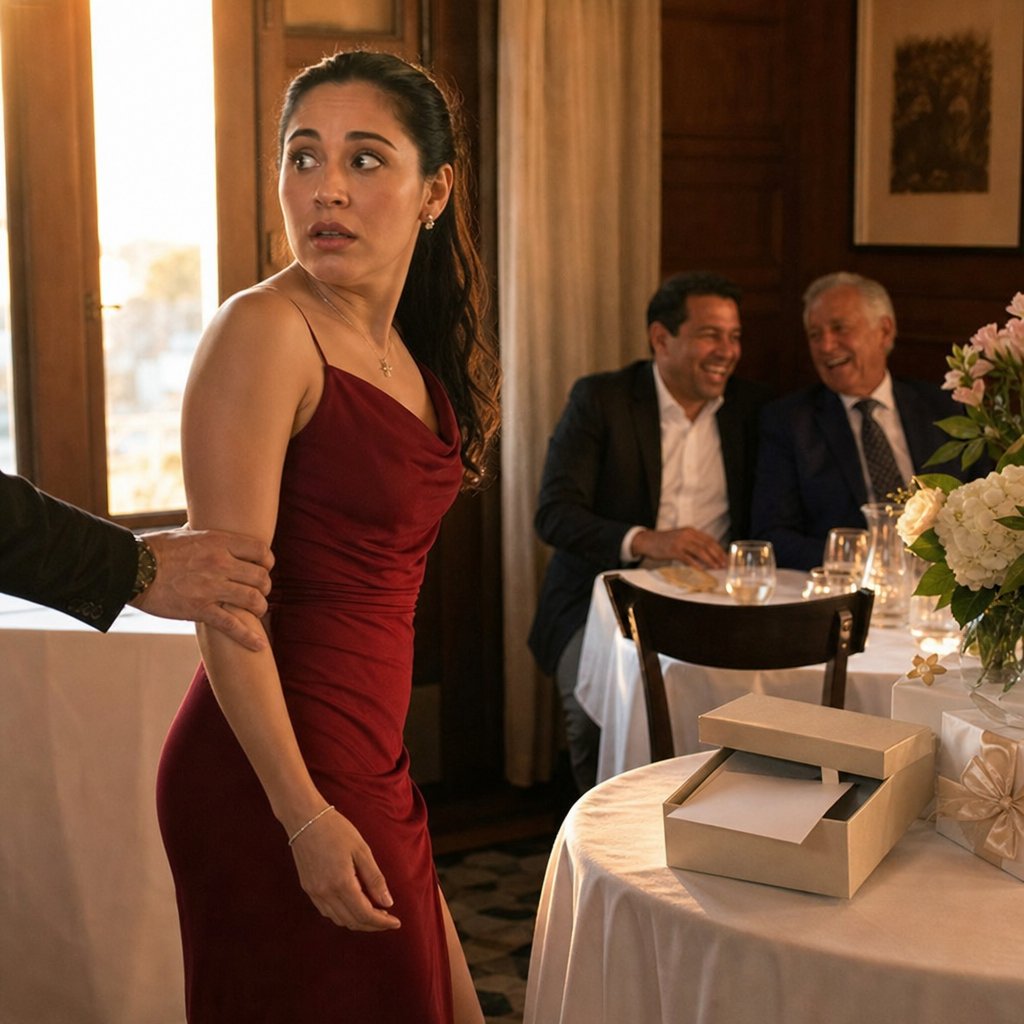
The rehearsal dinner was staged intimacy: long tables, flickering candles, place cards I wasn’t allowed to touch, and laughter that sounded like people practicing for cameras.
I wore a deep red midi dress that made me feel like a warning sign. Elliot avoided sitting beside me—of course he did—but he kept finding ways to brush past, to murmur, “Please don’t do anything tonight,” like I was the liability and not the woman he’d turned into cover.
Then the best man stood up. Not one of Elliot’s college friends—someone from Finance with slick hair and a too-easy grin. He tapped his glass and the room quieted, forks pausing mid-air.
“To Elliot and Lena,” he said, “a couple who’s always been… practical.” Practical landed wrong. People chuckled anyway, because they didn’t want to be the only one not in on the joke.
He kept going. “Some people marry for love. Some people marry because the timing is right. And some people—” he lifted his glass toward them, eyes glittering “—marry for reasons that make everything else possible.”
My skin tightened. Lena’s smile didn’t falter, but her hand slid under the table and gripped Elliot’s knee like a warning. Elliot swallowed so hard I saw it from three seats away.
I excused myself under the pretense of finding the restroom and drifted past the gift table, where a stack of RSVP envelopes sat in a decorative box. I didn’t open anything. I didn’t need to. One envelope was already half-slipped out, the name written in thick marker.
“Witness.”
I followed the line of sight from that envelope to the corner of the room where the client’s procurement lead was laughing—actually laughing—with our CFO, their shoulders angled close like old friends.
My throat closed. Witness wasn’t a cute wedding role. It was a signal. A shield.
I backed away, heel catching on the rug, and the envelope slid further out of the box, like it wanted to be seen.
The Stairwell Ambush
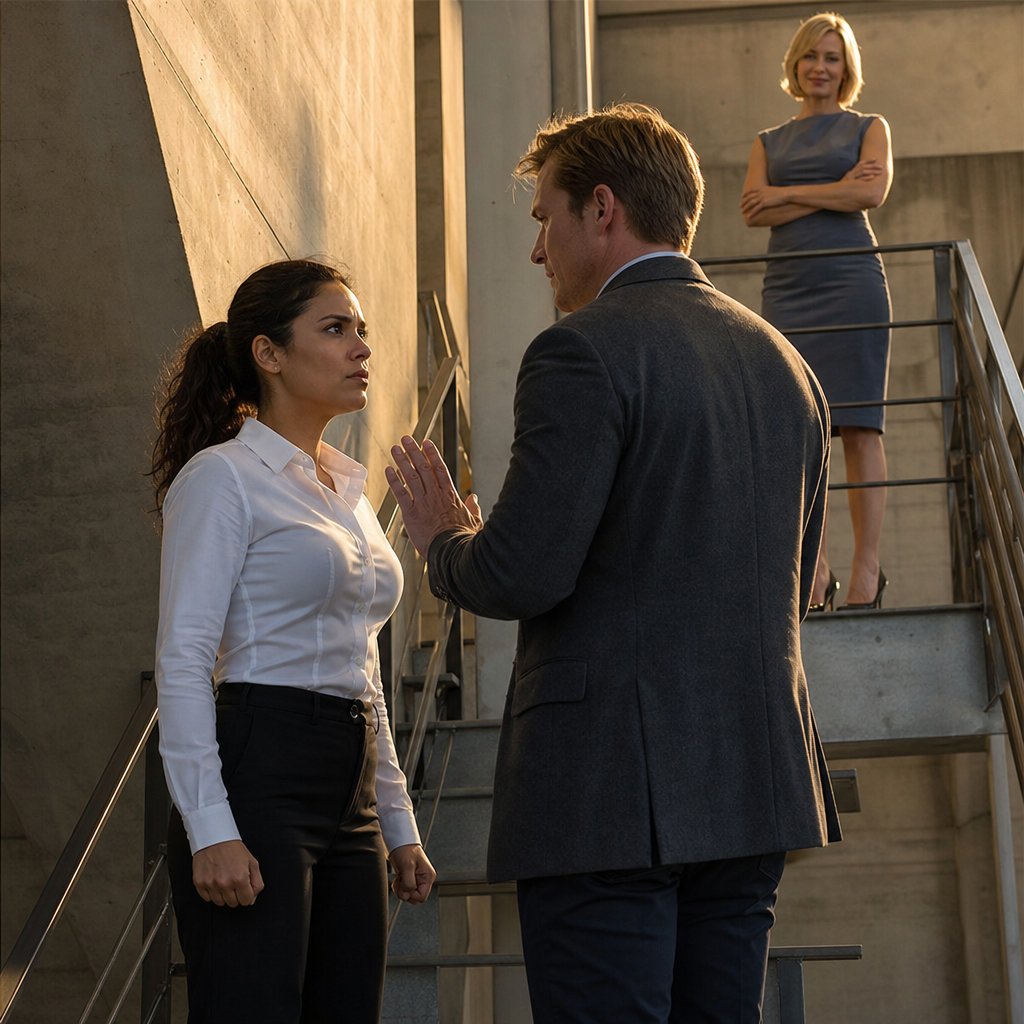
Monday morning, the office didn’t feel like work. It felt like aftermath.
Two IT guys I’d never seen before stood by the server closet with rolling cases, faces blank, eyes darting. Conference rooms were suddenly “reserved” with doors shut. People spoke in murmurs, like the walls had started recording. The air smelled faintly like dry-erase markers and panic.
I walked in wearing black slacks and a crisp white blouse, hair pulled tight into my ponytail like I could physically hold myself together. My badge worked, but the second I stepped onto the floor, I felt eyes land on me and then slide away.
Elliot caught me near the hallway that led to the stairwell. He didn’t touch me—smart—but he stood too close, blocking the flow of people like he owned the oxygen.
“Mara,” he said, voice low and urgent. “Please. Just—two minutes. I can explain.”
“You’ve said that before,” I snapped, and the satisfaction of watching his flinch was immediate and petty and not enough.
He glanced around, then tipped his head toward the stairwell door. “Not out here.”
I should’ve walked away. Instead I followed, because I needed to see him sweat without an audience. The stairwell smelled like concrete and old rain. Our footsteps echoed, too loud, too intimate.
He turned on the landing, hands up like he was talking to a skittish animal. “You don’t understand what they’re doing,” he said. “What Lena’s doing. What—”
“What you did,” I corrected.
His eyes flashed. “I was trying to protect you.”
I laughed—one sharp sound that bounced off the walls. “By listing me as your plus-one with a question mark?”
He opened his mouth, and that’s when the door below us clicked. Slow footsteps climbed, unhurried, like whoever it was already knew exactly what they were walking into.
Lena appeared on the next landing up, perfectly composed in a slate-blue pencil dress, blonde bob smooth as a blade. She looked at Elliot first, then at me, and her smile was tiny and lethal—like she’d been there all along.
The Certificate Dated Two Years
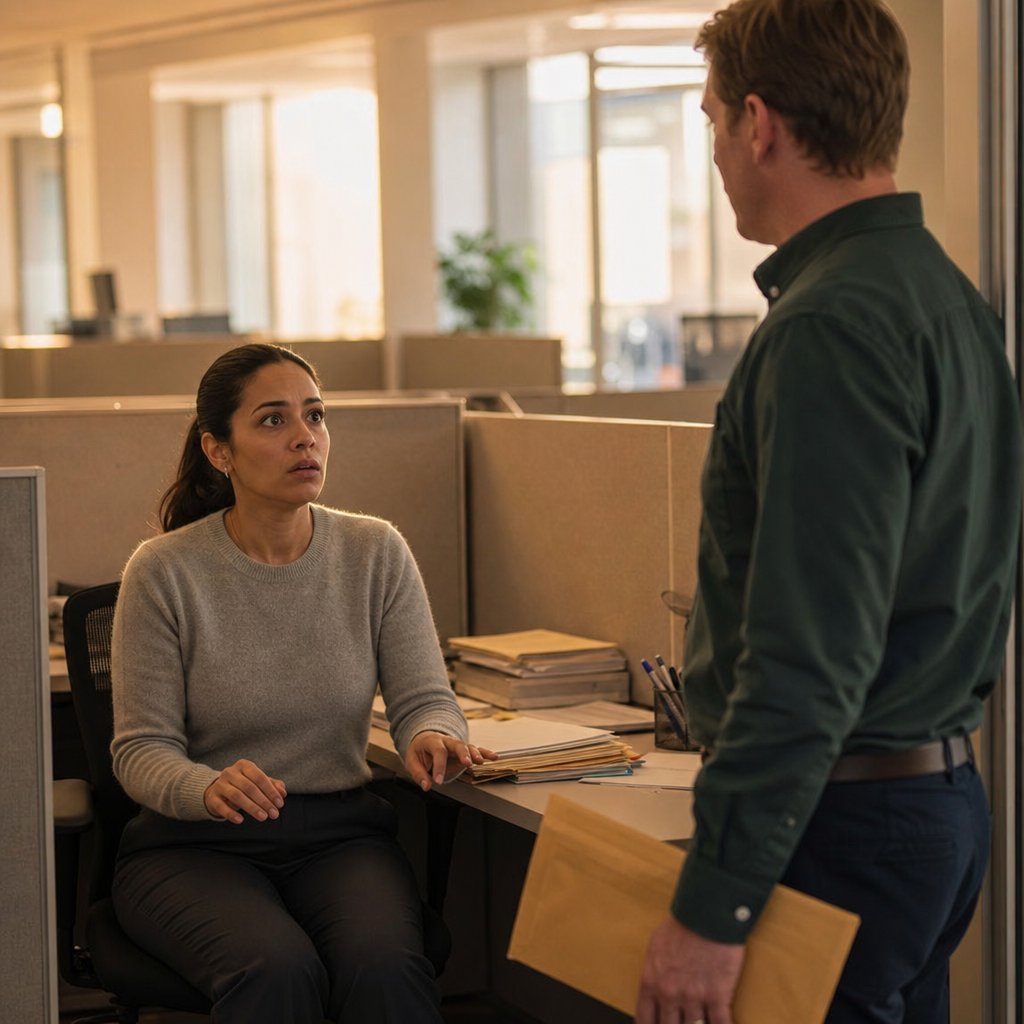
I made it back to my desk like I was walking through water. Lena’s “now” followed me in my ears, but she didn’t chase me. That was the part that scared me most—she didn’t need to.
I sat down, forced my breathing to slow, and tried to look normal while my insides screamed. The office buzzed with that fake productivity people put on when they’re terrified of being noticed. Somewhere, a door clicked shut and stayed shut.
My inbox pinged. One new message. No name I recognized—just a blank-looking sender and a subject line that made my stomach drop before I even touched my mouse.
I opened it.
There were attachments. Not a long note. Not a threat. Just documents, like someone was sliding evidence across a table and watching to see if I’d pick it up. I printed nothing. I didn’t forward. I just stared until my eyes started to burn.
The first attachment was a scanned marriage certificate. Elliot and Lena. Official. Stamped. Dated two years earlier.
Two years.
Two years of late nights. Two years of “work spouse” jokes that weren’t jokes. Two years of Elliot letting me take heat in meetings while Lena sat in HR compliance like a quiet judge. Two years of them watching me get promoted and praised and resented—perfectly placed.
The second attachment was worse because it was deliberate: a post-nup. Not romantic language. Contract language. Clauses that sounded like HR wrote their vows.
I saw phrases that made my blood go cold: “employment contingencies.” “Non-disparagement.” And our agency name referenced like it was a third party in their marriage.
I felt the room tilt. This wasn’t an affair. This wasn’t even a secret marriage.
This was infrastructure.
My phone vibrated face-down beside my keyboard at the exact same moment someone knocked—once—on the glass wall of my cubicle.
Would you confront coworkers about mixing work and marriage contracts?