



Brett Zeroed In On Keys
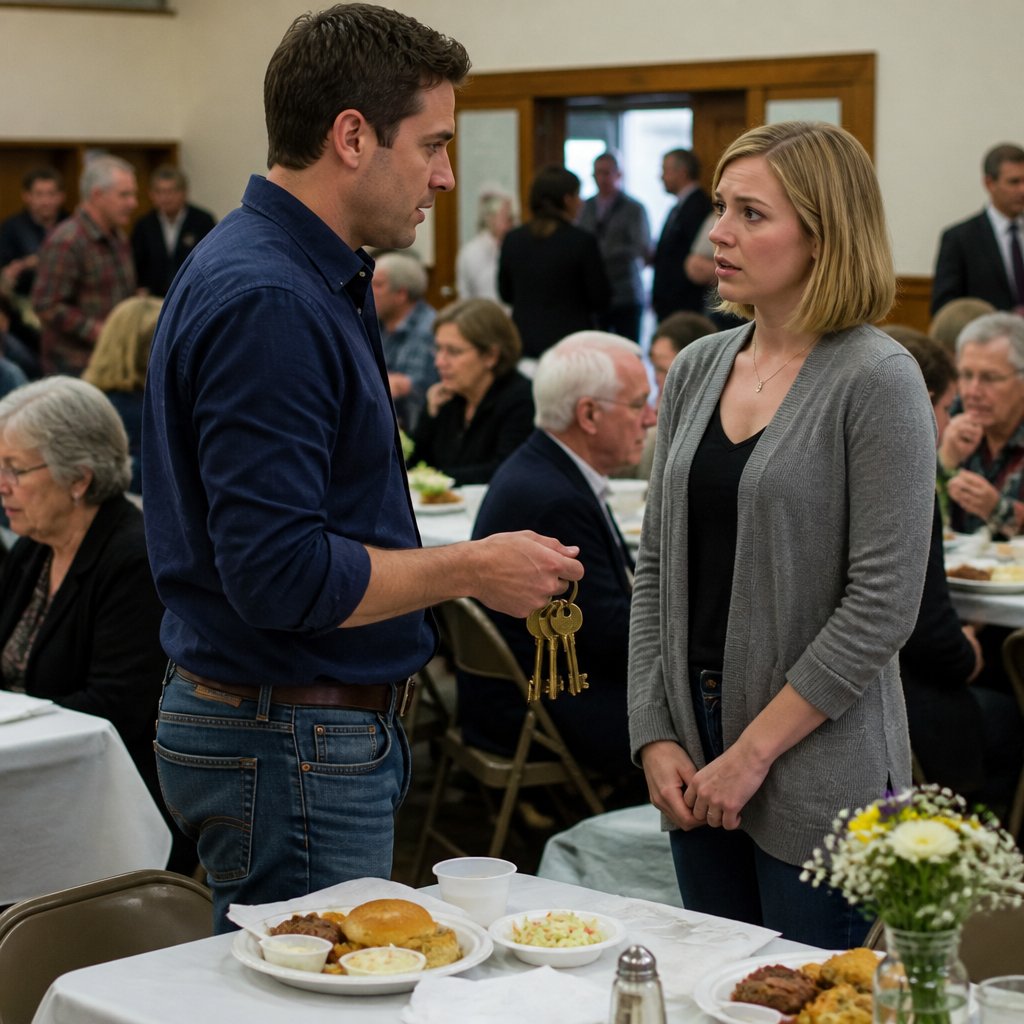
The funeral luncheon was quiet, filled with soft murmurs and the clink of silverware against paper plates. I sat across from Brett, who seemed unusually focused on the small pile of Grandma’s things on a side table—her worn leather purse, a set of keys, a faded pair of reading glasses. Without asking, he reached over and picked up the keys, turning them over in his hand like a treasure.
"I’ll handle the paperwork," he said, his voice steady but with an edge that made me uneasy. Everyone else nodded, perhaps trusting him because he always had a way of stepping up. But I felt a knot tighten in my stomach. This was more than just helping out—it was like he was already staking a claim.
Outside, the smell of fried chicken and baked beans mixed with the faint scent of Grandma’s perfume still in the room. I watched Brett carefully as he slipped the keys into his pocket. I wondered what he was planning and how long he had been waiting for this moment.
The Hidden Amendment Page
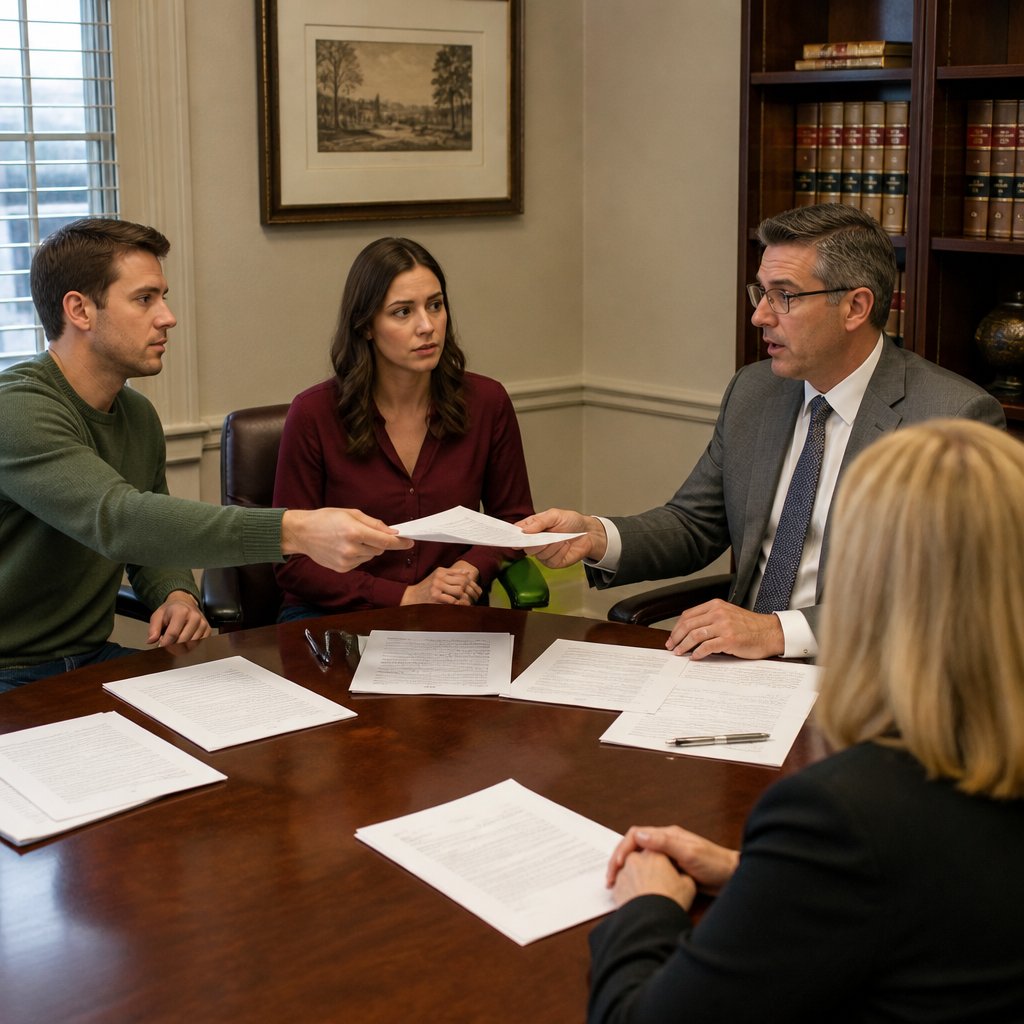
The law office was lined with shelves heavy with dusty books and framed degrees. We gathered in a small conference room with a polished wooden table. The attorney, a calm man with silver hair and round glasses, began reading Grandma’s will and trust documents aloud. Everything felt routine, like a formality everyone had been expecting.
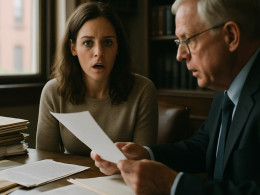
Then Brett slid a single piece of paper across the table. It was loose, not bound like the others. "This is a First Amendment to the trust," he said casually, looking at the attorney. The room stiffened. None of us had seen or heard about this page before. The attorney frowned, flipping through his files quickly but not finding any mention of it.
The paper had no letterhead, just typed words and signatures that seemed official. The unexpectedness of the moment made my throat dry. Brett's eyes were calm but sharp, like this was the advantage he’d been waiting for.
The Amendment’s Harsh Terms
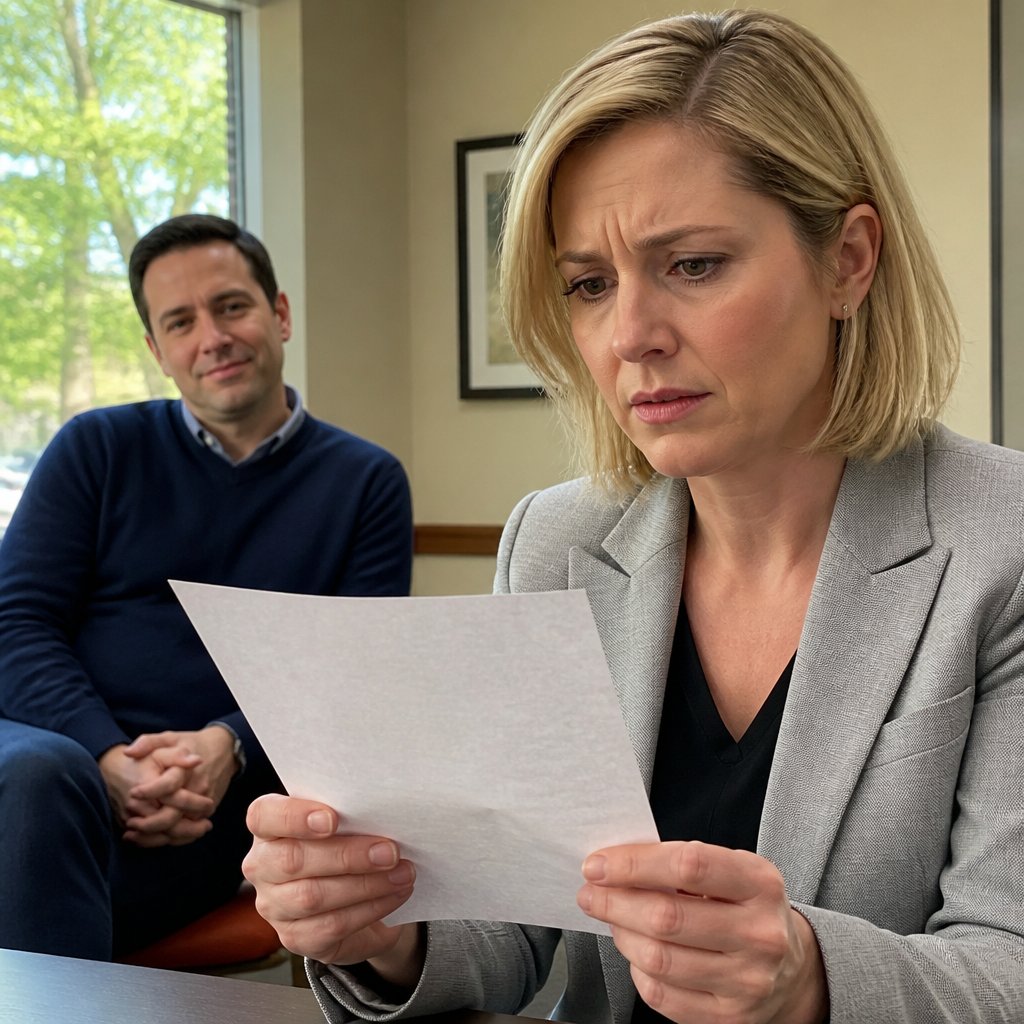
We all leaned in as the attorney read the amendment aloud. The wording hit me like a punch to the gut. Brett was named the beneficiary of Grandma’s house, her rare coin collection, and the remaining trust funds. My share was reduced to a small sum labeled "for errands and minor expenses."
Everything I had thought was certain suddenly seemed fragile. The weight of that page in my hands grew heavier with every word. Brett sat back, a faint smile touching his lips, while I fought the rising tide of disbelief and hurt. The room felt colder despite the summer sun outside.
Somewhere in the background, I could hear the quiet hum of the air conditioner. It was as if the amendment had shifted the balance in the room—and maybe in our family—for good.
The Page Didn’t Feel Right

As I studied the amendment page more closely, something caught my attention. The paper’s tone was different from the other documents—thicker, almost like a fresh sheet from a printer rather than the aged parchment of the rest of the trust. When I brought it up, a faint smell caught my nose: the sharp, recent scent of toner.
It was subtle, but I knew that smell well from my days helping Grandma with letters and bills. This page felt out of place, like it had been printed recently and slipped in later, not part of the original file. It was the kind of detail only a close family member would notice, and I wondered if anyone else had picked up on it.
Holding the paper, the smooth texture didn’t match the slight yellowing of the other pages. It made me doubt what I was hearing, but I wasn’t sure how to say it aloud without sounding suspicious or ungrateful.
Disputed Origins Of The Page
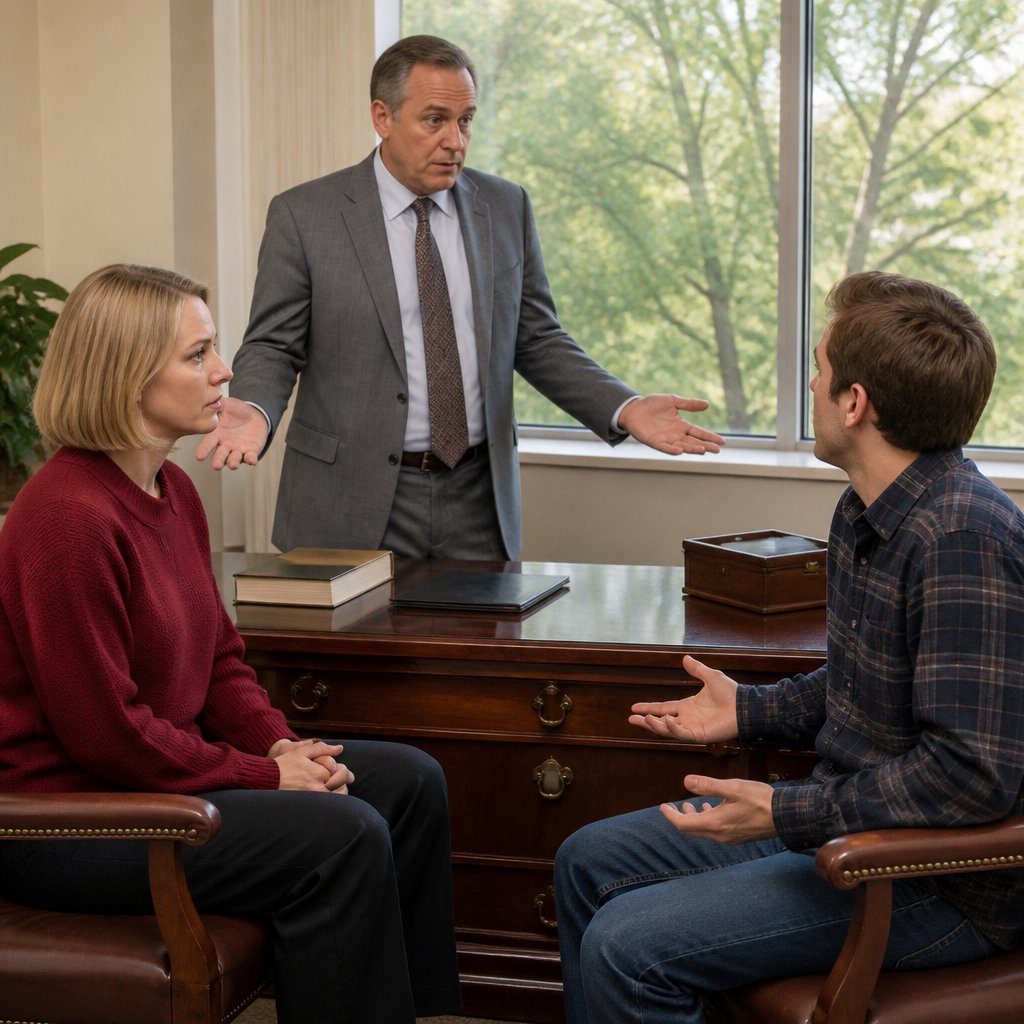
The attorney admitted he had never seen the amendment page before, his voice steady but cautious. He hadn’t received it with the original trust documents, and there was no record of it in Grandma’s files at the firm. When I looked to Brett for answers, he said he’d found it while cleaning out Grandma’s old desk.
That explanation only raised more questions. If the page was authentic, why wasn’t it ever turned over earlier? And if it was hidden in the desk, how had no one else noticed it until now? The line between a simple find and something more deliberate blurred in the room.
Outside, birds chirped faintly through the office window, contrasting with the tension inside. I tried to keep my expression neutral, but I was already planning what to do next to figure out the truth.
Family Pressure Mounts Quickly
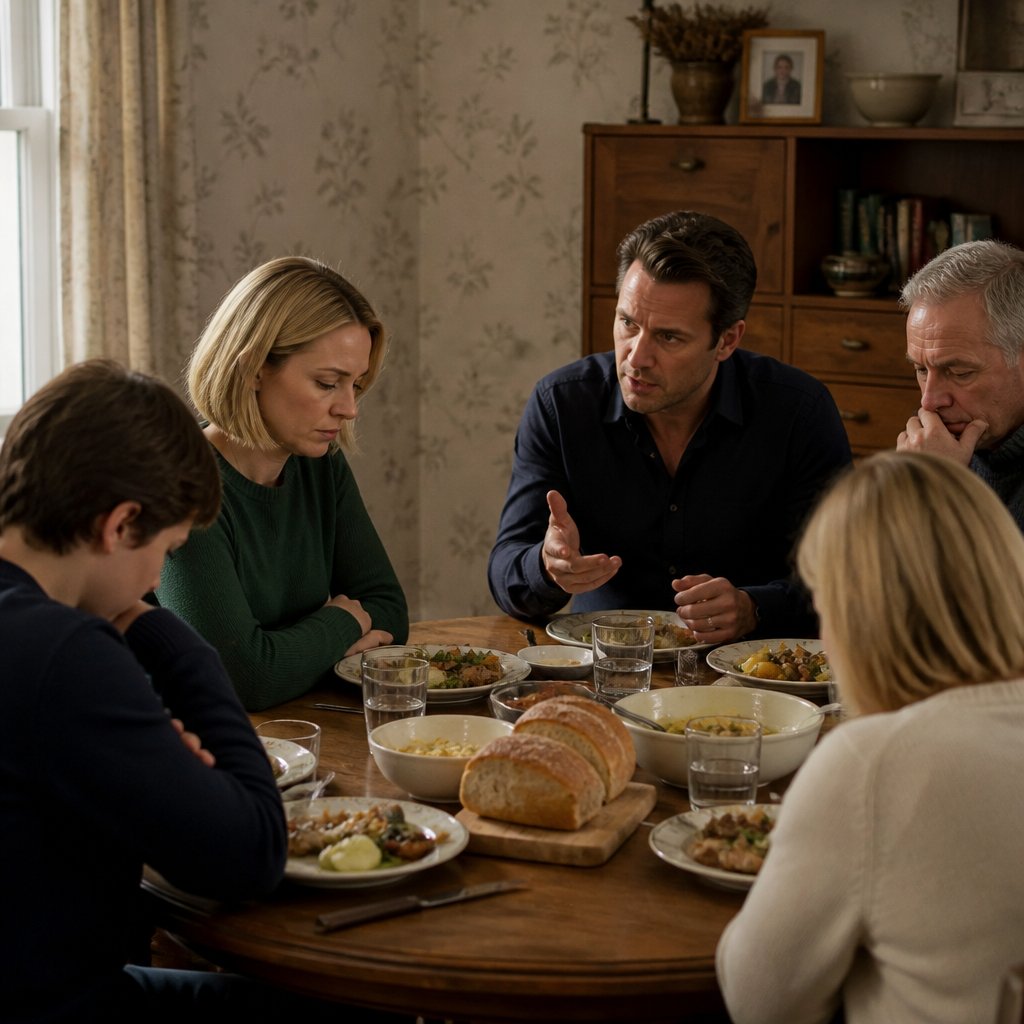
Family gatherings became charged with tension. Brett demanded the amendment be honored, speaking over any dissent with a calm but firm voice. He framed me as "controlling," the one trying to stir conflict where there was none. It wasn’t just about the trust anymore—it was personal.
At one dinner, cousins exchanged uneasy glances as Brett told everyone I was causing drama and refusing to respect Grandma’s wishes. I felt isolated, caught between wanting peace and knowing I couldn’t let this go. The scent of baked bread from the kitchen reminded me of lighter times, but those moments felt distant now.
The hardest part was watching family members I’d trusted start to pull away, unwilling to cross Brett or question the new amendment. The fight was no longer just legal; it was fracturing us.
Drawers Dug Through At Home
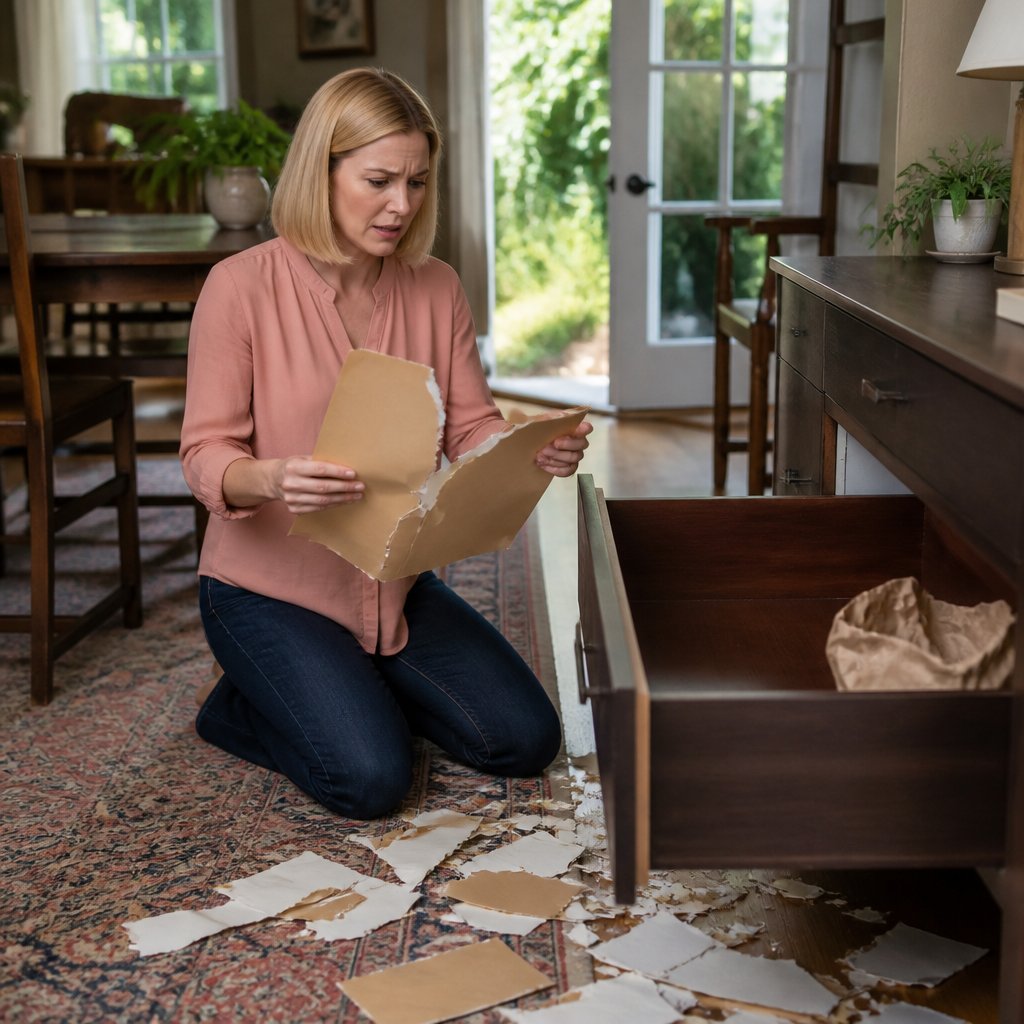
Back at Grandma’s house, I started going through her desk and drawers, trying to understand what Brett might have found—or taken. I opened a bottom drawer and found it emptied, its contents tossed into a worn grocery sack. Files were jumbled, and the tabs that labeled important documents had been torn off.
The smell of old paper mixed with a faint trace of dust and something cleaner, like a recently wiped surface. It was clear someone had searched thoroughly and scrubbed away any easy clues. The disorder was unsettling after years of Grandma’s careful organization.
I sat on the floor, looking at the empty drawers and the scattered papers, realizing the fight was deeper than I imagined. Someone had been here, and they’d been very deliberate.
Grandma’s Hidden Warning
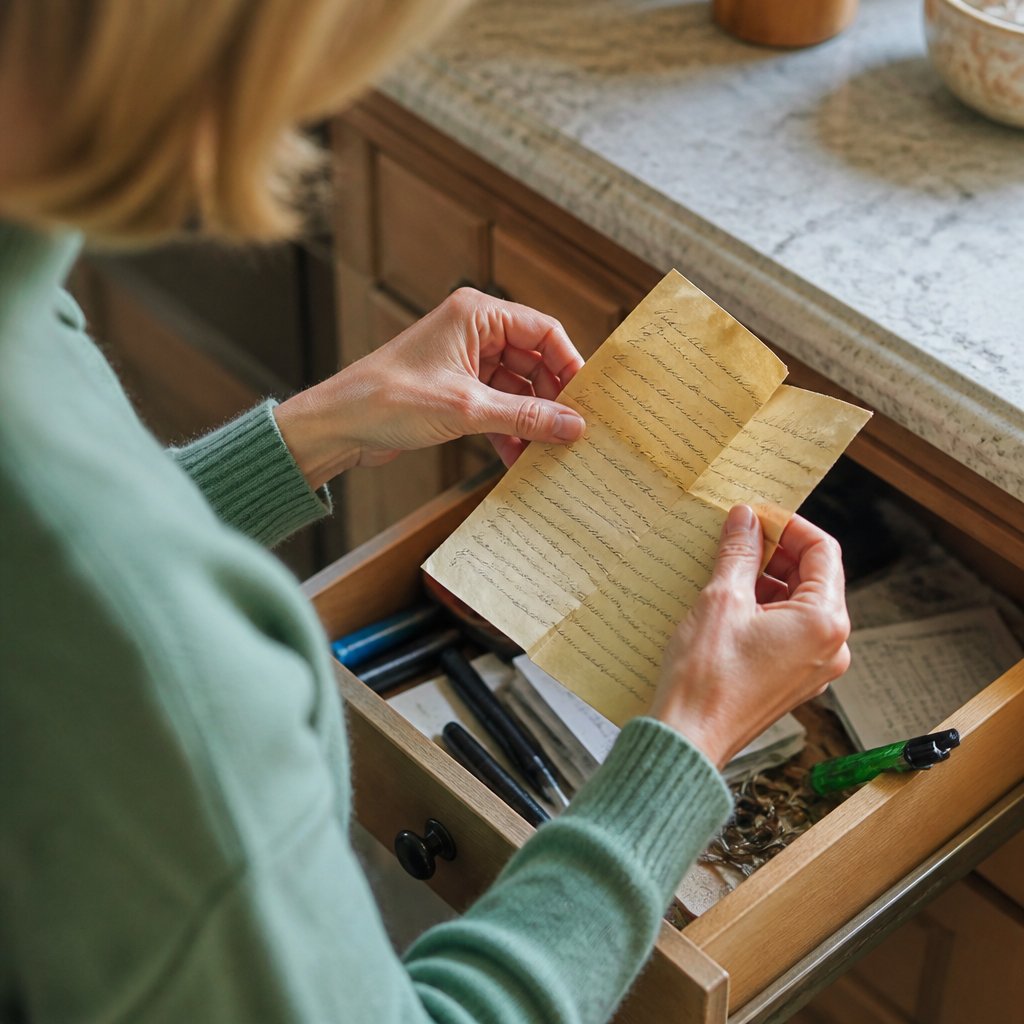
In the junk drawer, beneath a pile of old receipts and random pens, I found a folded note written in Grandma’s familiar handwriting. It read: "Trust binder stays at bank. Do not let Brett handle." My heart thumped as I traced the letters with my finger, the paper worn but still clear.
The warning felt like a lifeline. Grandma had been cautious, maybe even fearful of what Brett might do. The faint scent of lavender clung to the note, a reminder of her presence in the house that now felt hollow.
This little piece of paper was a direct challenge to the amendment Brett had produced. It was proof that something wasn’t right, but how to use it without making everything worse was the question hanging over me.
Bank Reveals Late Access

At the bank, the manager told me the safe-deposit box had been accessed twice in the last months of Grandma’s life. Each time, the entry was authorized by a notarized power of attorney form. The realization that someone had a clear channel inside made my stomach turn.
The faint click of the metal lock echoed as I glanced at the sealed box nearby. It was like the final barrier between us and the truth, but also a sign of how carefully someone had planned things. The bank’s records didn’t name who held the authorization, only that it was valid and notarized.
I left the bank with more questions than answers, the smell of leather from the vault door lingering behind me. Someone had been quietly reshaping Grandma’s affairs while she was still alive.
Locked-Out By Brett’s Silence
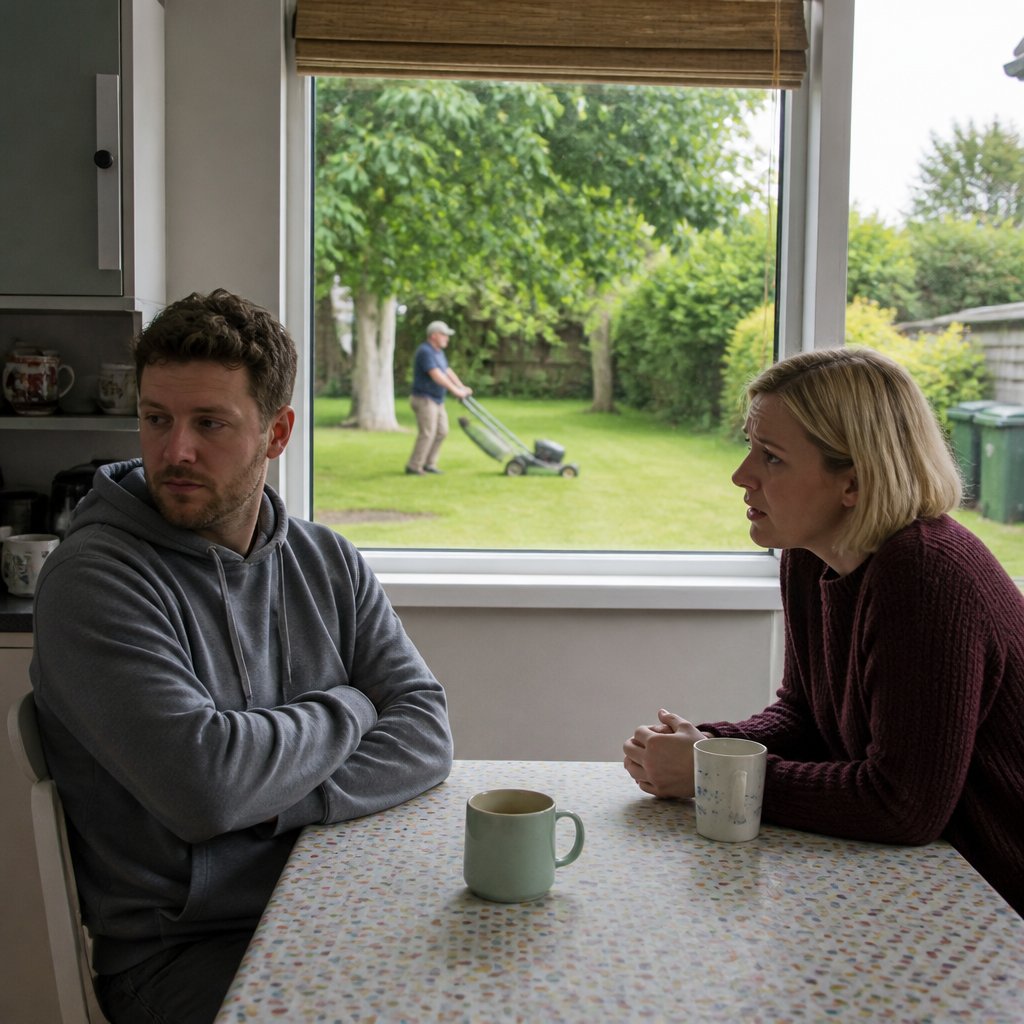
The bank told me they couldn’t release the notarized authorization to anyone but the trust’s current trustee. I pressed Brett for answers, but he acted bewildered, pretending not to know anything about the documents or the safe-deposit box access. His casual ignorance frustrated me—the locked door between me and the truth.
We sat in the kitchen where Grandma once kept her weekly planner. The silence between us was thick, broken only by the distant sound of a lawnmower outside. Brett’s shoulders were relaxed, but I could see the careful calculation in his eyes as he avoided my questions.
The stalemate was clear: without Brett’s cooperation, the bank’s records might as well be sealed forever, and my search for the truth stalled at the gates of trust and family.
Notary Stamp Led Back To Brett

I dug into the notary stamp number on that supposed amendment. The digits traced back to a shipping-store notary service just blocks from Brett’s office. It felt like too much of a coincidence. Why would Grandma’s trust amendment be notarized at a place so close to him, especially when I knew she usually handled legal matters through her longtime attorney?
There was something off. Grandma had been meticulous in how she handled her documents. Suddenly, this amendment appeared, notarized at a place she never mentioned. I wondered if Brett had slipped this page in under the radar. I pictured the small storefront—the fluorescent lights, shelves of packing materials, a cashier in a plain shirt scanning a box. I had to know what the notary would say about the circumstances.
So, I called the shipping store’s notary. The clerk sounded unsure but confirmed the stamp number matched theirs. They said the signature on the amendment’s notary section matched one of their employees. But no records indicated Grandma was even in the store that day. I had to get more details, but Brett's denial still blocked my access to the official notarized authorization at the bank. I was stuck halfway between a lead and a wall.
Notary Admits Grandma Was Absent
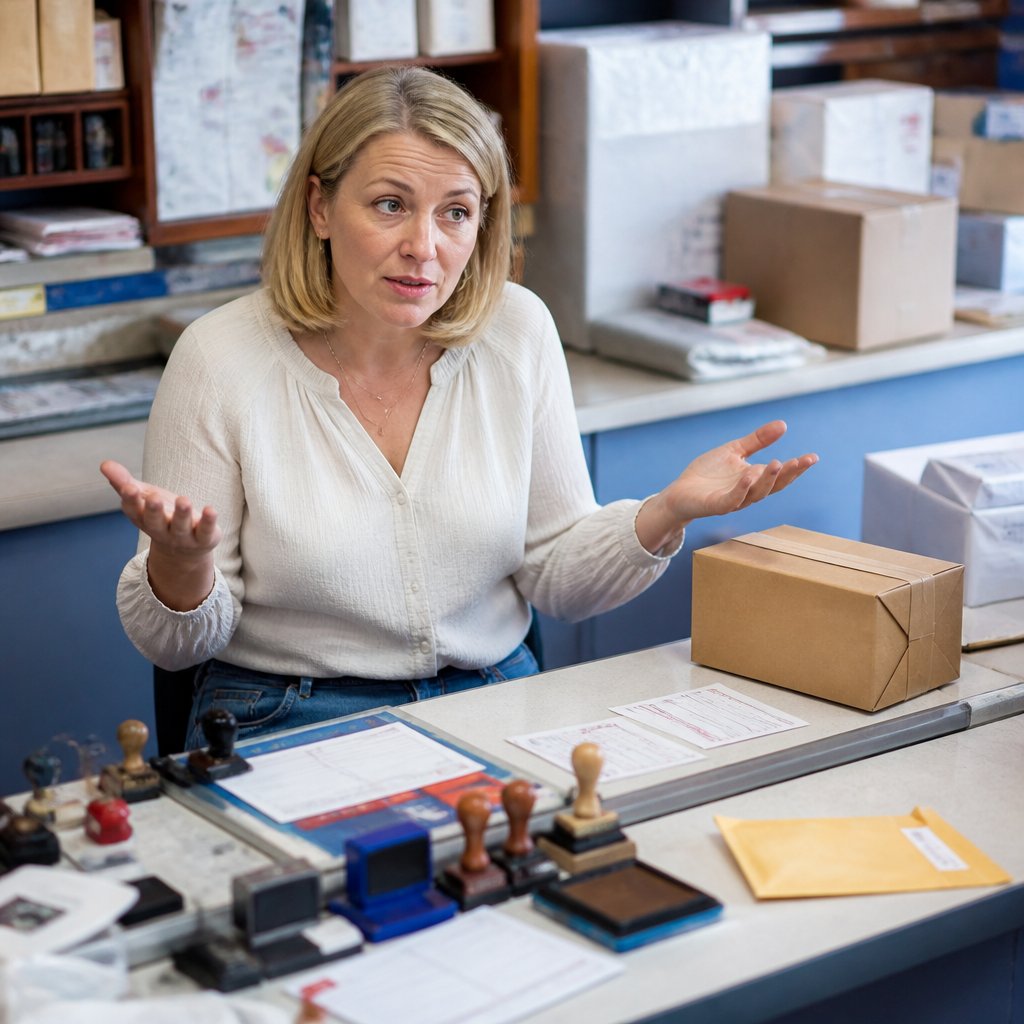
I arranged to meet the notary in person at the shipping store. She wore a simple blouse and jeans, sitting behind a cluttered counter littered with stamps and forms. When I asked about Grandma’s presence, her face tightened. She admitted Grandma hadn’t actually come in that day; instead, she said she had ‘assumed’ permission to notarize because Brett had handed over the papers.
Her voice was hesitant as she explained that Brett seemed in a rush and confident. No ID was shown, and no one else witnessed Grandma’s signature. The notary’s casual assumption felt wrong, wrong in a way that made me question the entire document’s validity. I could almost taste the sterile scent of the store’s air mixed with the faint smell of packing tape as she spoke.
This was more than a procedural error—it was a violation of the strict rules surrounding notarization. If Grandma hadn’t personally signed in front of the notary, the amendment’s notarization was invalid. I knew this was a critical crack in Brett’s story. But confronting him with it could escalate things—and I wasn’t sure I was ready to stir the hornet’s nest yet.
Brett’s Lawyer Issues Threat
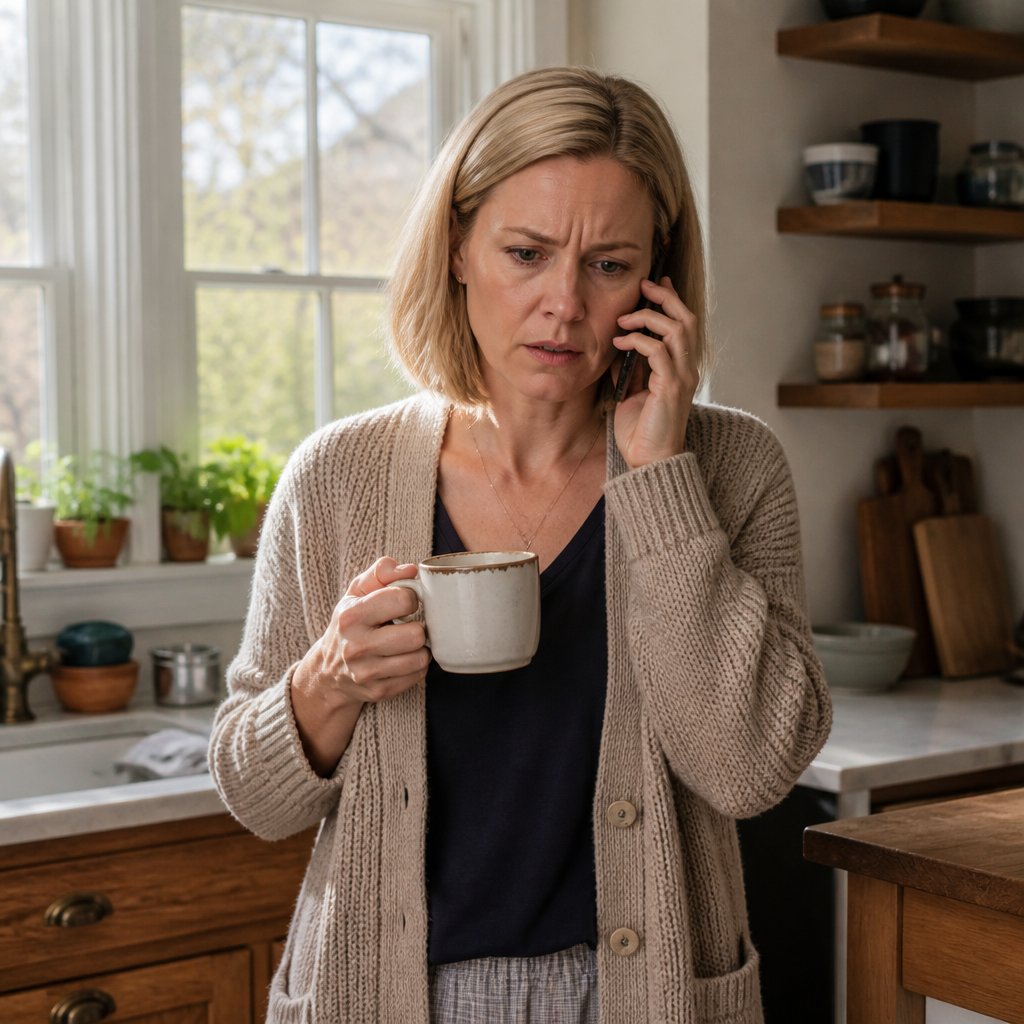
As I pressed contacts connected to the amendment, the tone shifted sharply. Brett’s lawyer called me one afternoon, their voice cool and firm. They warned that continued contact with notaries and witnesses could be considered harassment and defamation. Any further digging would risk dragging me into costly legal battles.
I was standing in my small kitchen, gripping a ceramic mug with a faint chip on the handle. The sharpness of their message cut through the warmth of the morning light filtering through the window. The lawyer’s words weren’t just about the law—they were a warning to back off.
It was clear Brett’s side was ready to fight hard. They wanted to raise the stakes, make me think twice before chasing the truth. I felt the pressure mounting—not only from the legal threat but from the cost it could drain from me. Still, I knew I couldn’t let this slide. But how far could I go without getting swallowed whole by the mess?
Attorney’s File Lacked Amendment

I managed to get hold of a copy of Grandma’s trust documents from the drafting attorney’s office. The file was a thick binder with the official trust papers, each page carefully numbered and bound. As I thumbed through, my heart sank—the amendment page was missing. More tellingly, the page numbering left no room for any additions beyond what was in the binder.
The office smelled faintly of leather and paper. The secretary handing me the file wore a neat blouse and slacks, polite but clearly wary. It was as if the file itself was a silent testament to the truth—everything was where it should be, except that amendment.
This discovery meant the amendment had likely never been drafted by Grandma’s attorney. If the page was forged or slipped in later, it cast serious doubt on Brett’s claim. But confronting him with this knowledge had its own risks. Was there more I needed to uncover before I could challenge this directly?
Attorney Recalls Grandma’s Last Meeting
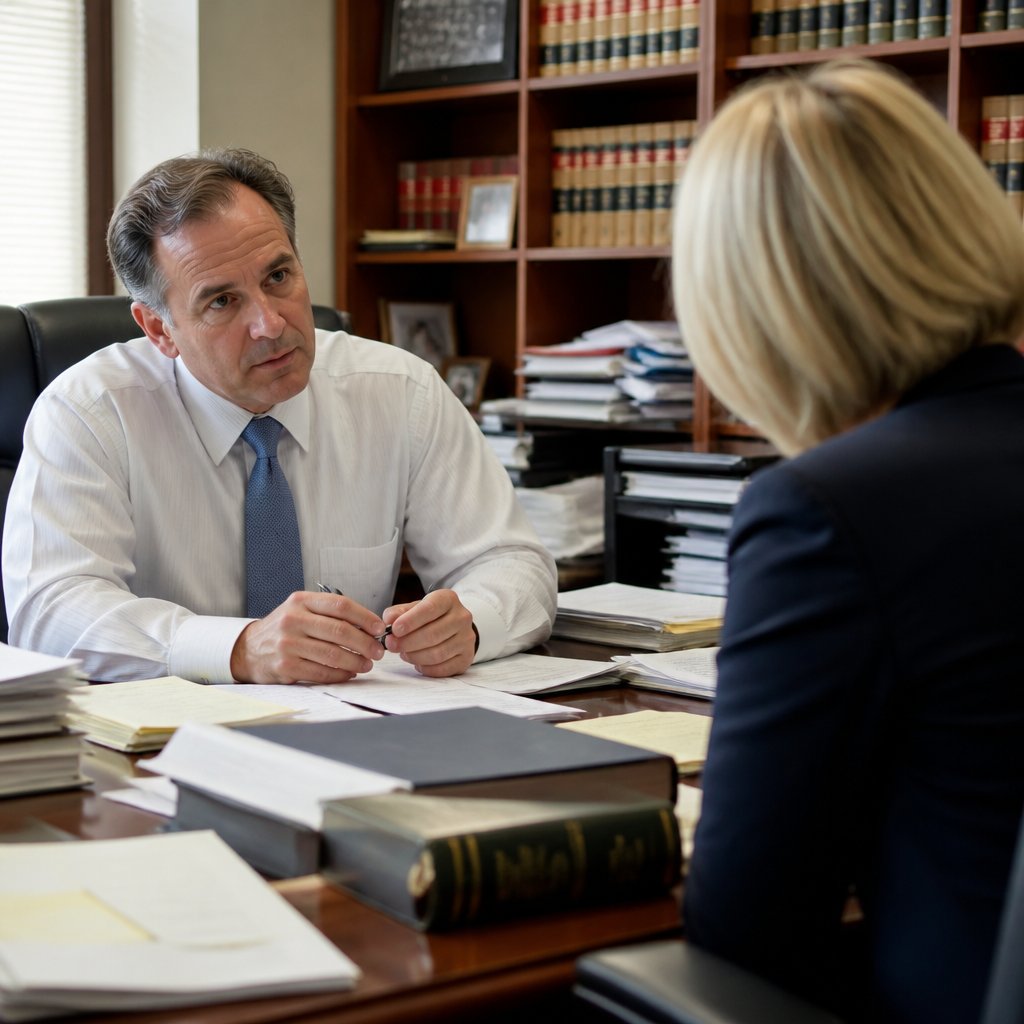
I spoke to the attorney who had worked with Grandma. He was in his office, surrounded by stacks of legal books and framed certificates. He described how Grandma had discussed some changes to her trust but never signed any amendments in his presence.
He mentioned that at their last meeting, Grandma seemed tired, confused even. His voice was low as he recalled her struggling to focus during their conversation. It painted a picture of a woman vulnerable to outside influence, not in full control of her decisions.
The attorney’s calm demeanor contrasted with the unsettling details. I could smell the faint scent of old paper and a faint trace of coffee from his office. His words made me wonder how much Grandma really understood about what was happening to her estate at the end.
Shaky Hospital Signature Found
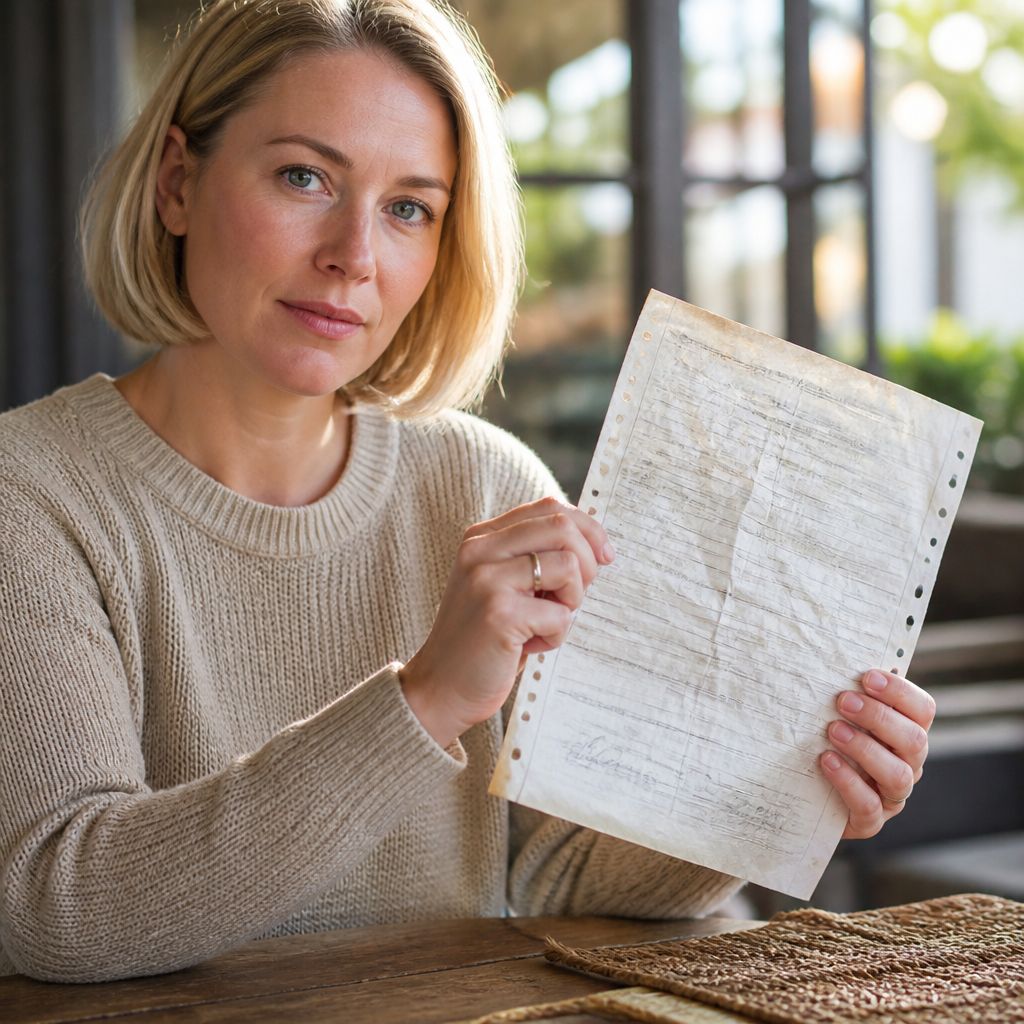
While going through Grandma’s belongings, I found a hospital admission packet tucked in a drawer. The papers were worn and yellowed. Her signature on the forms was shaky, uneven—far from the steady handwriting on previous documents.
It hit me that Brett could have used this shaky signature as a model to forge the amendment. The idea unsettled me. The faint antiseptic scent seemed to linger on the papers, like an echo of the hospital room Grandma had been in just months before.
This discovery connected pieces I hadn’t seen before. If Brett had access to those hospital records, he might have traced that fragile signature to create the fake amendment. It was a theory, but one that felt alarmingly plausible. I knew this could expose him—if only I could prove it.
Trust Officer Reveals Missing Key

I managed to arrange a private meeting with the bank’s trust officer. We sat in a small conference room with a bland beige wall and a round table. She explained that a special key had been issued recently because the original had gone missing — and that report came directly from Brett.
Her voice was calm but firm as she described the chain of custody. The faint hum of an old air conditioner filled the room. The trust officer wore a simple button-up shirt and skirt, hands folded on the table as she spoke. This key wasn’t just a detail; it was a door Brett had unlocked for himself.
That raised questions about how the original key had disappeared and whether Brett’s report was part of a bigger plan. If he controlled the key, he controlled access. I felt the weight of that power imbalance pressing down on me.
Old Photo Lacks Amendment Listing
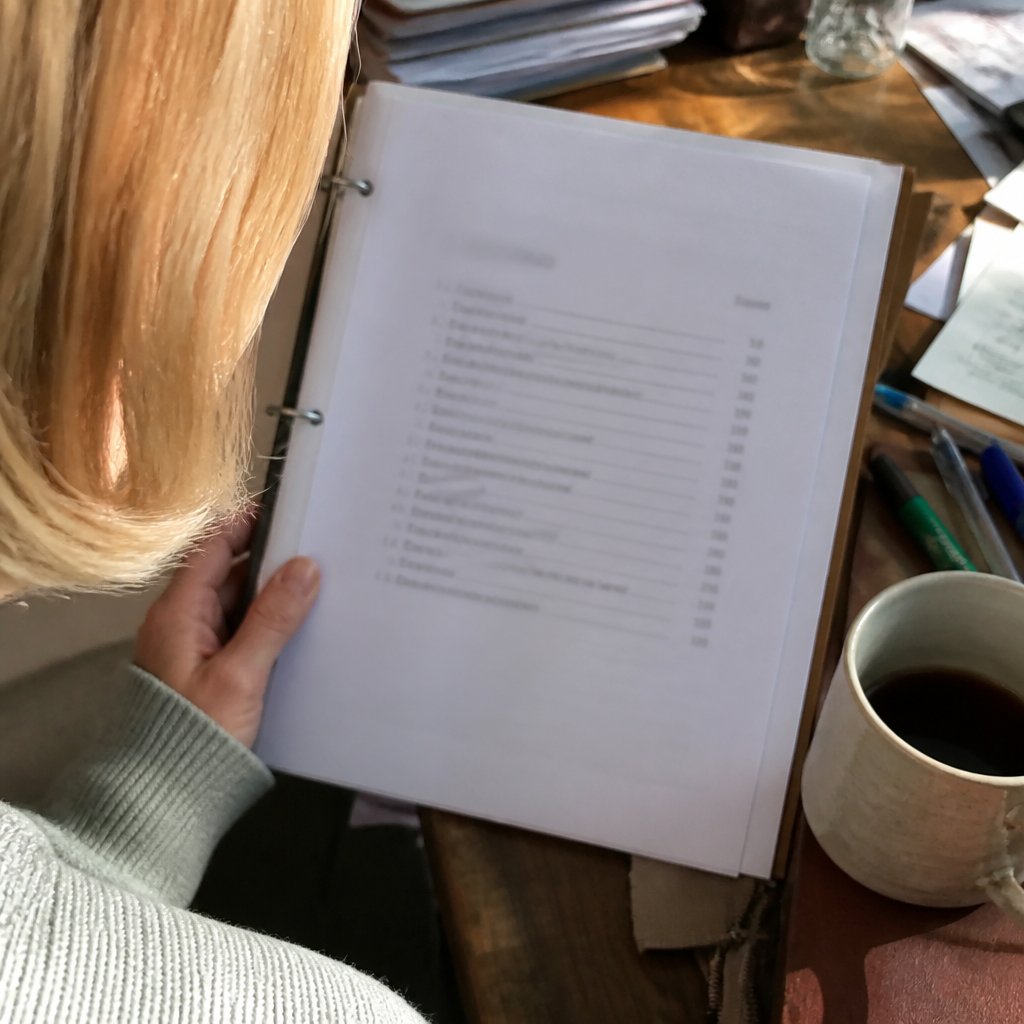
I found an old phone photo from months ago showing the trust binder’s table of contents. The picture was faded and slightly blurry, but I could make out the listed sections. The amendment page wasn’t there—though it was just a photo, not official proof.
Looking at the photo’s grainy colors, I felt a pang of frustration. The binder looked tidy on the table, with a cup of coffee off to the side and some scattered pens. I wasn’t sure if the photo was the right time frame or if the amendment had been inserted later, but it was suspicious.
This wasn’t enough to prove anything outright. It was a clue that could point either way, depending on what else I uncovered. I knew I needed more concrete evidence before I could confront Brett again. But the photo stayed in my mind, a silent question mark hanging over everything.
Brett Accuses Me At Dinner

The family dinner started tense, but Brett shifted it into something worse. He accused me of stealing from Grandma, twisting the narrative in front of everyone. The room felt heavy with silence and forced smiles, like a fragile glass about to shatter.
I sat at the long dining table, the smell of baked casserole and mashed potatoes filling the air. People wore casual clothes—jeans, sweaters, simple blouses—but the warmth of the meal couldn’t mask the coldness settling in the room. Brett’s words poisoned the atmosphere. Eyes darted between us, unsure whom to trust.
I wanted to defend myself, to explain, but the accusations hit like a physical blow. The family’s divisions felt suddenly so much wider. I realized this wasn’t just about the trust anymore—it was about us, and whether we could hold together at all.
Neighbor Reveals Grandma’s Tears

One afternoon, a neighbor called me quietly. She said she saw Grandma crying in her living room, overwhelmed while Brett kept pushing papers at her, refusing to leave. This wasn’t a one-time event—it had been a pattern, constant pressure wearing Grandma down.
I imagined Grandma’s hands trembling, the fragile sound of her voice breaking as she asked for space. The neighbor wore a plain coat and stood near a garden gate, her face earnest and concerned as she recounted what she’d witnessed.
This call was a window into Grandma’s final days—far from the calm and control Brett claimed. It explained why she might have been confused and vulnerable. It also gave me a new sense of urgency. Now I had to figure out what Brett wanted so badly and how far he was willing to go to get it.
The No-Contest Clause Warning
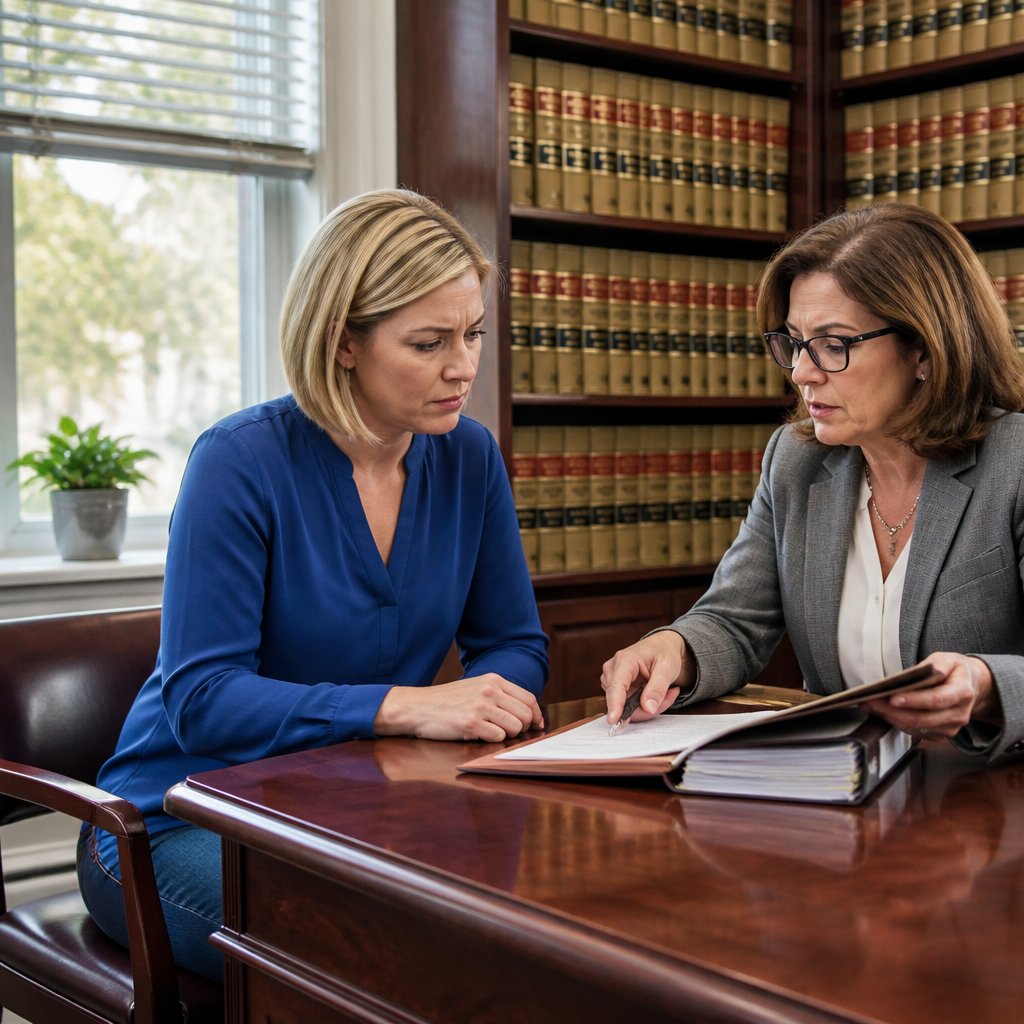
I met with a probate litigator downtown, an office full of leather chairs and stacks of legal books. She explained the trust’s fine print: if I challenged the amendment, a no-contest clause could kick in. That meant if I lost the fight, I could be stripped of any inheritance entirely. The idea that contesting might cost me everything felt like walking a tightrope without a net.
My hands rested on a thick sheaf of documents. The lawyer’s voice was steady as she laid out the risks and possible strategies. She said most fights like this dragged on for years and drained families dry. It was a warning more than advice: was I ready to risk not just money, but family peace and any share in Grandma’s estate?
The air smelled faintly of coffee and old paper. I left the office with a knot tightening in my stomach. Could I prove the amendment was forged without triggering the clause? What if the battle ended with me losing everything and breaking the family apart?
Brett Moves Into The House
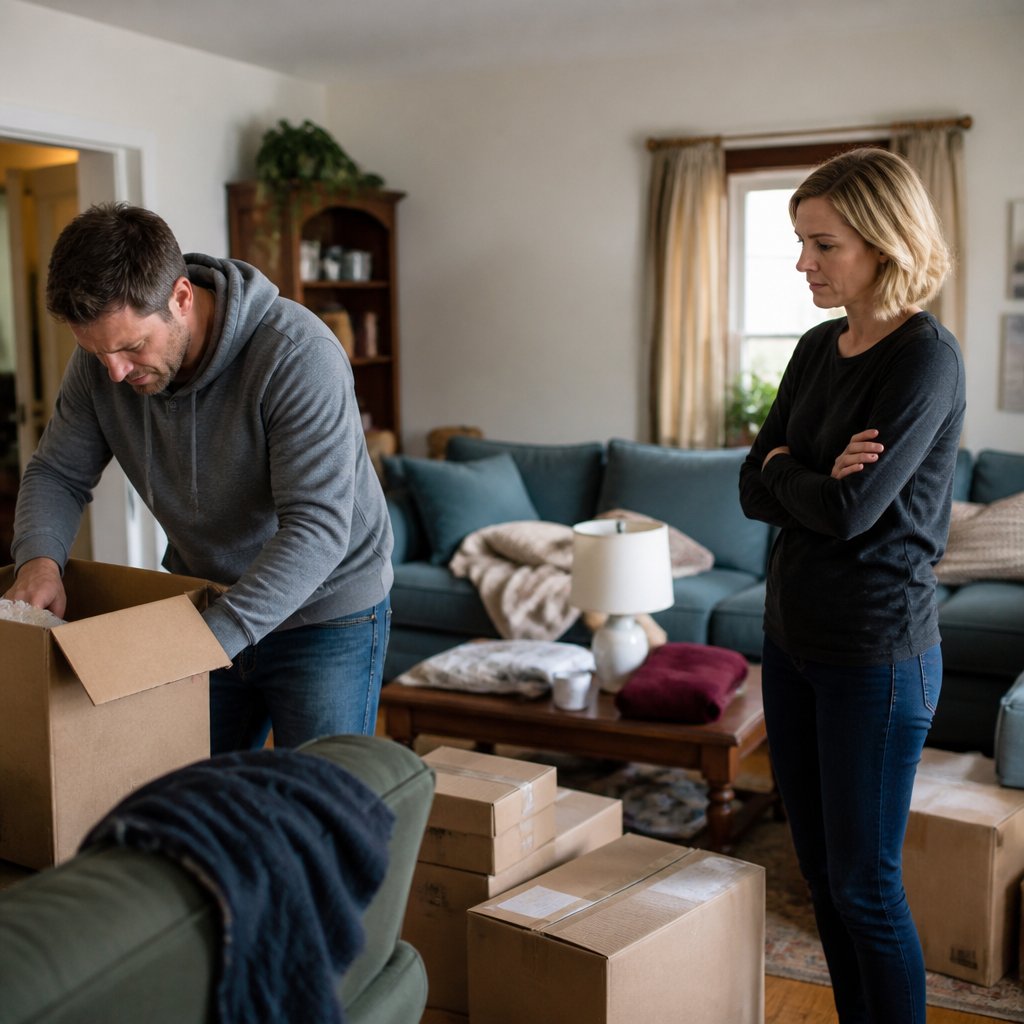
I filed for an emergency injunction to keep Brett from changing anything at Grandma’s house. But the next day, he showed up with boxes and bags, saying he was moving in "to protect the place." Seeing him unpack in the living room felt like someone had invaded my private memory.
He wore a faded gray hoodie and jeans, looking casual but determined. His presence wasn’t just a visit—it was a takeover. I tried to talk to him, but he brushed past me, setting up camp like he owned the house. The creak of the old floorboards under his feet echoed too loudly.
The air inside smelled faintly of fresh paint mixed with the dampness from the old carpet. I couldn’t believe Brett was escalating things to this level. How far was he willing to go to make the amendment stick? And what would I do now, with him physically entrenched behind the closed door?
The Missing Letters In The Chest
I went to the cedar chest in Grandma’s bedroom, the one she always locked tight. The lid was open this time. Inside, the envelope with her old letters was missing. The sticky scent of cedar wood was sharp in the air, but the absence of those familiar papers gnawed at me.
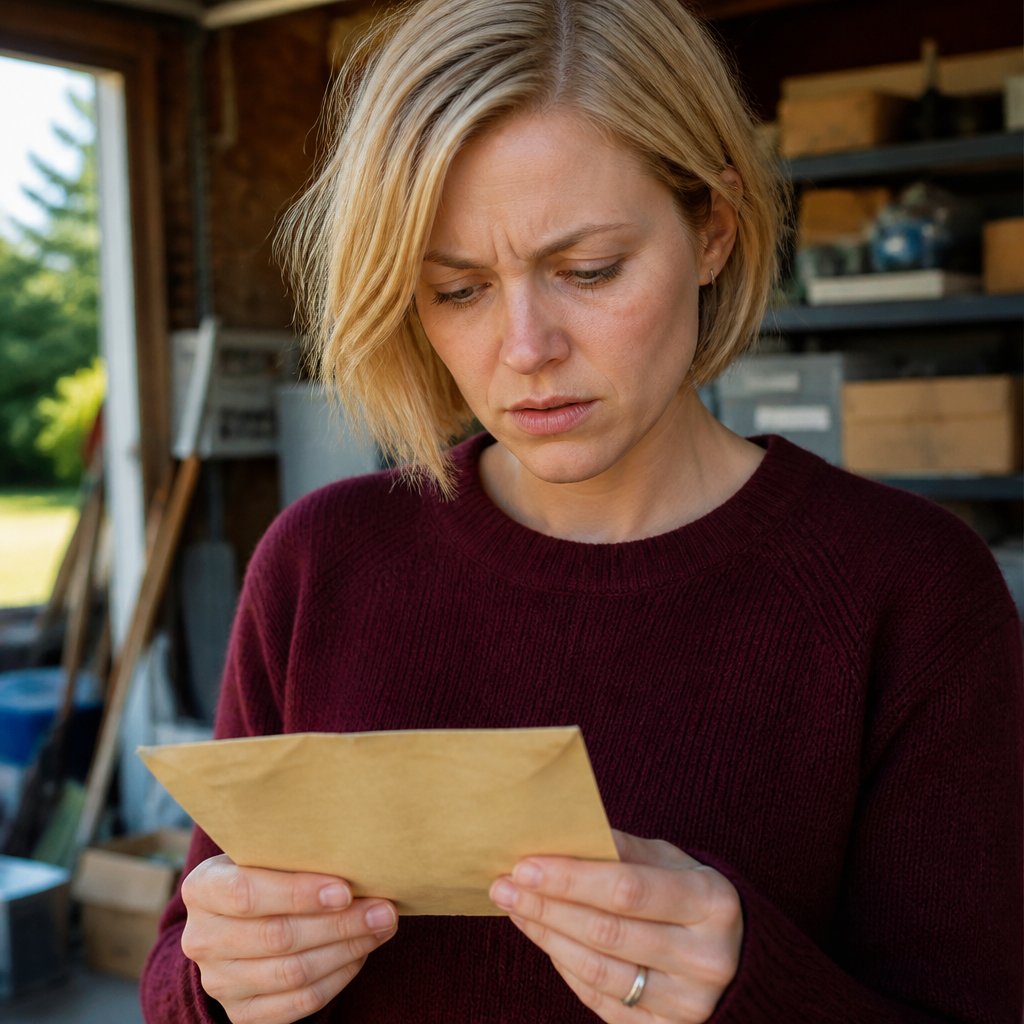
Later that day, I was in Brett’s garage looking for the missing letters when I spotted an envelope tucked behind some boxes. The handwriting was unmistakably Grandma’s, curling and neat, unlike any of Brett’s scrawls. My heart thudded as I held it with trembling hands.
I unfolded the corner just enough to glimpse the folded papers inside. The garage smelled of oil and dust. This envelope couldn’t have just appeared by accident. Why did Brett have it? And why now?
The Print Company Denies Printing

I sent a subpoena to the printing company that was named in the footer of the amendment page. The office was a small, fluorescent-lit room filled with printers and stacks of paper. Their manager looked confused when I asked about the document.
She pulled up their records and shook her head. They had no record of printing that page at any time. The file and date on the footer simply didn’t exist in their logs. It was like the amendment’s origin was fabricated from thin air.
The faint hum of the printers filled the background, but I barely noticed. The biggest piece of supposed evidence was unraveling right in front of me. If the page wasn’t printed there, where did it come from? And who had the skill to fake it so convincingly?
Brett’s Shifting Amendment Copies
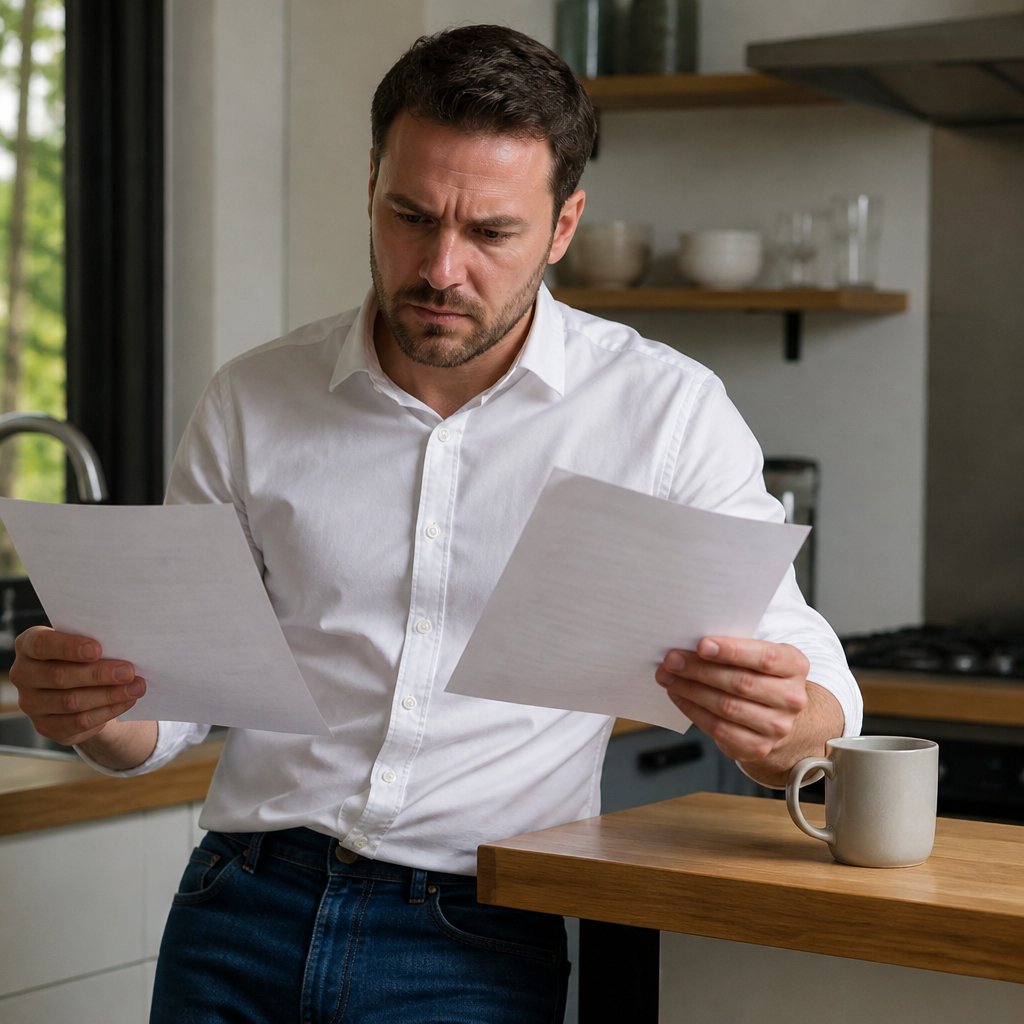
Brett showed me a second copy of the amendment. This one had a different footer—same wording but a completely different font and date. He said the first one was just a scan artifact, trying to explain away the print company’s denial.
He wore a crisp white shirt, sleeves rolled up, looking like he was ready to argue every point. His eyes were sharp, but there was something defensive in his stance, like he was trying to patch a leak in a sinking ship.
The envelope in his hand felt heavy between us. I noticed a faint crease on the corner, as if it had been handled or altered recently. If he was changing the evidence, what else was he hiding? I didn’t know how much longer I could trust anything he claimed.