




He Said He Was Home
The notification buzzed like a wasp between us: $97.14 at a wine bar I’d never stepped foot in.
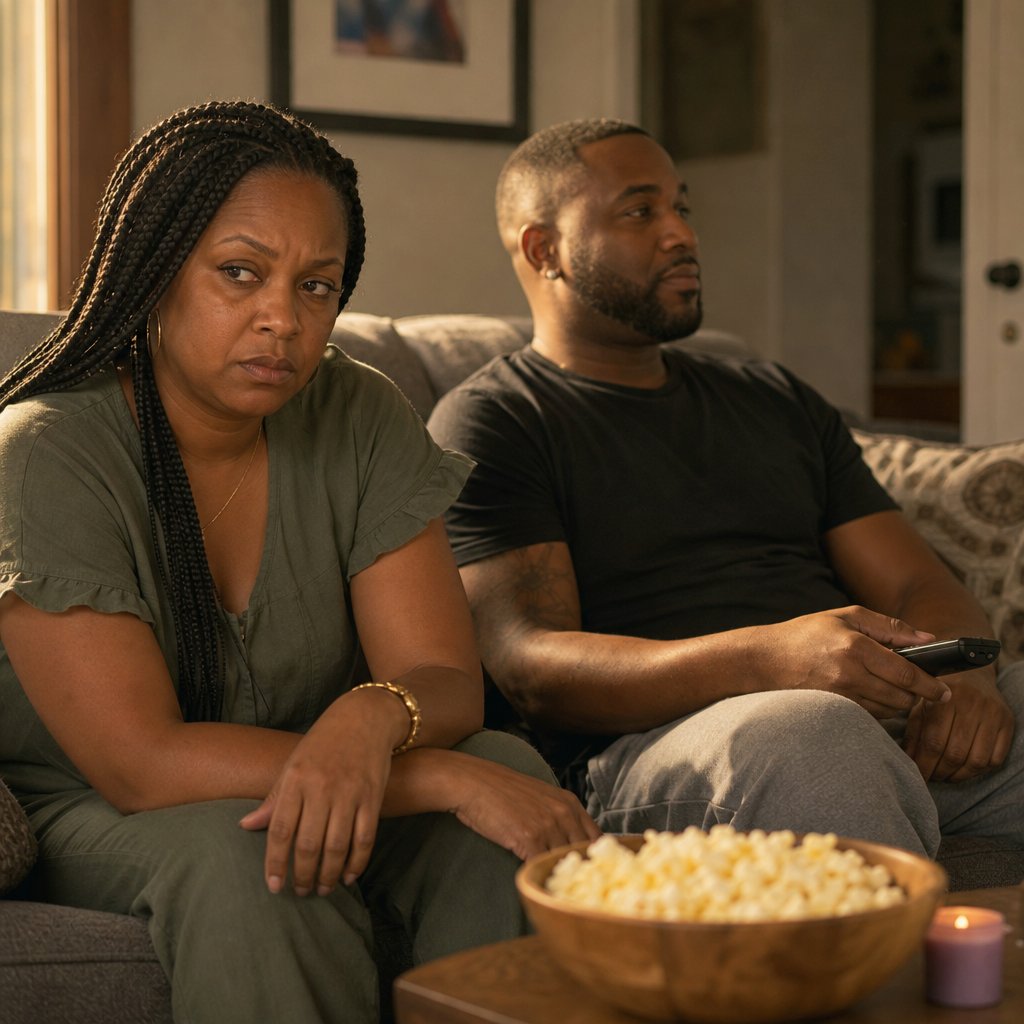
My husband, Malcolm—six-foot-two, clean fade, always smelling faintly like cedar cologne—was literally on the couch beside me, one sock half-off, flipping through channels like he had nothing to hide. I stared at the alert, then at him, then at the joint card sitting fat and innocent in my wallet. My stomach did that slow, sick drop like an elevator cable snapped.
“Did you just use the card?” I kept my voice light, like I was asking if he wanted tea.
He didn’t even look up. “Nope. I’m home.” The way he said it—casual, bored—was almost worse than if he’d panicked. Like lying was a reflex. Like he’d practiced it in the mirror.
I watched his thumb drum against his knee, steady as a metronome. The living room smelled like buttery popcorn and the lavender candle I’d lit to calm myself down, but my skin prickled hot.
Because the lie wasn’t theoretical. It was happening in real time, in our house, with his shoulder almost touching mine.
I swallowed hard and turned my phone face-down on my thigh, pretending I believed him—while my brain started sprinting toward one question I didn’t want to ask.
The Electric Bill Bounce
I hadn’t even gone digging for drama. I went looking for answers because the power company email came in with that cold, humiliating phrase: payment returned.
So I opened the joint card app with the same dread you feel before stepping on a scale after the holidays. The balance loaded, and my mouth actually fell open.
There it was—bold and smug—some “too pricey for Tuesday” restaurant downtown. Not groceries. Not gas. A place with cloth napkins and servers who call you “my dear.” And under it, the little receipt note that made my vision tunnel: Table for 2.
Two.
Not a work dinner. Not a client thing. Not a “the guys from the office.” Just two people, paired off, spending our money while my lights were about to get shut off.
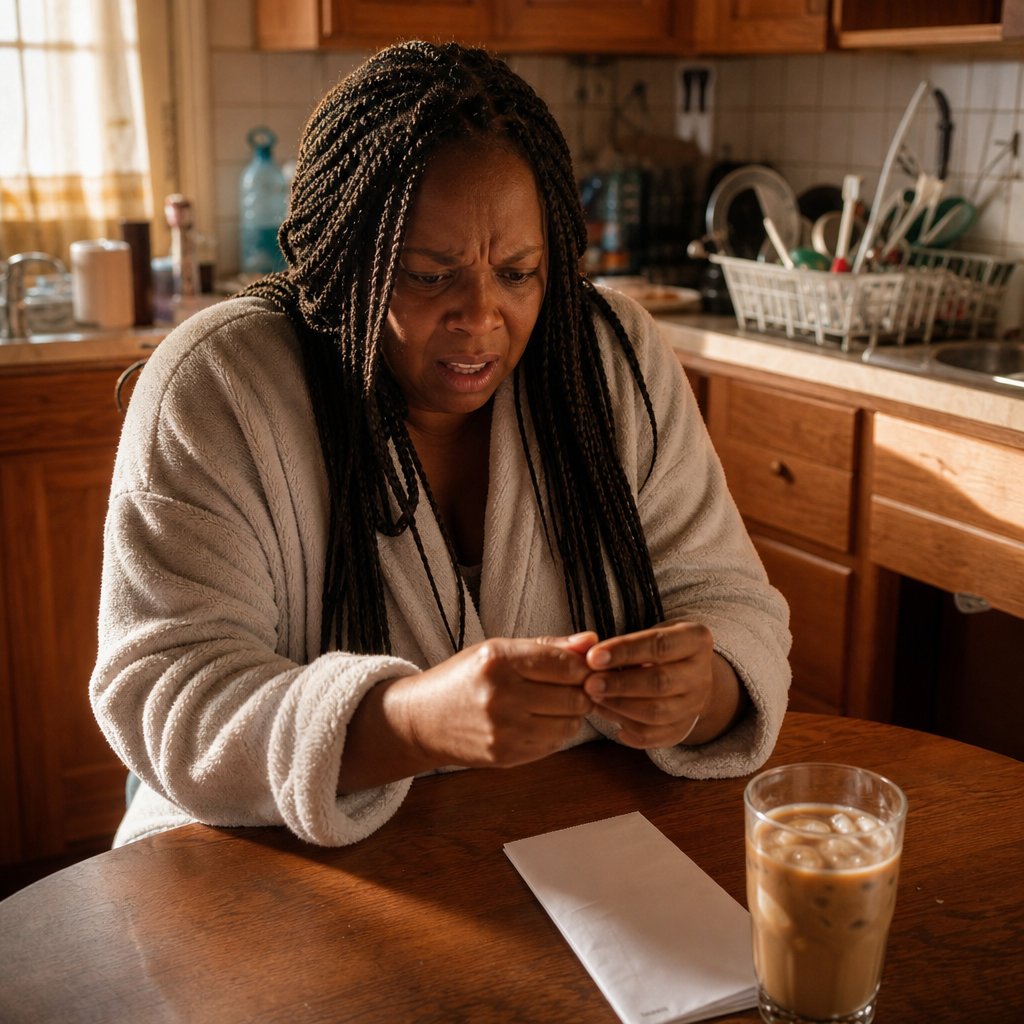
I sat at the kitchen table in my robe, my long box braids falling over my shoulder like a curtain, staring so hard my eyes burned. The air smelled like yesterday’s dish soap and cold coffee. My hands started shaking, not from fear exactly—more like rage trying to find a door out of my body.
Because I could account for every dinner I’d eaten this week. Every leftover container in the fridge. Every receipt stuffed in my purse.
And none of them were a table for two at that place.
I scrolled one inch lower, bracing myself, and the list just kept going.
The Pattern I Couldn't Unsee
I told myself it might be one stupid splurge. One bad decision. One “I’ll explain later.”
Then I kept scrolling.
Weeknight. Weeknight. Weeknight. Always the same window—Tuesday or Wednesday, right around the time Malcolm claimed he was “stuck late” or “grabbing a quick bite.” And every time it was a whole production: valet, cocktails, dessert. Not a burger. Not a beer. A curated little date-night arc, paid for with the card we used for groceries and bills.
I started noticing the details like they were clues at a crime scene. The restaurant names I’d heard him pronounce with fake casualness. The bar tabs that weren’t “one drink,” but two cocktails back-to-back. The dessert add-ons that screamed lingering. The kind of meal you don’t eat when you’re rushing home to your wife.
And always—always—two place settings. Two. Like the universe was mocking me with arithmetic.
My throat tightened until it felt hard to swallow. I pushed my chair back so fast it scraped the tile. Somewhere in the house the dryer thumped, steady and domestic, like it didn’t know my life was splitting open.
I pictured him sliding into a booth, loosening his tie, smiling at someone across from him. Someone laughing at his jokes. Someone letting him play generous on our dime.
And the worst part was the consistency. This wasn’t a mistake.
This was a schedule.
I dragged my fingertip down again, and my stomach dropped when I saw how far back it went.
He Called It Fraud
I didn’t storm in waving evidence. I didn’t scream. I did something colder: I tested him.
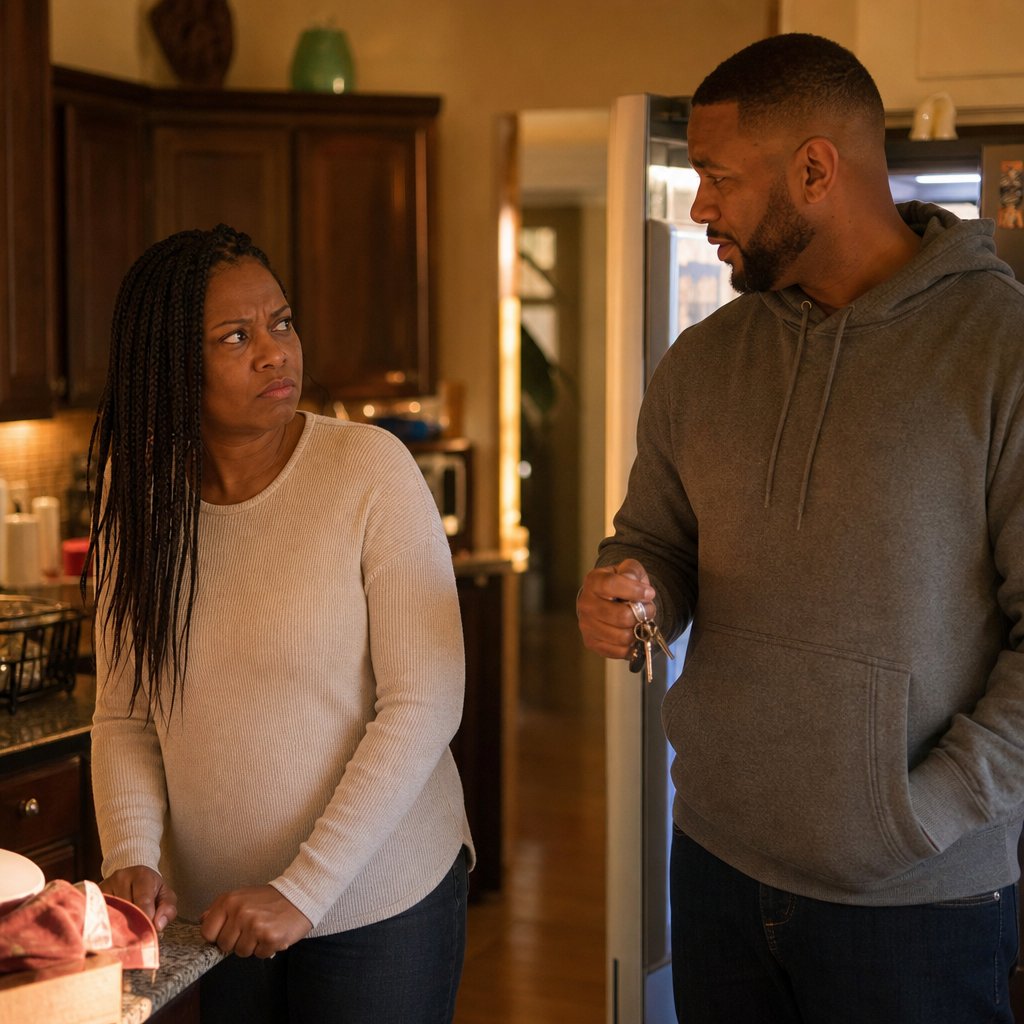
That evening, I leaned against the counter like I was making conversation, like my heart wasn’t punching my ribs. Malcolm came in from the garage in a gray hoodie, cheeks pink from the cold, acting normal enough to be offensive.
“Hey,” I said, light and almost sweet. “Did you see anything weird on the card? Some charges that aren’t ours?”
He didn’t miss a beat. Not a blink. Not a swallow. He just smiled—actually smiled—and opened the fridge like we were discussing spoiled milk.
“Must be fraud,” he said. Calm. Easy. Practiced. The kind of calm that comes from having already rehearsed the line. “Call the company, they’ll fix it.”
I watched him pull out the orange juice, sniff it, and put it back like he was the most responsible man alive. My nails dug crescents into my palm under the counter. The kitchen smelled like lemon cleaner and something metallic—like my own adrenaline.
Fraud. As if a stranger had politely taken our card out on romantic Tuesdays.
As if “Table for 2” just happened to be a hacker’s favorite hobby.
“Yeah,” I said, forcing my voice not to crack. “Fraud.”
He nodded, completely unbothered, and finally looked at me—warm eyes, familiar face—like I was the one being paranoid.
And in that moment, I realized the charges weren’t the main betrayal.
It was how easily he could lie to my face with a smile.
Then he reached for his keys again and said he had to run out for “one quick errand.”
Chip-And-PIN, Card-Present
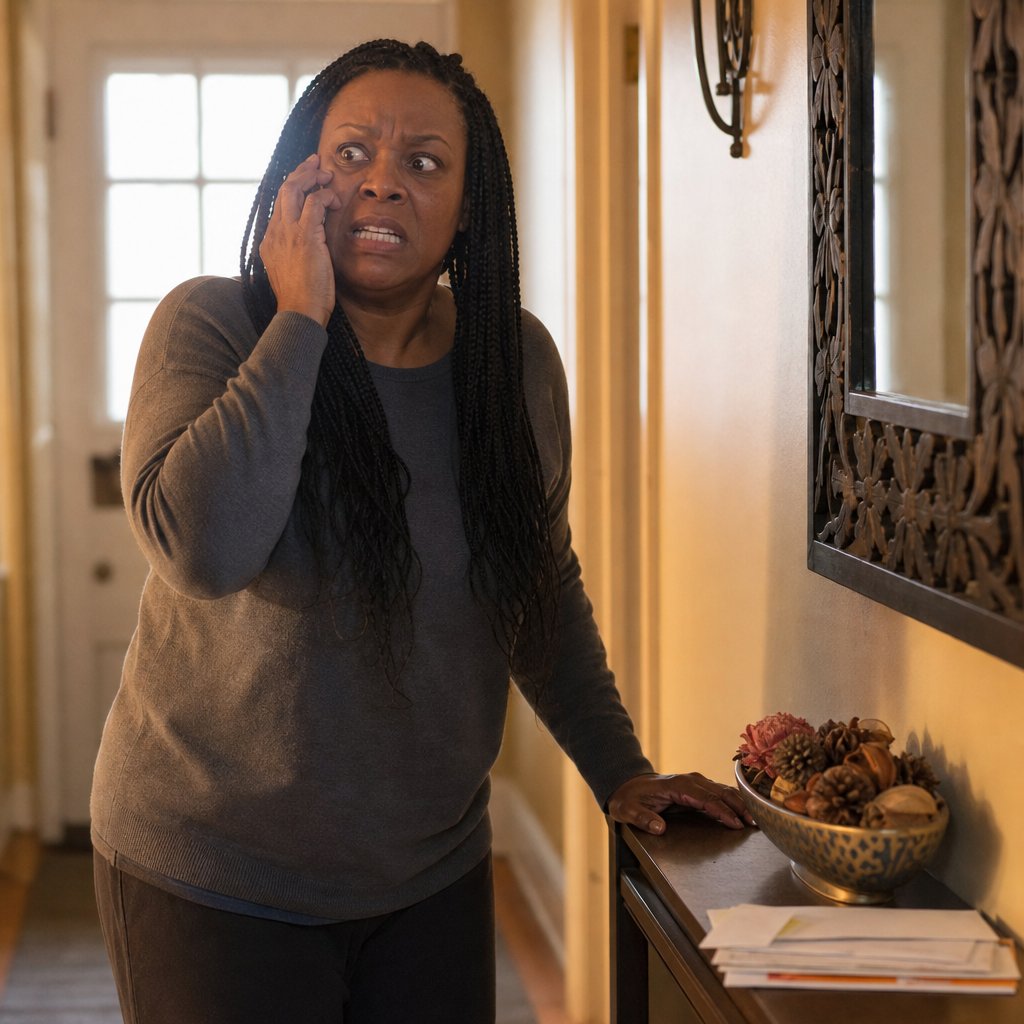
I waited until he was out of earshot, then I called the card company with my voice turned into something polite and deadly.
“Hi,” I said. “I need to dispute some charges.”
The representative sounded bored at first—scripted empathy, keyboard clicks—until I read off the dates and amounts. Then she paused, and I felt my lungs tighten.
“Ma’am,” she said carefully, “these transactions were chip-and-PIN. Card-present. There aren’t any fraud flags because the card was physically used.”
Physically used.
My hand gripped the edge of the hallway console table so hard my knuckles went pale. I could smell the dusty potpourri bowl I’d been meaning to throw out. It suddenly felt like the whole house was full of fake, stale things.
“So… you’re saying someone had the actual card,” I said, and my voice sounded far away, like it was coming from the end of a tunnel.
“Yes, ma’am. And the correct PIN was entered.”
My stomach turned. Because there were only two people on earth who should’ve had that card and that PIN. Me… and Malcolm.
Unless—
I swallowed, tasting bile. “Is there more than one card on the account?” I asked, trying to sound casual, like my marriage wasn’t actively combusting.
There was a soft pause on the line, the kind that carries a thousand implications.
“There was a replacement card issued,” she said, “a few months back.”
Replacement.
My brain snapped to a memory I’d let slide at the time: Malcolm mentioning something about a “mix-up” with the mail, laughing it off.
And suddenly the house didn’t feel like mine anymore.
His Replacement Card Story
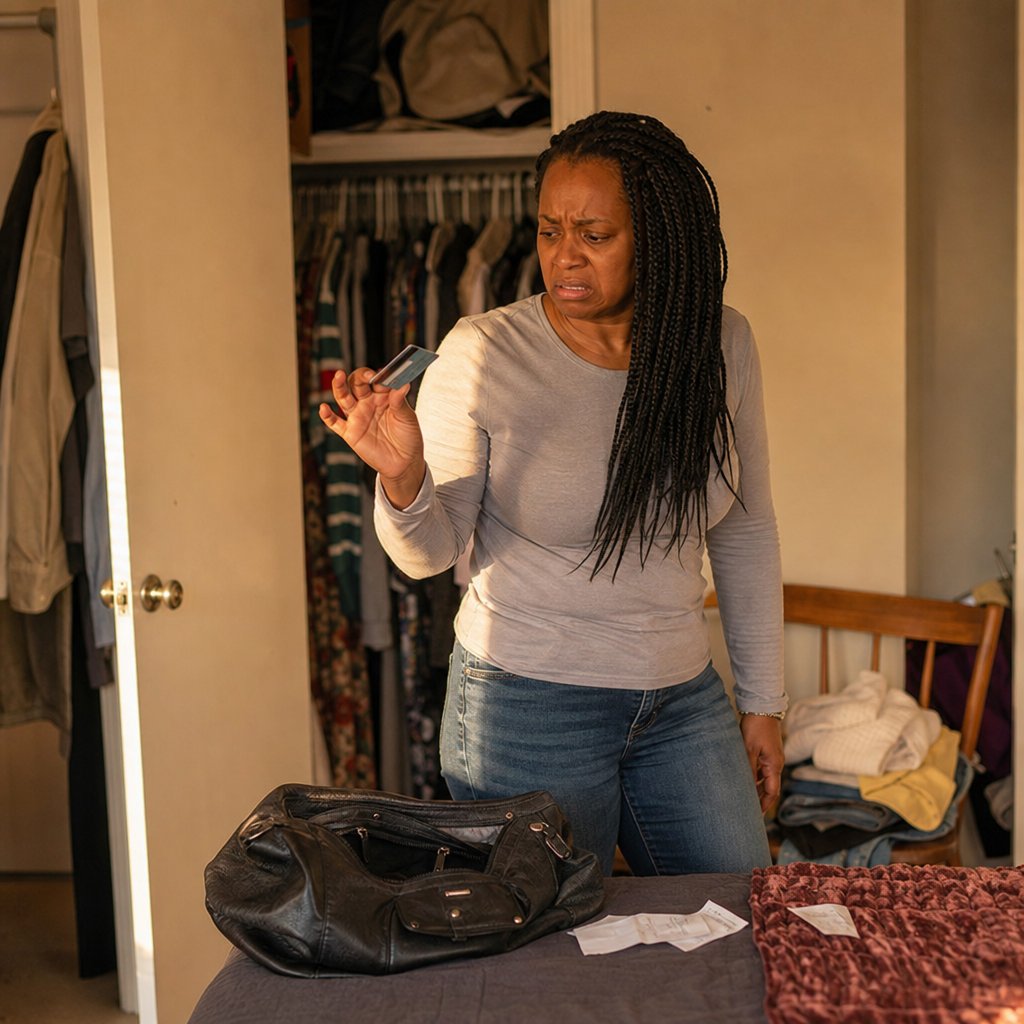
I walked to my purse like it might bite me, pulled out my copy of the joint card, and stared at it as if it could confess.
It was right there. Same numbers, same little chip. The familiar worn edge where it rubbed against my driver’s license. I hadn’t lost it. I hadn’t replaced it. I hadn’t even taken it out of my wallet in days.
So what “replacement” was the card company talking about?
My mind replayed the moment from months ago, suddenly sharpened like someone turned up the contrast. Malcolm standing by the front door, patting his pockets, laughing too loud. “They sent me a replacement,” he’d said. “You know how these companies are. Probably a glitch.”
I remembered how he’d said it like it was a boring errand detail. How I’d nodded because I was carrying groceries and didn’t feel like making a thing out of nothing. How he’d kissed my forehead and asked what I wanted for dinner, as if he hadn’t just slipped a new layer of secrecy into our life.
I opened my wallet again, checking every slot like the answer might be hiding behind a loyalty card. My fingers felt clumsy, numb. The leather smelled like old perfume and receipts.
Two cards could exist. Two cards meant two lives.
And if he had a replacement, that meant he’d had a chance—multiple chances—to tell me. To cancel it. To cut it up in front of me like an apology.
Instead, the electric bill bounced while someone else got dessert.
I stood there in our bedroom, the closet door half-open, and realized I knew exactly where to look next.
The Envelope In The Junk Drawer
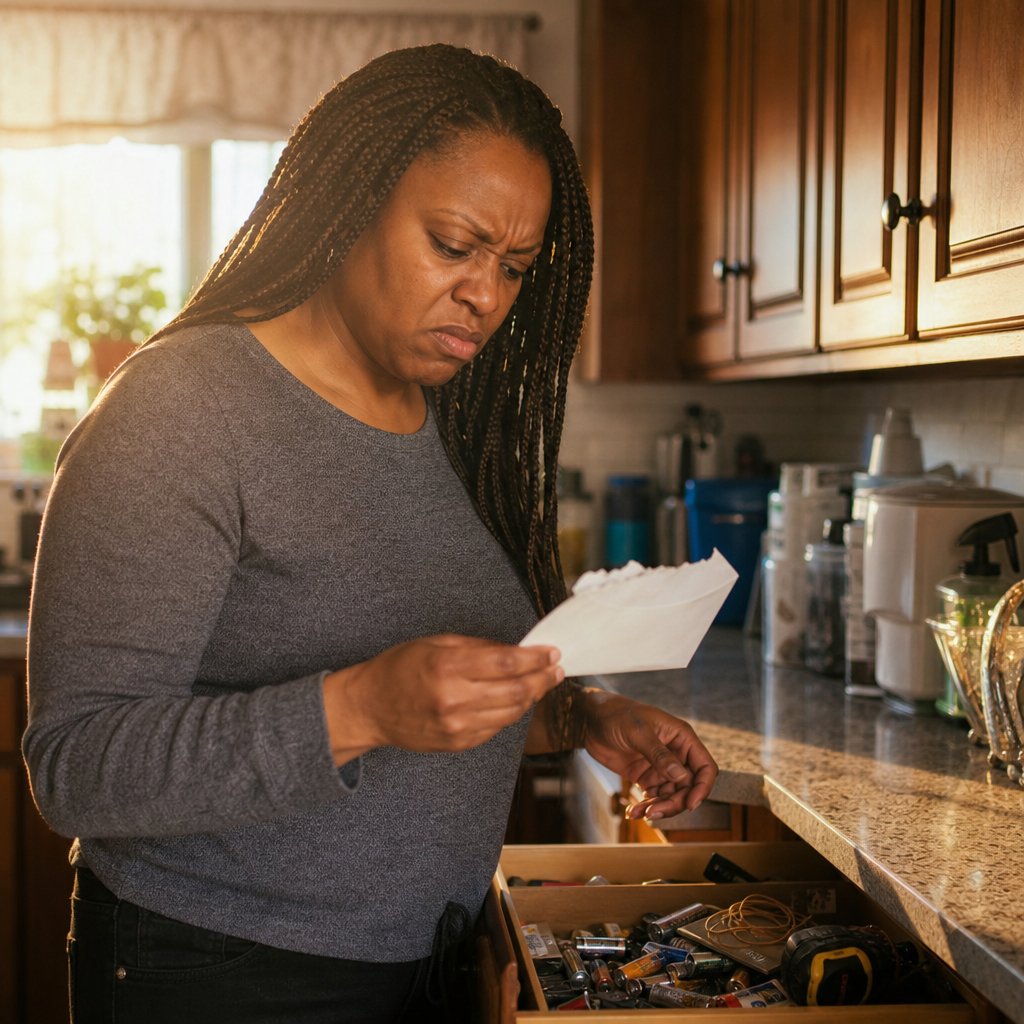
I went straight for the junk drawer—the one that swallowed batteries, takeout menus, mismatched keys, and every tiny lie we didn’t have a better place for.
The drawer stuck like it always did, and when it finally gave, it lurched open with a scrape that sounded too loud in the quiet house. My heart was hammering so hard I could feel it in my teeth.
I tossed aside rubber bands, a half-melted candle lighter, a tape measure. My fingertips hit paper, and I froze.
An issuer’s envelope. Thick. Official. Torn open like someone had ripped it in a hurry.
It was addressed to Malcolm.
I didn’t need to see anything else to feel the betrayal bloom hot under my skin. Proof wasn’t a concept anymore—it was a physical object in my hands, in our kitchen, hidden under junk like it deserved to be forgotten.
The paper smelled faintly like dust and that plasticky scent mail sometimes has when it’s been sitting too long. I held it up to the light, turning it over, as if the envelope itself might whisper where the card went after it arrived.
I thought about all the times I’d opened that drawer looking for scissors while he stood behind me, arms around my waist, acting like the safest place in the world was his chest.
All that time, this was inches away.
I slid the envelope into my pocket like evidence, my hands trembling with a fury so clean it felt almost calm.
Because now I had something he couldn’t talk his way out of.
And I could already hear him saying, I never saw that.
His Phone Stayed Face-Down
That night, I didn’t come at him like a hurricane. I came at him like a prosecutor.
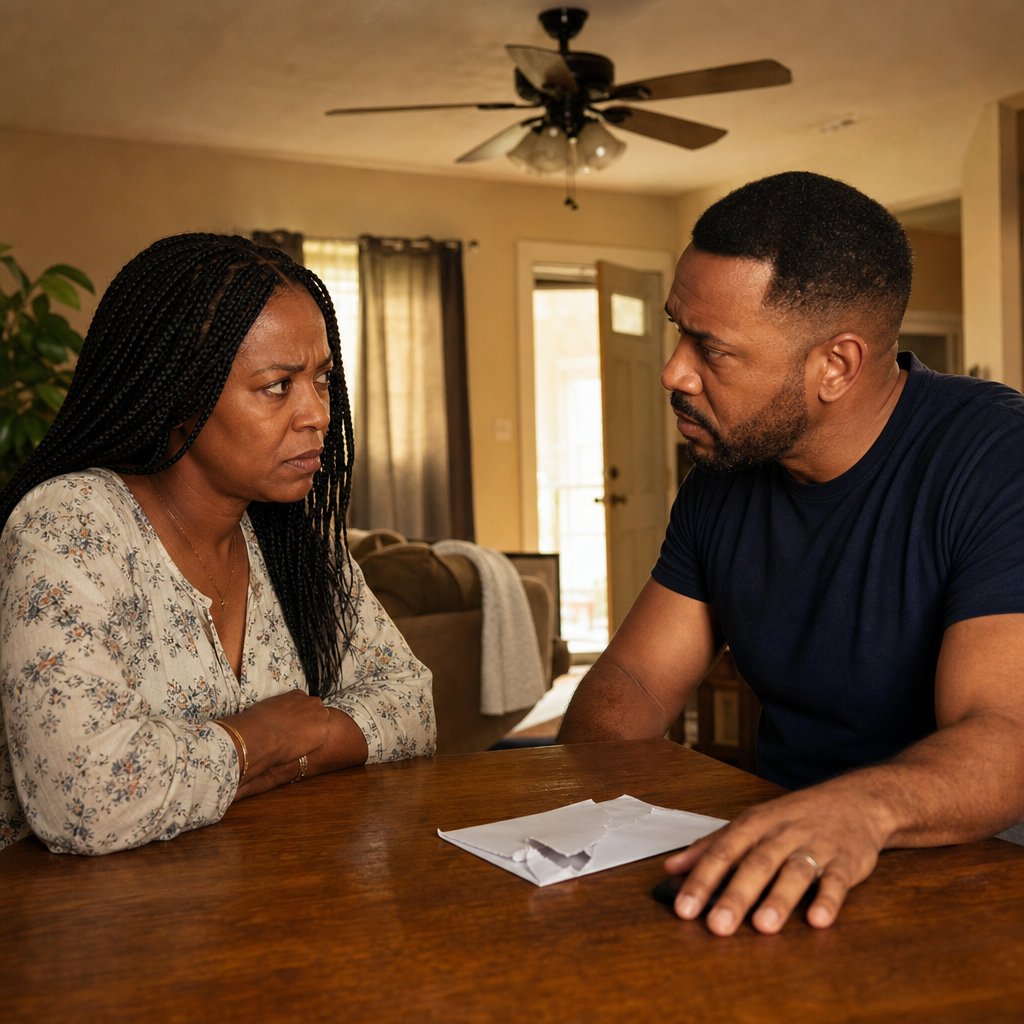
We sat at the dining table—me upright, him slouched—while the overhead fan clicked softly, one of its blades wobbling like it was nervous too. Malcolm wore a navy T-shirt, freshly showered, trying to look clean and uncomplicated.
I slid the torn envelope onto the table between us. No theatrics. Just the truth, laid flat.
He stared at it for half a second too long. Then he laughed—one sharp little sound—and said, “I’ve never seen that in my life.”
Never seen it. In the house he lived in. In the drawer he opened for batteries. In the kitchen where he made pancakes on Sunday mornings.
I watched his hands. They didn’t reach for the envelope. They went to his phone.
And for the first time in our entire marriage, he set it face-down.
It was such a tiny movement, so ordinary-looking, that it would’ve been nothing if I hadn’t been watching him like he was a stranger wearing my husband’s skin. But I saw it—the reflex. The instinct to hide.
My scalp prickled under my braids. My mouth tasted like pennies. I wanted to flip the table. I wanted to smile and say, “Okay,” just to see how far he’d take it.
“So,” I said softly, “you’re telling me someone else ordered a replacement card in your name?”
His eyes held mine too steady. “Yes.”
And his phone stayed face-down like a confession he couldn’t unsay.
Then it buzzed once against the wood—hard enough that we both heard it—and he moved to cover it with his palm.
The Second Phone In His Bag
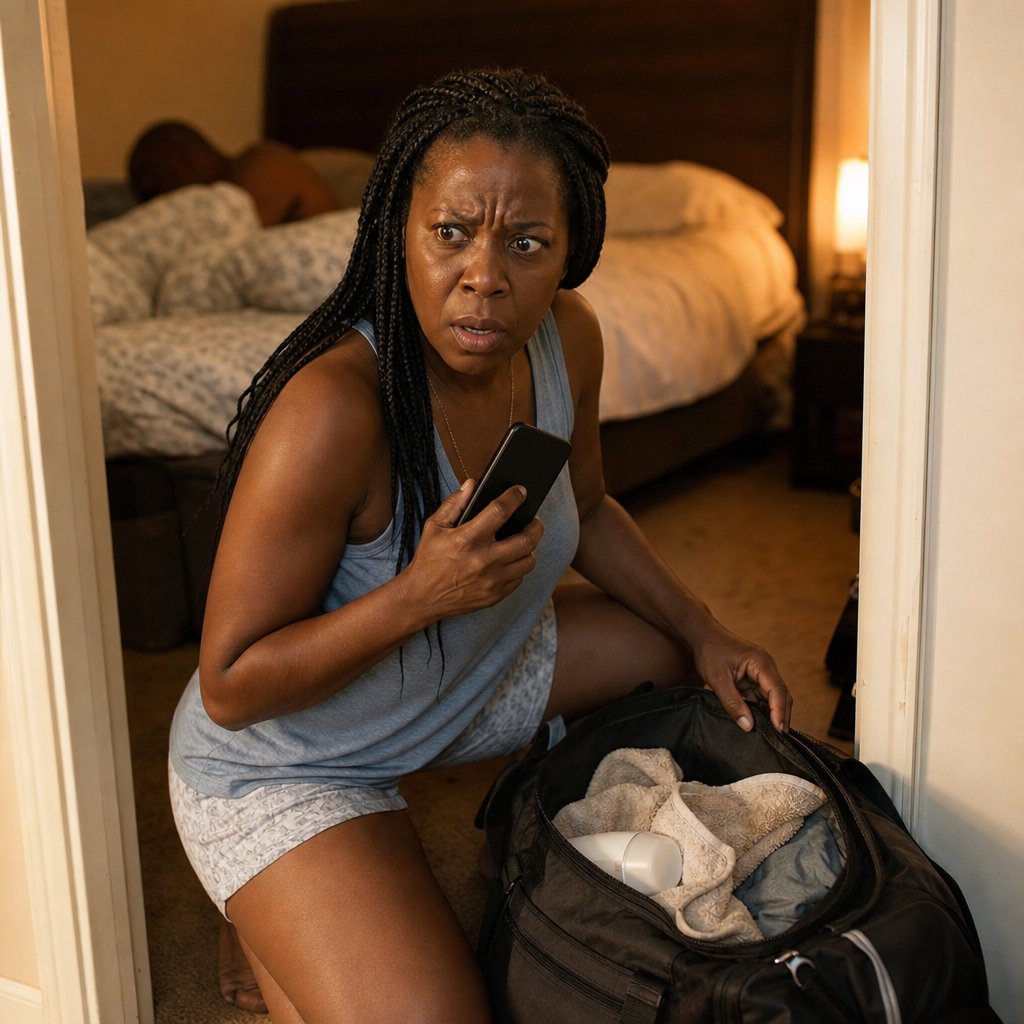
I waited until he fell asleep, the kind of sleep that comes easy when you think you’ve smothered the truth.
His gym bag sat by the bedroom door like it always did, slumped and innocent. I crouched beside it in my socks, my pulse roaring in my ears so loud I was sure it would wake him. The zipper teeth sounded like thunder when I pulled them apart.
Deodorant. A sweat-damp towel. A shaker bottle that smelled faintly sour. Then my fingers hit something smooth and rectangular that didn’t belong.
A phone.
Not his regular one. This one was smaller, darker, tucked under a rolled-up T-shirt like it was being put to bed. My hands went cold around it. For a second I just stared, like if I stared long enough it would turn into something else—keys, a wallet, anything but what it was.
Then it lit up in my palm.
I didn’t even have to unlock it to get gut-punched. The preview flashed across the locked screen—just enough to ruin me: “Same time next week? xo”
Same time.
Next week.
It wasn’t just cheating. It was calendared. It was routine. It was the exact weeknight window I’d seen on the statements, turned into a little romantic appointment like I was a dentist visit he kept forgetting to mention.
I clamped my hand over the phone like I could stop it from glowing, from existing, from proving everything.
In the bed behind me, Malcolm shifted, exhaled, and mumbled my name in his sleep like he still deserved it.
I held my breath, frozen, with a second life pulsing warm in my palm.
I Gathered Proof, Not Peace
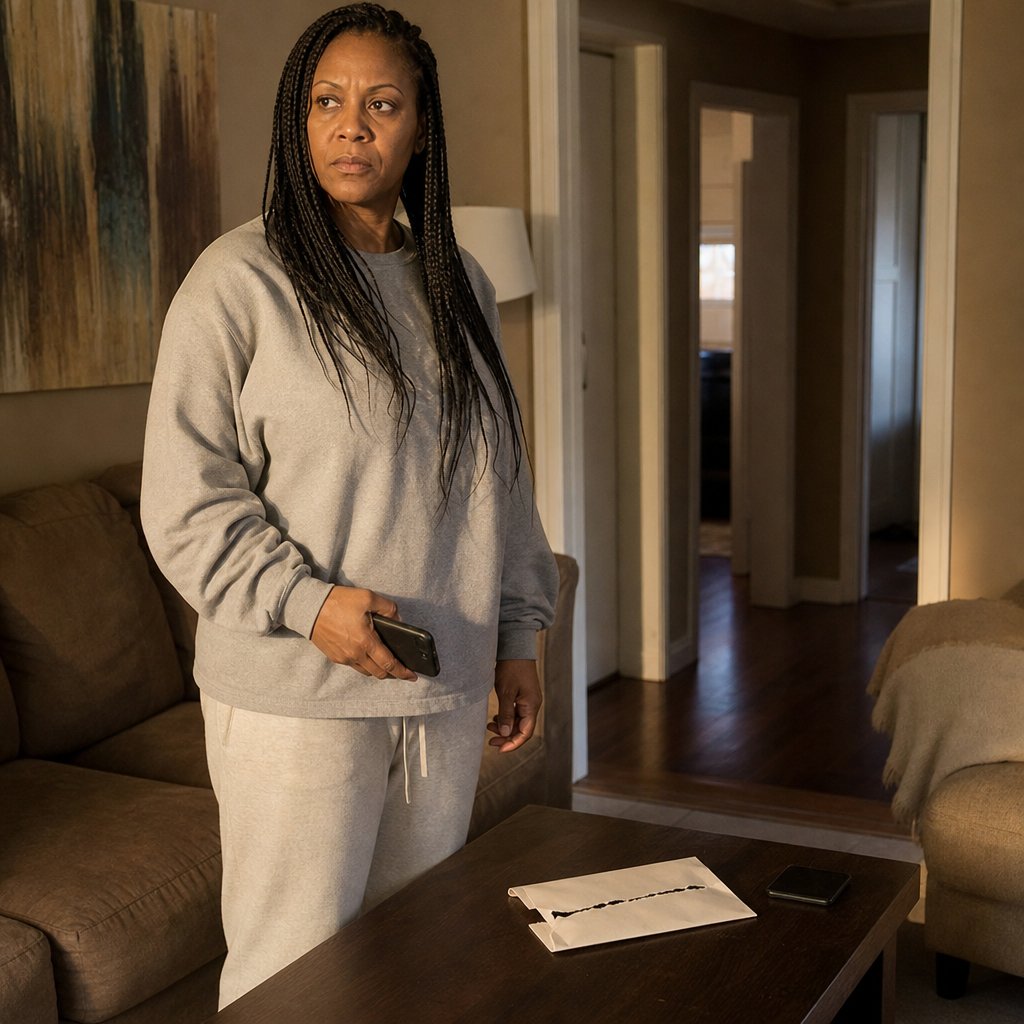
My first instinct was to open everything. To scroll. To hunt names, photos, receipts, dates—anything to make the pain feel organized.
But I knew Malcolm. I knew the way he could look you dead in the eye and make you doubt the calendar. I knew the calm “fraud” voice, the little laugh, the way he’d turn my own emotions into evidence that I was “spiraling.”
So I didn’t give him the chance.
I moved through the house like I was collecting artifacts from a crime scene: the torn issuer envelope from my pocket, the gym bag still gaping open, the second phone heavy in my hand. I kept my breathing shallow, listening for the creak of the bedroom floorboards, for any sign he was waking up.
I set things down on the coffee table—neat, deliberate—like I was laying out ingredients. My hands were steadier than my heart. The room smelled like the lavender candle from earlier, but now it made me nauseous.
I took photos of what mattered: the envelope, the physical phone, the card statements pulled up just long enough to capture dates and amounts—then I turned everything face-down again. No screens left glowing. No evidence left where he could snatch it and claim I imagined it.
There was a strange, petty satisfaction in how careful I was being. Like I was finally speaking his language: quiet, controlled, undeniable.
Because I could already hear the next move he’d make—the one where he’d try to rewrite reality right in front of me.
And from the bedroom, I heard the mattress shift, slow and heavy, like he was sitting up.
The Address Wasn't Ours
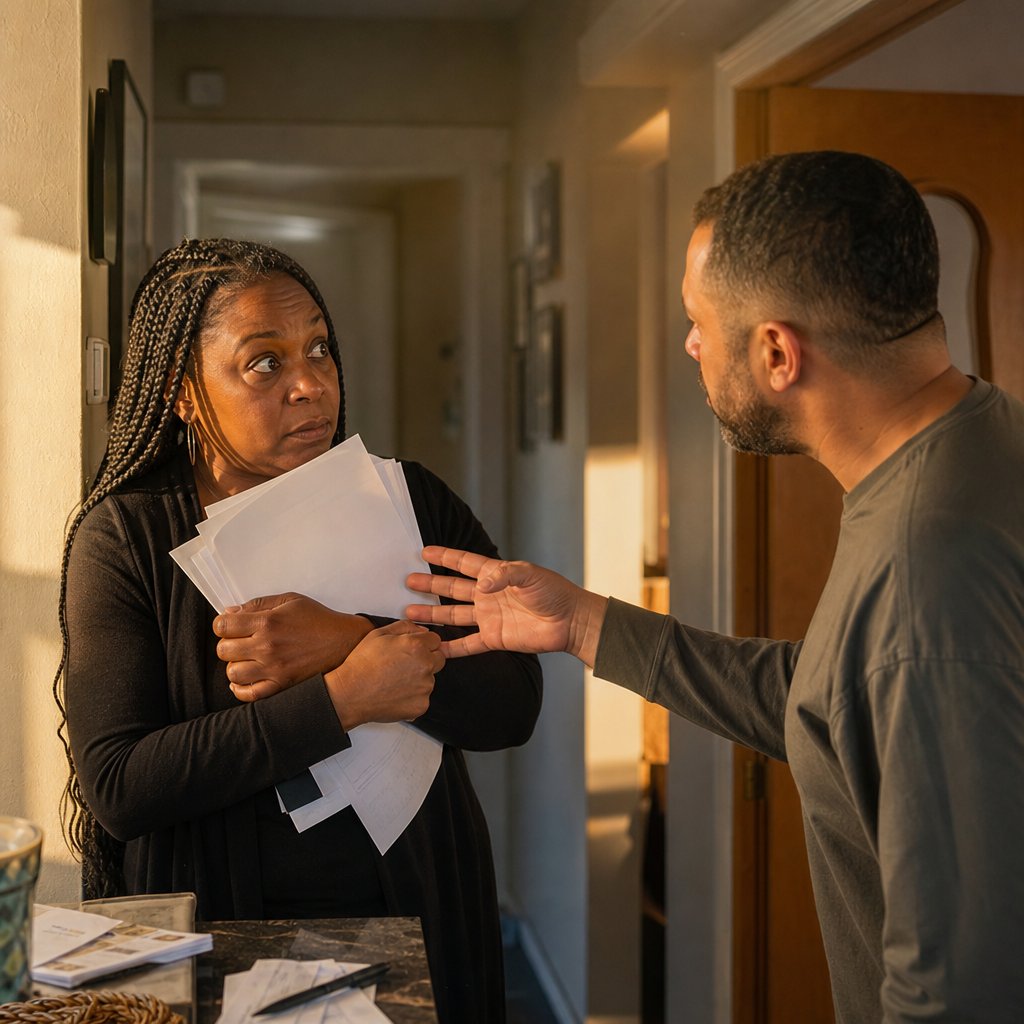
Footsteps started down the hallway, and I was standing there with the evidence laid out—printouts, sticky notes, my pen uncapped like a weapon.
He rounded the corner with that lazy, “What’re you doing?” voice, and I slid the laptop just enough so he could see the rewards portal without seeing my hands shake. My stomach felt like it had dropped through the floorboards.
I wasn’t even in the charges anymore. I was in the rewards history—where the “points” went. Because dinners disappear, but gifts? Gifts have destinations.
There it was in a neat little list: Redeemed: Luxury Home Set. Redeemed: Designer Accessory. Redeemed: Weekend Getaway Voucher. And next to each one—shipping information.
Not our house. Not my sister’s. Not his office.
A condo address across town, the kind with a lobby that smells like eucalyptus and money. I read it out loud, slow, like I was testifying. Unit number and everything.
His face did this tiny flicker—so fast he probably thought I didn’t catch it—and then he reached for the paper like he could grab the truth and crumple it.
The printer ink still smelled sharp and hot when he said, too casually, “Why are you on that?”
I looked up at him and watched him decide, in real time, which lie he was going to use.
The Doorman Said His Name
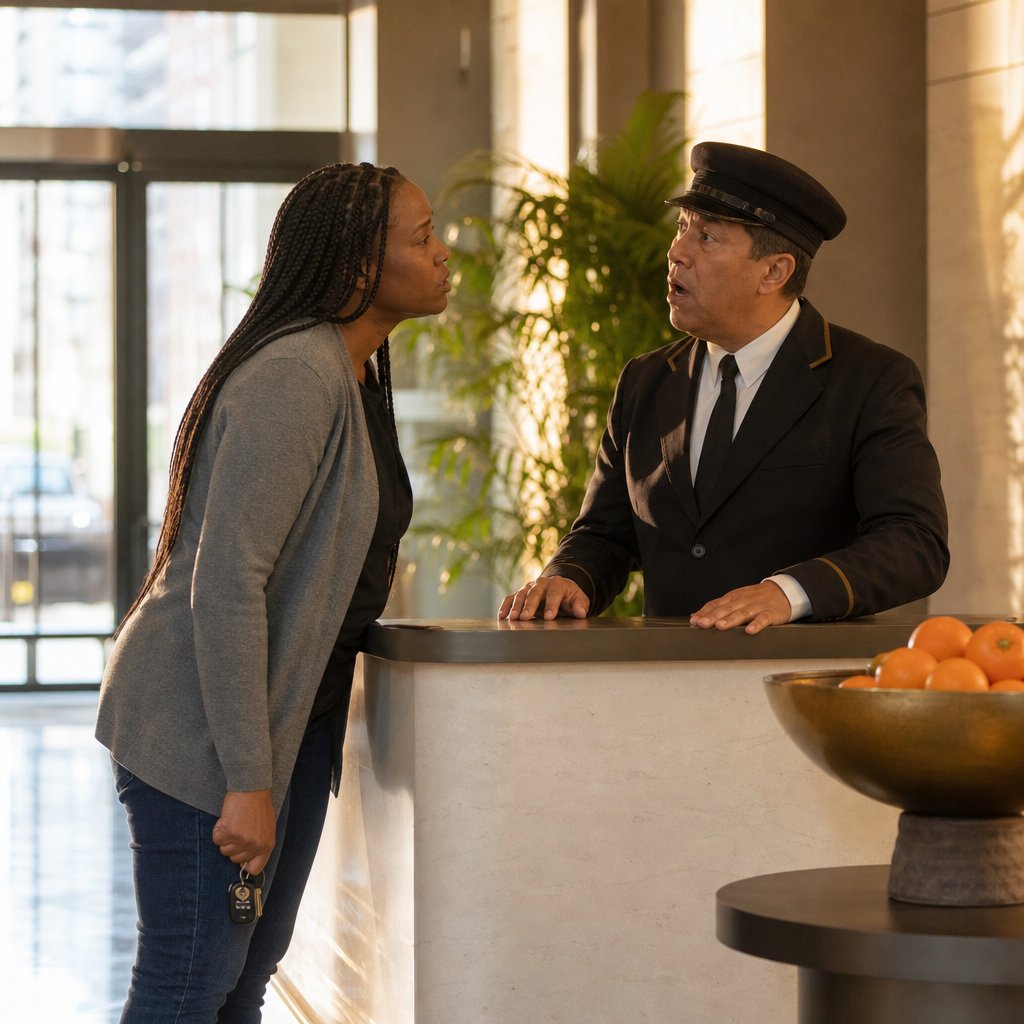
I drove to the condo like my body was on autopilot and my brain was screaming in the trunk. The steering wheel was slick under my palms, and the whole city looked too normal for what I was doing—people walking dogs, couples carrying groceries, like betrayal wasn’t a weather system rolling in.
The building was worse in person. Tall glass. Fresh flowers in the lobby. A silence that felt expensive.
I walked in wearing a plain gray cardigan and jeans, trying to look like I belonged and also like I didn’t care. My heart beat in my throat. A brass bowl of citrus sat on a table, and the scent—bright and clean—made me nauseous.
The doorman looked up immediately. Middle-aged, crisp uniform, polite smile that didn’t reach his eyes.
“Hi,” I said, forcing my voice steady. “I’m looking for a unit. It’s… a delivery issue.”
He tilted his head like he was doing me a favor. “Which unit?”
I gave him the number.
He didn’t ask who I was. He didn’t ask if I was on a list. He just nodded like we were continuing an ongoing conversation.
And then he said, warm as a welcome-home: “Oh—Mr. Carter’s place.”
My husband’s name, spoken out loud in a lobby I’d never been in, like it had been said there a thousand times.
I swallowed hard. “Excuse me?”
The doorman’s smile froze—just a fraction—like he’d realized he’d handed me the knife by the handle.
His Laugh Didn't Fit
Back home, he laughed when I said the building’s name. Not a nervous laugh. Not a guilty laugh. A confident little chuckle like I’d accused him of being a secret astronaut.
“That place?” he said, waving a hand. “Babe, I don’t even know where that is.”
He kissed my forehead—too quick, too practiced—and walked toward the kitchen like the conversation was a mosquito he’d swatted.
I stood there, staring at the dent his keys had made in the soft wood of our entry table over the years. I could hear the refrigerator hum. I could hear him opening a soda like nothing in our life had cracked.
So I didn’t argue. I didn’t cry. I didn’t give him the satisfaction of watching me unravel.
I went for the one thing liars always forget: patterns.
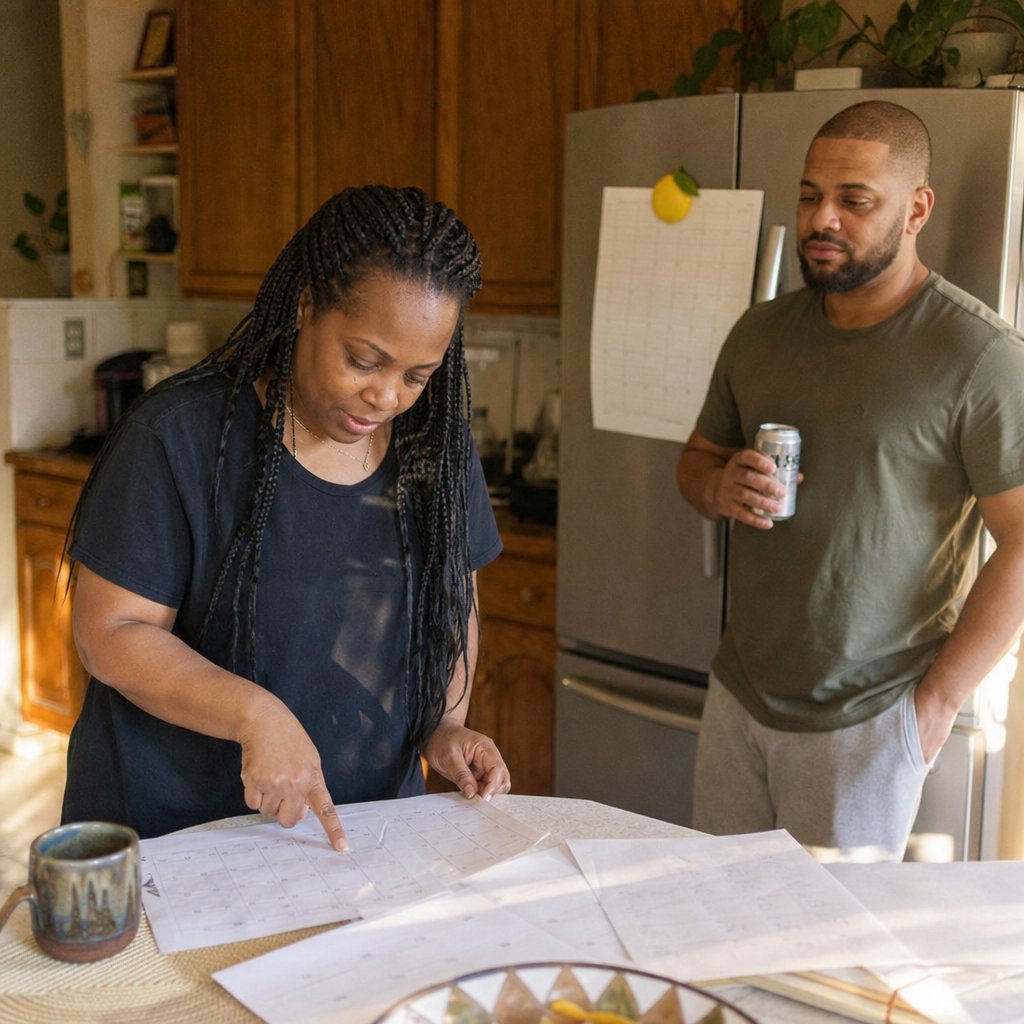
On the shared family calendar—printed out and pinned with a magnet shaped like a lemon—his “work dinners” were scattered across the month in tidy blocks. He’d always insisted we keep it updated. “So we’re aligned,” he’d said.
I took the credit card statement and laid it next to the calendar on the counter. Paper on paper. Date on date.
My throat went dry as I started matching them with my fingertip.
Every single charge—every steakhouse, every wine bar, every “late-night bite”—lined up perfectly with a “work dinner.” Like he’d pre-written the alibi before he spent the money.
He walked back in, soda in hand, and saw what I was doing.
His smile didn’t reach his eyes this time.
The Gift Message Line
I didn’t even mean to find the attachment. It was tucked behind one of the charges like an extra slap—an itemized receipt with a little boutique header and a gift message box.
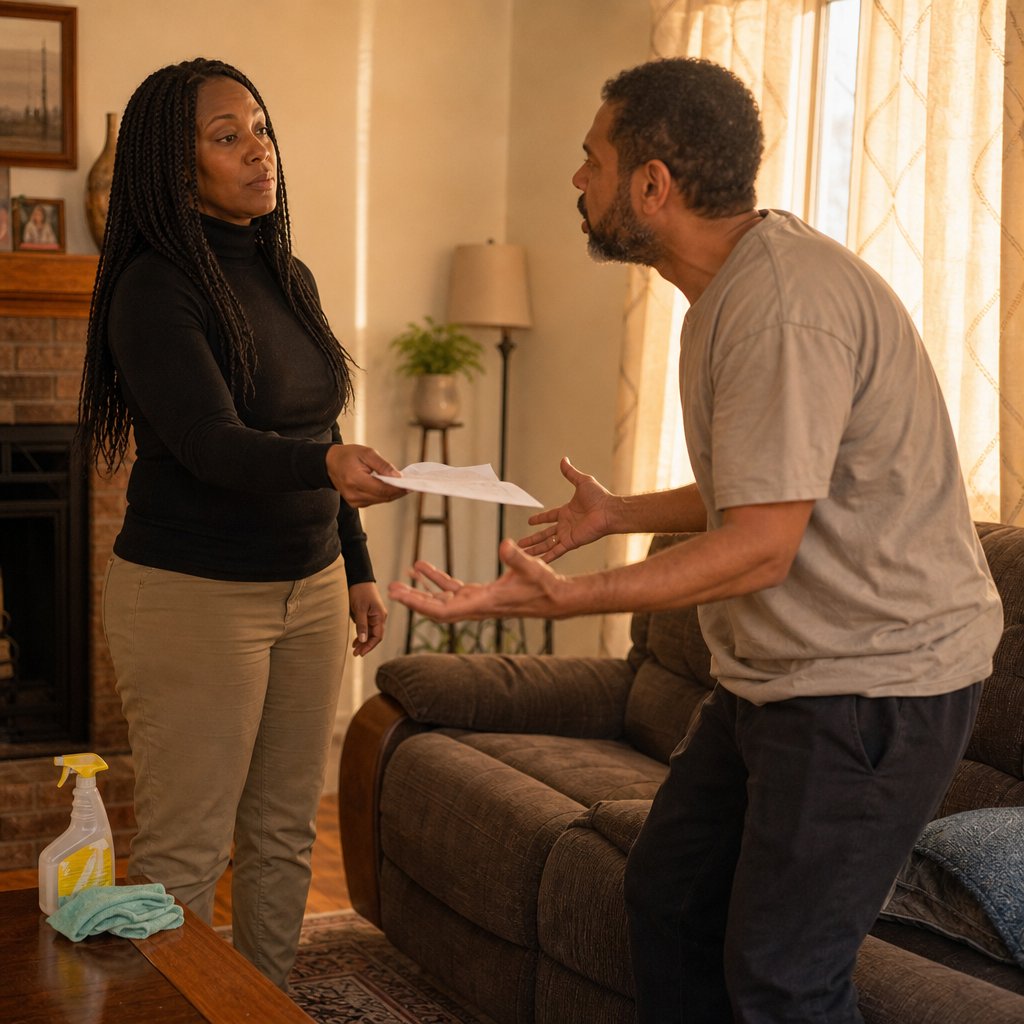
I held the page so hard it bowed in the middle. My eyes locked on one sentence, and it felt like someone had whispered it directly into my ear.
Can’t wait to see you in it.
Not “Happy birthday.” Not “Congrats.” Not even a generic “Enjoy.”
That line had a body in it. A memory. A future. It had intimacy baked into the ink.
I walked into the living room where he was half-watching a game, feet up like a man with nothing to hide. The air smelled faintly like the citrus cleaner I’d used that morning, and suddenly I hated that smell—like I’d scrubbed my own house for him to lie in.
I didn’t throw the whole receipt at him. I didn’t even mention the condo. I just held up the paper and tapped that one sentence with my nail.
“Explain this,” I said, calm enough to scare myself.
He glanced at it, and for a split second his jaw tightened—just enough to confirm it landed.
Then he leaned back and let his face rearrange into outrage. “So you’re going through attachments now?”
His voice got louder, like volume could turn guilt into innocence. “You’re snooping. That’s what we’re doing?”
And he smiled—small, sharp—like he’d just found the one thing he could accuse me of that would make me doubt my own hands.
Two Guests, Not One
That night, after he’d stormed off and left me with his anger like a smoke bomb, I made a decision that felt ice-cold and strangely peaceful.
I wasn’t going to explode. Not yet.
I was going to confirm.
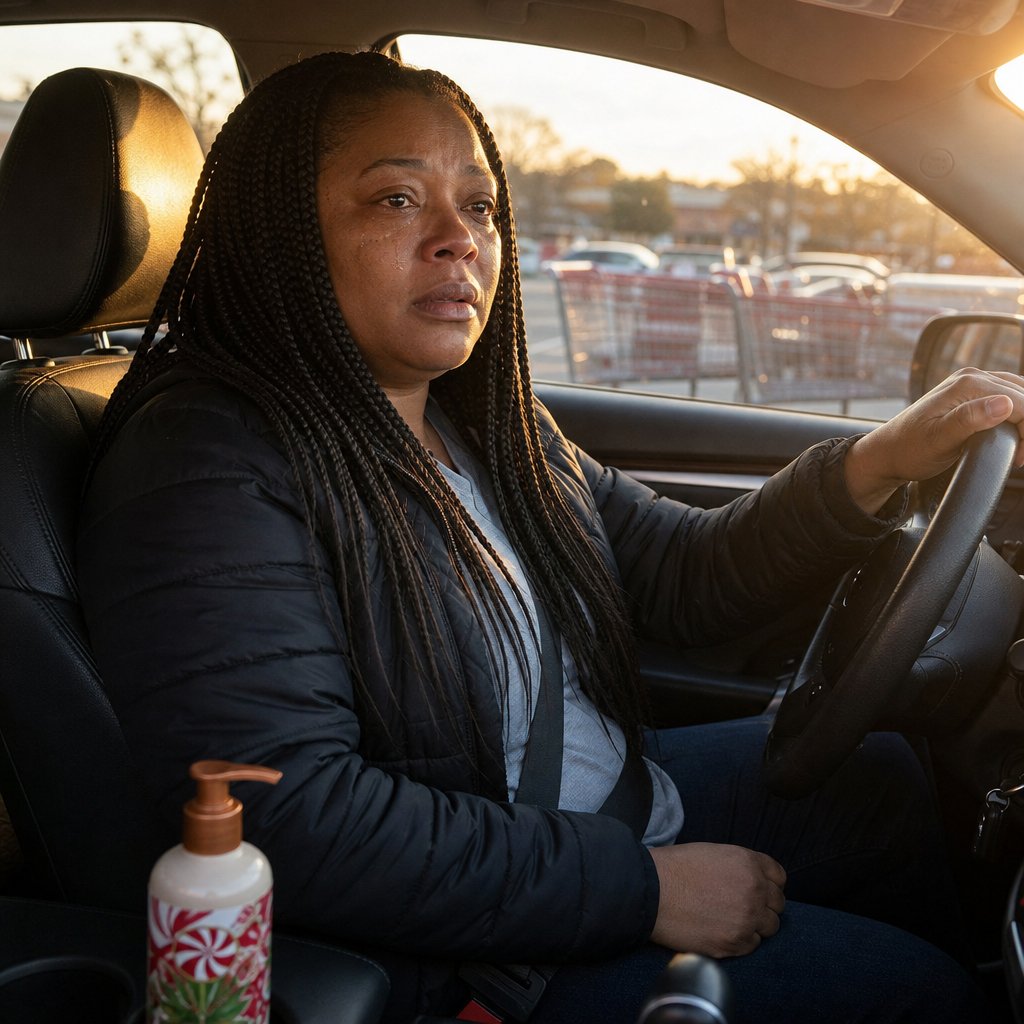
The next morning, I sat in my car in a grocery store parking lot because I couldn’t stand the walls of my own house hearing what I was about to do. The air inside the car was stale, and my hands smelled like the peppermint lotion I’d rubbed on out of habit—like I could soothe myself into being naive again.
I called the restaurant from the statement. The one with the jaw-dropping total and the little “gratuity included” line that had made me laugh without humor.
A hostess answered, bright and efficient. I gave my husband’s name like it belonged in my mouth.
There was a pause, the soft click of keys in the background, and then: “Yes, I see it. Reservation under Carter.”
My pulse hammered. “Great,” I said, too casual. “And that’s for…?”
“Two guests,” she said, like it was the most normal thing in the world. “At 7:30.”
Two.
Not a team dinner. Not a client meeting. Not a group. Not a mistake. Two, like a couple. Two, like a secret with legs.
I stared out at a woman loading oranges into her trunk and thought, absurdly, how heavy truth looked when you carried it alone.
“Can you tell me,” I heard myself ask, “if he’s requested a specific table?”
I Knew Her Hug
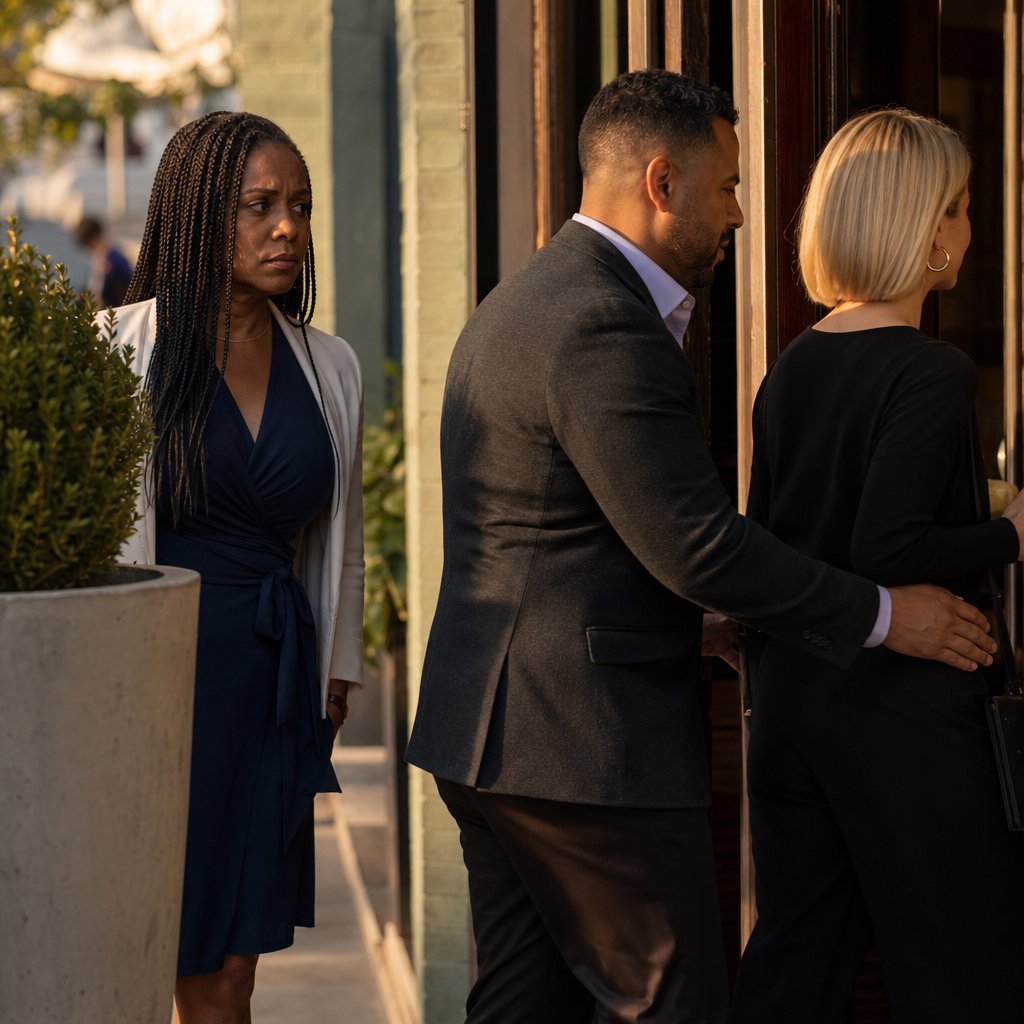
I got to the restaurant early enough that the staff still moved like they had time. I wore a navy wrap dress and a light jacket, the kind of outfit that said “I belong here,” because if I looked out of place I knew I’d run.
I didn’t go inside. I posted up across the street near a planter overflowing with damp soil and little purple flowers. The smell of the earth was sharp and wet, grounding me in the most unfair way—like nature didn’t care that my life was splitting in half.
At 7:24, my chest tightened so hard I thought I might be sick right there on the sidewalk.
His car pulled up like a punctuation mark.
He got out wearing that charcoal blazer I’d bought him for our anniversary—the one he’d kissed me for and promised he’d “save for special occasions.” He checked his watch, relaxed, like he was meeting someone he’d met a hundred times.
And then she appeared.
Not a stranger. Not a faceless “other woman” I could hate in theory.
Her. The polished coworker from the holiday party—white woman, early 30s, sleek blonde bob, perfect teeth, those delicate gold hoops I’d complimented while she hugged me and said, “You’re so lucky to have him.”
She slid up beside him like she’d earned the right.
He smiled at her in a way I hadn’t seen in months.
Then he held the door open, and they walked in together like it was their tradition.
His Hand On Her Back

I didn’t go inside. I couldn’t. Not yet. Not while my face still belonged to me.
I stayed outside, pretending to look for something in my bag, pretending I was waiting for a friend, pretending my whole body wasn’t vibrating with adrenaline.
Through the glass, I caught glimpses—movement, laughter, the tilt of his head. Then they stepped back out for a second, like maybe she’d forgotten something in the car or he’d needed “air.”
And that’s when he did it.
His hand slid to her lower back. Not a polite guiding touch. Not an accidental brush. A casual, familiar placement like it had a home there.
I felt heat flood my face, then go cold. The sound of traffic whooshed by, too loud, like the city was trying to drown out what I was seeing.
I lifted my phone without thinking—kept it low, angled, my fingers steady in a way the rest of me wasn’t. I didn’t need a perfect shot. I needed proof that couldn’t be laughed off. Proof that couldn’t be turned into “you’re crazy.”
Click.
She leaned into him like she trusted him to hold her up.
He said something in her ear that made her smile, and I watched his mouth curve—soft, private, intimate.
I walked back to my car on legs that didn’t feel like mine.
By the time I got home, the house smelled like yesterday’s coffee and quiet. I spread my papers out again, hands trembling, and started building a case like I was preparing for court.
Then I heard his key in the lock.
The Spending That Gutted Me
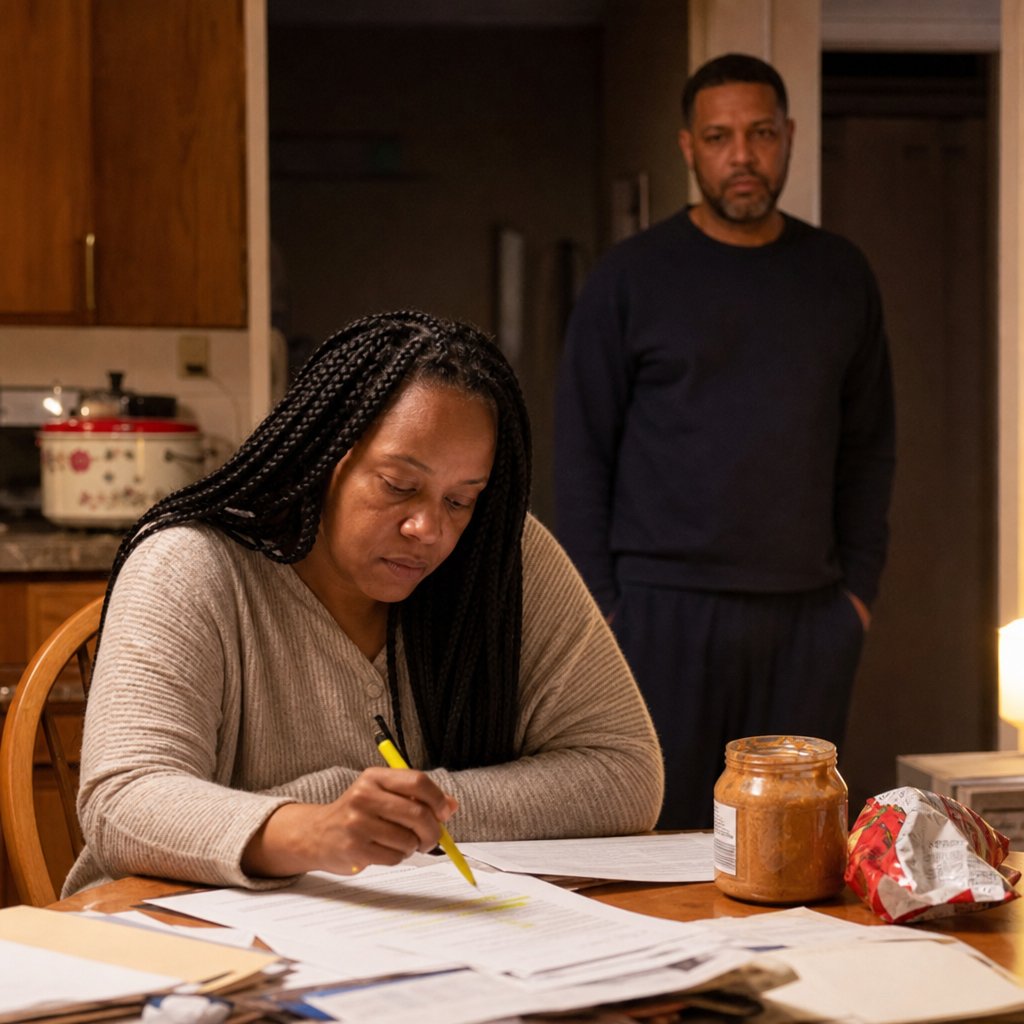
After he went to bed—after he’d acted like I was the problem for “being distant”—I sat at the kitchen table with a stack of statements and a highlighter that kept slipping in my sweaty fingers.
I thought I was documenting dates. Dinners. Big obvious betrayals.
What I found was worse, because it was small.
Pharmacy runs. Late-night convenience store snacks. A random pack of gum and a bottle of water here. A hotel minibar charge there. Little “maintenance” purchases that meant one thing: she wasn’t just an event. She was a routine.
I stared at a charge for electrolyte packets and felt my throat close. Because I remembered that week—when I’d asked him if we could stop ordering takeout because “we needed to tighten up.” He’d looked me dead in the eye and said we had to be responsible. He’d said it like a lesson.
Meanwhile, our joint card was buying someone else headache medicine and salty chips like she was recovering in his presence.
I flipped another page and my breath hitched at a hotel charge I hadn’t clocked before—small enough to slip by if you weren’t looking for it, specific enough to scream once you were.
The paper smelled faintly like toner and dust. My eyes burned from not blinking.
I wasn’t just angry anymore. I felt used. Budget-scolded. Played.
Behind me, the floorboard creaked.
I froze, highlighter hovering mid-air, as his shadow stretched into the kitchen doorway.
Flowers With The Same Thorns

Two days later, he came home with flowers like he was auditioning for Husband of the Year.
A huge bouquet—white lilies and pale pink roses—held out in both hands, blocking his chest like a shield. The scent hit me immediately, sweet and heavy, and my stomach turned because it didn’t feel romantic. It felt strategic.
“I’ve been thinking,” he said, voice soft. “We’ve been off. I want us to do a weekend. Just us. Reset.”
He said “reset” the way people say “forget.”
I took the bouquet because refusing would’ve started a different fight, and the cellophane crackled loud in the quiet hallway. He watched my face like he was checking whether the love-bomb landed.
That night, when he fell asleep, I opened my folder and traced back the florist charge from the statement history. Same vendor. Same price range. Same little pattern: flowers after a blow-up, flowers after a question, flowers when he needed the air cleared for whatever came next.
It hit me with a kind of cold clarity that made my hands stop shaking.
He wasn’t improvising. He had a playbook.
And if he was giving me lilies to soften me, what was he giving her? What was he telling her about me?
I set the bouquet in a vase on the counter and watched one lily’s pollen dust the white surface like a stain you couldn’t scrub out.
Then I heard his phone buzz on the nightstand.
The Engraving Wasn't Mine
I set a trap the way you set a glass down carefully when your hands are shaking.
I told him I had a work trip. I packed a small overnight bag and even tossed in my toothbrush like I was committing to the lie. I kissed his cheek at the door and watched him relax—just a fraction—because he thought he’d been handed freedom.
I didn’t go anywhere. I checked into a cheap hotel on the edge of town under my maiden name and sat on the bed in leggings and an oversized sweatshirt, staring at the bland framed art on the wall like it might explain how my marriage became a con.
Mid-afternoon, my card alerts started chiming one after another in my brain even before I saw them—because I knew the pattern now. My stomach tightened when I saw the charge category.
Jewelry store.
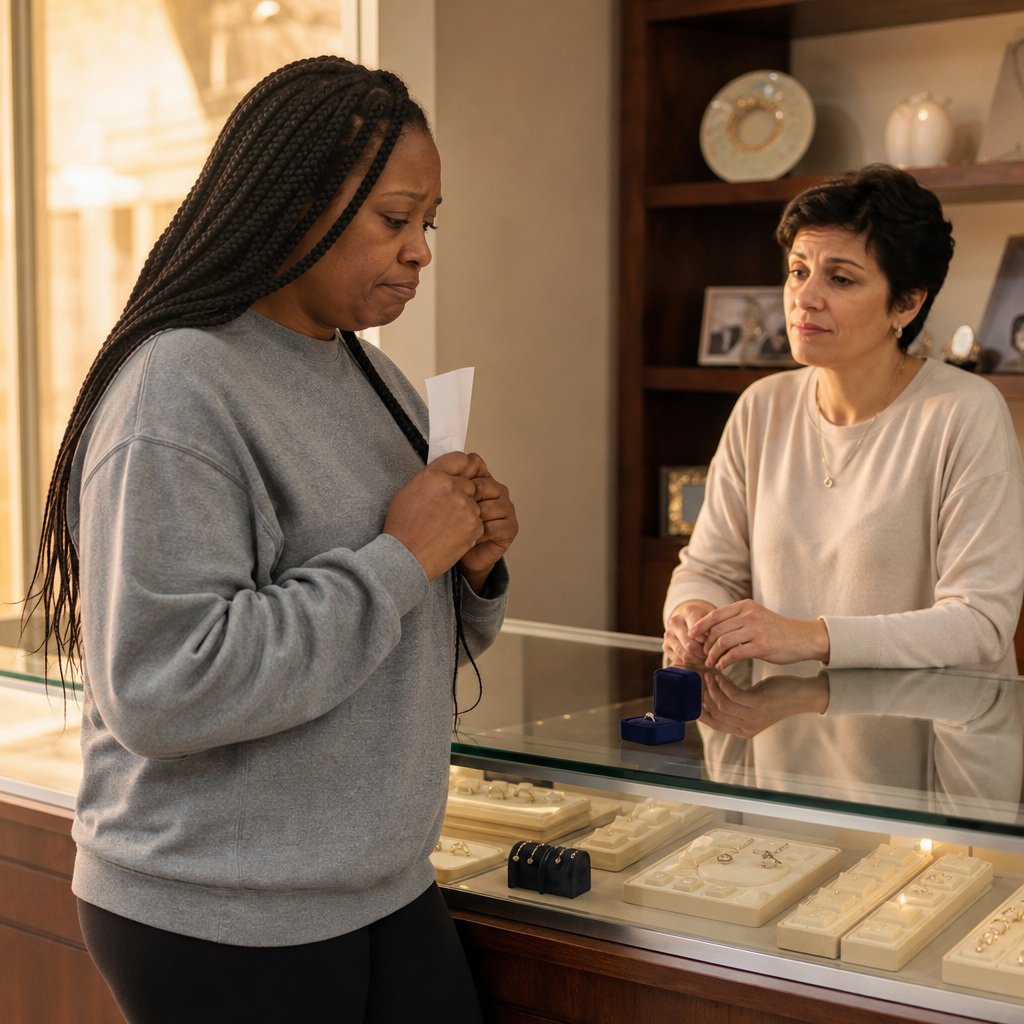
I drove straight there, not to confront—never to confront without receipts—but to gather. I waited in my car until he left, then walked inside and asked, sweet as sugar, if they could reprint a receipt for a “warranty issue.” My voice didn’t even wobble. I surprised myself.
The associate brought it out on stiff paper and slid it across the counter like it was nothing.
I kept my face neutral as my eyes scanned down until they landed on the add-on line.
Engraving.
Not my name. Not our anniversary. Not anything that belonged to us.
Her nickname—the one I’d heard at the holiday party when someone called her across the room—stared back at me like a dare.
I looked up, and the associate was watching my face change.
The Messages He Forgot
The associate’s eyes flicked to my hands, then to the little black phone I’d set on the counter like it was a bomb. They opened their mouth like they were about to say something they thought I already knew—then swallowed it back down.
“Ma’am,” they said softly, “if you’re the account holder… you should probably… look.”
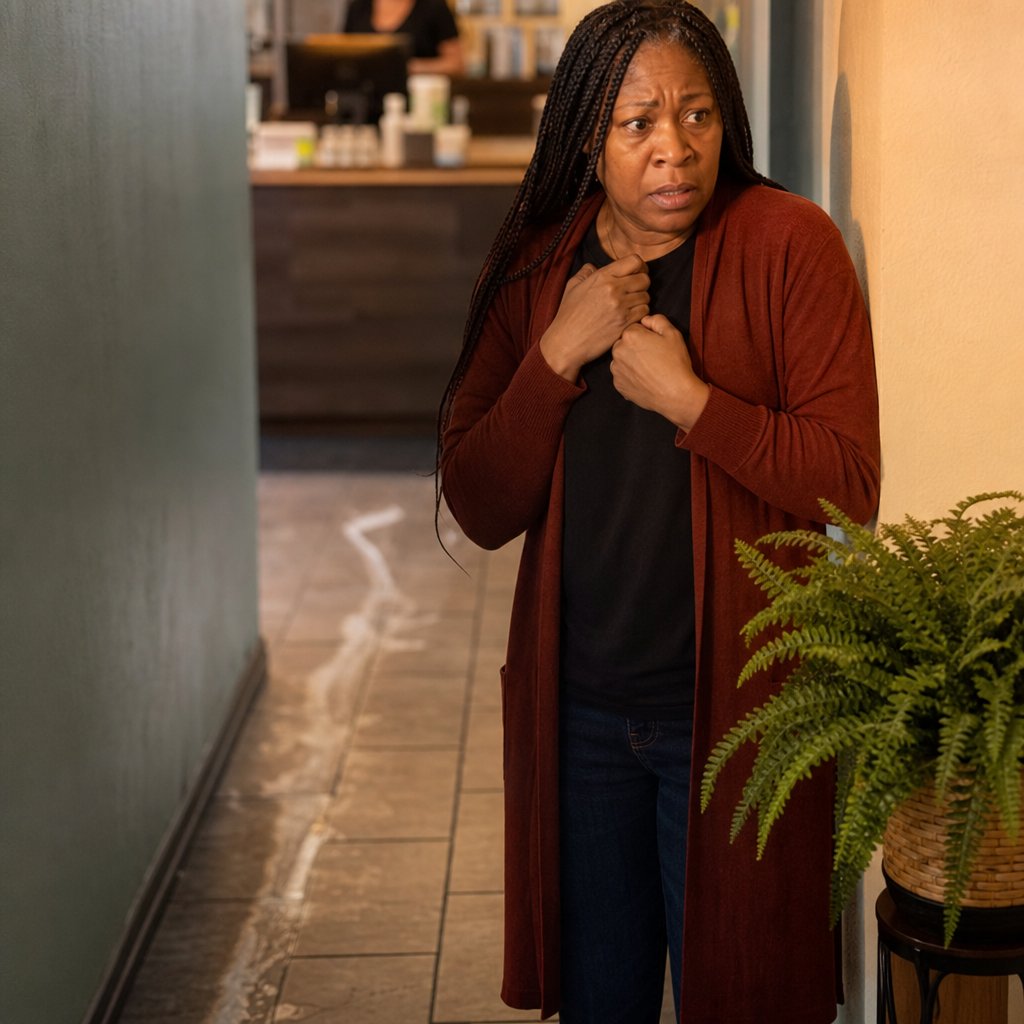
My stomach turned cold. I stepped into the side hallway by the potted fern, where the air smelled like lemon cleaner and somebody’s too-sweet perfume. The phone felt heavier than it should’ve, like it was full of stones.
I didn’t even have to guess the passcode. His birthday. Of course.
The lock screen popped open and I swear my whole body did that sick drop, like missing a stair. A thread was already pulled up—her name wasn’t saved as her name. It was saved as “Catering.” Petty. Lazy. Brilliantly cruel.
I scrolled, thumb trembling, and there it was in plain, casual language like they were planning groceries: “Use the joint card.”
Then: “My wife never checks.”
Then the line that made my vision blur with rage: “If anyone asks, you’re Mrs. Lastname. Smile like you belong there.”
I heard myself inhale sharp, like I’d been slapped. My braids brushed my shoulder as I leaned closer, reading the next message—an address I recognized instantly—and my hand tightened so hard around the phone it creaked…
The Folder On The Table
I didn’t confront him alone. I wanted witnesses—people he cared about impressing. People who would remember his face when the mask cracked.
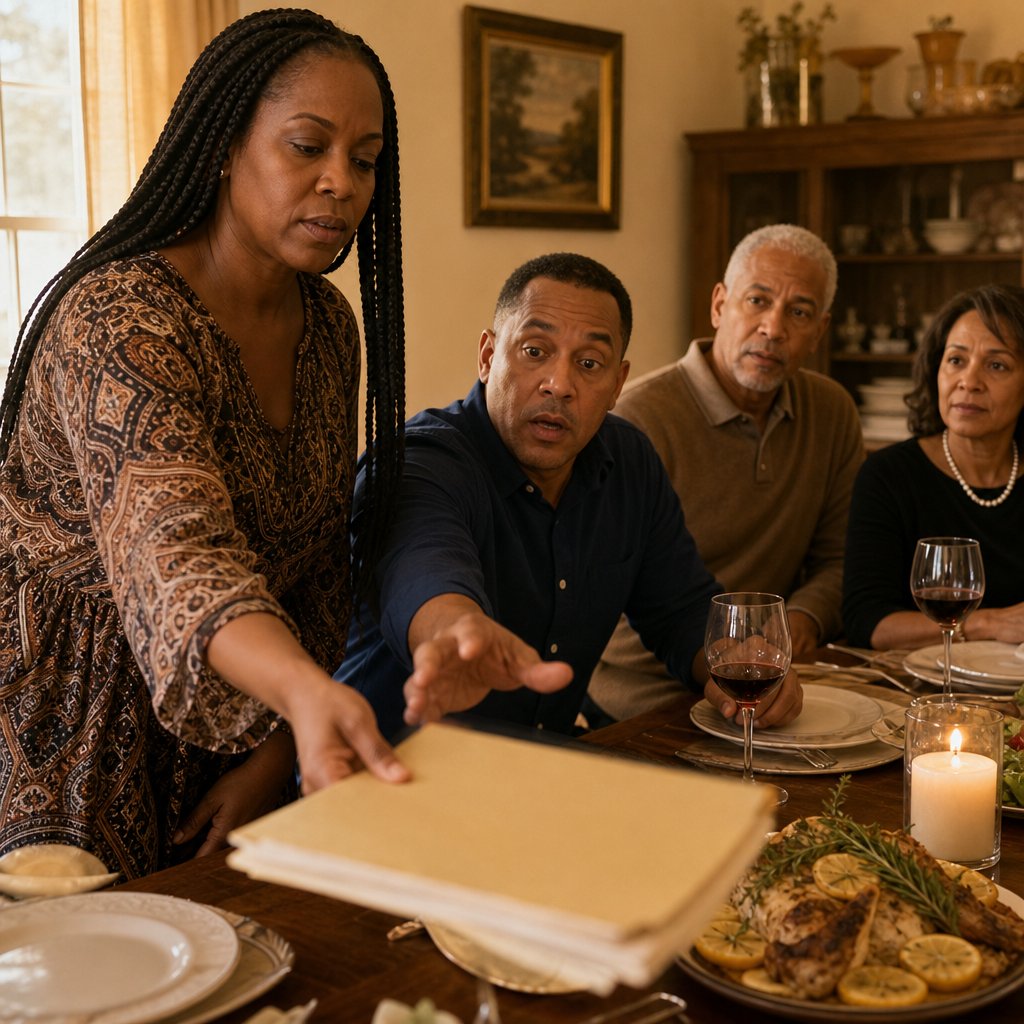
I hosted a “small dinner” in our dining room like it was some wholesome little Thursday reset. Linen napkins. Real plates. The lemon-rosemary chicken he always bragged about at work like he cooked it. Candles that made everything look softer than it deserved.
He brought his boss, Martin—tall, silver-haired, always laughing like he owned the room—and Martin’s wife, Leanne, who wore pearls even to casual dinners and had eyes that missed nothing. I invited Tanya too, my friend who’d known me since before I had these braids, the kind of friend who would physically hold me back if I lunged.
My husband—Calvin—played charming host in a navy button-down, pouring wine with that practiced wrist like he was on a cooking show. He kept touching my lower back like we were a team. Like he hadn’t been coaching another woman to wear my name.
Halfway through the meal, when the forks were clinking and Martin was telling some story about “integrity” at the office, I stood up and slid a thick folder onto the table. It made a dry, final thunk against the wood.
Calvin’s smile froze. His hand shot out so fast he nearly knocked over his glass, reaching to snatch it like it was a live wire—
When I Read His Words
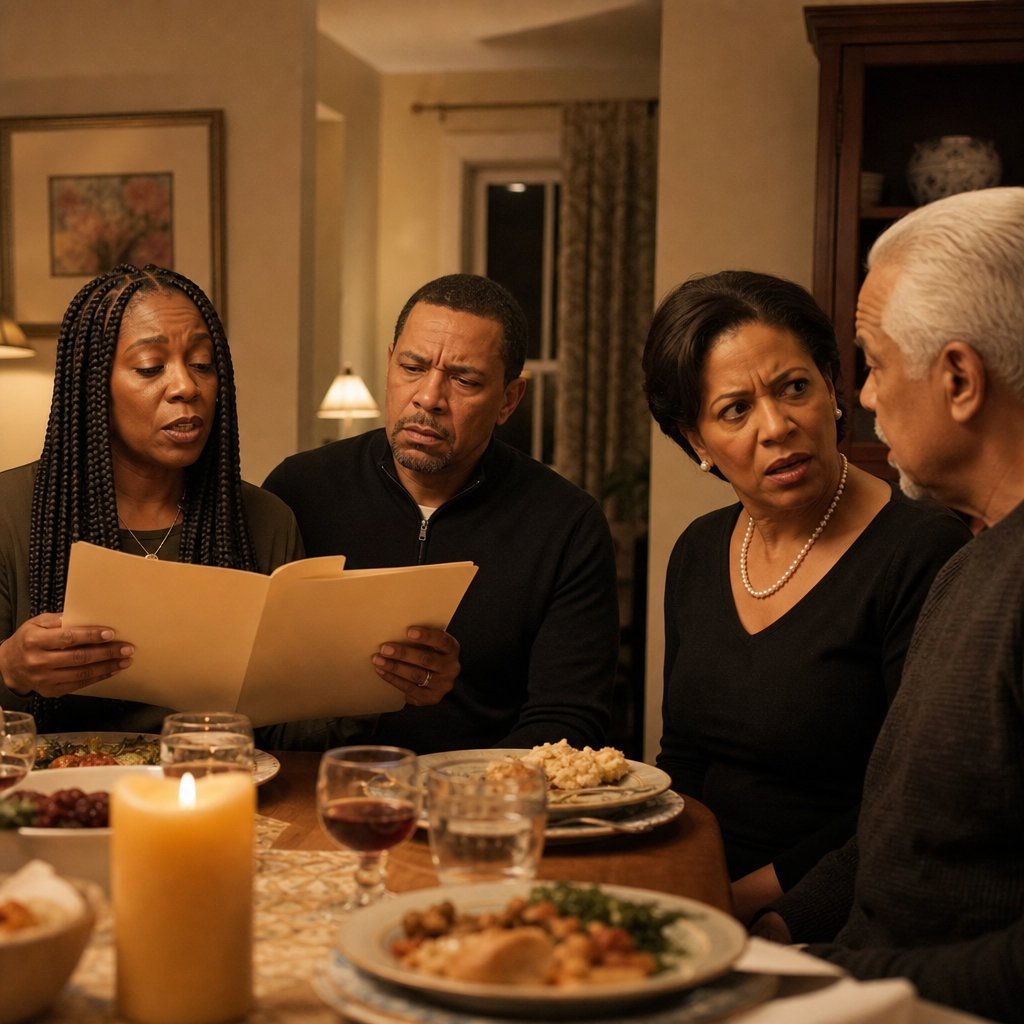
I put my palm flat on the folder and stopped it. Not hard—just firm enough to make it clear this wasn’t a negotiation.
Calvin’s fingers hovered over the edge like he was deciding whether to risk a scene in front of his boss. His jaw worked once. A tiny tick I’d seen when he lied about dumb things—traffic, deadlines, who ate the last yogurt. Tonight it looked like panic.
“What is this?” Martin asked, still smiling, like this was some surprise announcement.
I opened the folder. Itemized printouts. Dates. Restaurants. The same Thursday pattern marching down the page like a drumbeat. I didn’t hand anything out yet. I didn’t need to. I wanted them to hear it first.
I looked straight at Calvin and read the line I’d memorized because it burned: “Use the joint card.”
His face went pale under his warm brown skin, like the blood drained all at once.
I kept my voice steady even though my hands were shaking under the tablecloth. “And then you said: ‘My wife never checks the card.’”
The room went so quiet I could hear the candle wick crackle. Tanya’s fork stopped halfway to her mouth. Martin’s smile fell off his face like it had been yanked.
Leanne’s eyes narrowed—not at me, at him. She didn’t ask what it meant. She didn’t have to. She stared at the dates, and I watched the exact second she connected the Thursdays—those recurring “late meetings,” those little work dinners Calvin always blamed on Martin.
Leanne turned her head slowly toward Martin, lips parting like she was about to say his name in a way that could ruin careers…
Would you confront Martin about the suspicious charges?