



Evan’s Little Warranty Routine
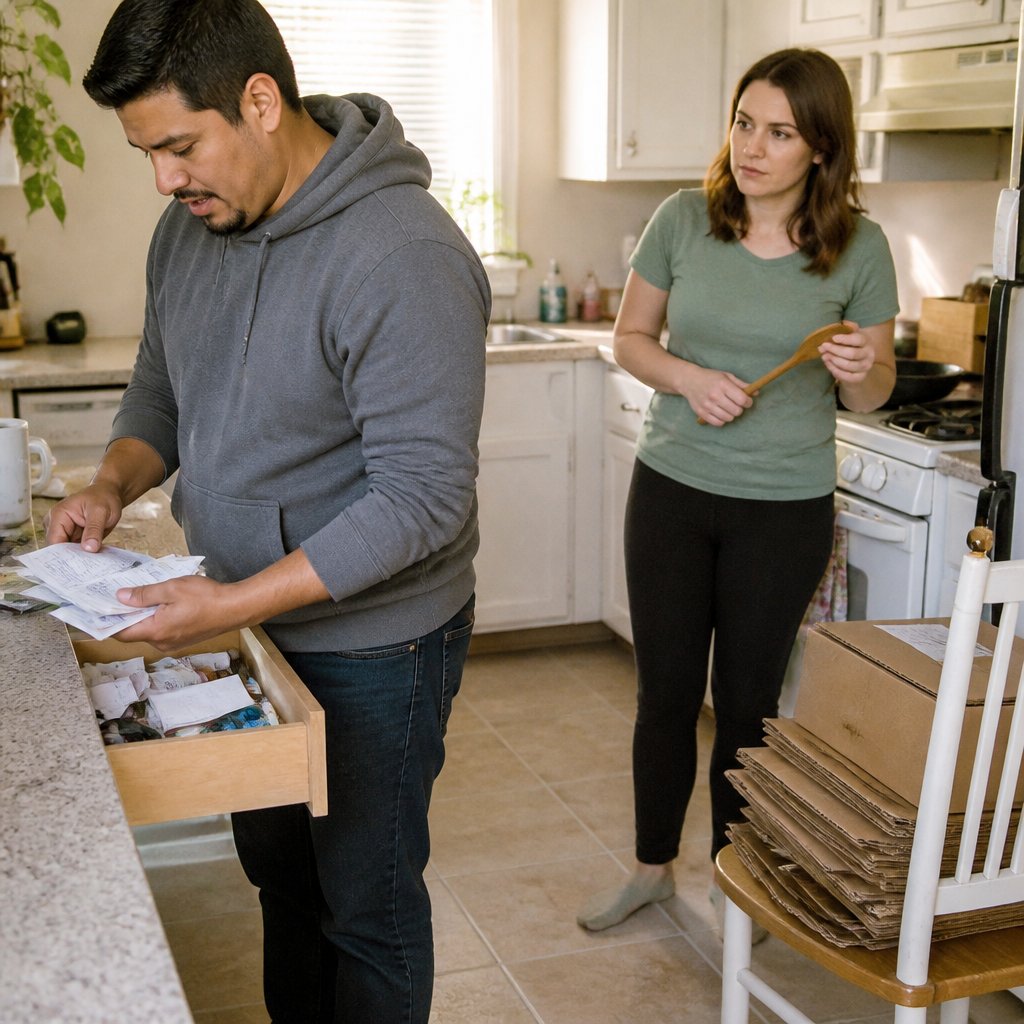
Evan stood at the kitchen counter with the junk drawer open, flipping through folded receipts like he was shuffling cards. He had that calm, smug tone he used when he thought he was teaching me something. “You just keep the boxes,” he said, tapping a stack of manuals he’d already sorted into a neat pile. “Register everything. If it acts up, you don’t even argue. You use the language they want.”
I watched him write a date on a sticky note and press it onto a blender manual. He didn’t look up once, like he’d done this so many times the motions lived in his hands. Our kitchen smelled like dish soap and the onions I’d chopped for dinner. The faucet dripped in a steady tick that made his quiet confidence feel louder.
“How many times have you done this?” I asked, trying to sound casual.
He shrugged like it was nothing. “More than you think. It’s a system. They build it in. People just don’t use it.”
When I laughed a little, he didn’t. He slid the drawer shut with his hip and finally met my eyes, like he was waiting for me to challenge him and already had an answer ready.
“We’re not doing anything wrong,” he said, and his voice landed hard enough that I stopped stirring the pot mid-circle.
The “Broken” Thing Wasn’t
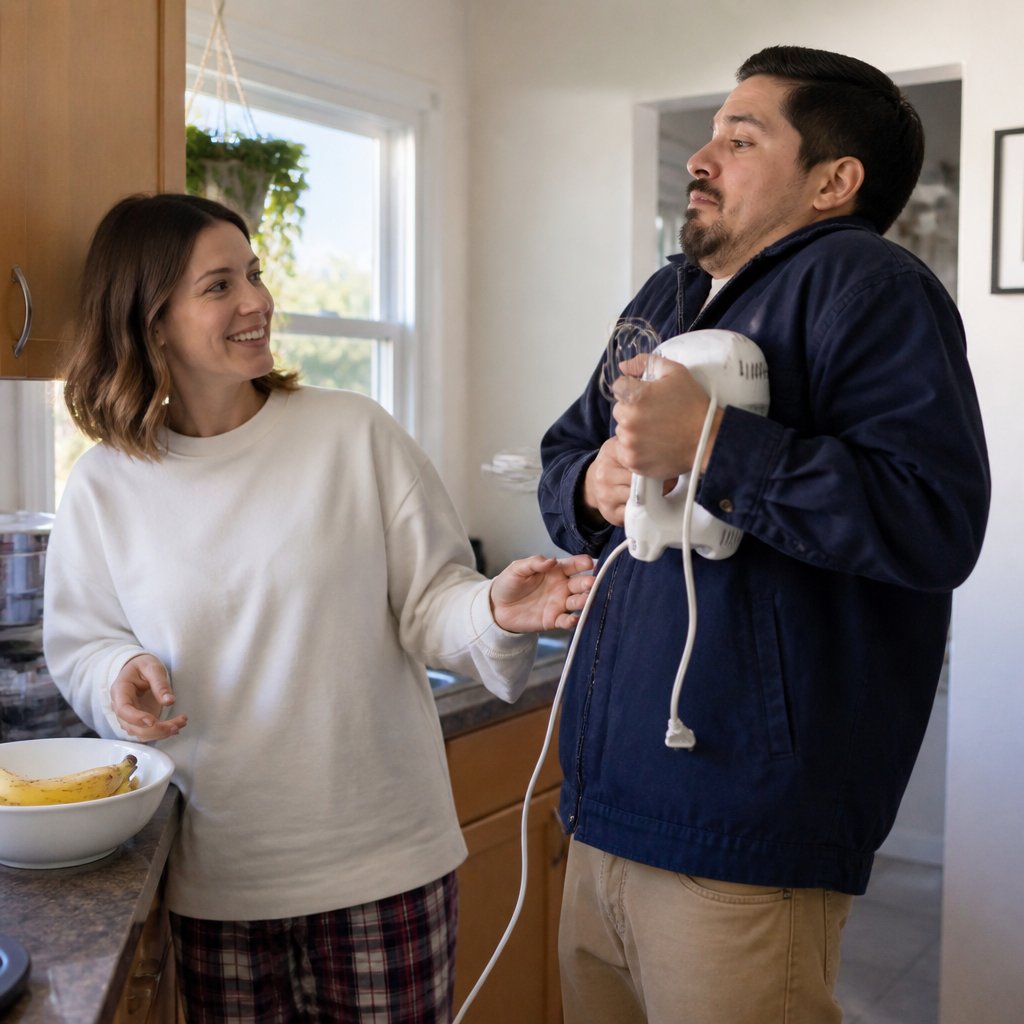
Two days later I pulled the hand mixer from the cabinet because I wanted to make banana bread. Evan had labeled it with a piece of masking tape that said “DEAD,” like it was a joke. I plugged it in anyway. The beaters spun right away, smooth and steady, and the little whir filled the kitchen like a normal Tuesday.
I held it up when Evan walked in, like I was showing him a magic trick. “This works,” I said. “It’s not broken.”
He stopped short near the fridge, keys still in his hand. His face tightened fast, the way it does when someone cuts him off in traffic. “Mara,” he said, sharp, “don’t do that.”
“Don’t do what? Use it?” I set it down on the counter, still running, and the vibration made it creep a fraction of an inch. “You told them it died.”
He walked over and yanked the plug out so hard the cord snapped back. The sudden silence made my ears ring. “You don’t understand,” he said, low and controlled. “It’s not about whether it turns on once. It’s about coverage.”
I stared at him. “Coverage for what? We’ve used it for years.”
He leaned in like he was trying to keep his voice from carrying through the walls. “Stop poking at it,” he said. “You’re going to mess it up for me.”
For me. Not for us.
He picked up the mixer and held it against his chest like it was suddenly fragile, and I couldn’t tell if he was protecting the thing or protecting something else.
The Box Felt Too Light
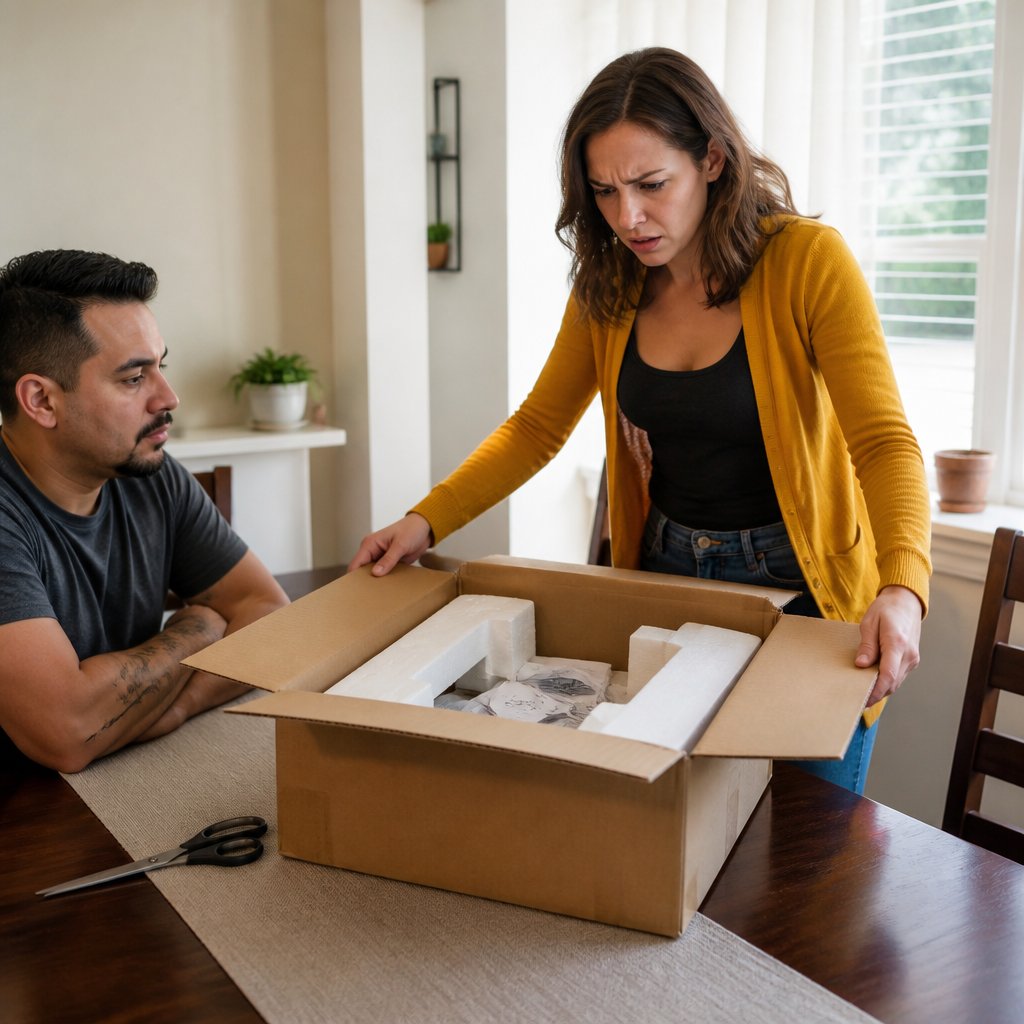
The replacement toaster came on a Thursday, dropped on our porch like any other package. Evan was at work, so I carried it in myself. The box was sealed with clear tape and looked clean and official, but the second I lifted it, my stomach dipped. It was too light. A toaster had weight. Even the cheap ones did.
I set it on the dining table and ran my fingers along the tape seam, listening to the faint crackle. I grabbed the scissors from the kitchen drawer and cut carefully, like I didn’t want to leave evidence of my own curiosity. When I opened the flaps, the smell of new cardboard puffed out.
Inside was foam shaped like a toaster should be there. Paperwork sat on top—warranty slips, packing material, a folded pamphlet—everything arranged like a stage set. I lifted the foam insert with both hands, expecting the toaster to slide out from underneath.
Nothing.
Just empty space where metal should have been. My fingertips pressed into the foam and it squeaked a little, the sound weirdly cheerful for what I was looking at. I dug under the packing paper, then checked the corners like maybe it had shifted. The box stayed empty, stubbornly, like it had never held anything at all.
I stood there with the flaps open, staring down, trying to make the scene make sense. Sealed tape. Perfect foam. No toaster.
When I heard Evan’s car door slam outside, I didn’t move. I just kept my hands on the box like I could hold the truth in place.
“Don’t Call Them, Mara”
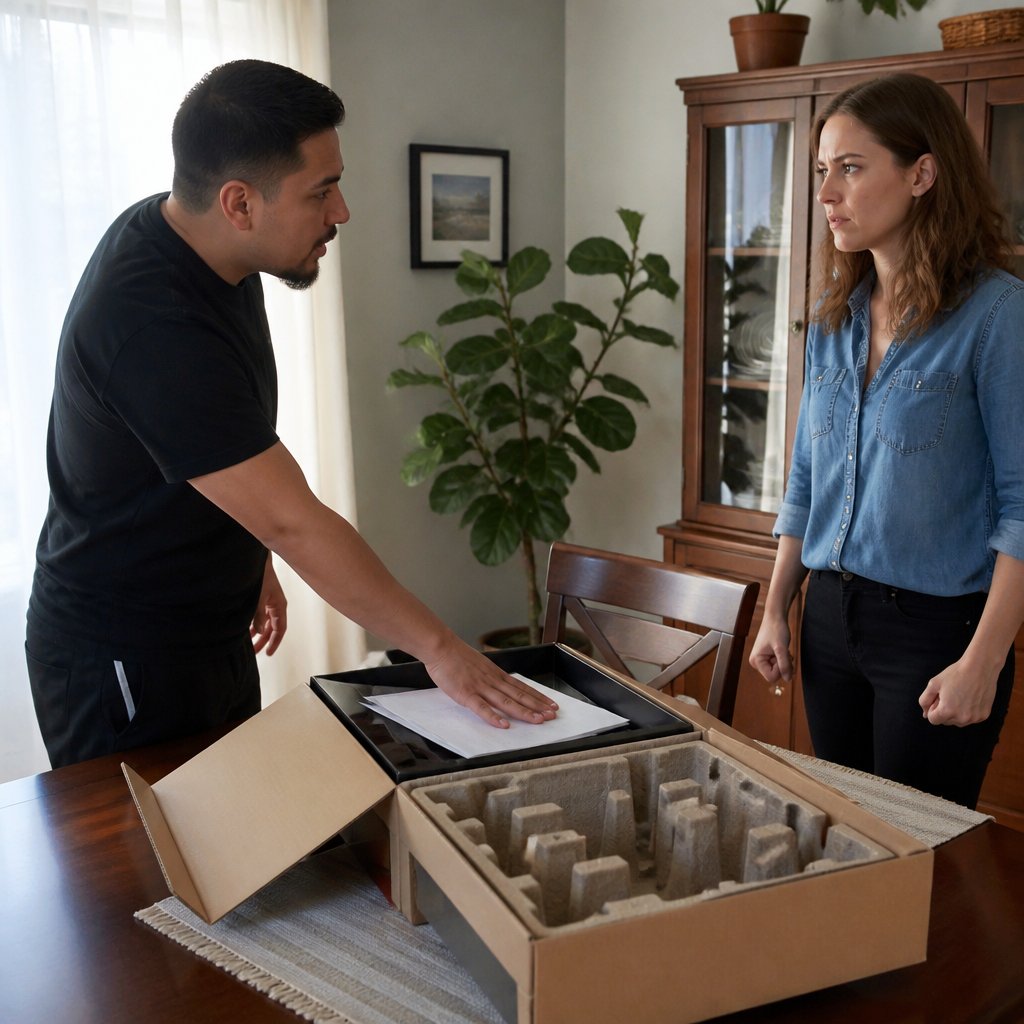
Evan came in and saw the box right away. He didn’t even set his lunch bag down before he was at the table, looking over my shoulder. His eyes flicked across the foam, the paperwork, the empty space, and his mouth pulled into a tight line like he was already rehearsing what he’d say.
“It’s a shipping mistake,” he said. He said it fast, like if he named it, it would become harmless.
“It was sealed,” I said. I tapped the cut tape with one finger. “And it’s not like it fell out. It never was in here.”
He waved a hand at me, dismissive. “They mess up sometimes.” He reached into the box, rifled through the papers, and then shoved them back like he wanted the emptiness covered.
“I can call,” I said. “I’ll tell them it arrived empty. That’s normal. People call about that.”
His head snapped up. “No.”
The word hit the room like a slammed cabinet. He took a breath through his nose and tried to smooth it over, but his eyes stayed hard. “You’ll say the wrong thing,” he added, quieter. “You don’t know how to talk to them. They’ll twist it.”
“How would I say the wrong thing? It’s empty.”
He leaned on the table, close enough that I could smell the coffee on his breath. “Just let me handle it,” he said, and the way he said handle sounded like coaching. Like there were rules I didn’t know, and if I broke them, something bigger would fall apart.
I looked at the empty foam again, trying to picture the toaster that was supposed to be there, and Evan’s hand slid over the paperwork like he was covering a hole in the floor.
The Toaster Was Gone
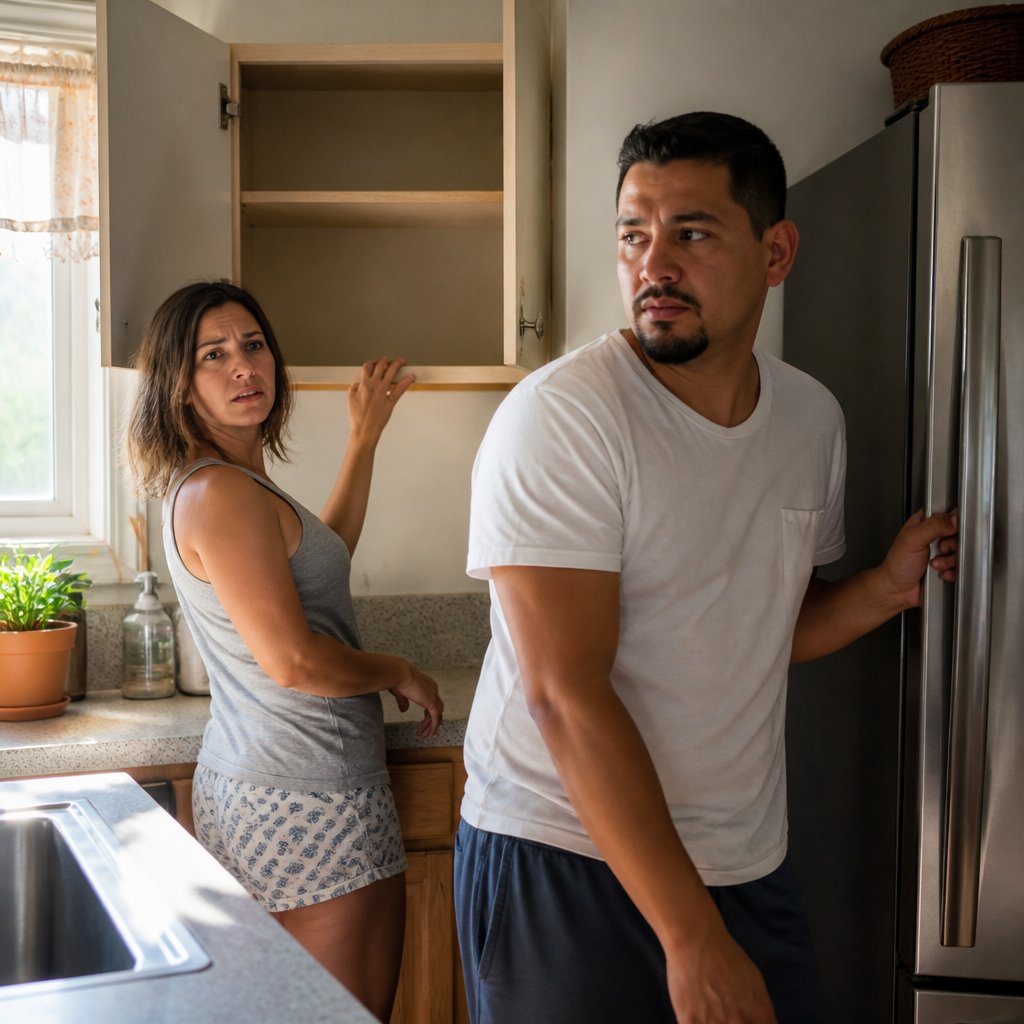
The next morning I went to make toast out of habit, like my body didn’t care about our new weird reality yet. I opened the cabinet where we kept the toaster when the counters were crowded. The shelf held a casserole dish, an old colander, and a stack of plastic containers with mismatched lids.
No toaster.
I checked the counter, even though I knew it hadn’t been there. I looked under the dish rack, then in the pantry, then the coat closet because my mind started throwing out stupid places just to fill the silence. The kitchen felt colder than usual, and the smell of yesterday’s coffee grounds sat sour in the air.
Evan came in rubbing his eyes, still in his sleep shirt, and I tried to keep my voice even. “Where’s the toaster?”
He didn’t pause like someone trying to remember. He paused like someone choosing a lane. “I put it away,” he said.
“Where?”
He opened the fridge, stared into it like the answer might be behind the milk, and shrugged. “Somewhere. It was cluttering up the counter.”
“It wasn’t on the counter. It was in the cabinet.” I heard my own voice rising and hated it.
He shut the fridge door and looked at me like I was making a scene over crumbs. “Mara. It’s fine. We’ll get another one.”
Another one. Like we hadn’t already received an empty box pretending to be one. I walked to the cabinet again and ran my hand along the bare shelf, feeling a faint ring of dust where the toaster had sat for years.
“Just tell me where you put it,” I said.
His eyes slid away from mine, and he didn’t answer right away.
He Beat Me To It
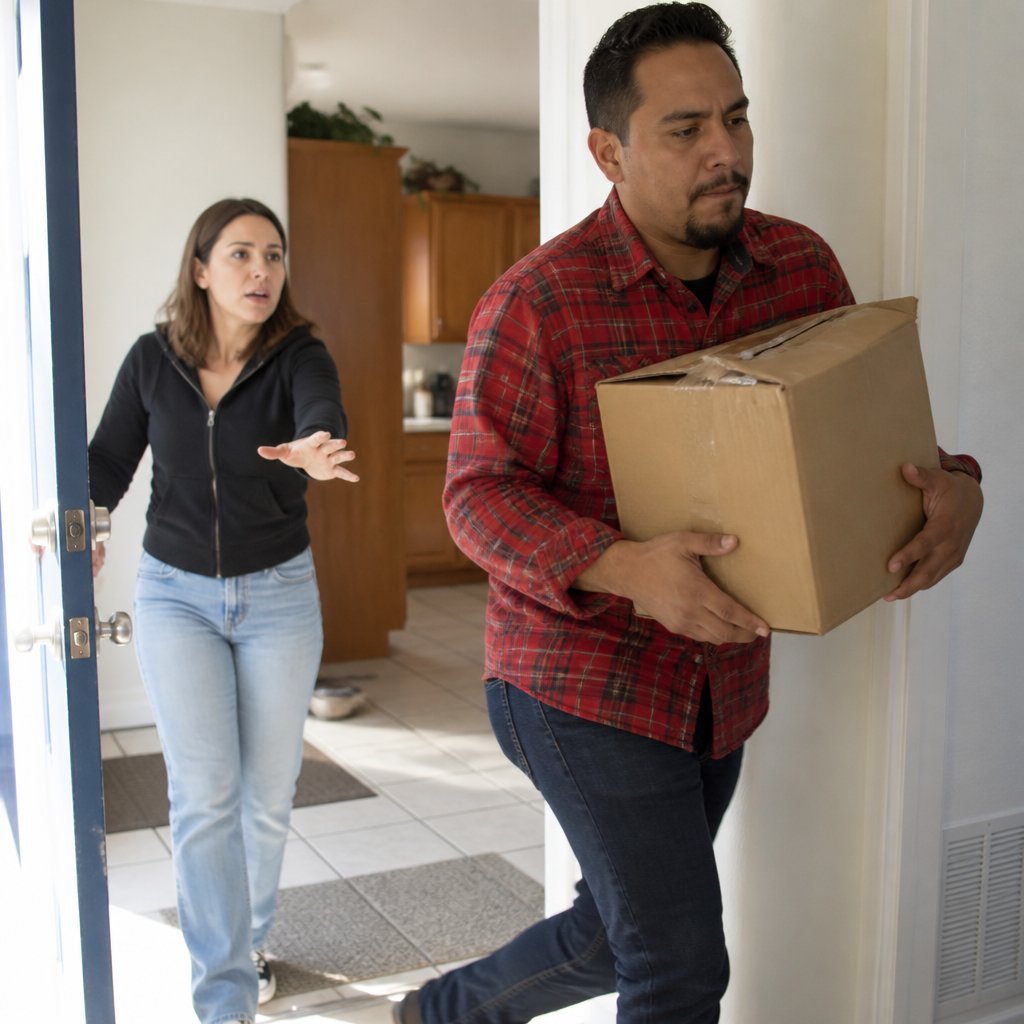
After the toaster, more boxes started showing up like clockwork. A replacement vacuum part. A “new” attachment for the stand mixer. Every time, the package looked normal from the outside—tape intact, corners crisp—but when I got to it, it felt wrong. Too light, or hollow in a way my hands recognized before my brain did.
Twice in one week I heard the thump on the porch and hurried to the front door, only to find Evan already there, shoes half on, like he’d been waiting for the sound. He’d scoop the box up against his chest and smile at me like he was being helpful. “I got it,” he’d say, too quick.
One afternoon I opened the door and saw his back through the frosted glass, shoulders hunched, blocking my view of what he was doing. When he turned, he held an empty box by the bottom like it was heavier than it was. His fingers were pressed hard into the cardboard, whitening at the knuckles.
“You didn’t even let me see the label,” I said.
“It’s the right one,” he said, walking past me into the kitchen. He set it on the counter and started pulling out the foam and papers like a practiced magician, fast enough that I couldn’t track what was where. The box made that dry cardboard squeak as he flexed it open.
I stepped closer, trying to catch a glimpse inside before he filled the space with his hands. “Evan. Stop.”
He didn’t stop. He kept moving, intercepting every angle, like the emptiness itself was something he needed to manage.
The Evidence Piled Up
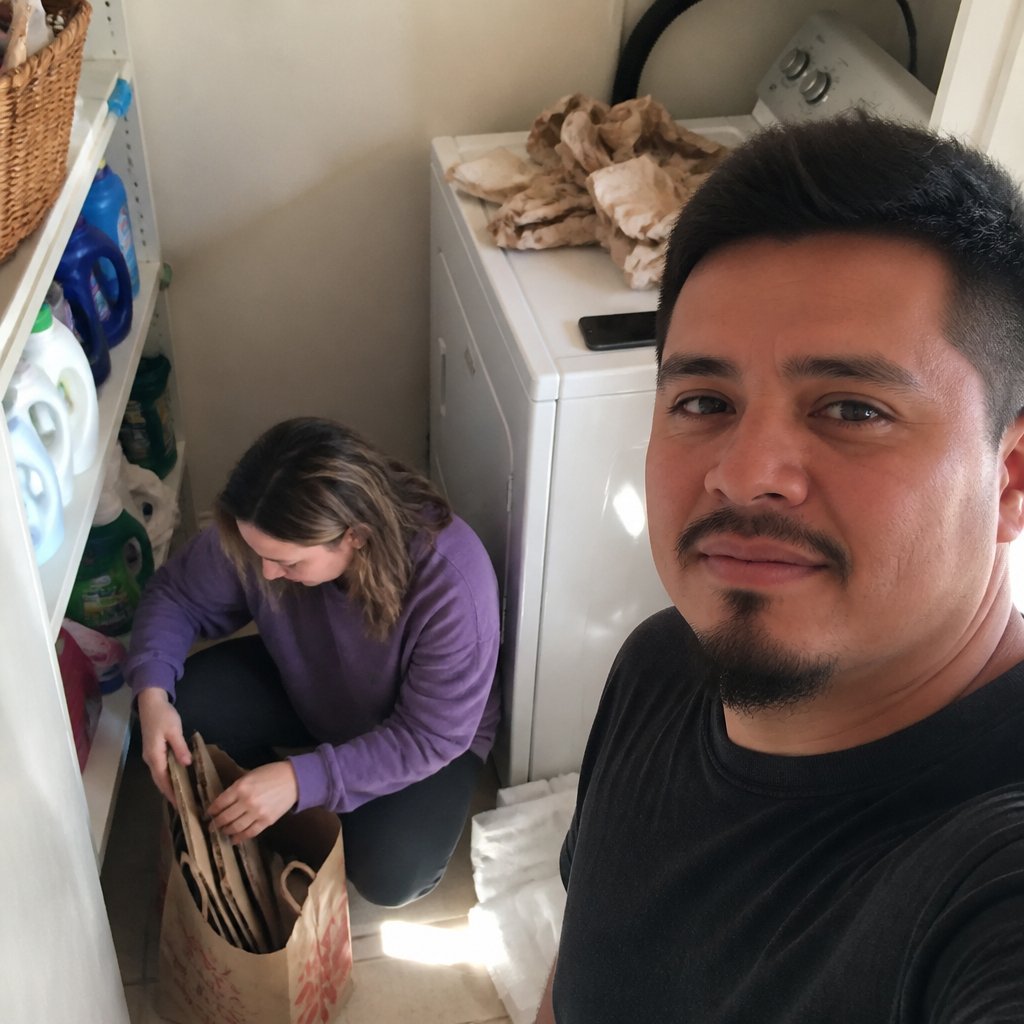
I started keeping the boxes. Not all of them—Evan would’ve noticed a tower—but enough to make my point to myself. I slid the flattened cardboard behind the cleaning supplies in the laundry room, tucked foam inserts under a shelf, and kept the packing slips folded inside an old grocery bag. The laundry room smelled like detergent and warm lint, and every time I opened the door I felt my heart speed up like I was doing something criminal.
When Evan wasn’t around, I’d pull things out and line them up on the dryer: the empty insert, the paper packet, the tape I’d peeled back. I’d hold my phone face-down on the counter and use the camera without letting the screen show, aiming by instinct and taking quick shots. My hands shook enough that I had to brace my elbow against the washer.
I told myself I was just being careful. That any normal person would document sealed packages arriving empty. But the truth was, I wasn’t building a complaint. I was building a case.
Against my own husband.
The thought made my throat feel tight and dry. I could hear Evan in the other room, rummaging in the hall closet, whistling softly like everything was fine. I slid the foam back into the grocery bag and shoved it behind the detergent again.
Then I froze because the whistling stopped, and his footsteps shifted toward the laundry room door.
Now Deliveries Needed A Code
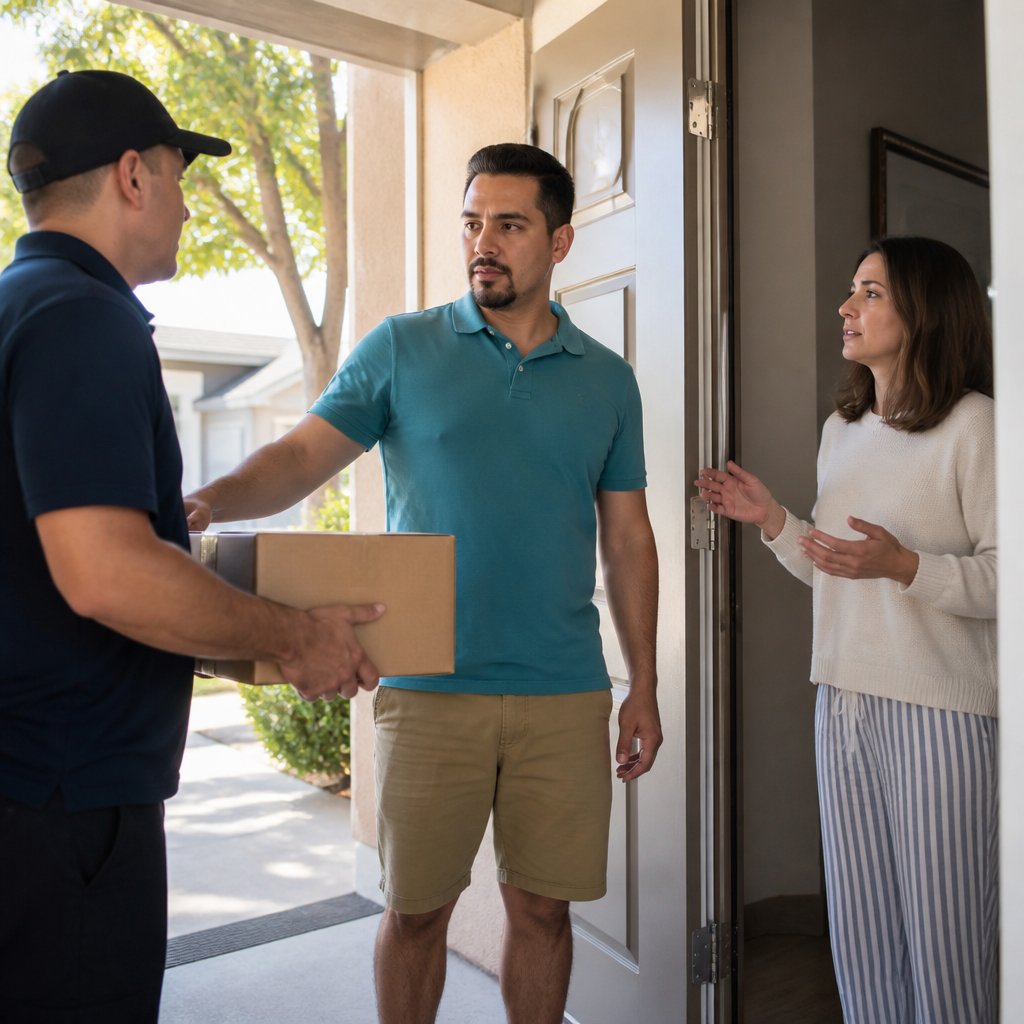
Evan changed something with the deliveries without telling me. I found out when a driver knocked while Evan was home and I was closest to the door. I opened it with a polite smile already on my face, ready to just take the box and move on with my day.
The driver didn’t hand anything over. He looked past me into the house and asked for a code. No package moved toward my hands, just a pause that made me feel like I’d shown up to a party I wasn’t on the list for.
“A code?” I repeated, dumbly.
Evan appeared behind me, too fast, like he’d been waiting in the hallway. “I got it,” he said, and stepped in front of me with that same helpful smile that never reached his eyes. He held his phone down at his side, screen turned away, and spoke to the driver in a calm, confident voice like this was normal adult business.
I stood there in my socks on the welcome mat, smelling the damp air from outside and the faint lemon cleaner from our entryway table. Evan said a few numbers I couldn’t hear clearly, and the driver finally handed over the box to him, not me.
When the door shut, Evan tucked the box under his arm like a football. “It’s just more secure,” he said, breezy. “People steal.”
“From our porch?” I asked.
He didn’t answer. He just walked away with it, and I followed him down the hall, realizing he’d locked me out of the only trail I’d been able to touch.
The Potluck Comment That Stuck

At the school potluck, I tried to act normal. I set my casserole on the folding table and smiled through small talk, the kind where everyone asks about summer plans and complains about the heat. The cafeteria smelled like tomato sauce, paper plates, and the sharp sweetness of fruit punch.
I was scooping pasta salad onto my plate when I heard Kendra—one of the moms from my daughter’s class—talking to a little group near the desserts. She had blonde hair in a messy bun, a round face, and a laugh that always sounded like she was surprised by her own joke.
“I finally bought that attachment,” she said, waving her fork like a pointer. “The one for the mixer. Got it for a steal.”
I turned without meaning to. “What attachment?” I asked, too fast.
Kendra blinked at me, then shrugged. “The pasta roller thing. Like new. It even had this tiny scratch on the side, like somebody bumped it against a drawer.” She chuckled and took a bite of brownie.
My mouth went dry. Evan had claimed our pasta roller attachment was defective last month. I remembered the scratch, too—right along the edge, from when he’d jammed it back into the cabinet and I’d told him to be careful.
“Where did you buy it?” I asked, trying to keep my voice light.
Kendra tilted her head, thinking, and I watched her lips form the start of an answer while the room noise pressed in around us.
The Scratch I Couldn’t Forget
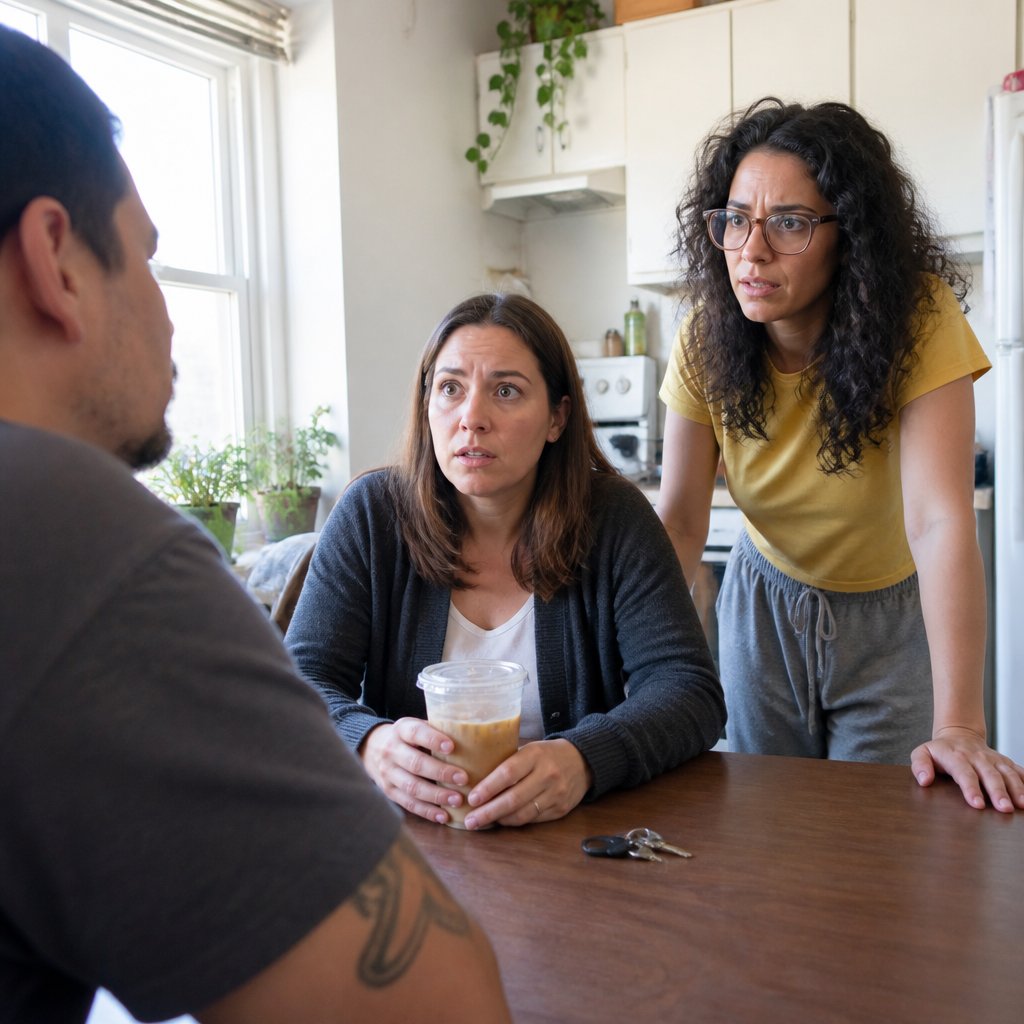
I waited until I was alone to look. Not at home—not with Evan walking around like he owned the air I breathed—but in my sister Lena’s apartment while she made iced coffee in her tiny kitchen. Lena was my older sister, mid-30s, with thick curly black hair and big square glasses, the kind of person who could read my face before I said a word.
“Tell me,” she said, sliding a cup across the counter.
I kept my voice low anyway. “I think Evan is selling our stuff. Or… something. The replacements keep coming empty.”
Lena didn’t argue. She just pulled her laptop closer and logged into an account she used for bargain shopping. I sat at her table, fingers wrapped around the cold cup, staring at the condensation that ran in little trails.
We searched using the name Kendra had mentioned. I didn’t want to see anything. I wanted the search to come up blank so I could go home and tell myself I was paranoid.
But the listings were there. Photos of household items laid out on a scratched wooden floor, staged like someone was trying to look casual. A mixer attachment that looked exactly like ours. Same shape, same dull shine, and there—on the edge—was the scratch I’d rubbed with my thumbnail a hundred times while putting it away.
My stomach turned. “That’s ours,” I whispered.
Lena’s eyes flicked to me, sharp and worried. “How sure are you?”
I stared at the picture, my throat closing, and I couldn’t make myself answer.
The Devices That Weren’t Ours
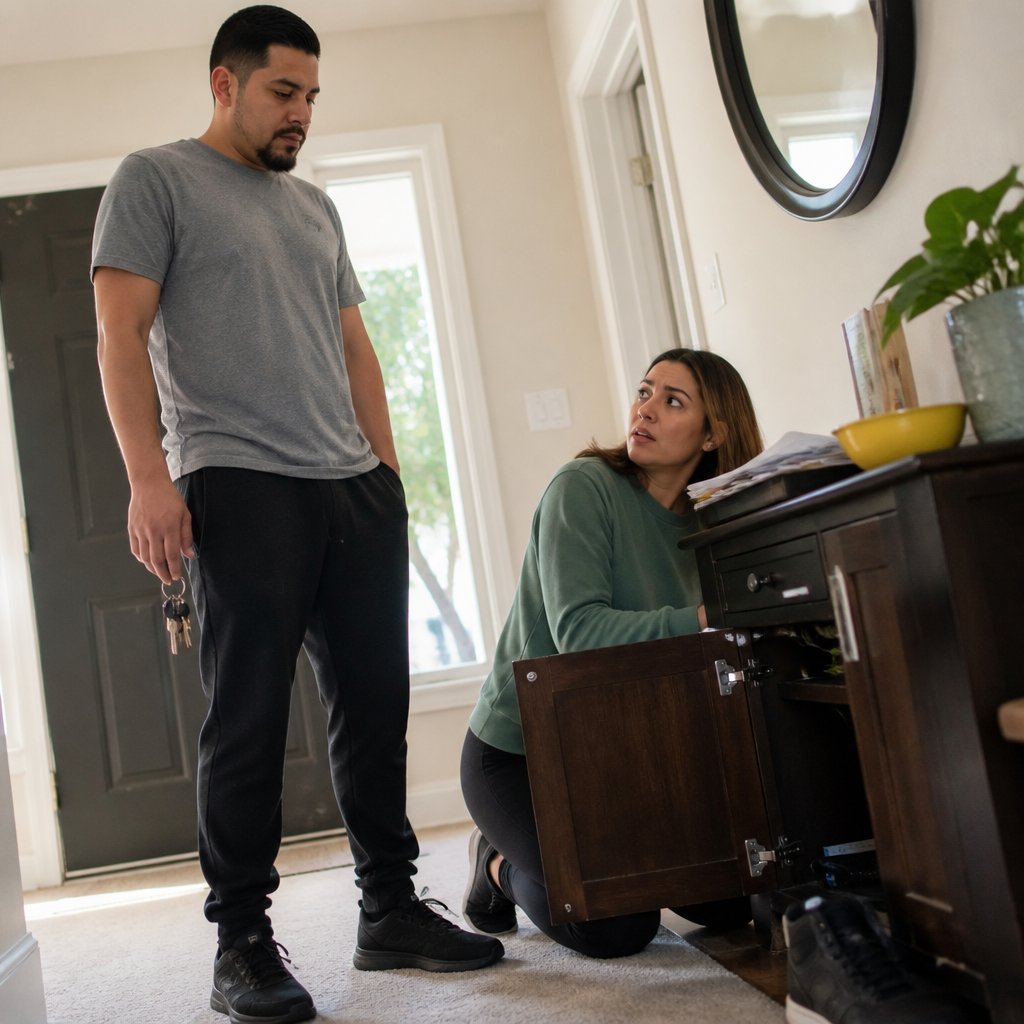
I couldn’t answer Lena, not with that listing photo burned into my head. I set my phone face-down on the counter and went to the router instead, the one under the little entry table where we dumped keys and junk mail. I knelt on the tile and pulled the cabinet door open. The air down there smelled like dust and lemon cleaner.
The Wi‑Fi list took a second to load. Two names jumped out at me right away—something that looked like a new phone, and a small printer. Not our printer in the office. A different one.
I sat back on my heels and listened. The dishwasher hummed. Somewhere upstairs a floorboard creaked, the kind of sound that usually meant Evan was moving around in the bedroom closet.
When he came down, he was in socks, hair still damp at the temples like he’d just rinsed his face. I asked him, as evenly as I could, if he’d added anything new to the Wi‑Fi.
He didn’t even look surprised. He just said, “Yeah, for work,” and reached past me for his keys like the conversation was already over.
“A phone and a printer?” I asked, and my voice came out tighter than I meant.
He paused with the key ring in his hand and gave me a look that was almost patient, like I was being silly, and I couldn’t tell if he was annoyed or just practiced at sounding calm while I stood there waiting for him to explain what “for work” meant.
What Was Under The Box
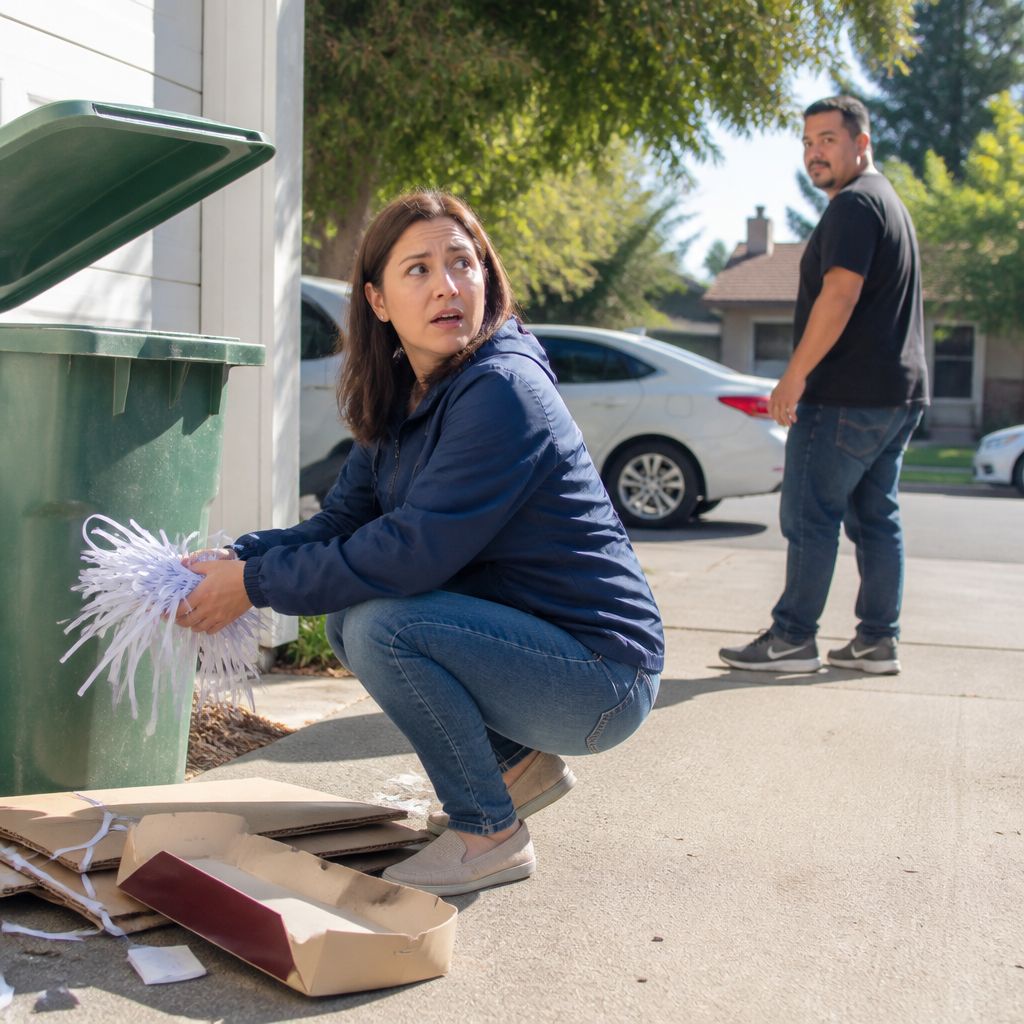
After Evan left, I went out to the bin like I was just doing chores. The morning had warmed up enough that the plastic lid felt soft under my hand. I flipped it open and stared at what we’d tossed from the last few days—cardboard, paper bags, a couple of empty seltzer boxes.
I climbed one foot onto the edge and leaned in, shifting things around. That’s when I saw it: a flattened casserole box from the grocery store, the kind with the picture of baked ziti on the front. It didn’t belong with the rest of the recycling because it was still stiff, like it had been placed there on purpose.
I lifted it and my stomach went tight. Under it were return labels—unused, still clean—and a handful of shredded paperwork. Not the kind that happens when something tears in the trash. This was deliberate, thin strips like someone fed it through a shredder. I pinched a few pieces between my fingers. The paper felt warm from the sun and rough at the torn edges.
I carried the casserole box to the driveway and laid it open like a lid. The little strips fell into a messy pile, and I tried to line them up, but there were too many.
It wasn’t just that the replacements were empty. Someone was making sure the trail didn’t look like a trail at all.
I heard a car slow on the street and froze with the shredded pieces in my hand, suddenly sure I wasn’t alone.
His Mom Thought It Was Me
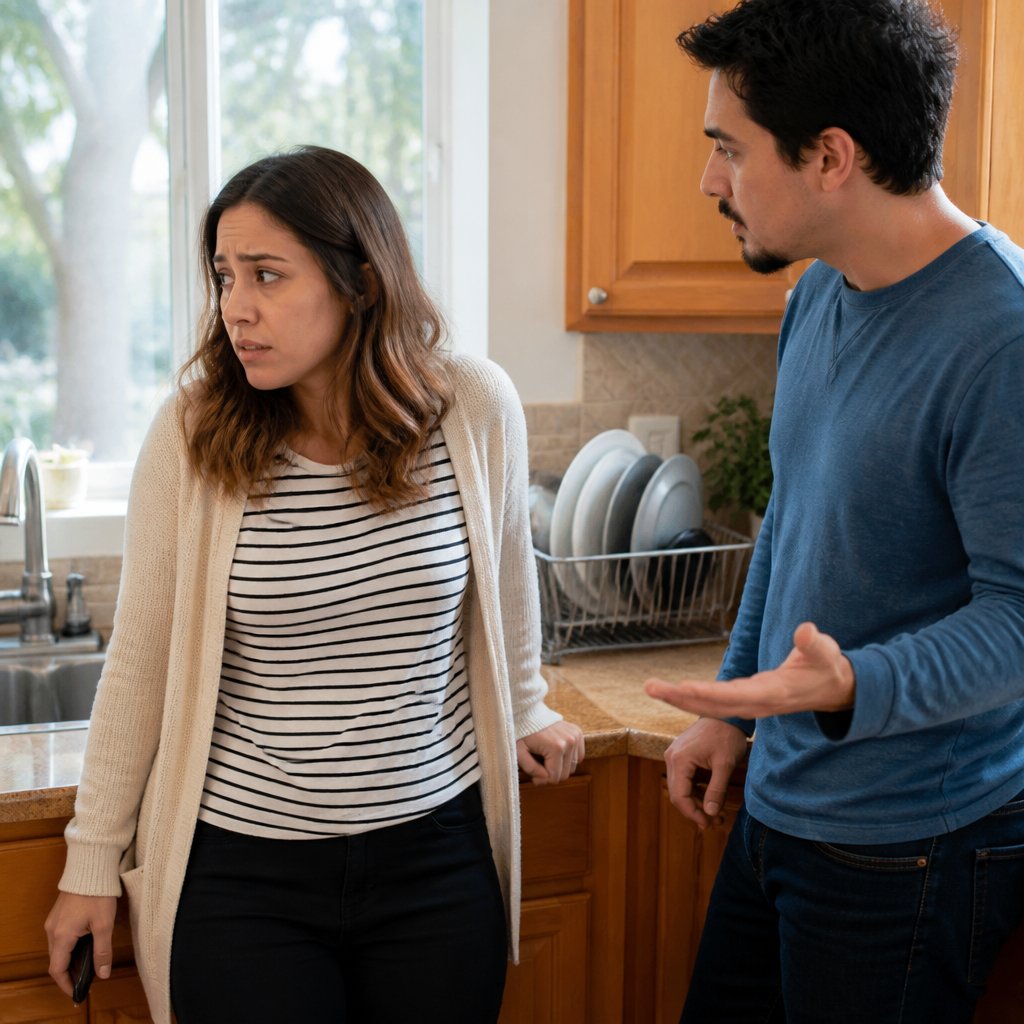
I didn’t bring the shredded pieces inside. I left them in a grocery bag in the garage, tucked behind the paint cans where Evan never looked. My hands still smelled faintly like warm cardboard and dust when I came back into the kitchen.
I was rinsing a coffee mug when my phone buzzed on the counter. I didn’t flip it over right away. I just stared at it, like it might bite. Then I picked it up and saw it was his mom.
Donna wasn’t a bad person. She was the kind of woman who dropped off chicken soup when you had a cold and asked too many questions about your job in the same breath. She also believed Evan when he said something with that confident tone of his.
I opened the message and my throat went dry. She said Evan told her I was the one who wanted all these replacements, that I’d been “on a kick” about warranties and getting our money’s worth. She added a little line about how she understood wanting to be careful with money, but that it sounded like a lot of stress.
I leaned my hip against the counter and looked at the dish rack, at the plates drying in a neat row, like the kitchen was proof of how normal my life was supposed to be.
He wasn’t just doing this. He was setting it up so if anyone asked, the answer was me.
I started to type back, then stopped with my thumb hovering, because I could already hear Evan’s voice later—light, amused—asking why I was dragging his mom into it.
The Mark That Came Back
I waited until Evan was in the shower that night. The bathroom fan was on, and the sound covered the small things—drawer slides, cabinet doors, the soft click of me opening the hall closet.
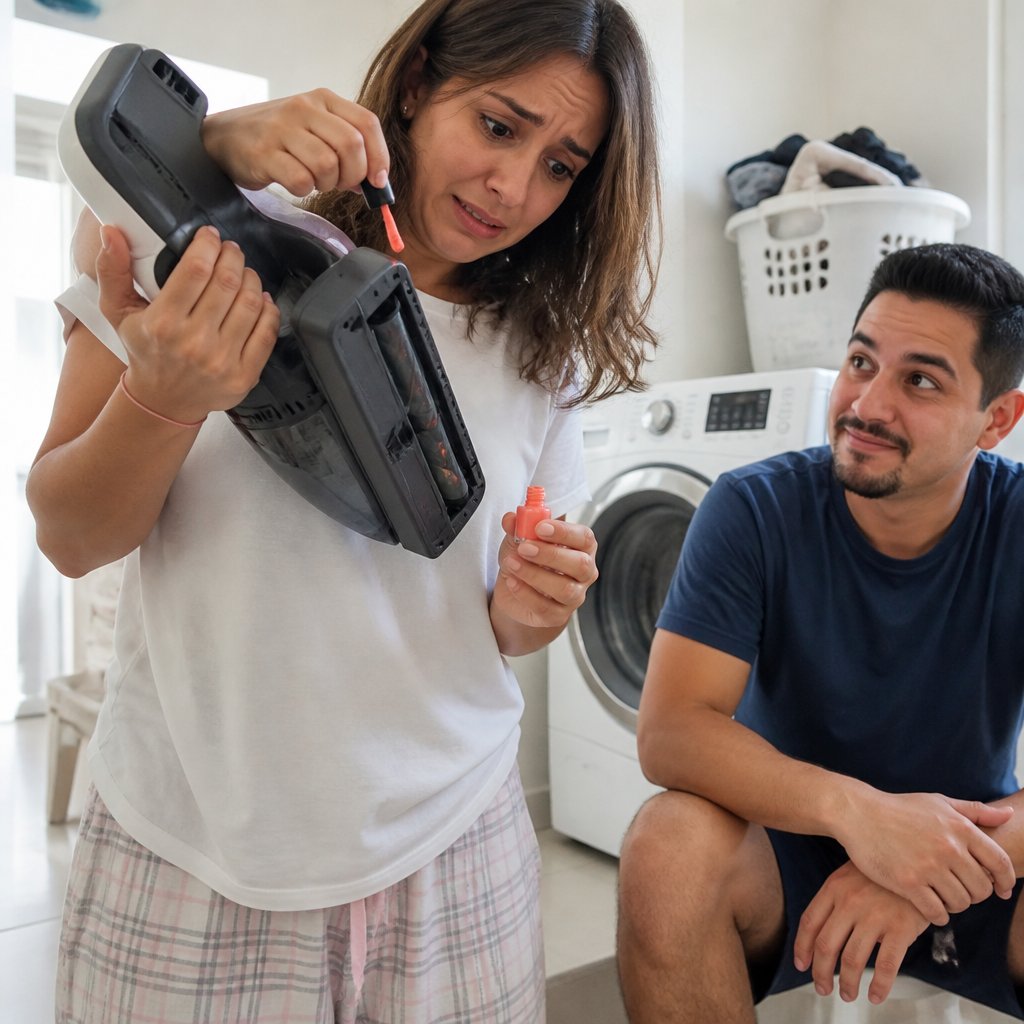
I picked something I knew he’d file a claim on eventually: the handheld vacuum we kept by the stairs. It had been “acting up,” according to him, even though it still sucked up crumbs fine. I carried it into the laundry room and set it on top of the dryer.
I took my nail polish from the little basket where I kept spare hair ties and bandaids. Bright coral, the color I wore to a wedding last summer. I unscrewed the cap and painted a tiny dot on the underside of the vacuum handle, a place you wouldn’t notice unless you were looking for it. The polish smell hit sharp and sweet, and I waved my hand to dry it faster.
Two days later, the vacuum was gone. Not moved. Gone. The spot by the stairs was empty except for a faint outline of dust where it had sat.
I didn’t ask. I just opened the reseller app and searched like my life depended on it. There it was: a listing photo of our exact model, angled on someone’s kitchen table.
My stomach dropped so hard it felt like missing a step. On the underside of the handle, just barely visible near the edge of the photo, was my coral dot.
I stared at it until my eyes watered, and then I heard Evan’s car door outside and had to decide what to do with my face before he walked in.
Claims Filed Under My Name
I went to the post office on my lunch break, hands sweating on the steering wheel the whole way. I told myself I was just checking something simple, like an address mistake. But I already knew it wasn’t going to be simple.
The clerk couldn’t give me much, not without forms and IDs and the right kind of request, but she did confirm enough to make my stomach twist: there was a PO box tied to my name on a couple of warranty shipments. Not our home address. A box number I didn’t recognize.
Back in my car, I called the warranty company from the parking lot. I kept my voice steady, like I was a normal customer sorting out a normal problem. The rep asked for my information, and when she read back the phone number on the account, it wasn’t mine. Not even close.
“So someone filed these under me,” I said, and my mouth felt numb saying it out loud.
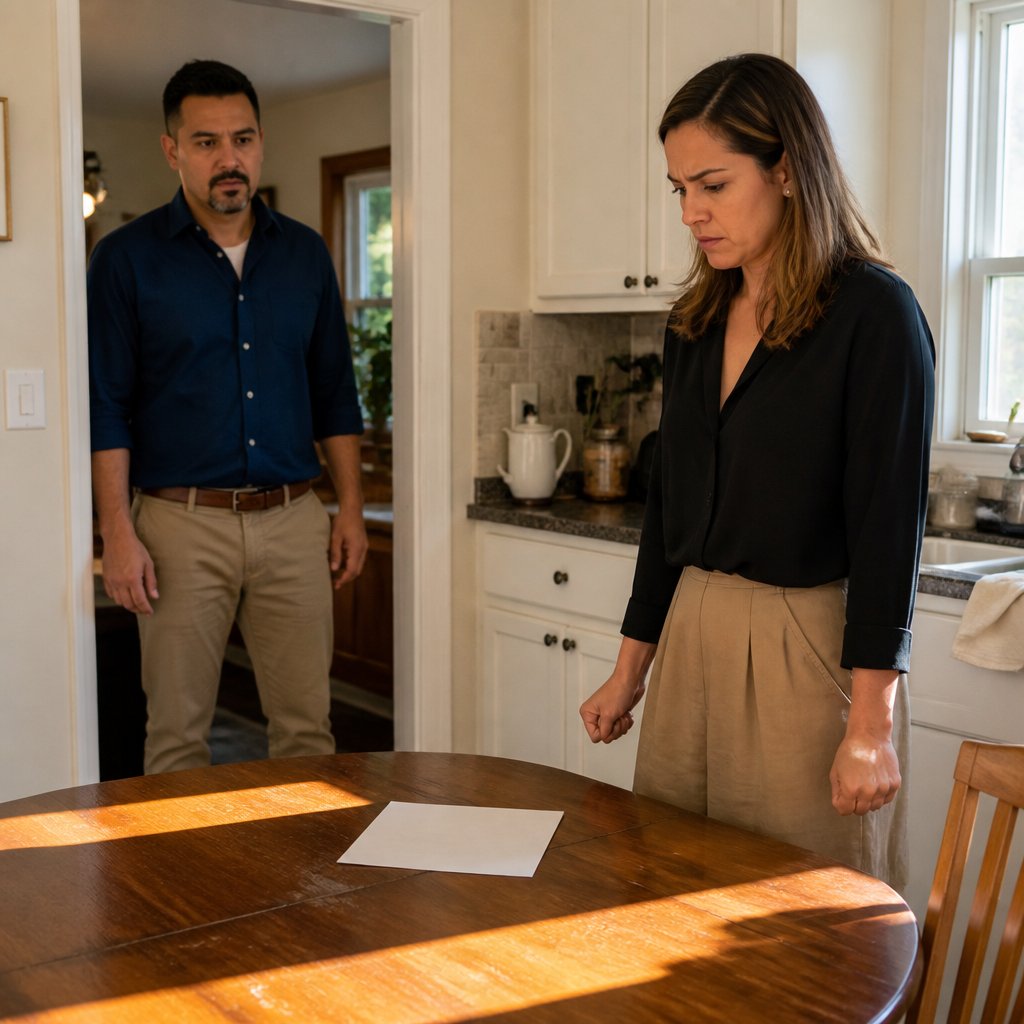
When I got home, there was an email receipt printed and sitting on the kitchen table like it was waiting for me. Not mailed. Printed. The paper was warm at the edges, like it had just come off a machine. I didn’t touch it at first. I just stood there, staring at the corners curling slightly.
Behind me, the front door latch clicked again. Evan’s footsteps were too quick, like he’d forgotten something and came back for it.
I turned with the receipt still on the table between us, and he looked right at it before he looked at my face.
The Footage He Called Wrong
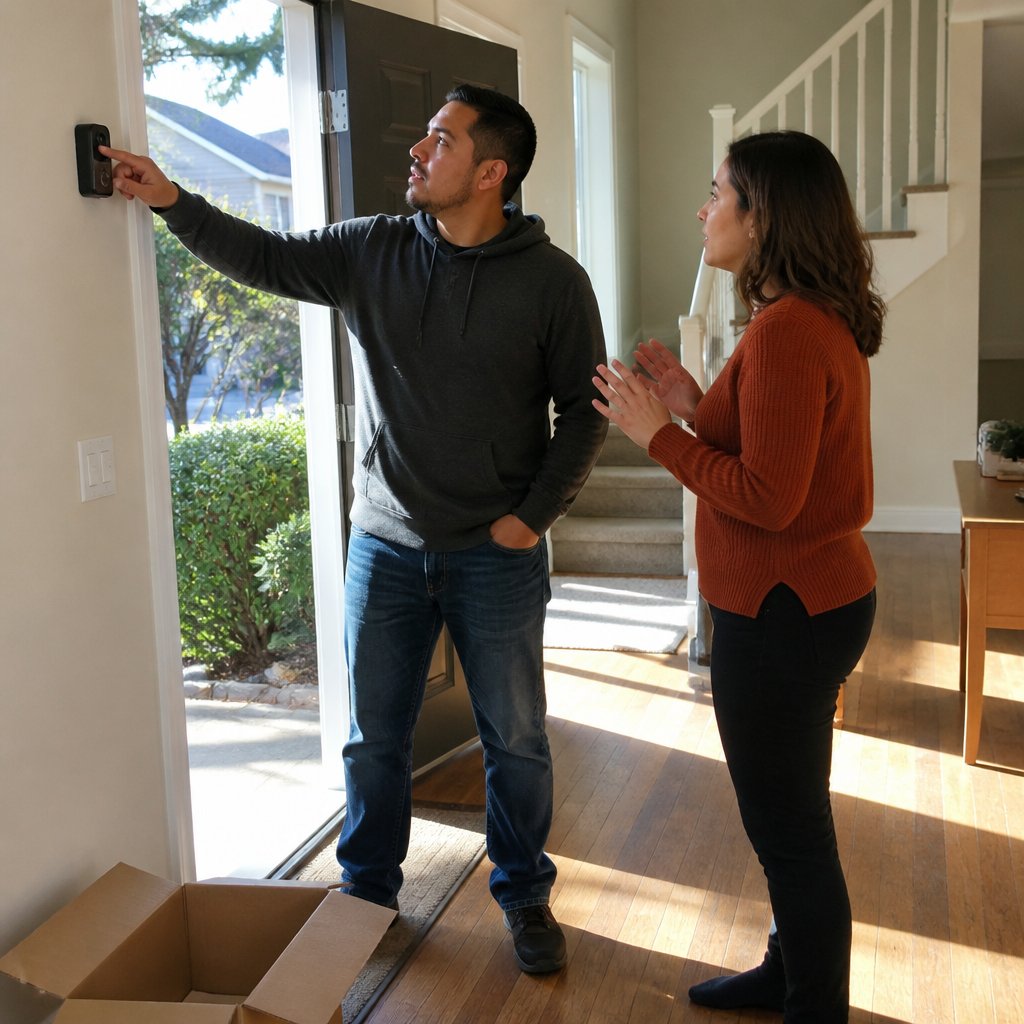
I didn’t tell Evan about the little camera right away. Lena had suggested it weeks ago, back when the empty boxes felt like a weird inconvenience and not a full-time job. I’d bought a small doorbell cam and mounted it myself, hands shaking as I tightened the screws. I told Evan it was for packages, and he barely cared.
When he was out one afternoon, I pulled up the recordings on my own, sitting at the dining room table with the curtains half open. I kept the sound low and my phone face-down between pauses, like that would keep the guilt from spreading.
The clip showed Evan coming up the walkway with two boxes tucked under his arm. He looked normal. Relaxed. He set them inside the door, then came back out with a box cutter. He sliced the tape with quick, practiced movements, like he’d done it a hundred times. He lifted the flaps, leaned in, and his shoulders did this small drop, like he was checking something.
Then he carried the cartons back out—light, easy—and walked them straight to the bin.
I watched it three times before I could breathe right. When he got home, I couldn’t keep my voice steady. I told him there was footage, that I’d seen him.
He didn’t panic. He didn’t even look ashamed. He just frowned at me like I’d accused him of something impossible and said, “That’s wrong. The camera’s wrong.”
He reached for the doorbell unit with his hand already up, like he was about to take it off the wall, and I had to decide if I was going to stop him.
The Letter That Named Fraud
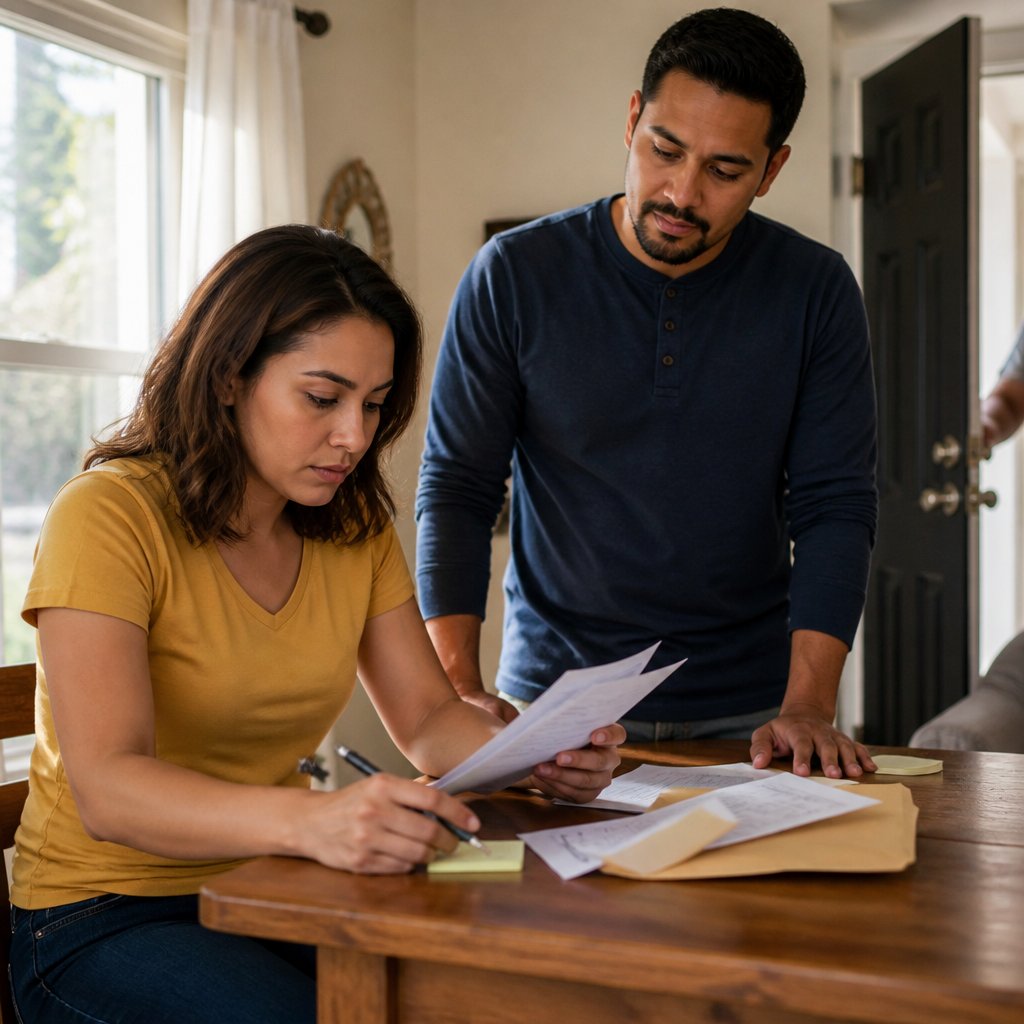
The certified letter came on a Tuesday, wedged in our mailbox like it didn’t belong with grocery flyers and coupons. I carried it inside with the rest of the mail and set it on the counter without opening it right away. The envelope felt thicker than normal, stiff and official in my hand.
When I finally tore it open, the words hit me like a slap. Fraud. Investigation. Deadline. I sat down at the kitchen table because my knees went loose, and the chair scraped loud against the tile.
I didn’t know how to prove what I knew without making it worse. I was scared of calling the number on the letter. I was scared of not calling. Either way, my name was right there in the middle of it, like I’d signed up for this.
I opened our banking app and scrolled through deposits, the little steady ones that didn’t match my paycheck or Evan’s. I’d noticed them before and assumed it was refunds, cash-back rewards, something boring. Now I clicked into one and saw it was coming from a resale platform.
The account it went into wasn’t one I recognized. Not our joint. Not my savings. Not Evan’s checking. A routing number I’d never seen, like money had been slipping out of our life into a place I couldn’t even name.
I wrote the amounts down on a sticky note with a pen that kept skipping, ink blotting at the corners. My hands wouldn’t stop shaking.
In the hallway, I heard Evan’s key in the lock, and I realized the letter was still open on the table where he could see it the second he walked in.
The Locker That Changed Everything
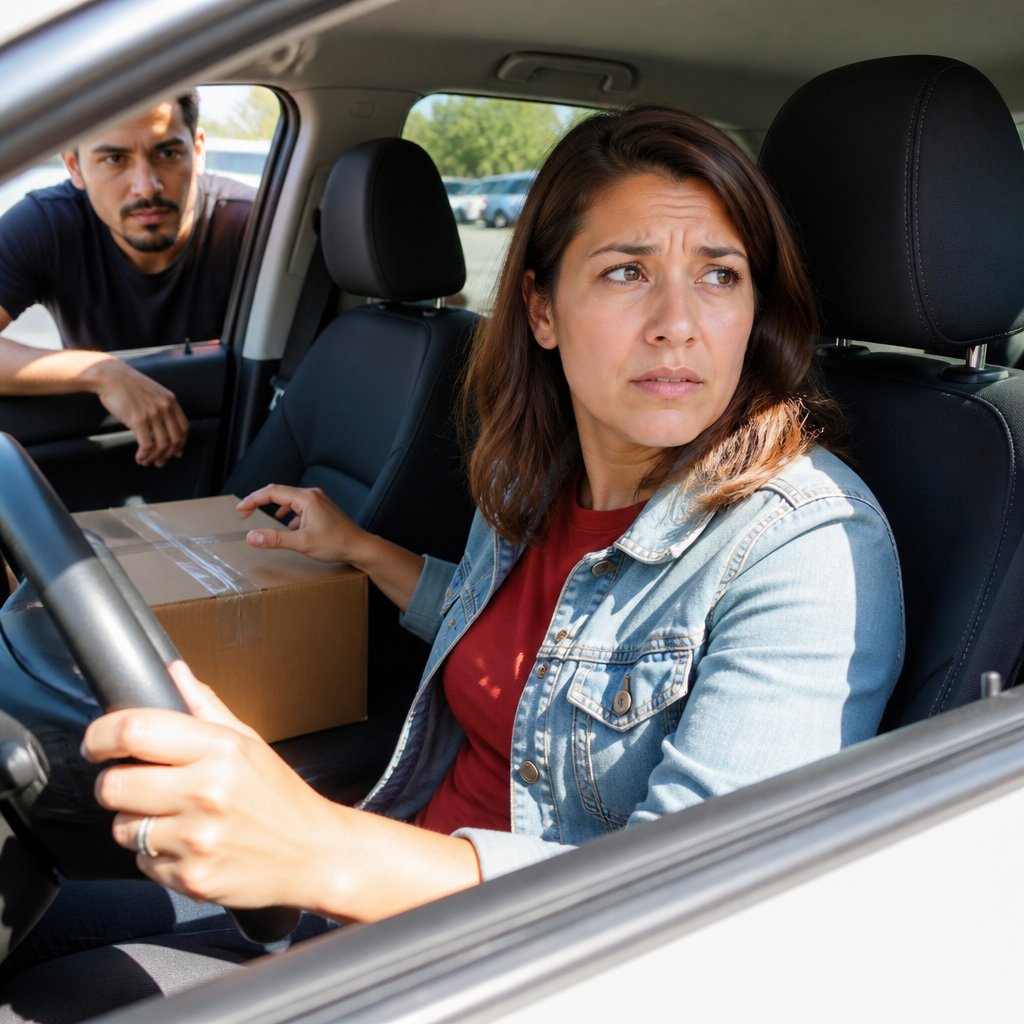
I did it the way I did everything now: quietly, in pieces, without making any sudden moves Evan could feel. I picked an item cheap enough that I could justify it as a normal purchase, something small that had a warranty process I already understood. I paid, I waited, and when it came time to enter shipping details, I redirected the replacement to a locker across town instead of our house.
The day it was ready, I told Evan I was running errands and drove there alone. My palms were damp on the steering wheel. I kept checking the rearview mirror like I expected his car to appear behind me, like he’d somehow know.
The locker bank was inside a grocery store vestibule, right near the carts and the big stack of weekly circulars. It smelled like oranges and floor cleaner. I walked up with my shoulders tight and opened the door.
The box inside was the right size, the right weight. Not empty. Not a hollow trick. I lifted it out and felt the solid pull of something real inside shifting against packing paper.
I stood there a second too long, staring at it in my hands like it was proof I could finally hold. The “empty replacement” story wasn’t the whole story. It was a cover. Which meant the actual replacements were going somewhere else when Evan wanted them to.
I carried the box to my car and set it on the passenger seat. The cardboard was cool and clean under my fingers. I didn’t open it yet. I just sat there, thinking about what a controlled buy would look like, who I could trust, and how to do it without Evan catching even a hint.
Then I saw a familiar car turn into the lot at the far end, and my breath caught before I could tell myself it was nothing.
Was Evan justified in beating warranties for 10 years?