




The Question On Paper
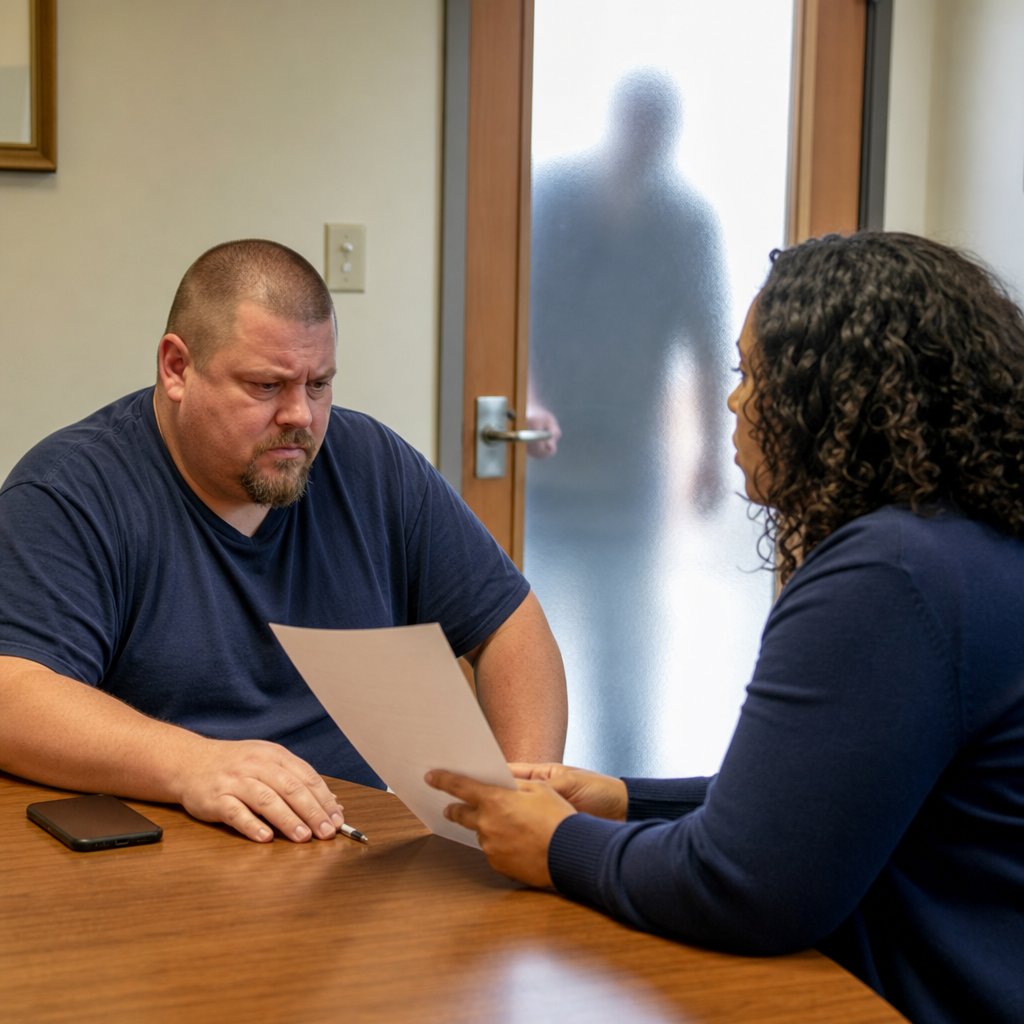
“Mara, did Dylan ever ask you to share your password?”
The HR rep slid the paper across the table like it was a courtesy, like it wasn’t a blade. My mouth went dry so fast my tongue stuck to my teeth. The page smelled like hot toner and bitter coffee, and my name looked wrong in their font—too official, too exposed.
I stared at the checkbox options—YES, NO, UNSURE—like I could pick one and it would rewind the last six months. My hands were damp against the cheap laminate tabletop, and I kept my fingers curled so the ring mark on my left hand wouldn’t show. Not a ring. Just the pale indentation from where I’d fidgeted a band I didn’t own, a nervous habit I’d picked up after Dylan started calling me “his.” Quietly. In elevators. In the dark of the parking garage.
HR didn’t ask about romance. They never do. They asked about access. About “irregularities.” About “forwarding.” About how my inbox had become a crime scene.
“No one else uses your credentials?” the rep said, voice neutral, eyes too kind. “You’re sure?”
I thought about Dylan’s laugh the one night I couldn’t get into my account and he said, offhand, “Want me to fix it?” Like it was nothing. Like it was intimate.
I reached for the pen, and the HR rep’s gaze flicked to my phone sitting face-down beside my elbow—like they already knew what was on it, like someone had already told them.
Then the door handle outside turned, and through the frosted glass I heard Dylan’s voice say my name.
Celebration Behind Closed Glass
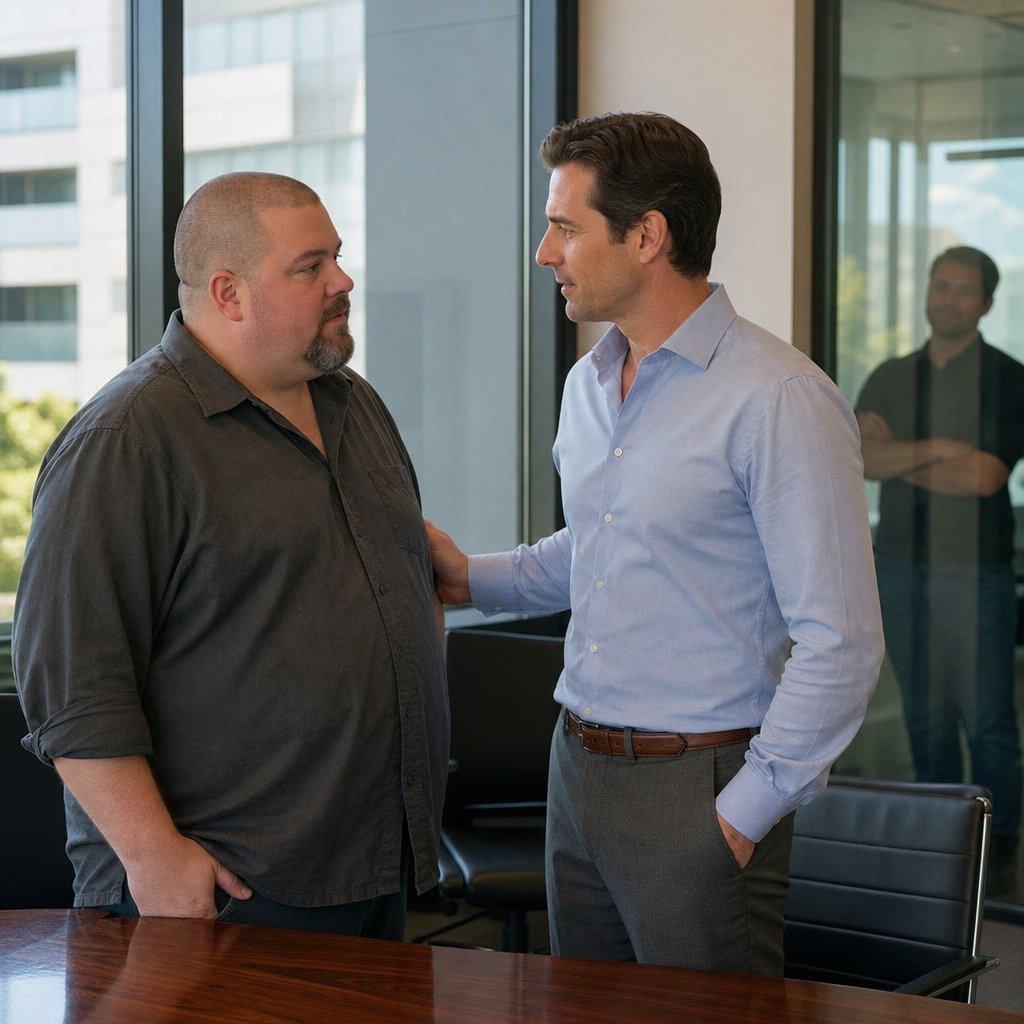
The shortlist email hit like a dopamine shot I didn’t trust. My chest actually lifted—until I saw Dylan already standing at my cubicle, too close, his smile too controlled for someone who was supposedly thrilled for me.
He didn’t say congratulations out loud. He just hooked two fingers around my badge lanyard and tugged—gentle, proprietary—and steered me toward the nearest empty conference room like we were sneaking contraband.
Inside, he clicked the door shut with the careful precision of someone who’d done it before. The room smelled like dry-erase marker and lemon cleaner. The long table reflected our faces in a warped way, like even the furniture was gossiping.
“You’re on it,” he whispered, eyes bright, and his hand landed on my forearm with that familiar pressure that made my brain go soft. “I knew you would be.”
I laughed too quietly, because he was right—we were already guilty of something. Not on paper. Not in policy language. But in the way he’d trained me to celebrate in corners, to keep my happiness small enough to hide.
“We should do something,” I said, then immediately hated how hungry I sounded. Hungry for recognition. Hungry for him. Hungry for the future I’d been promised.
Dylan’s thumb brushed the inside of my wrist, counting my pulse like a metronome. “Not here,” he said. “Not now. People watch.”
He leaned in like he was about to kiss me—then stopped, eyes flicking past my shoulder to the glass wall, where a shadow moved in the hallway as if someone had paused to listen.
The Invite That Vanished
The stakeholder meeting was the kind of invite you framed in your head before you ever got it—proof you were in the room where decisions happened. So when the calendar reminder popped up for everyone else and my inbox stayed silent, my stomach did this slow, humiliating drop.
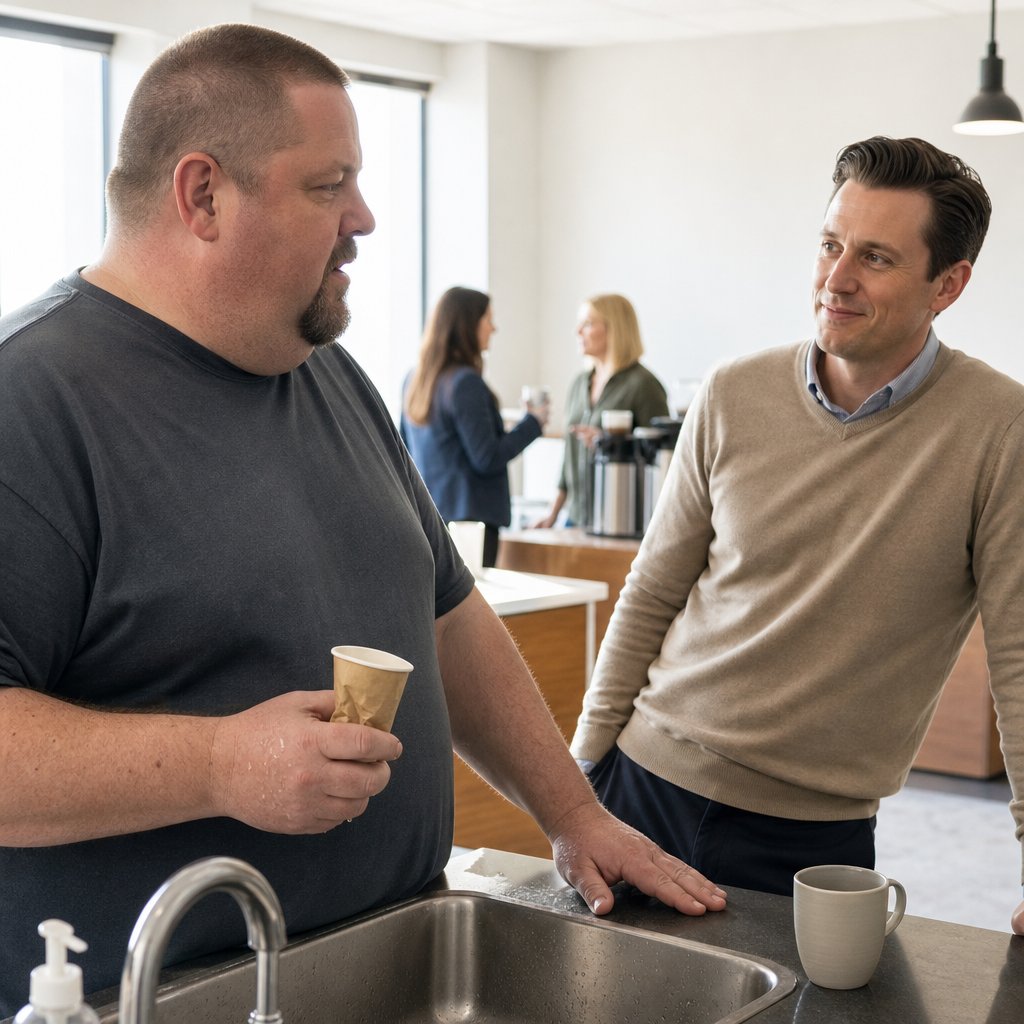
I tried to play it cool. I walked to the kitchen for water I didn’t need, the paper cup softening under my grip. People were chatting about agenda items like it was casual, like my absence was already baked into the plan.
Dylan found me by the sink. Of course he did. He had that radar—my stress, my embarrassment—like it was a frequency only he could hear.
“You’re not on the invite?” I asked, keeping my voice low.
He made a face that was almost sympathetic, but not quite. “Admin mistake,” he said, shrugging with the ease of someone tossing crumbs to a pigeon. “It happens.”
Practiced. That’s what hit me. Not the words—the rhythm. He didn’t even ask to see my calendar. He didn’t blink like it was new information. He reacted like he’d already rehearsed the line in his car mirror.
“Can you forward it?” I asked.
He didn’t move. He just watched me, eyes steady, like he was measuring what I would tolerate. “I can talk to them,” he said. “You don’t need to chase every little thing.”
My cup crumpled. Water sloshed onto my knuckles, cold and sharp. “It’s not little,” I said.
He smiled, softening his tone into something almost tender. “Hey. Trust me.”
And then his gaze flicked down, to my badge, to the lanyard he always touched—like a leash—and I realized he hadn’t once asked who else was invited.
His Fingerprints On My Work
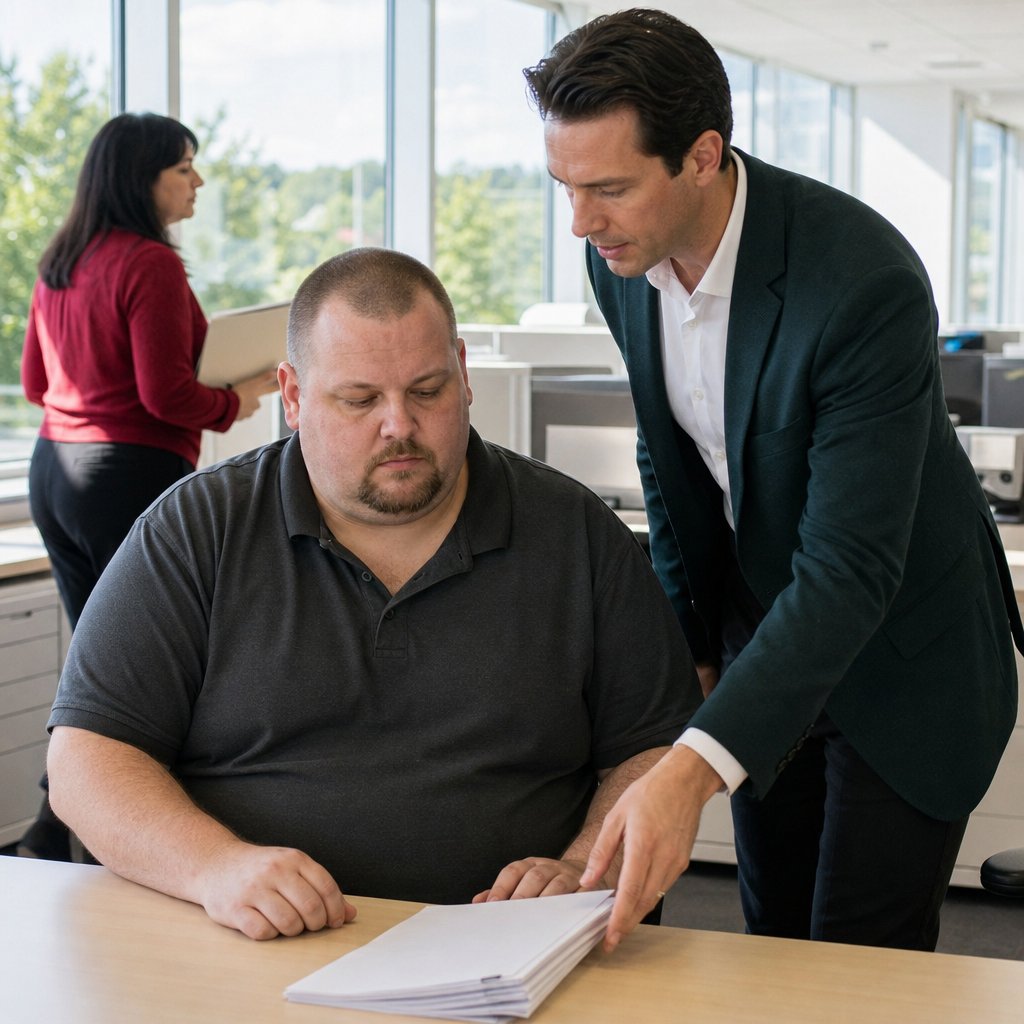
My boss stopped by my desk with that too-bright tone managers use when they’re about to quietly cut your knees out.
“Hey,” she said, tapping a folder against her palm. “I didn’t see your feedback on the deck. We needed you in that loop.”
I blinked. “What deck?”
Her smile tightened. The air around us felt suddenly thin, like the office had lost oxygen. “The Q3 narrative deck. It went around yesterday.”
I hadn’t received it. I knew I hadn’t. But saying that out loud sounded like an excuse, and excuses are the currency they use against you later.
Dylan appeared at my shoulder like he’d been summoned by the word “deck.” “Oh,” he said, all helpful competence. “That must’ve bounced. I’ll resend.”
He didn’t ask who sent it. He didn’t ask why I wasn’t on the thread. He just slid into the solution like he’d built it.
Two minutes later, he walked back with a printed packet—already stapled—like a magician producing a rabbit. “Here,” he said, loud enough for my boss to hear. “I sent it from my account so it wouldn’t get stuck.”
From his account.
My boss nodded, satisfied, and walked away. Problem solved. Except now, in the invisible record of who helped whom, Dylan had just attached his name to my work like a sponsor. Or an owner.
I stared at the stapled corner, the metal catching the overhead light in a tiny, cruel glint. “Why from your account?” I asked, keeping my voice flat.
Dylan’s eyes held mine. “Because you needed it,” he said. “Don’t make this weird.”
Then he reached over and, with a familiarity that made my skin prickle, he straightened the packet on my desk—aligning it perfectly—like he was arranging me.
The Work Spouse Joke

It happened in the hallway outside the big conference room, right where sound carries and reputations die.
Someone—Brent from Finance, loud enough to be funny—looked at Dylan and said, “Where’s your work spouse? You two always roll in together.”
The words hit me like a slap because they weren’t even aimed at me. They were aimed at Dylan. Like everyone had already agreed I belonged to him.
I waited for Dylan to laugh it off, to correct it, to do the decent thing and draw a line. He didn’t. He let the joke hang there, warm and sticky, like syrup on a countertop.
He just smirked. “Busy,” he said, casual, and that was it. No denial. No discomfort. Not even the fake HR-safe “we’re just colleagues.”
I could feel my ears burning. My badge lanyard suddenly felt too tight around my neck, the plastic edge digging into my skin.
Brent chuckled and walked off, satisfied. Two other people who’d been passing slowed just a fraction—eyes flicking from Dylan to me and back—cataloging the dynamic like they were building a file.
Dylan turned to me after, his voice soft. “Relax,” he said. “It’s harmless.”
Harmless. Except the way he said it sounded like a warning: don’t react, don’t correct, don’t draw attention.
I looked at him and realized he wasn’t worried about gossip hurting me. He was enjoying the ownership baked into it, the public little claim he could deny later if he had to.
“Do you want them thinking that?” I asked.
Dylan’s smile didn’t reach his eyes. “Do you want them thinking anything about us?”
And before I could answer, he glanced over my shoulder—toward the row of glass offices—like he’d just spotted someone important watching.
The Thread Sent Wrong
The forwarded email landed in my inbox with the wrong subject line and the right kind of poison.
I knew before I opened it that it wasn’t meant for me. You can feel that—like the air around your monitor turns cold. My fingers hesitated over the mouse, then clicked anyway because curiosity is just self-harm with a nicer name.
It was a promotion committee thread. Names I wasn’t supposed to see. Opinions I wasn’t supposed to survive reading.
And beside my name, in bullet-point neatness, was the word: inconsistency.
Not “needs development.” Not “stretch.” Inconsistency—the kind of vague accusation you can’t disprove because it’s not a fact, it’s a vibe. The kind of label that follows you like a smell.
My throat tightened. I could hear the office around me—printer whir, chair wheels, someone laughing too loudly at a meme—but it felt muffled, like I’d been shoved underwater.
I read the sentence again. The phrasing was weirdly familiar. Not my boss’s voice. Not HR’s sanitized tone. It had Dylan’s cadence—slick, confident, slightly condescending. The same way he’d once told me, “You get emotional about details,” like that was a flaw and not my job.
I scrolled down, heart pounding, looking for who wrote it. The names were there, but the language didn’t match the person I knew behind the name. It was like someone had ghostwritten the narrative and handed it to them to sign.
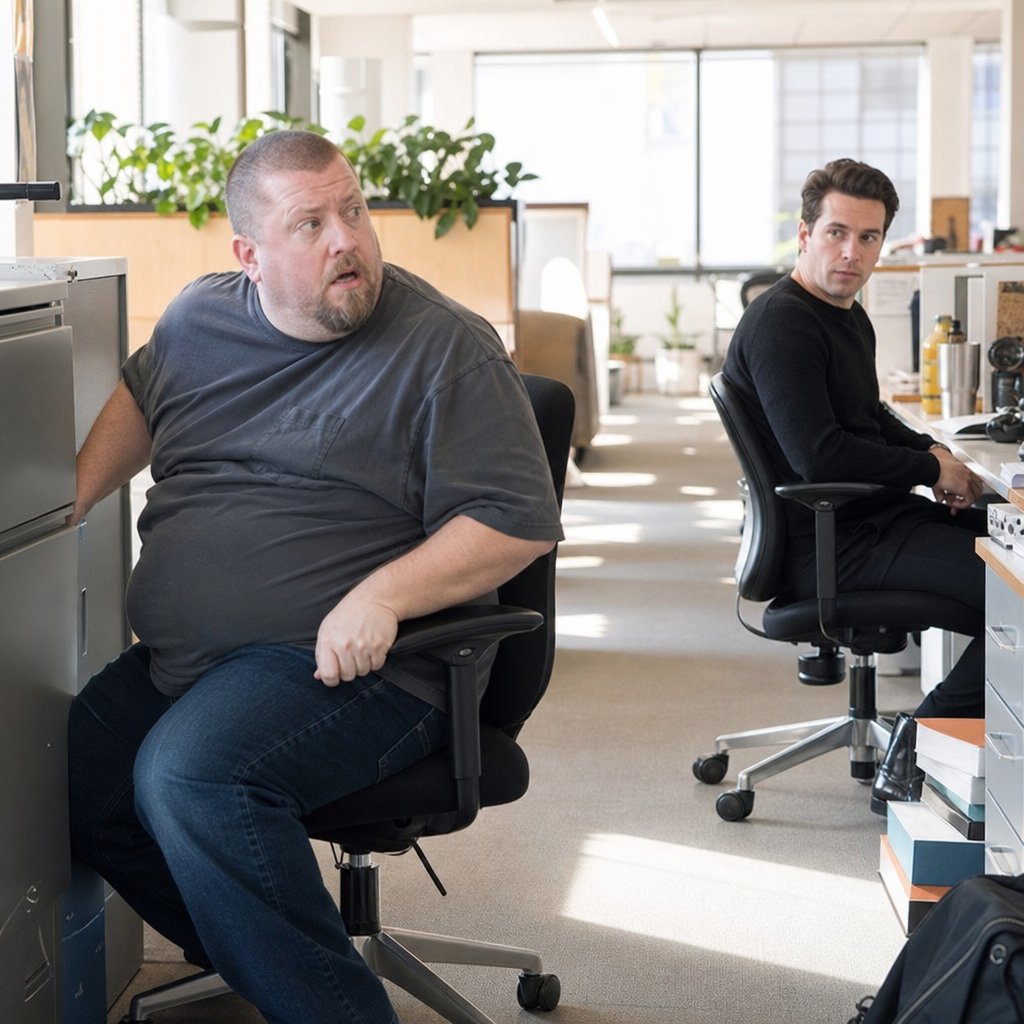
I sat back so hard my chair bumped the filing cabinet behind me. The metal clanged, sharp and public.
Across the aisle, Dylan looked up at the sound—eyes meeting mine instantly—like he’d been waiting for me to read it.
The 2:13 A.M. Edits
The version history was supposed to be my safety net. Dates, timestamps, accountability. A clean little audit trail that proved I wasn’t crazy.
Instead, it proved someone was.
Edits at 2:13 a.m. Comments I didn’t write. Whole sentences softened until they sounded like apologies. My strongest metrics—my proud, sharp numbers—blurred into “promising indicators,” as if my work was a weather forecast instead of results.
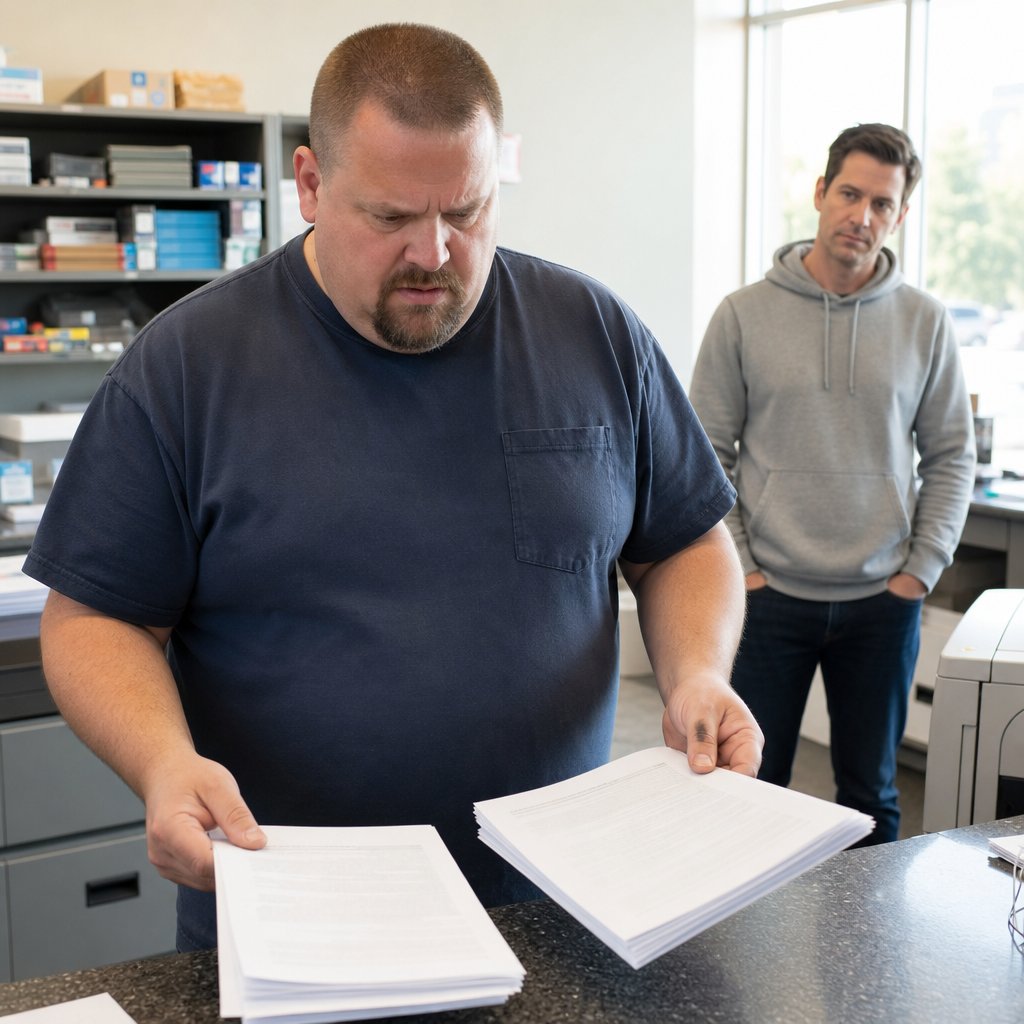
I printed the latest version and carried it to an empty corner of the office like I was sneaking evidence out of a crime scene. The paper was still warm, curling slightly at the edges. I laid it on the high counter by the supply cabinet and compared it to the earlier printout I’d kept in my backpack, the one with my original language.
It wasn’t just edits. It was sabotage with manners.
No clear culprit, either. The system showed “modified,” but the account name was a generic shared label we all used sometimes when we were rushing. Plausible deniability baked right in.
I traced a line with my finger where a bold claim had been replaced with something softer, safer. My fingertip picked up a smear of toner, black on my skin like a fingerprint that wasn’t mine.
Behind me, footsteps approached—slow, unhurried. Someone who wasn’t afraid of being caught.
“You working late?” Dylan’s voice asked, too casual for the hour, too close for comfort.
I didn’t turn around. My pulse thudded in my ears. “Funny,” I said, staring at the doctored page, “I was just about to ask you the same thing.”
His silence stretched long enough to feel like a decision being made.
Invisible, But Somehow Watched
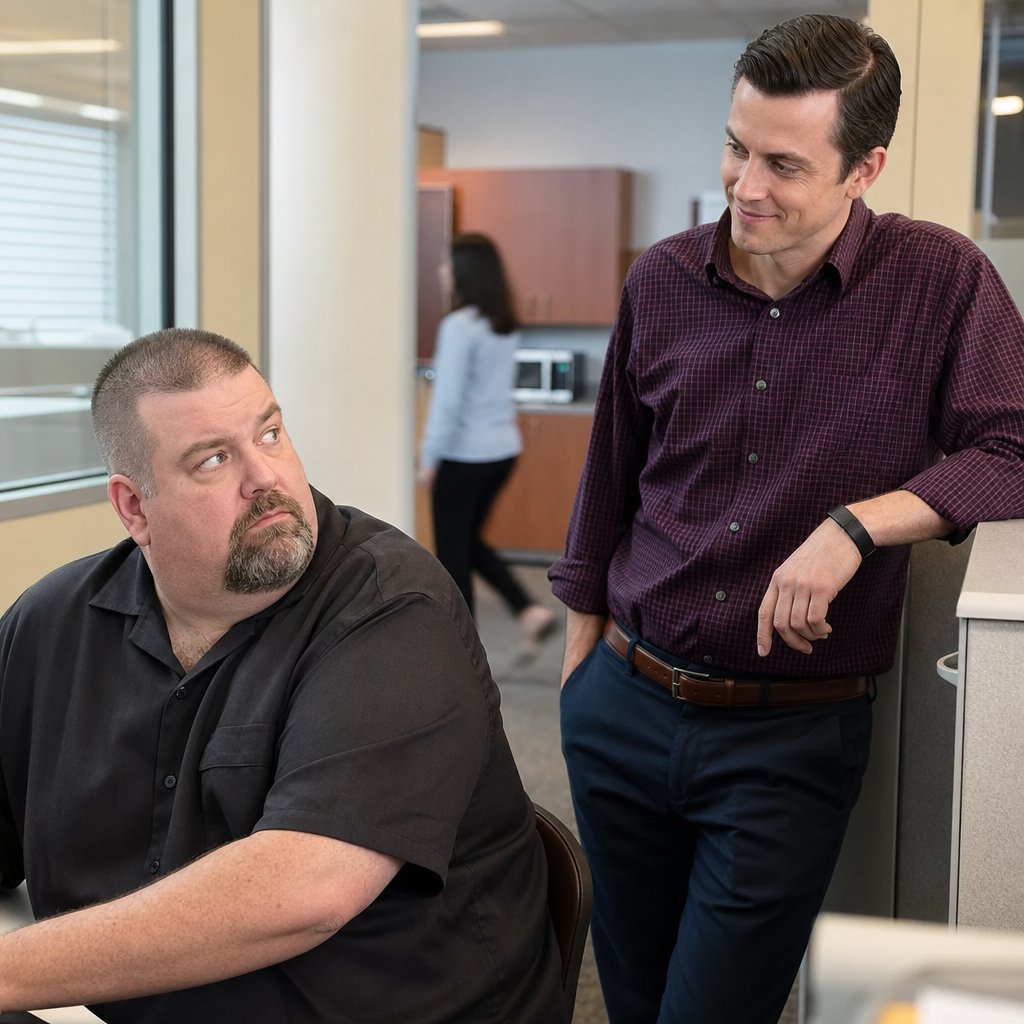
“We need to go invisible,” Dylan said over coffee we didn’t drink, his voice low like he was offering protection instead of control. “No lunches. No hearts. No late nights together.”
He said it like a strategy. Like he was the only one who understood the board we were playing on. I nodded because part of me was relieved—relieved to stop flinching every time someone walked by, relieved to stop editing my own face.
But the next week, he kept showing up in the exact moments I hadn’t told anyone about.
I’d be halfway through drafting a risk note—alone, silent, focused—and Dylan would drift past my desk and murmur, “Careful how you phrase that. They’ll use it against you.”
I’d be thinking about calling a stakeholder to patch a relationship I didn’t want to admit was fraying, and Dylan would stop by with, “Don’t. Let me handle him.”
Every time, my skin prickled. Not because he was wrong. Because he was right before I’d said anything.
I started testing it. I mentioned a fake task out loud to no one, just a sentence to myself in the elevator: “Need to update the budget model.” A decoy. Something I wasn’t actually doing.
That afternoon, Dylan leaned into my aisle, smiling like he was being supportive. “How’s the budget model going?”
I felt my stomach twist, hot and nauseating. The office smelled like burnt popcorn from someone’s failed snack, and suddenly I couldn’t breathe around it.
“What budget model?” I asked.
Dylan’s smile held for half a second too long before it shifted—tiny crack, tiny tell. “You mentioned it,” he said.
I hadn’t. Not to him. Not to anyone.
And the worst part was how calm he stayed, like he’d been waiting for me to notice—like he wanted me to know he could.
My Mentor’s Eyes Flicked
My mentor, Celeste, didn’t do drama. She did blunt truths delivered like she was handing you a coat—practical, necessary, no apologies.
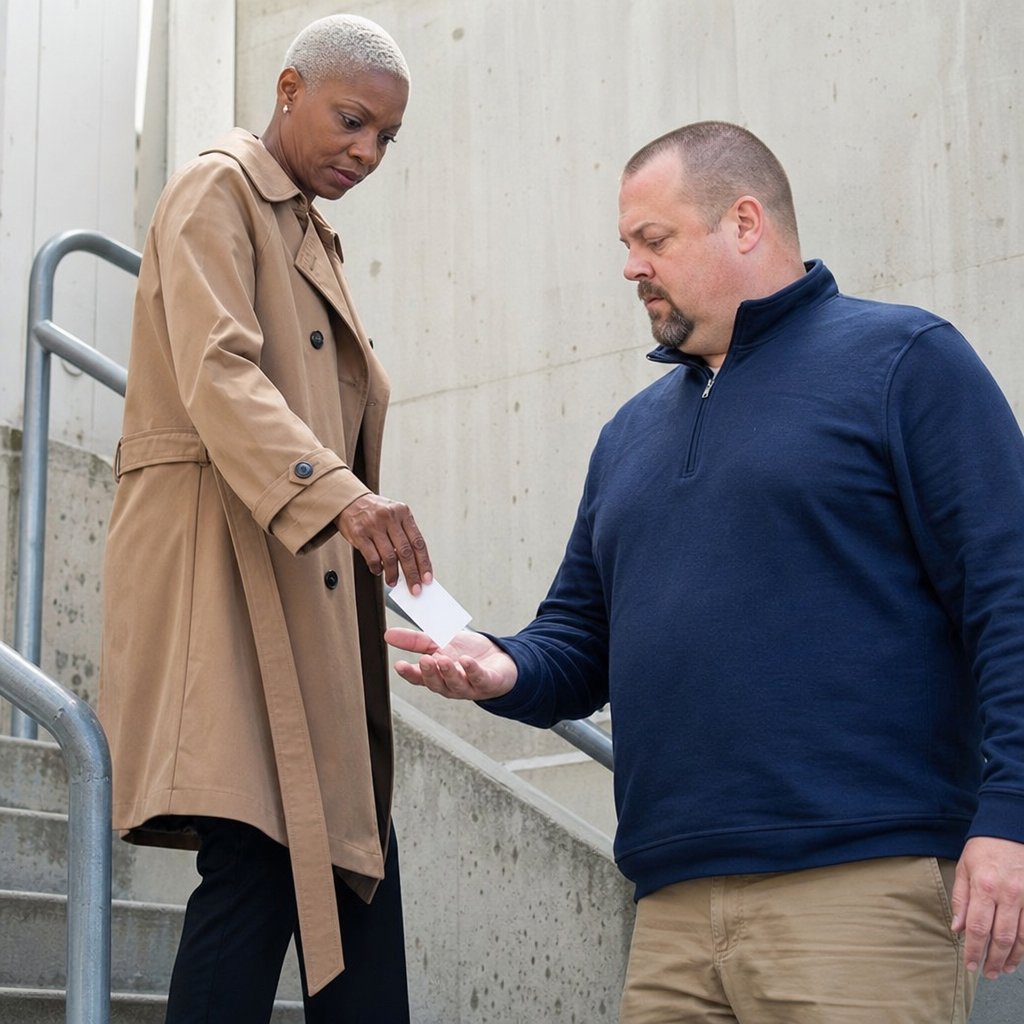
She asked me to meet her in the stairwell, not her office. That alone made my stomach tighten. The stairwell smelled like concrete dust and someone’s too-sweet perfume, trapped in stale air.
Celeste stood one step above me, giving her the height advantage without looking like she meant to. She was a Black woman in her 50s with close-cropped silver hair and the kind of steady gaze that made executives sit up straighter.
“Someone is managing the narrative about you,” she said.
I tried to laugh. It came out thin. “That’s… corporate life.”
“No,” she said, sharper. “This is targeted.”
I swallowed. “Who?”
Celeste didn’t answer immediately. Her eyes shifted—just once—past my shoulder, toward the row of glass offices on the floor above, where Dylan’s office sat like an aquarium. The flick of her gaze was small, but it detonated in my chest.
“Celeste,” I whispered. “Is it—”
She cut me off with a look that said be careful. “You need to start keeping copies of everything,” she said. “Not in the places you normally keep them. And you need to stop assuming your private conversations are private.”
My hands went cold. “What does that mean?”
Celeste’s jaw worked like she was chewing on a decision. “It means,” she said slowly, “the person doing this benefits from you staying exactly where you are.”
I thought about Dylan’s touch on my wrist. His “trust me.” His “let me handle it.”
Celeste reached into her bag and pulled out a small keycard sleeve—blank, unmarked—and pressed it into my palm like contraband.
Proof On The Copier
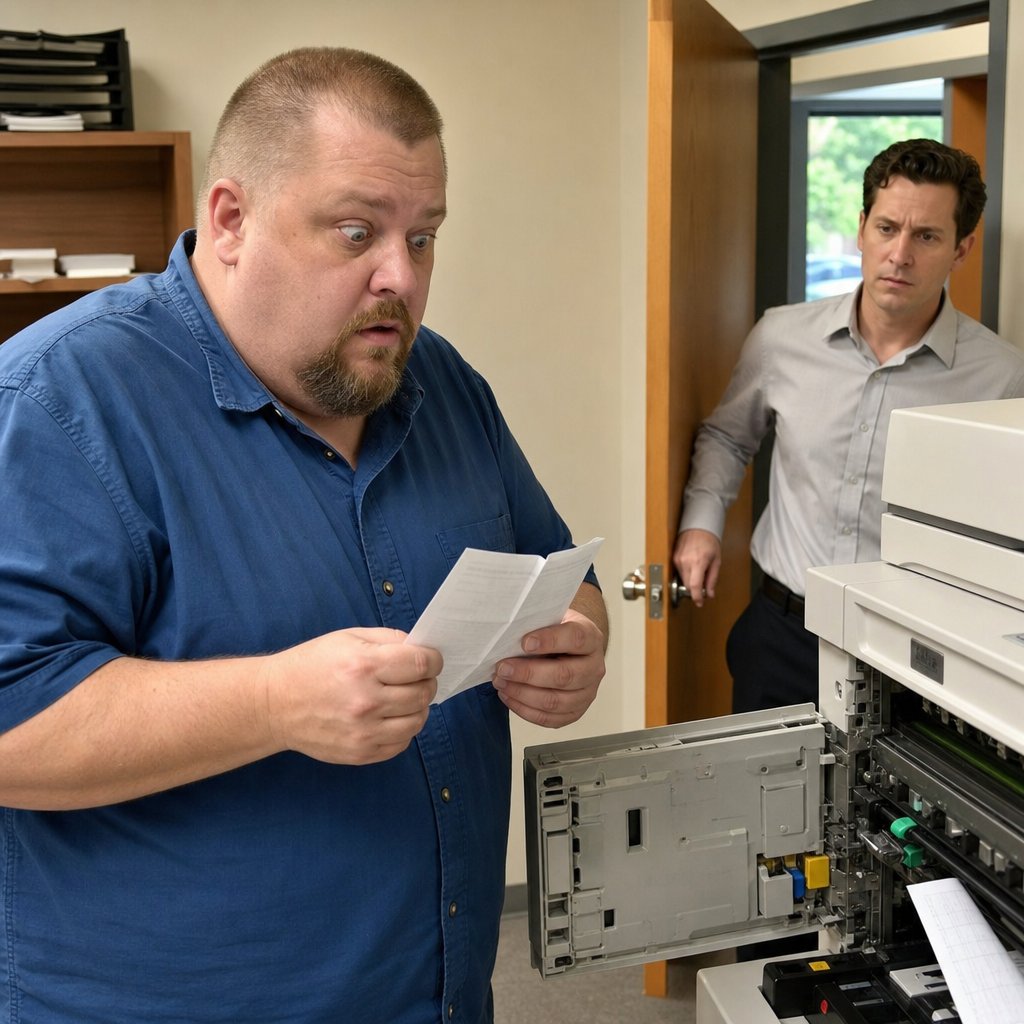
The copier jammed the way it always did when you were already on edge—paper crumpling inside like the machine was chewing your day up on purpose.
I popped the side panel open and reached in. My fingers brushed warm rollers and then something thicker than a stray sheet. A printed email, folded once, wedged like someone had hidden it in a hurry.
I shouldn’t have unfolded it. I did anyway.
There it was: talk about my “readiness gap.” The phrase made my stomach flip because it was the same vague poison as “inconsistency,” the same kind of corporate fog you can drown someone in without leaving fingerprints.
And then I saw the CC line—Dylan included. Not as a courtesy. Not as an FYI. As if he belonged in that conversation more than I did.
My hands started to shake so hard the paper fluttered. The copier’s plastic smelled faintly scorched, like overheated dust. I pressed the page flat against the machine to steady it, and that’s when I noticed a second sheet behind it—another printout, partially obscured, with the corner showing a list of names.
Footsteps clicked into the copy room. Someone paused in the doorway.
I didn’t look up yet. I couldn’t. My throat was tight, my pulse in my fingertips. I slid the first page slightly, trying to see the second sheet without making noise.
“You having trouble with the copier?” Dylan asked, voice light, like we were strangers.
I finally lifted my eyes, and he was there—too calm, too composed—watching my hands like he was watching a lock being picked.
He Asked For My Laptop
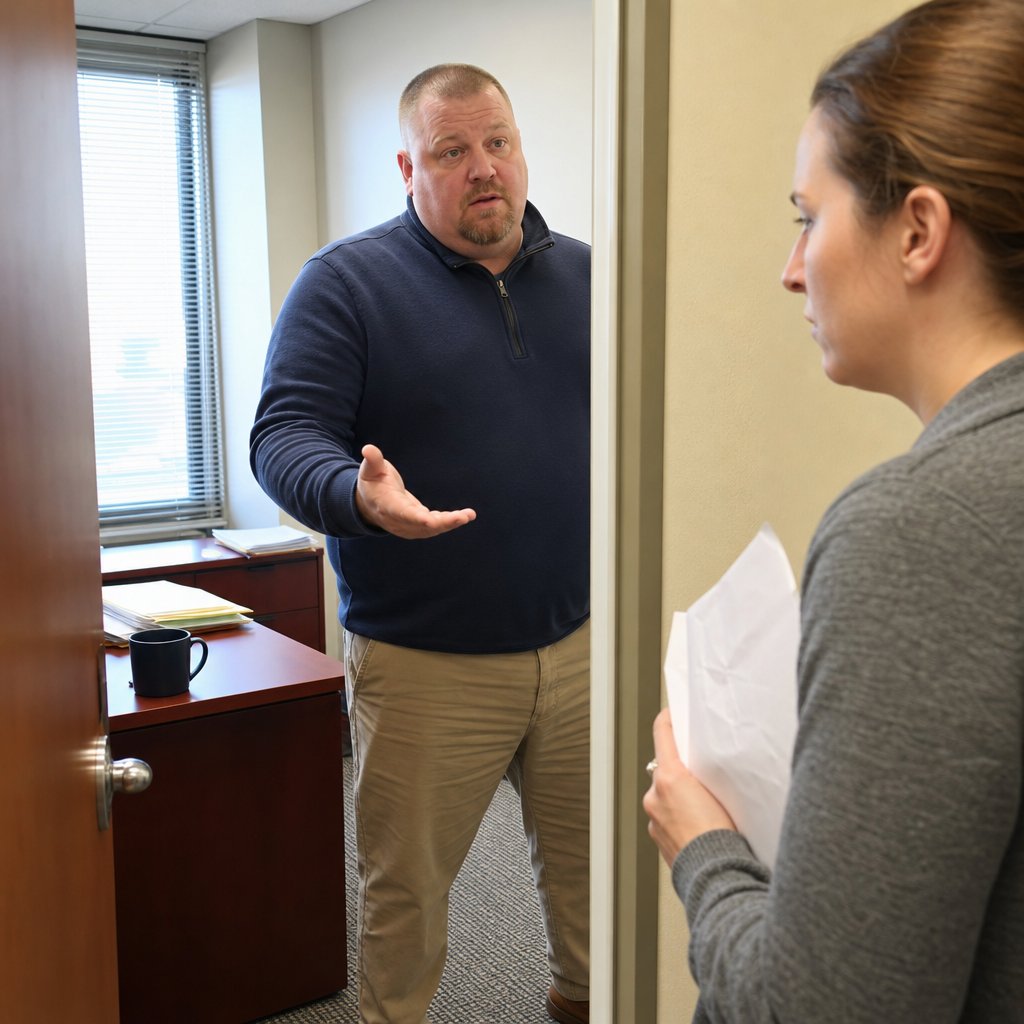
Dylan stood in the doorway watching my shaking hands as I tried to reveal the second sheet. The paper stuck to my thumb like it didn’t want to be seen, like it knew what it would cost me.
“So,” I said, voice too thin, “you want to tell me why my packet looks like it’s been… handled?”
He laughed. Not nervous. Not confused. Amused. Like I’d accused him of stealing a stapler. He crossed the carpet in that calm, unhurried way he used when he wanted me to feel silly for having feelings. Close enough that I could smell his coffee—burnt, bitter, way too strong.
“Babe,” he said softly, and before I could step back, he kissed my forehead. It was so gentle it made me want to scream. “You’re spiraling.”
I pulled away. “Don’t—”
He held up his hands like I was the one being dramatic. “Let me just check something. Give me your laptop.”
My stomach dropped. “Why?”
He blinked slow, like I’d asked why the sky was blue. “Because you’re upset, and I can fix it. Just… hand it over.”
He extended his palm—patient, expectant—like the request itself was normal, like I wasn’t standing there with proof in my hands and a man I trusted asking for the one thing that could erase it.
I didn’t move, and his smile didn’t change, but his eyes did—just a flicker of irritation, fast as a paper cut.
“Come on,” he said, still gentle, “don’t make this weird.”
The Note In My Desk
I didn’t give him the laptop. I gave him a look that said try me, and he backed off with a little sigh like I was an overreacting employee and not the person he’d been kissing in the stairwell two days earlier.
The next morning, I came in early, the office still smelling faintly of industrial lemon cleaner. My chair squeaked when I sat down, and I did that thing where you pretend you’re normal while your insides are sprinting.
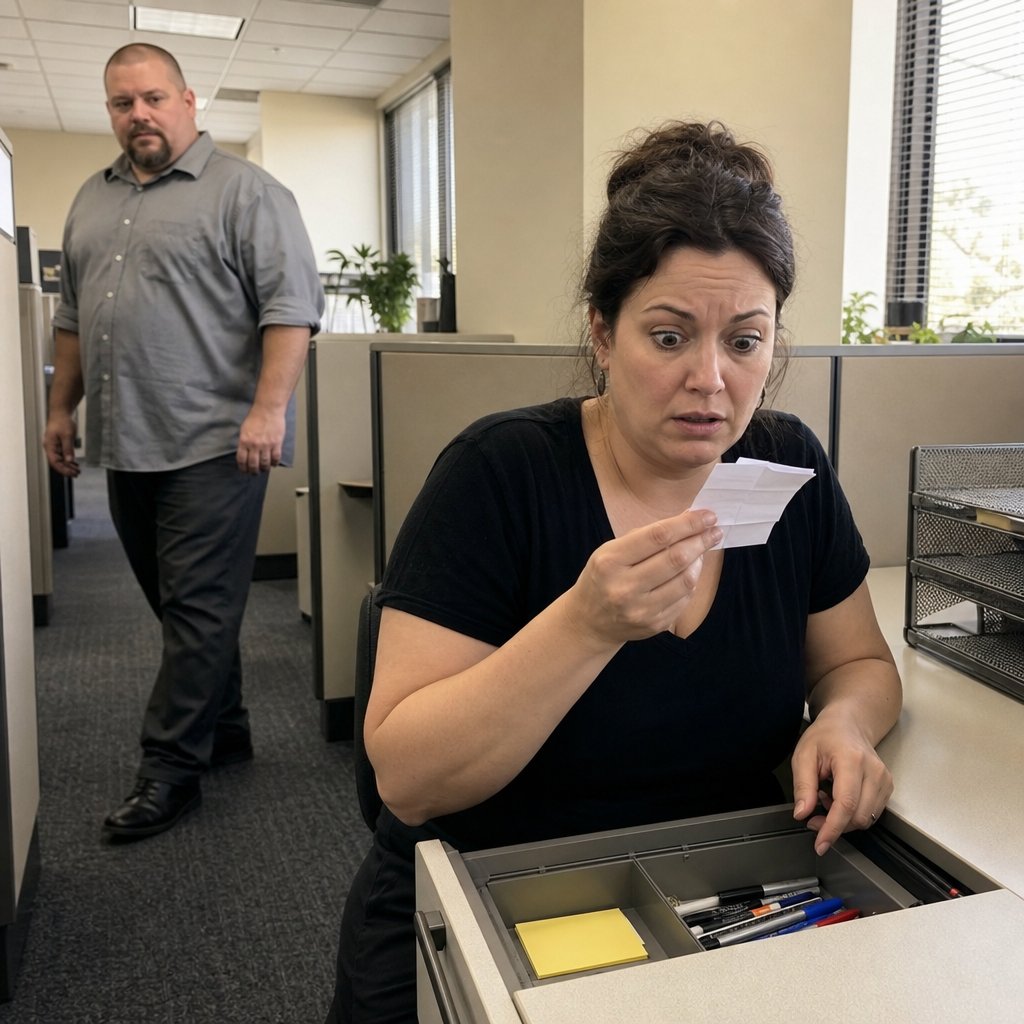
I opened my top drawer for a pen and froze.
There was a folded scrap of paper tucked under my sticky-note pad, like it had been slid in with practiced fingers. No letterhead. No signature. Just four words written in blocky ink that looked deliberately plain:
He’s not your ally.
My throat tightened. I unfolded the rest.
Check the calendar logs.
My first thought was that Dylan had done it—some manipulative little “test” to see if I’d run to him, to see if I’d confess what I suspected. My second thought was worse: someone else knew. Someone had been close enough to my desk, bold enough to touch my things, and quiet enough not to get caught.
I sat there with the paper pinched between two fingers like it was contaminated. The printer down the row clicked awake on its own, a sudden mechanical cough in the silence.
A warning or a trap. Help or bait.
I slid the note into my pocket as footsteps came down the hallway—slow, familiar, unhurried—and I couldn’t tell if I wanted them to be Dylan’s or if I was terrified they were.
The Audit Was Too Neat
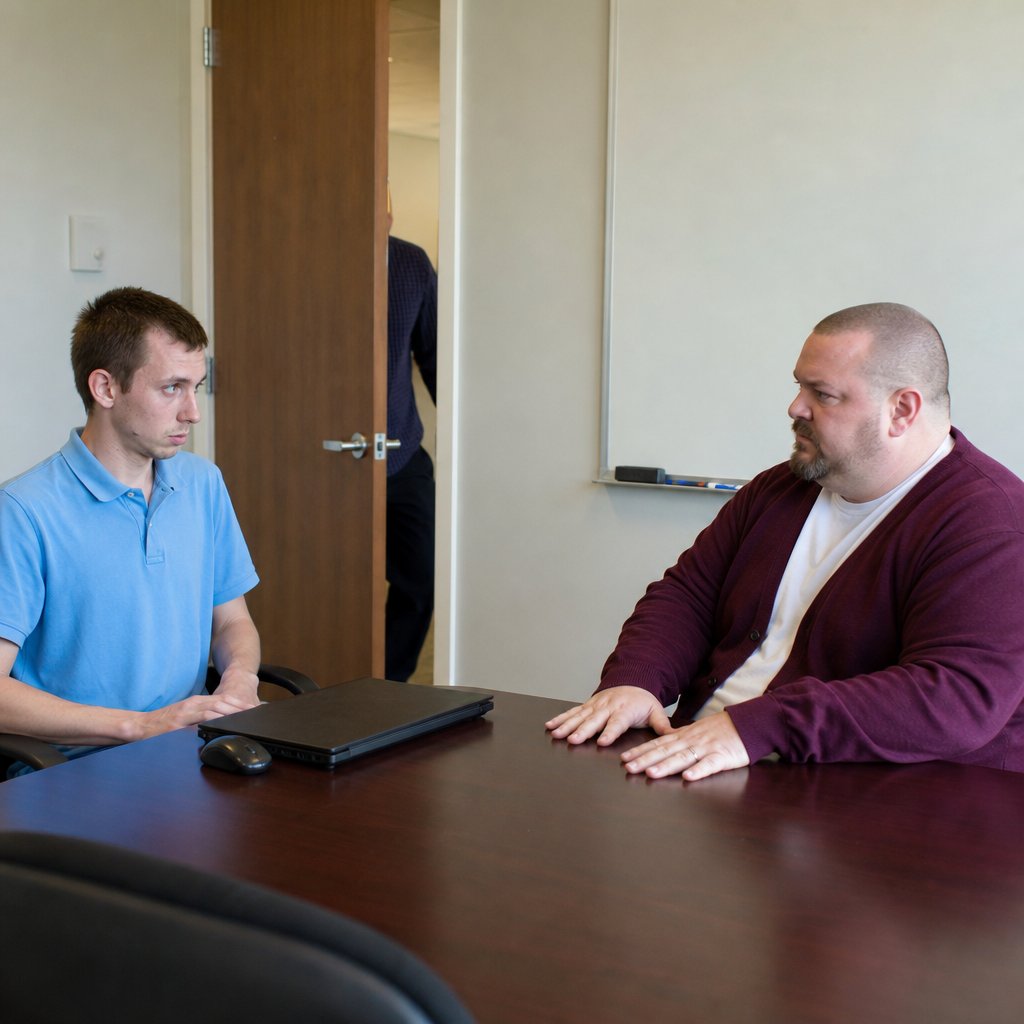
I didn’t go to Dylan. I went to IT, which felt like walking into confession with dirt under my nails. I told them I thought my account had been accessed. I kept my voice steady. I didn’t mention the romance. I didn’t mention the note. I didn’t mention that the person who knew my passwords also knew how I took my coffee and what my throat sounded like when I tried not to cry.
They put me in a tiny conference room that always smelled like dry-erase markers and stale air. An IT analyst—Evan, skinny, pale, nervous—clicked around on his end and frowned in that professional, noncommittal way that makes your blood run cold.
“There are recurring login attempts,” he said. “Not successful every time, but… consistent.”
My hands were flat on the table, palms down, like I could anchor myself. “From where?”
He hesitated. That hesitation was a whole paragraph.
“Internal device,” he finally said. “Registered to a pool assigned to Dylan’s team.”
The room tilted. Not Dylan’s badge. Not Dylan’s name. A device registered to his team—close enough to be him, deniable enough to be anyone with access and a grudge. A perfect smear of plausible innocence.
“Can you tell who?” I asked, and I hated how small my voice sounded.
Evan’s eyes flicked to the door like it might open. “Not without escalating. And escalation means… people get notified.”
Notified meant management. Compliance. HR. The same HR that would love to hear about “professional boundaries.”
I looked down at my own knuckles, white against the laminate, and realized the trap wasn’t just the sabotage. It was that proving it might ruin me faster than the sabotage ever could.
Evan cleared his throat. “Do you want me to start the formal process?”
I opened my mouth, and at that exact moment, the conference room handle twitched like someone was trying to come in.
He Stole My Numbers

The budget sync ran late because it always ran late—because leadership loved to watch us squirm and call it “visibility.” The conference room was too cold, the kind of cold that makes the hair on your arms stand up. Someone had left a bowl of peppermints in the middle of the table, and the sharp sugar smell kept punching up through the recycled air.
I had my numbers ready. Clean. Defensible. The kind of work that should’ve made the promotion committee nod like bobbleheads.
Dylan showed up ten minutes in, slid into the seat beside me like he belonged there, and smiled at everyone like he was the solution to a problem they hadn’t even named yet. Different outfit than yesterday—black knit sweater, watch polished, hair buzzed sharp. He looked prepared. That should’ve comforted me. It didn’t.
When my turn came, I started to speak.
“Actually,” Dylan cut in, hand lifted like a polite interruption. “I can take this. We’ve been collaborating pretty closely.”
My mouth went dry. We. The safest word in an office. The most dangerous in my situation.
He stood, took the floor, and presented my work like it had always been communal property. Every time there should’ve been an I, he said the team. Every time there should’ve been my name, he said “we.” He even used my phrasing—the little shorthand I use when I’m nervous—like he’d swallowed my voice and was trying it on for size.
Then, right at the end, he leaned on the one missed deadline I’d had—one I’d explained, documented, and recovered from.
“We had a slip,” he said, looking directly at our VP. “We’re addressing bandwidth. Some people are stretched too thin.”
Stretched too thin. The same phrase. Again.
I stared at him, waiting for him to glance at me, to acknowledge the theft. He didn’t. He just smiled like a man doing me a favor.
And the VP nodded, slowly, like Dylan had just handed her the one reason she needed to hesitate about me.
The Phrase He Planted
After the budget sync, I tried to do the mature thing. I tried to act like I wasn’t bleeding out in slow motion. I went back to my desk and answered emails with hands that didn’t feel like mine.
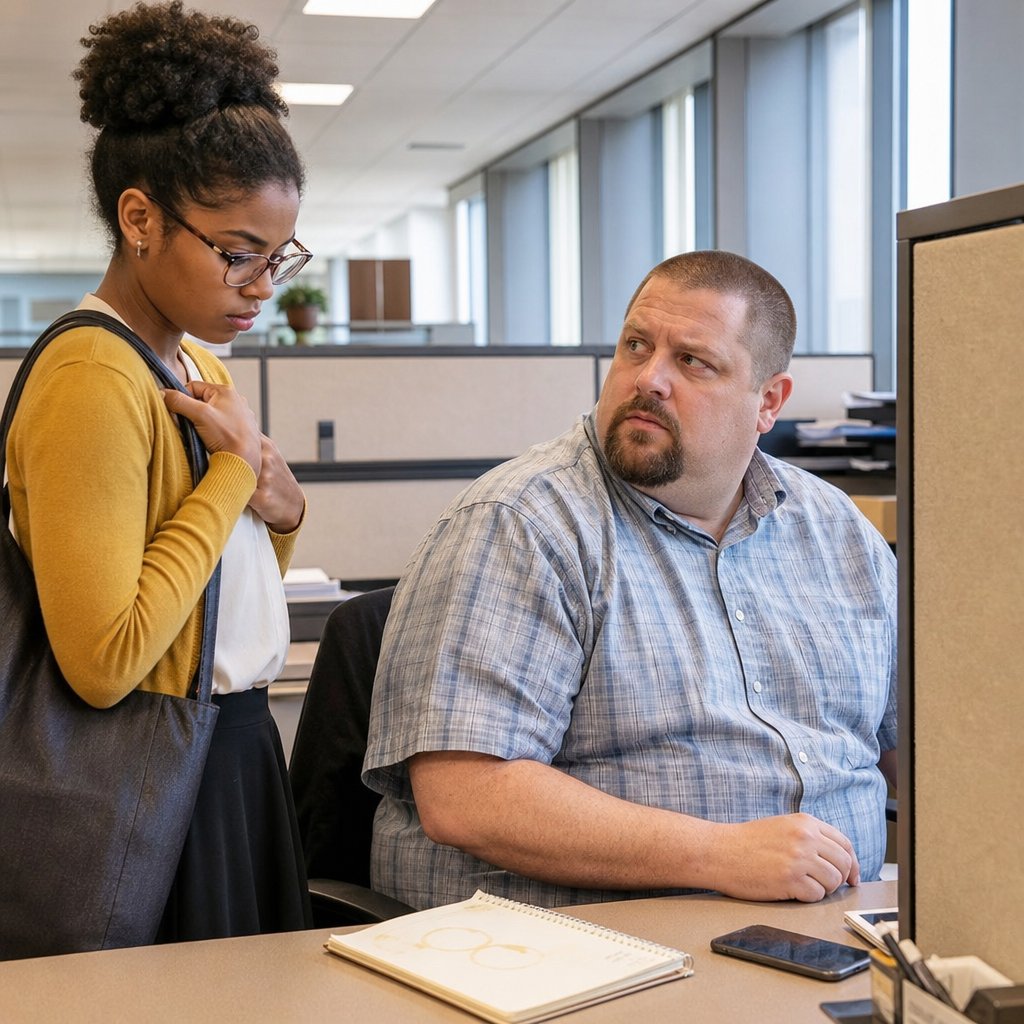
By mid-afternoon, a junior analyst—Maya, early 20s, petite, tight curls pulled into a puff, huge glasses that always slid down her nose—hovered at the edge of my cubicle like she wanted to confess a crime.
“Hey,” she said, voice small. “Can I ask you something without you getting mad?”
“Try me,” I said, attempting a smile.
She stepped in, twisting the strap of her tote bag until her knuckles went pale. “I sent a request over for the forecasting pull, and… I was told not to route things through you anymore.”
My stomach dropped. “By who?”
Maya’s eyes flicked left, then right, like the cubicle walls had ears. “I don’t want to—”
“Maya.” My voice came out sharper than I meant. “Who told you that?”
She swallowed. “Dylan. He said you’re… stretched too thin. That it’s better for the team if he handles the asks directly.”
Stretched too thin.
The phrase hit me like a slap, because it wasn’t just something he’d said once in a meeting. It was a line he was seeding, like breadcrumbs he could point to later. Like he was building a little story about me—overworked, unreliable, in need of “support”—and feeding it to people who didn’t know me well enough to taste the poison.
I kept my face neutral for Maya’s sake. “Okay. Thank you for telling me.”
She nodded, relief and fear mixing in her eyes. “I thought you should know. It felt… weird.”
As she turned to leave, she paused and added, almost whispering, “Also, he asked me if you seem… distracted lately.”
I watched her walk away, my jaw aching from how hard I was clenching it, and realized Dylan wasn’t just sabotaging my work.
He was recruiting witnesses.
HR Called It Boundaries
HR didn’t email me. They calendar-invited me.
The subject line was bland enough to be a weapon: “Professional Boundaries Check-In.” No context. No names besides mine and an HR rep I’d met once in a holiday party receiving line.
I walked to the HR suite with my stomach in my throat, passing framed posters about “integrity” and “speak up” that suddenly felt like jokes with a punchline aimed at me. The carpet muffled my footsteps, but I could still hear my own pulse.
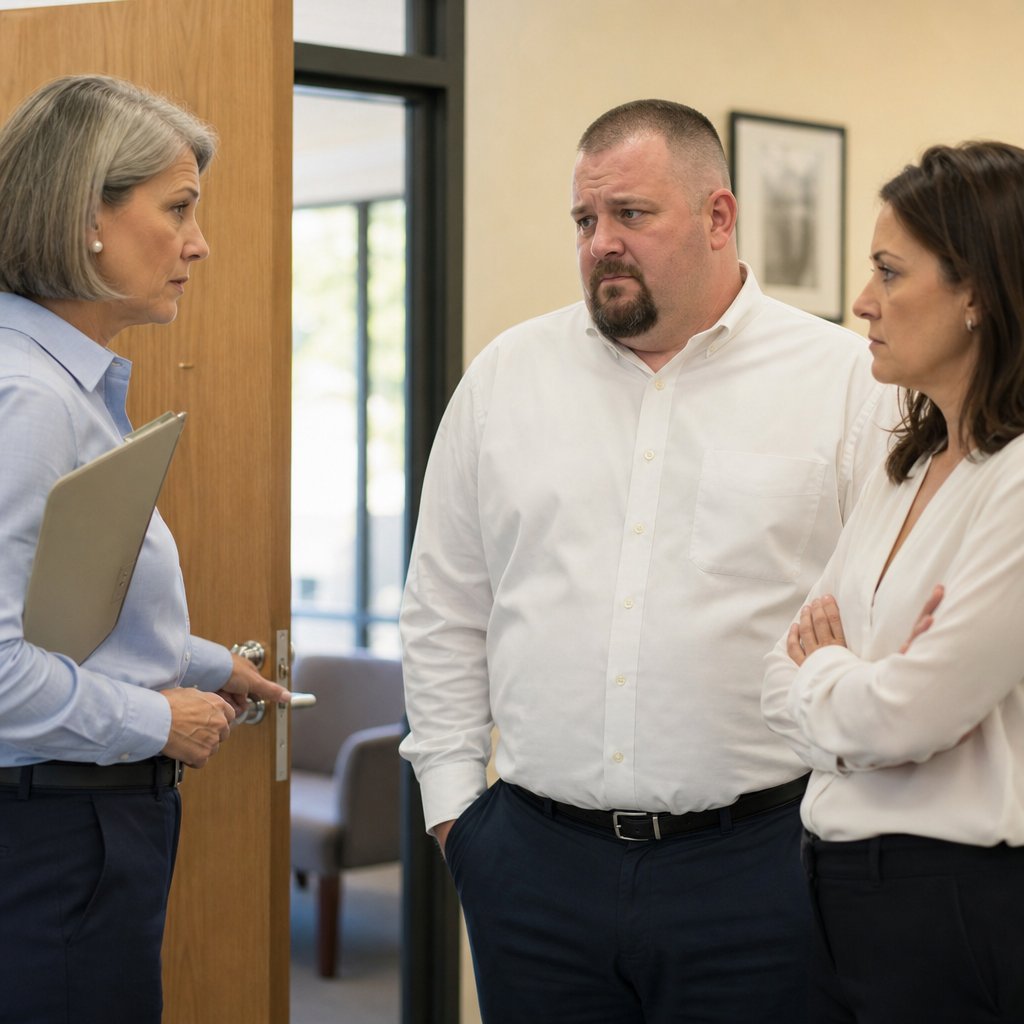
Dylan was already there, seated in the waiting area like he’d been summoned for an award. He wore a crisp white button-down today, sleeves perfectly pressed, looking every inch the wounded professional. When he saw me, his face softened into something almost tender—and then, just as quickly, he let it fall into hurt.
“Why didn’t you tell me they were doing this?” he murmured, standing. His voice was low, intimate, the same voice he used when he wanted my defenses down.
“Tell you?” I hissed. “Dylan, I didn’t know either.”
He exhaled sharply, like I’d disappointed him. “Someone reported the stairwell.”
The stairwell. My skin went hot. That moment—his hand on my waist, my laugh caught in my throat, the echo of our shoes on concrete—flashed through my mind like a crime scene photo.
“And you think that’s my fault?” I asked.
His eyes glistened, and it looked so real it almost fooled me. “I thought we were careful,” he said. “I thought you had my back.”
There it was. Not fear. Not accountability. Accusation—served soft, like a dessert you don’t realize is poison until it’s too late.
The HR door opened, and the rep—Sandra, mid-50s, sleek gray bob, pearl studs—smiled at us like we were about to discuss a minor scheduling conflict.
“Dylan, you too,” she said, glancing at her clipboard. “Come on in.”
Dylan’s hand brushed my elbow as we walked past her, and he whispered, so only I could hear, “Don’t make this ugly.”
They Never Got My Docs
The promotion committee’s request hit my inbox two days after the HR “check-in,” like they were timing their hits to keep me off balance. Extra documentation. Extra justification. Extra proof that I deserved what I’d already been doing for a year.
Only from me, of course.
I spent a whole weekend assembling it—KPIs, stakeholder notes, project summaries—printing things out to double-check formatting like a paranoid person, then scanning them back in because the company loved a digital trail until it didn’t. My apartment smelled like overheated toner and cold takeout. I barely slept.
Monday morning, I submitted everything through the standard channel. I even followed up with the committee coordinator in person, catching her near the elevators. She smiled too brightly and said, “Great, thank you!” like she was doing me a favor by acknowledging my existence.
Wednesday, I got pulled aside after stand-up by our director.
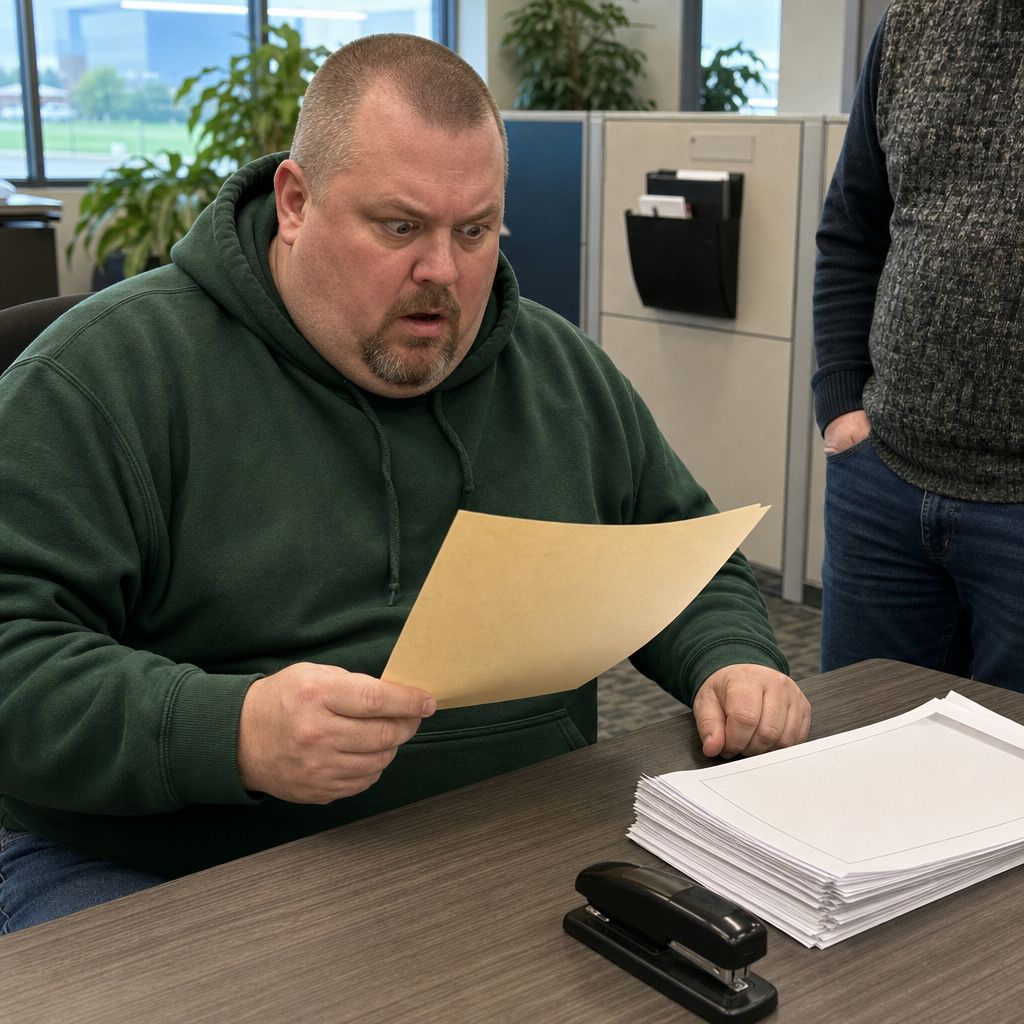
“Hey,” she said, casual voice, eyes not quite meeting mine. “The committee says they never received your documentation.”
I laughed because it was either that or collapse. “That’s not possible. I sent it.”
She tilted her head. “They’re saying there’s no record. And, you know… they’re sensitive to late submissions.”
Late submissions. The missed deadline. The “stretched too thin” narrative. All these little pins stuck into the same voodoo doll.
I walked back to my desk and pulled up my own submission trail—timestamps, confirmations, everything I’d counted on.
Except the trail looked wrong.
Like someone had taken a clean eraser to the parts that proved I wasn’t lying.
I stared at the gaps, my mouth going dry, and felt that slow, sick certainty crawl up my spine: this wasn’t random. This was a person with access. A person who knew exactly which pieces to remove so I’d look incompetent instead of targeted.
Behind me, a chair rolled back. Soft wheels on carpet. Someone stopped at my cubicle entrance without speaking.
The Trap With Two Memos
I stopped playing defense and started setting bait.
I made two versions of the same internal memo—same structure, same data, same calm corporate tone. One version was clean. The other had a tiny, stupid typo that would never survive a real review: a wrong date in a single bullet, the kind of mistake that makes leadership’s eyebrows jump and their trust quietly slide away.
I didn’t send them broadly. I controlled the flow the way Dylan always did. The clean version went to the normal distribution. The typo version went only to Dylan, under the pretense that I wanted his “eyes” before I circulated it further. I watched his face when I handed him the printed copy—his expression smooth, his fingers too careful as he took it.
“You’re doing great,” he said, that soft voice again. “See? We’re getting you there.”
We. Always we.
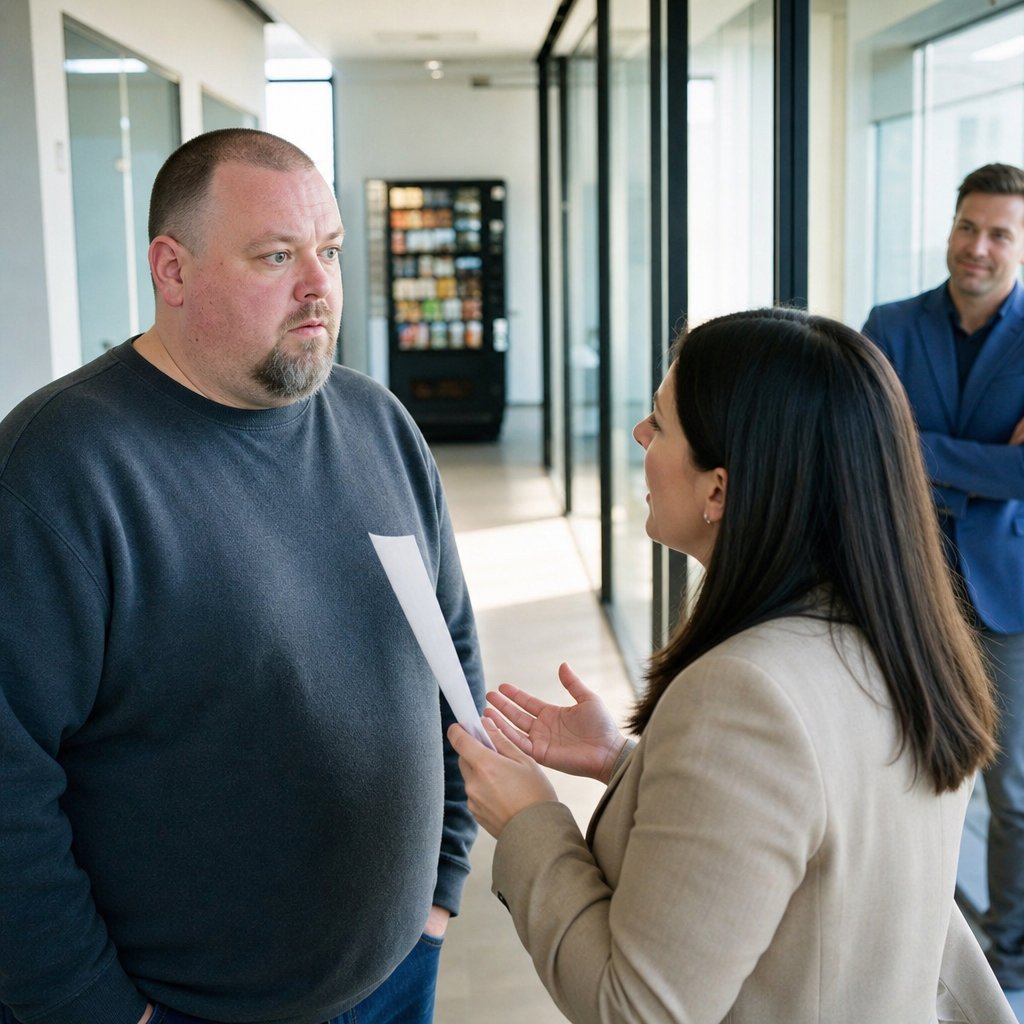
Two days later, leadership pulled me into a hallway huddle after a project check-in. No conference room, no privacy—just that fluorescent corridor smell and the hum of the vending machine at the end, like the building itself was eavesdropping.
“Quick thing,” my director said, holding her tone light. “This memo has an incorrect date. That’s… concerning.”
My body went cold so fast it felt like I’d stepped into a freezer. “Which memo?” I asked, already knowing.
She referenced the exact bullet. The wrong date. The typo version. The one only Dylan had seen.
I forced my face to stay blank while something inside me snapped into terrifying clarity. It wasn’t suspicion anymore. It wasn’t anxiety. It was math. It was evidence. It was a straight line from my trust to his hands.
“Can you forward me what you received?” I asked, voice carefully polite.
My director hesitated—just a beat too long—and then said, “Sure. But you know, we need to talk about attention to detail.”
I nodded like a professional while my insides screamed, because the only person who could’ve put that version in their hands was the man who kissed my forehead and told me I was spiraling.
My phone vibrated in my pocket. Dylan’s ringtone.
He Turned Rumors Into Chains

I met Dylan near the stairwell because I was an idiot, because part of me still wanted him to explain it away, to hand me some story I could swallow without choking.
He leaned against the concrete wall like he owned the building, like he owned me. Today he wore a fitted charcoal jacket over a black tee, looking casual in a way that was meant to read as harmless. The air smelled faintly metallic, like wet pennies, and somewhere above us a door banged shut and echoed down the stairwell like a warning.
“You’re not answering my calls,” he said, not angry—controlled. “What’s going on?”
I held my arms tight across my chest. “They criticized a memo I never sent them. The only person who saw that version was you.”
His face didn’t do the shocked thing. It did the pity thing. “Oh my god,” he sighed, like I’d just confessed to seeing ghosts. “You’re getting paranoid.”
“Don’t.” My voice cracked. “Don’t do that.”
He stepped closer. “Listen,” he said, lowering his voice to something intimate and lethal. “You need to be careful with accusations. You know how this looks.”
I stared at him. “How what looks?”
He said it like he was stating a policy, not a threat. “A woman sleeping her way up.”
My stomach lurched. The words were so ugly and so precise I almost didn’t recognize them as English.
“You’re the one who—” I started, and he cut me off with a small shake of his head.
“We both did,” he corrected softly. “And if you start pointing fingers, people connect dots. HR already has a file. You want them digging deeper?”
He smiled then—sad, patient, like he was the mature one. “I’m trying to protect you,” he said. “But you have to stop spiraling. Stop making noise.”
I felt the leash tighten around my throat, not because he pulled it, but because he reminded me it existed. The secret wasn’t intimacy anymore. It was a weapon he could swing whenever I stood too tall.
He reached out, thumb brushing my wrist like a lover. “Just trust me,” he whispered.
And I realized he wasn’t asking for trust.
He was demanding silence.
The Proxy Left Fingerprints
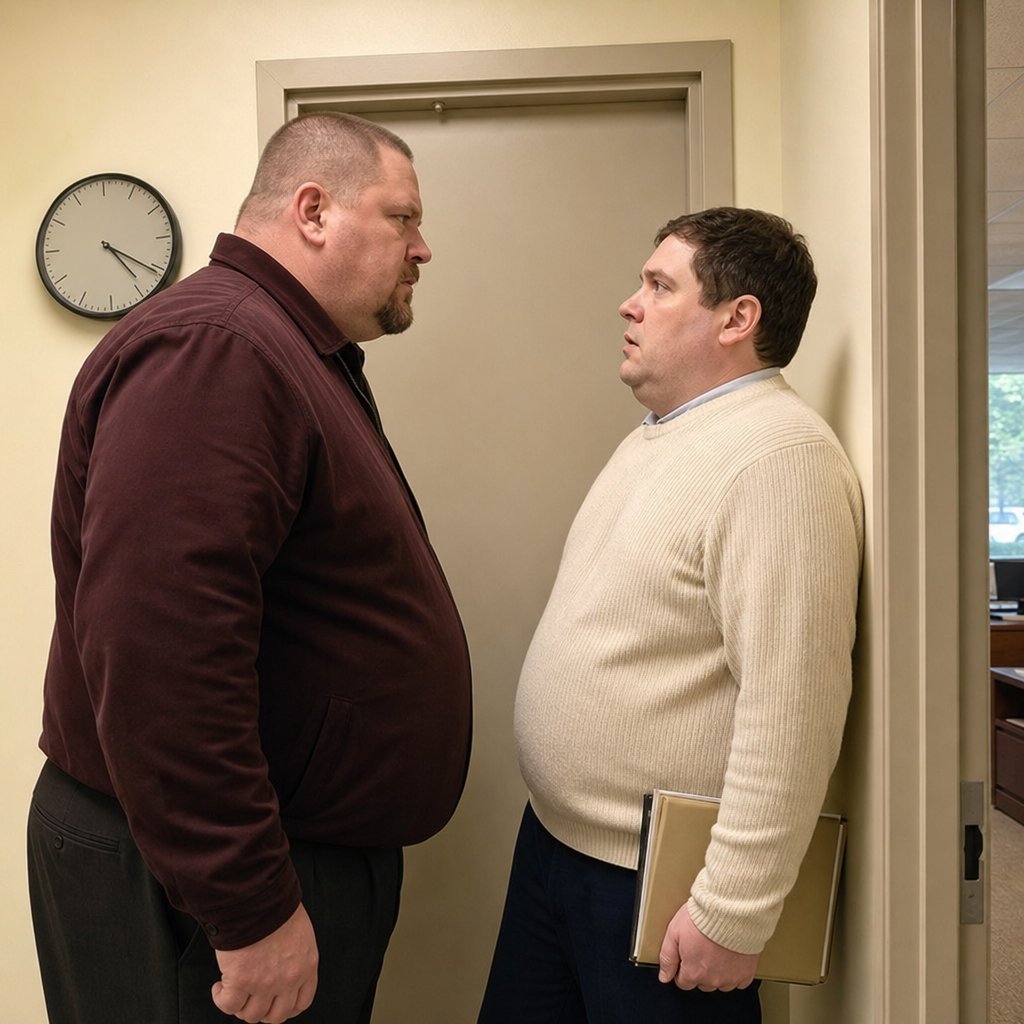
Compliance didn’t call it sabotage. They called it “permission anomalies,” like my career had been tripped in a hallway and they were politely asking if I’d like an ice pack.
They sat me in a neutral little room with beige walls and a table that wobbled if you leaned on it. A compliance officer—Rita, mid-40s, South Asian, sharp bob, red lipstick that didn’t soften her expression—slid a thin folder toward me. No readable printouts, just tabs and timestamps referenced out loud, like she knew how quickly paper could grow legs in this building.
“Your promotion packet permissions were changed repeatedly,” she said. “Multiple times. Over several weeks.”
I swallowed. “By who?”
She didn’t answer immediately. She watched my face, measuring what I could handle. Then she said, “The changes were executed via an administrative proxy associated with Dylan’s team.”
The words landed like a punch. Not a vague device pool. Not a fuzzy maybe. A proxy—an intentional mechanism. A tool you use when you don’t want your own name on the knife.
“So it was him,” I whispered, and my voice sounded like it belonged to someone else.
Rita’s eyes narrowed slightly. “It means the access path runs through his administrative chain. We are still determining the individual actor.”
Plausible deniability, professionally laminated.
I nodded, trying to stay composed while my insides went incandescent. “What happens now?”
Rita’s mouth tightened. “If we proceed formally, there will be interviews. Holds. Notifications.”
Notifications meant Dylan would find out before the ink dried. Dylan, who had already turned sweetness into a muzzle. Dylan, who had smiled through every cut.
I stood, legs unsteady. The air in the room felt too thick, like breathing through fabric. “I need a minute,” I said.
In the hallway outside, I rounded the corner and almost collided with him.
Dylan was there like he’d been waiting, hands in his pockets, expression warm—until his eyes flicked to the compliance folder tucked under my arm.
The warmth drained from his face so fast it was terrifying.
His voice dropped to a flat, careful whisper. “What did you do?”
The Version That Wasn’t Mine
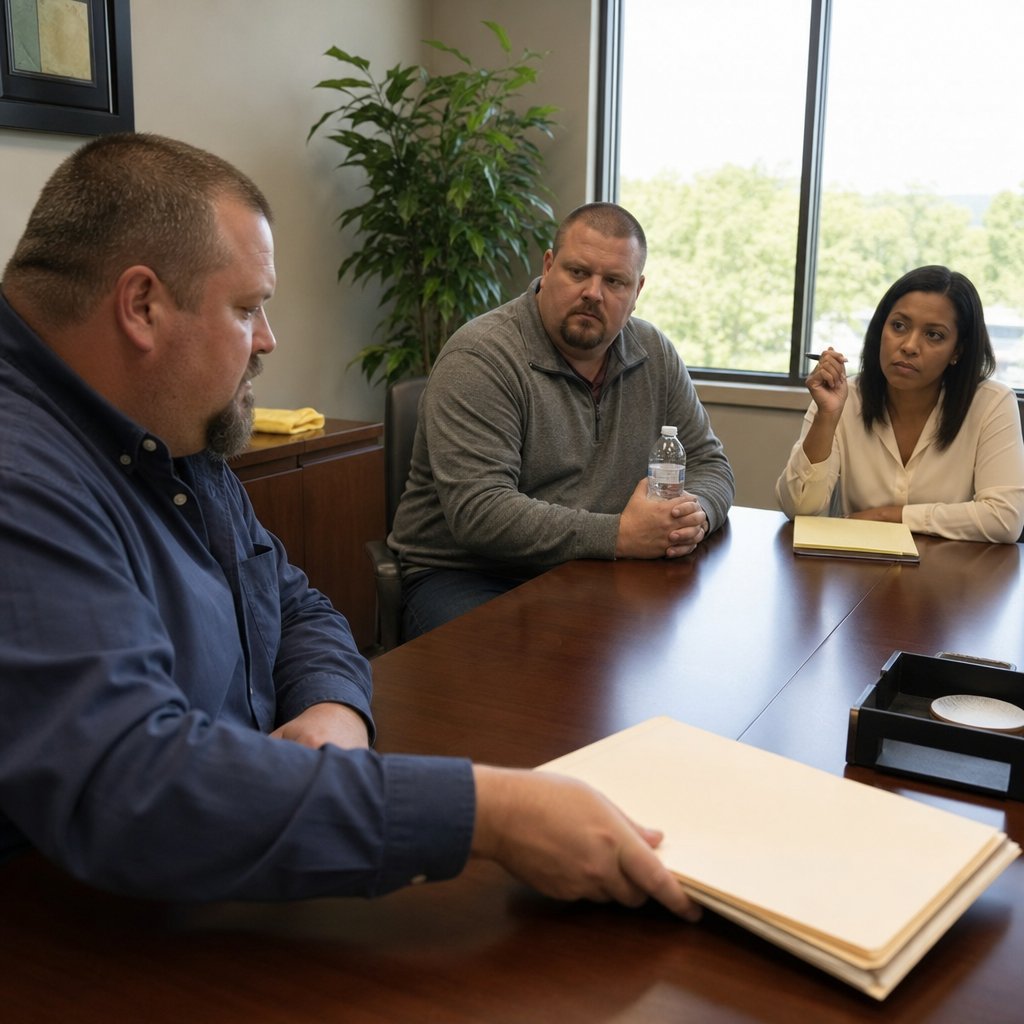
Dylan stepped closer, blocking my path, and the look in his eyes said he wasn’t going to ask twice.
I didn’t back up. I just lifted the folder in my hand—plain manila, my name scrawled in my own sloppy marker—and let it thump once against my thigh. The sound was small, but it hit him like a slap. His gaze flicked down, then up, and for a second his goatee actually twitched like he was biting back a comment.
“You printed it?” he said, like I’d confessed to stealing office pens.
“Last night,” I said. “Before it… changed.”
That was the thing: I’d watched the shared-drive file do a quiet little magic trick at 11:47 p.m. The headings were the same, the formatting was mine, even the dumb bullet style I hated. But inside? Whole paragraphs softened into apologies. Metrics I’d spent months gathering suddenly had “context” added—context that made me sound reckless. The word “promotion” got swapped for “development opportunity,” like I was a toddler being handed a sticker. And the worst part was the tone: careful, reasonable, undermining. Dylan’s voice wearing my clothes.
He tried to laugh it off, but it came out thin. “You’re being dramatic.”
“No,” I said, and my mouth tasted like burnt coffee. “I’m being careful.”
The committee room the next morning smelled like lemon cleaner and old carpet. I sat at the long table with my hard copy stacked in front of me, edges crisp, paper warm from the printer. Dylan took the seat two chairs away like we were strangers, his knee bouncing under the table in that fake-casual way he did when he thought he was the only one with a pulse.
When my turn came, I didn’t open my laptop. I slid the packet across, page by page, to the directors and HR partner, watching their eyes move over my numbers. And then I said it—calm, like I was asking for a stapler.
“Before we start,” I told them, “I need an integrity review on the shared-drive version of this file. The one labeled as mine was replaced overnight.”
The room didn’t react at first. Just that tiny pause—like everyone’s lungs forgot what to do. The HR partner’s pen stopped mid-air. One director glanced at Dylan without meaning to. Dylan’s face held steady, but his ears went pink, and his hand tightened around his water bottle until the plastic creaked.
“Replaced,” the HR partner repeated slowly, like she was tasting the word.
I nodded once. “I have a hard copy timestamped from before the change. I’d like us to compare versions.”
Dylan leaned back, too smooth, too practiced, and said, “Are we really doing this right now?”
And the HR partner turned her head toward him, eyes narrowing just slightly, and asked, “Dylan—why would you say that?”
Would you trust Dylan after missing promotion pages?