




Unexpected Evening Fatigue
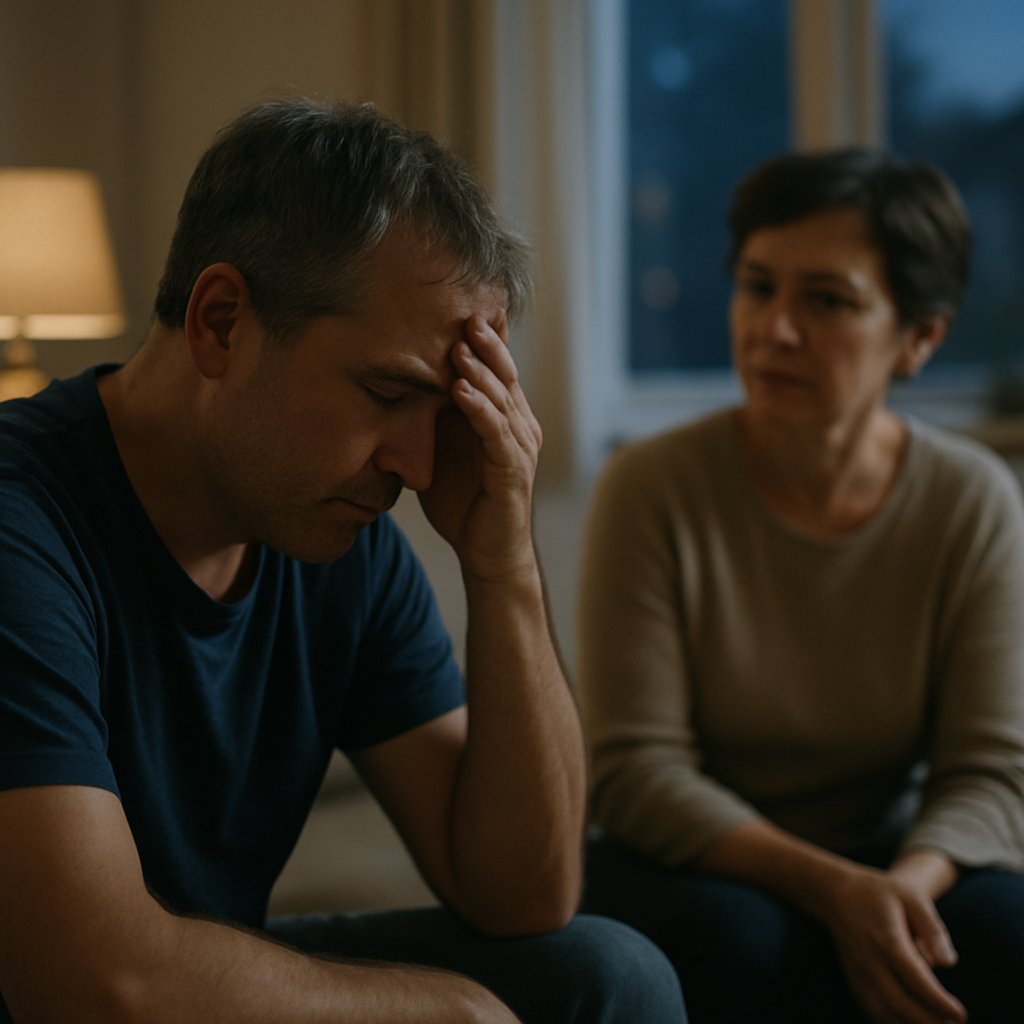
It was around 7:30 p.m. when the tiredness hit me hard. I’d feel this sudden and overwhelming wave of fatigue that made me want to sit down immediately. At first, I thought it was just the usual signs of getting older, something everyone around me seemed to expect. My spouse just shrugged and said, "It’s normal to slow down a bit." But to me, it felt different—like something inside me was slowly draining away energy, not just normal tiredness. The light from the living room lamp was soft and warm as I sat there, feeling my limbs get heavy in a way I hadn’t before.
Tingling Feet And Dizziness Added
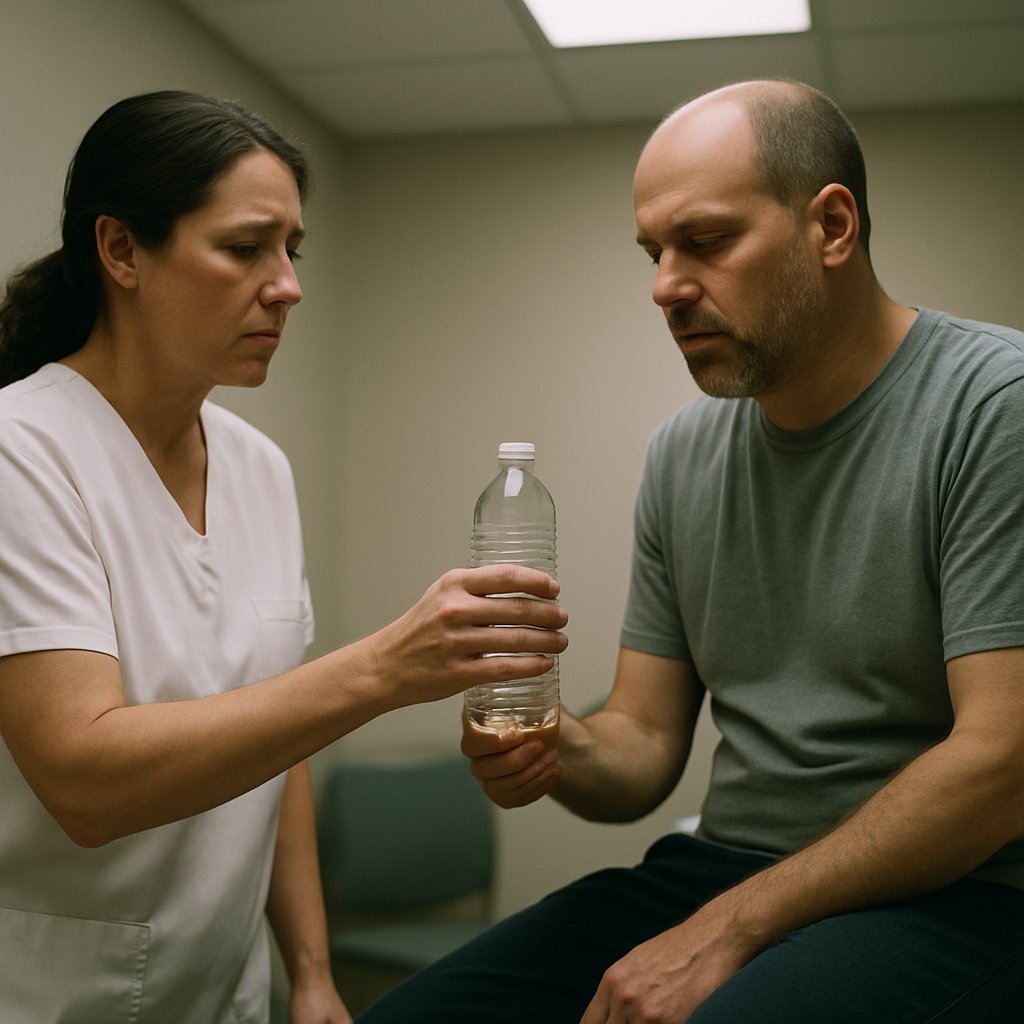
At my yearly physical, I mentioned the new symptoms—the tingling in my feet and the dizzy spells that sometimes made me unsteady. The doctor ran lab tests, but everything came back normal. "Your labs look good," the nurse said, handing me a bottle of water and suggesting I drink more to stay hydrated. That became the plan: drink more fluids and hope the symptoms would fade. The bright fluorescent lights of the clinic made me squint, and I wondered if the dizziness was tied to the harsh lighting. Still, the tests being normal felt like a dead-end I couldn’t escape.
Near Fall Under Grocery Lights

One afternoon, while pushing my cart through the grocery store, the dizziness suddenly hit me harder than before. The bright white lights overhead seemed to close in as the floor shifted beneath me. I nearly toppled, grabbing the cart for support. Shoppers passed by, unaware of how close I was to falling. The cold metal handle in my grip was smooth and reassuring, but the episode was a stark reminder that this wasn’t just some minor discomfort anymore. It had turned into something unsafe, something that could lead to injury if I wasn’t careful.
The Symptom Notebook Emerges
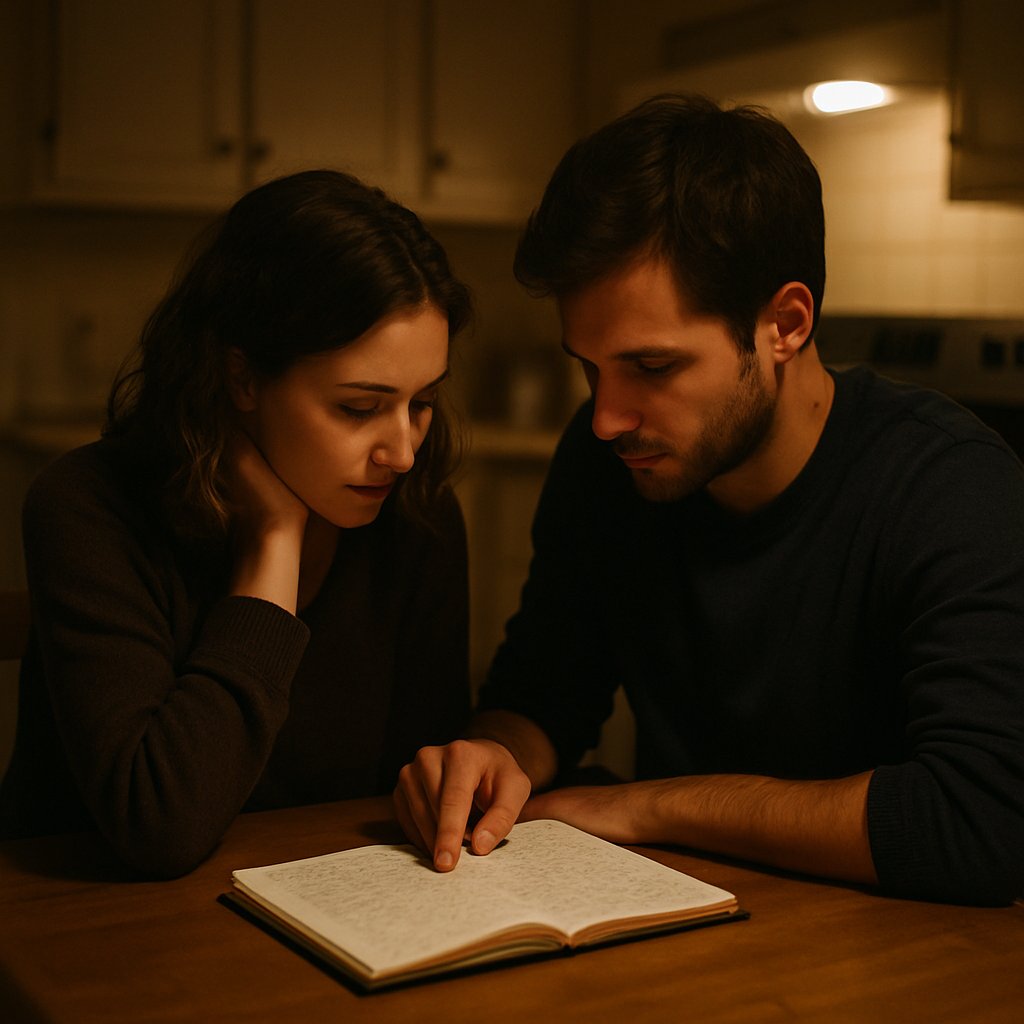
My spouse started writing down every symptom I mentioned, along with what seemed to trigger them. Heat, standing too long, crowded places, and certain foods were all on the list. We’d review it together each evening under the soft glow of our kitchen light, trying to spot patterns that no doctor had yet recognized. Despite our efforts, every appointment still ended the same way: tests and referrals that didn’t lead anywhere. But at least we had something tangible—a notebook filled with clues that painted a bigger picture, even if no clinician had connected the dots yet.
Labeled 'Probably Anxiety'
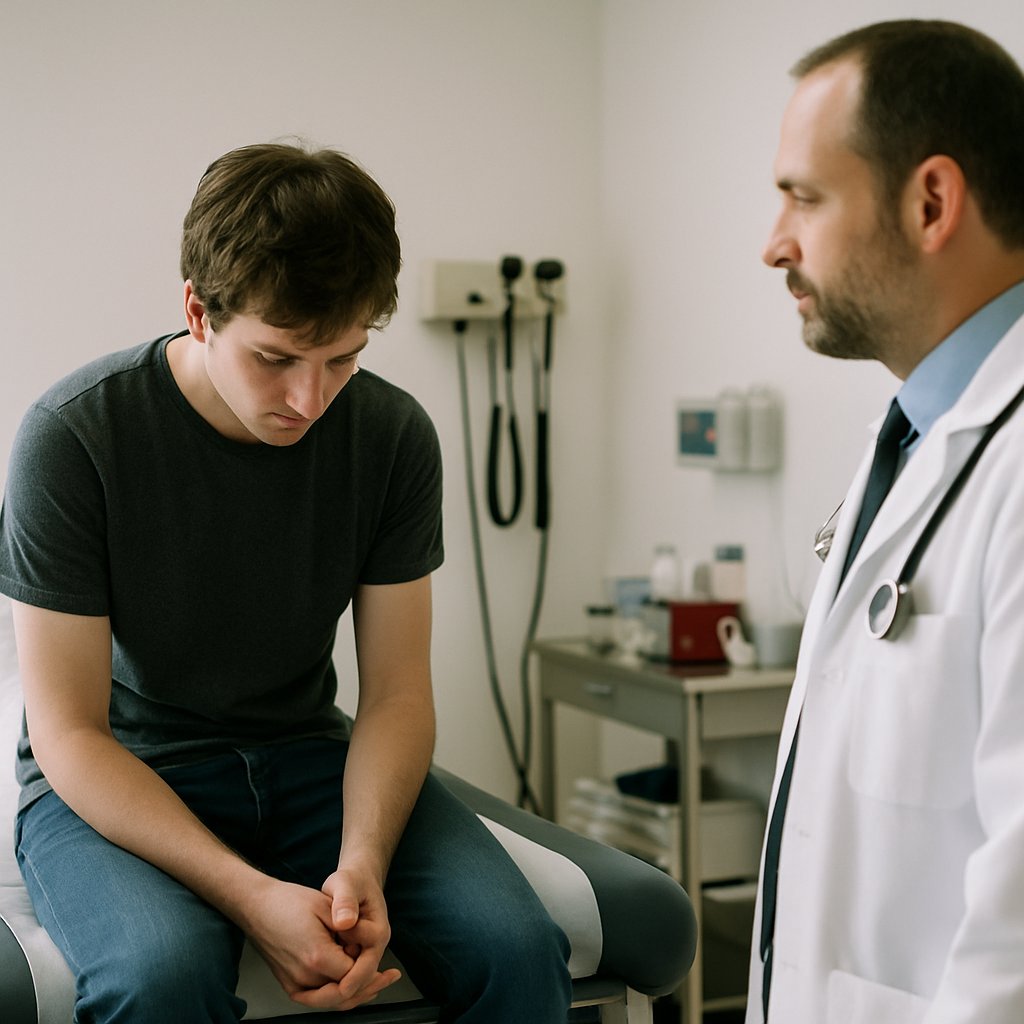
After one particularly tough episode, I went to urgent care. They ran an EKG, which came back normal, but the doctor quickly said it was "probably anxiety." I felt a mix of relief and frustration. Relief that nothing life-threatening had shown up, but frustration that my real problems were being dismissed as all in my head. The sterile white walls of the clinic and the constant beeping of machines felt cold and impersonal. Instead of help, I left feeling a new kind of humiliation—that my symptoms weren’t being taken seriously.
The Elusive Flushing Rash
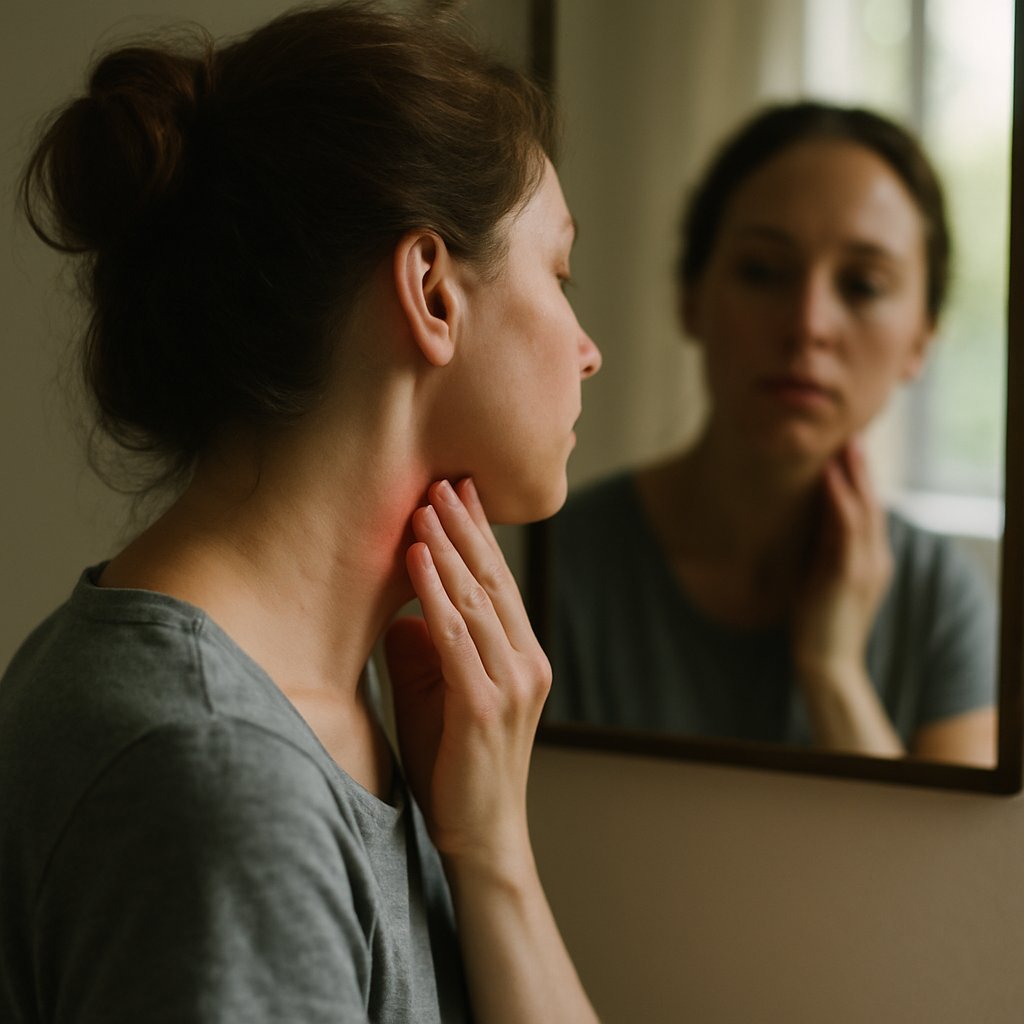
Sometimes, a sudden redness would bloom across my chest and neck, like a rash that announced itself loudly but only briefly. It was dramatic and unmistakable, yet every time I scheduled a doctor’s visit, the rash would have faded away. I tried to capture it with photos, but the color never stayed long enough to prove itself in the clinic’s bright examination lights. That fleeting redness felt like a clue I couldn’t hold on to, a symptom trying to speak but vanishing before it could be heard.
Podiatrist Blames Tight Shoes
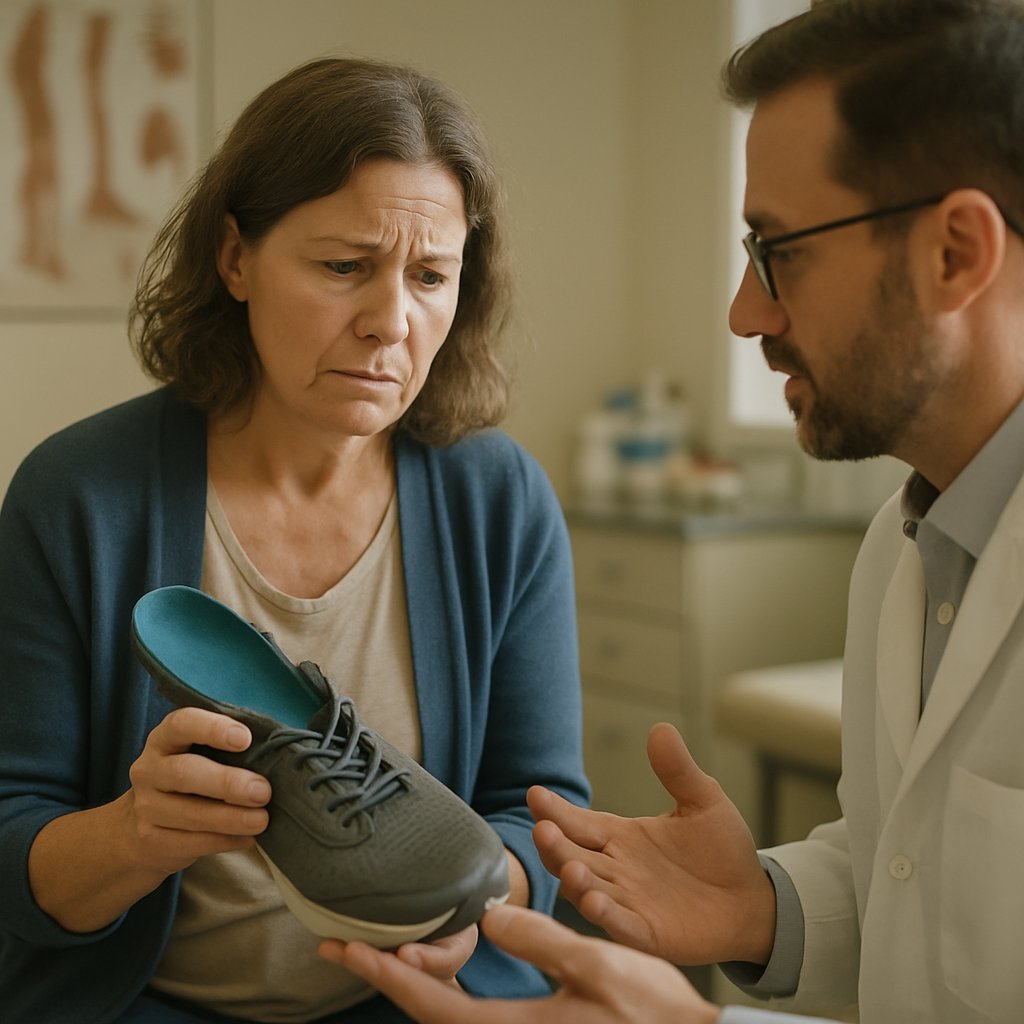
When the buzzing in my feet didn’t get better, I saw a podiatrist. After a quick look, the doctor said it was caused by "tight shoes." I bought new insoles, hoping they’d help. But instead of fading, the buzzing grew louder, like an annoying hum that wouldn’t stop. The smell of fresh leather shoes in my closet became a reminder of a treatment that wasn’t working. I kept wondering if someone was missing something important, as the symptoms only got worse despite my efforts.
3 a.m. Heart-Pounding Episodes
Heart-pounding episodes started waking me up around 3 a.m., jolting me out of sleep with a sudden rush of adrenaline. I’d lie in the dark, feeling my heart race and breathing heavily, but I convinced myself not to go to the ER. The quiet hum of the night was broken only by my rapid heartbeat. Fear crept in—not just of the symptoms, but of these moments that turned the night into a time I dreaded. I began to fear falling asleep, knowing the episodes could strike again without warning.
Cardiology Monitor Shows 'Nothing Concerning'
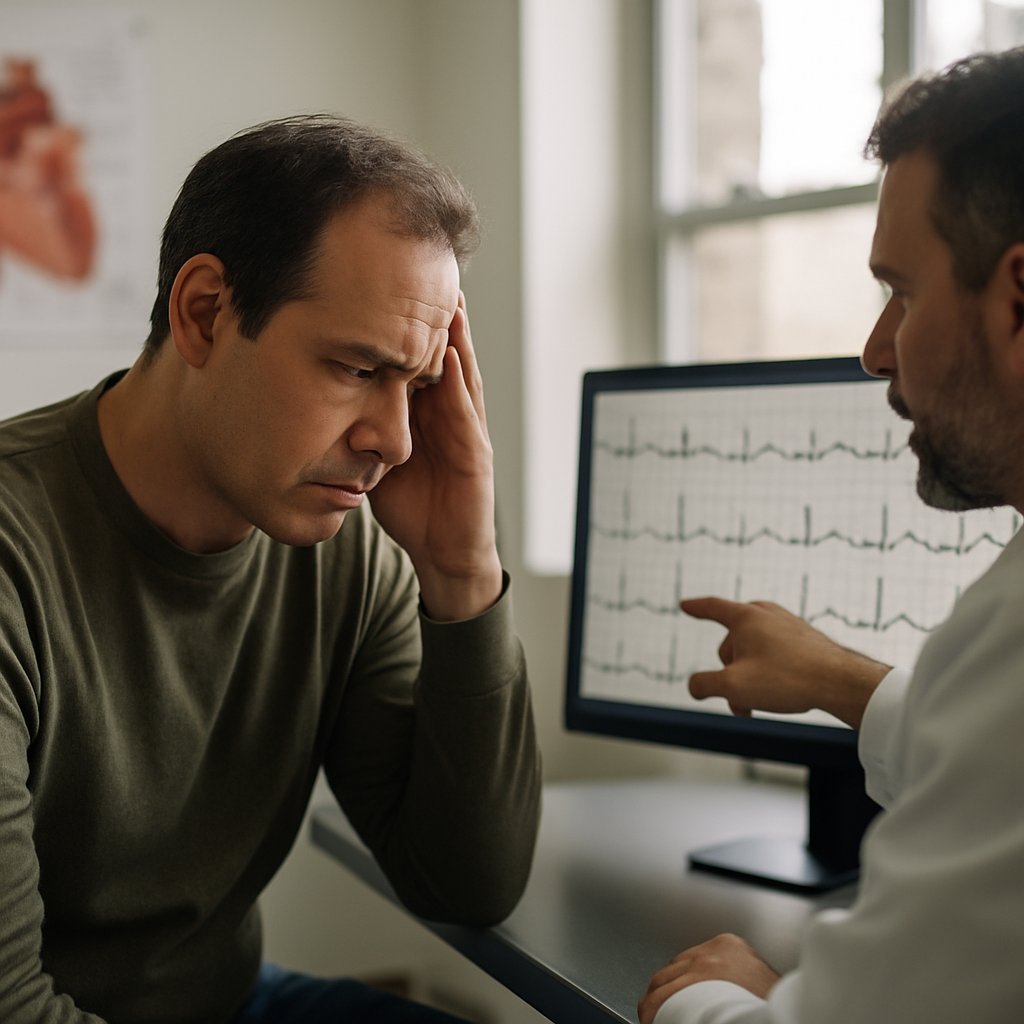
The cardiologist fitted me with a heart monitor, which recorded my heart rhythm over several days. When I returned, the doctor reviewed the results and said there was "nothing concerning." The advice was to cut caffeine, as if my habits were the problem. The clinic’s bright examination room felt cold as the words sank in. I left feeling like my symptoms were my fault, not a medical mystery to solve. The familiar hum of the clinic’s fluorescent lights seemed to mock my frustration.
Symptoms Persist Despite Changes

I cut out caffeine, sugar, and alcohol, hoping these sacrifices would finally end the crashes and dizzy spells. But weeks later, I still found myself slumping in checkout lines, the same overwhelming fatigue washing over me. The harsh lighting of the store seemed even brighter now, and no amount of self-discipline could push it away. The empty grocery cart stood still while I leaned on it, feeling defeated. It was clear this wasn’t about willpower, but something far deeper I still hadn’t uncovered.
An MRI Ordered For Reassurance
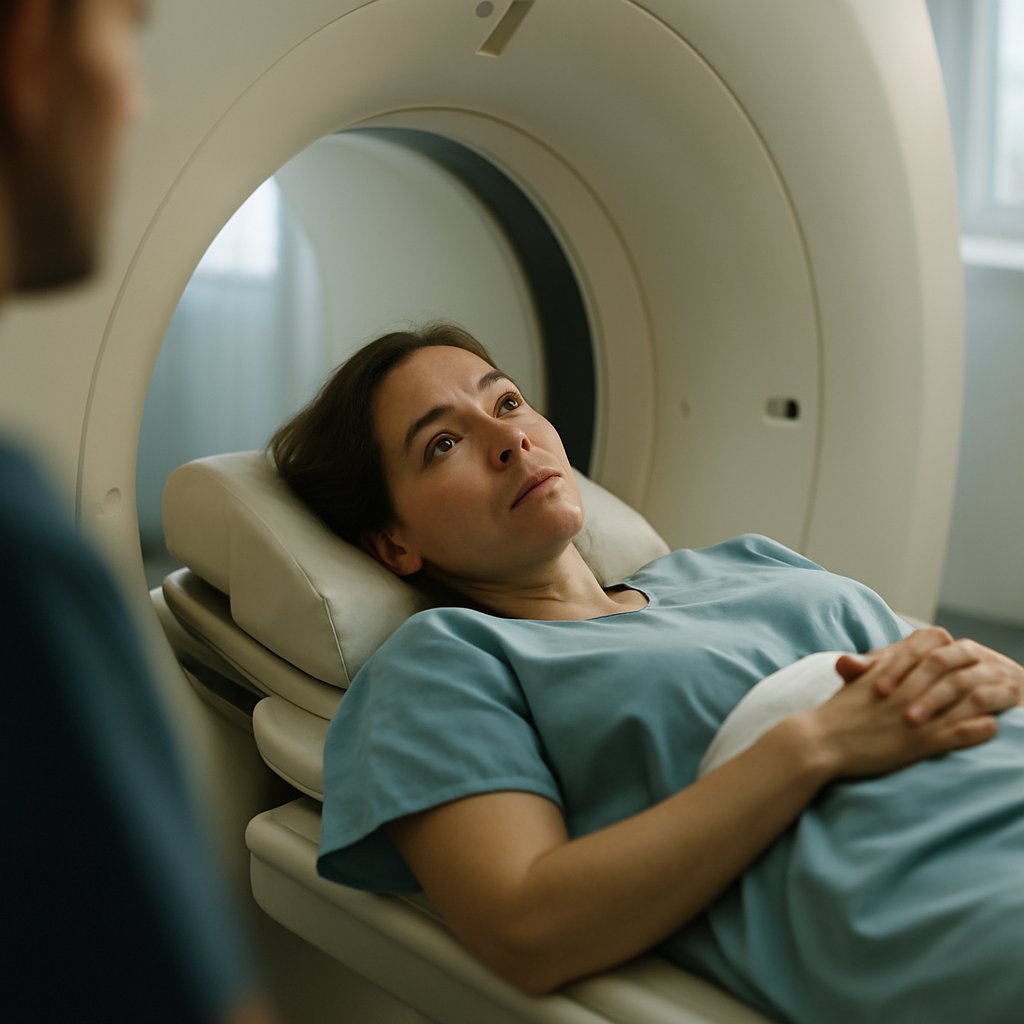
The neurologist said, "We’ll do an MRI just to be sure." The phrase stuck with me—"just to be sure." Lying on the cold, narrow table, I focused on the steady thumping noise filling my ears. The machine’s vibrations felt oddly calming amid the uncertainty. Hours later, the results came back normal. The neurologist smiled and recommended stress management techniques. "It could all be related to anxiety," he said gently. I left feeling dismissed but clinging to the suggestion. I started meditation apps and cut back on caffeine. Yet, the buzzing in my feet persisted, the world still tilted under fluorescent lights, and my heart sometimes raced without warning. The hope that the MRI might reveal something faded into an uncomfortable acceptance that maybe my body was just reacting to stress after all. But deep down, I wondered: why did these symptom triggers persist even after lifestyle changes? Was there something the MRI missed, or was I chasing shadows? The emptiness of the neurologist's reassurance lingered as I tried to convince myself to relax, though my body told a different story.
Physical Therapy Blamed My Neck
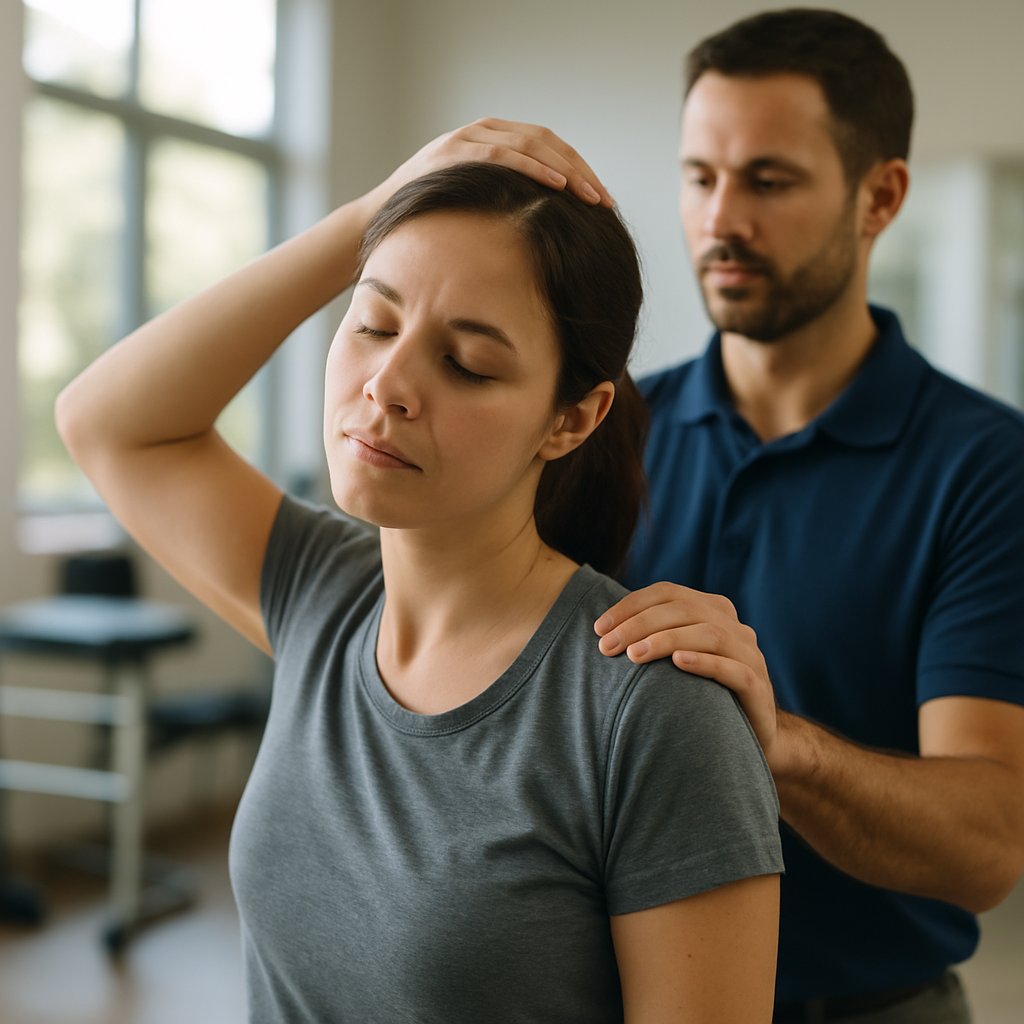
The physical therapist examined my neck, pressing and stretching muscles with careful hands. "Your neck is tight," she said. "That could explain some of your dizziness and imbalance." I nodded and committed to the exercises she prescribed. Each day, I followed the routine faithfully, feeling the gentle pull of muscles stretch and release. Still, under the harsh glare of fluorescent lights at work, the world spun slightly. My vision blurred briefly, and the buzzing in my feet didn’t ease. The waiting room had a faint smell of disinfectant and rubber mats, a sterile reminder of the ongoing effort to find relief. Despite the therapy, the symptoms stubbornly lingered, as if unaffected by the stretches meant to soothe them. I started to question if tight neck muscles were the full story or just another piece of a puzzle I couldn’t yet see. How could exercises relieve physical tension but not the light sensitivity or sudden heart racing that caught me off guard throughout the day? The disconnect grew, and the uncertainty settled in deeper than before.
Mistakes At Work Shook My Confidence
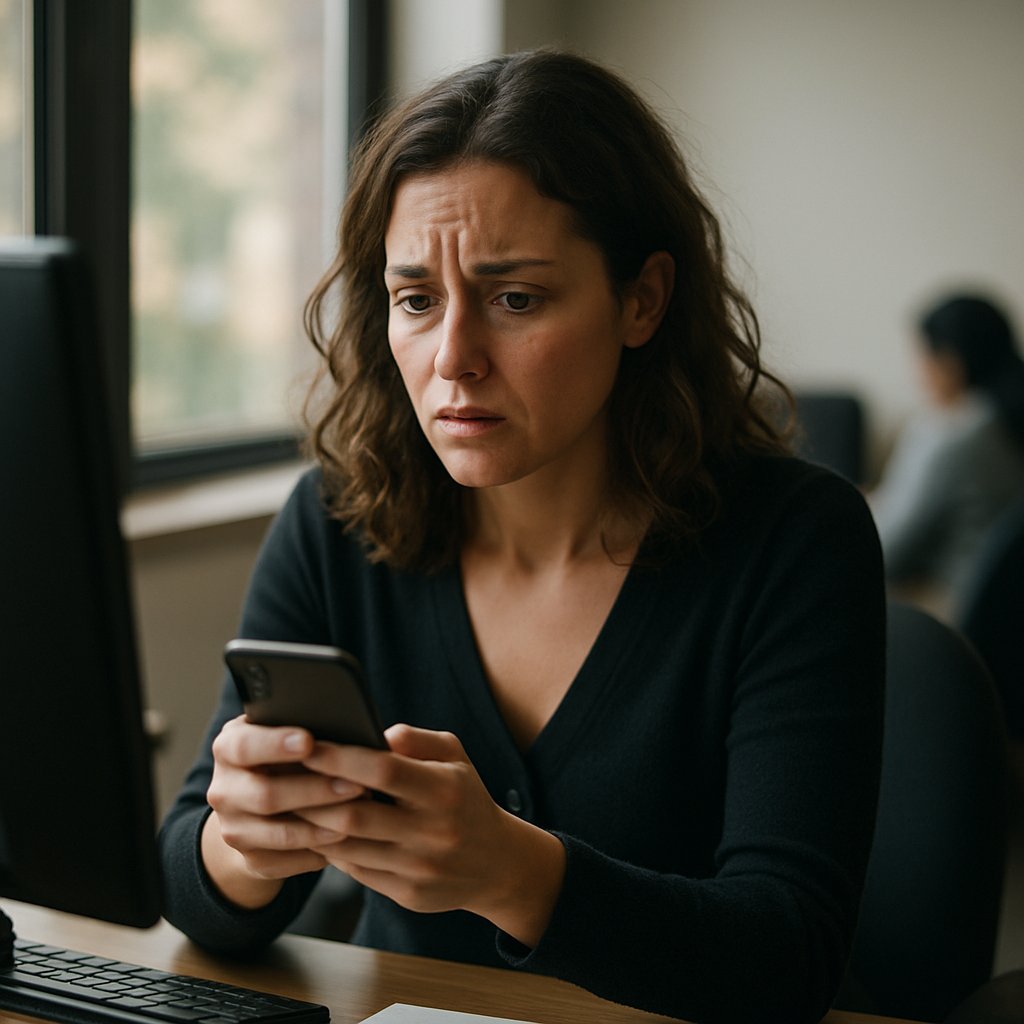
One afternoon, as I sifted through emails, I confused appointment dates and sent the wrong information to a client. It was uncharacteristic—small errors, but they piled up. Routine phone calls required extra concentration; names and numbers slipped through my mental grasp. Each mistake chipped away at my confidence. At lunch, I caught my reflection in the cafeteria window and barely recognized the distracted woman staring back. The buzzing in my feet, the dizziness, the racing heart—it was all shifting from just symptoms to something more personal. Who was I if my mind couldn’t keep pace with my tasks? The fluorescent lights overhead were harsh, flickering slightly, mirroring the instability I felt inside. My coworkers noticed, too. I smiled through the worry, but inside, I wrestled with fear. Was my identity unraveling with these unexplained lapses? I wondered if these changes were permanent or if they would fade. It felt like a crossing point, a slow unraveling that may or may not stop. The weight of uncertain cognition pressed heavily, and I didn't know where to turn next.
Uneven Pupils In The Light
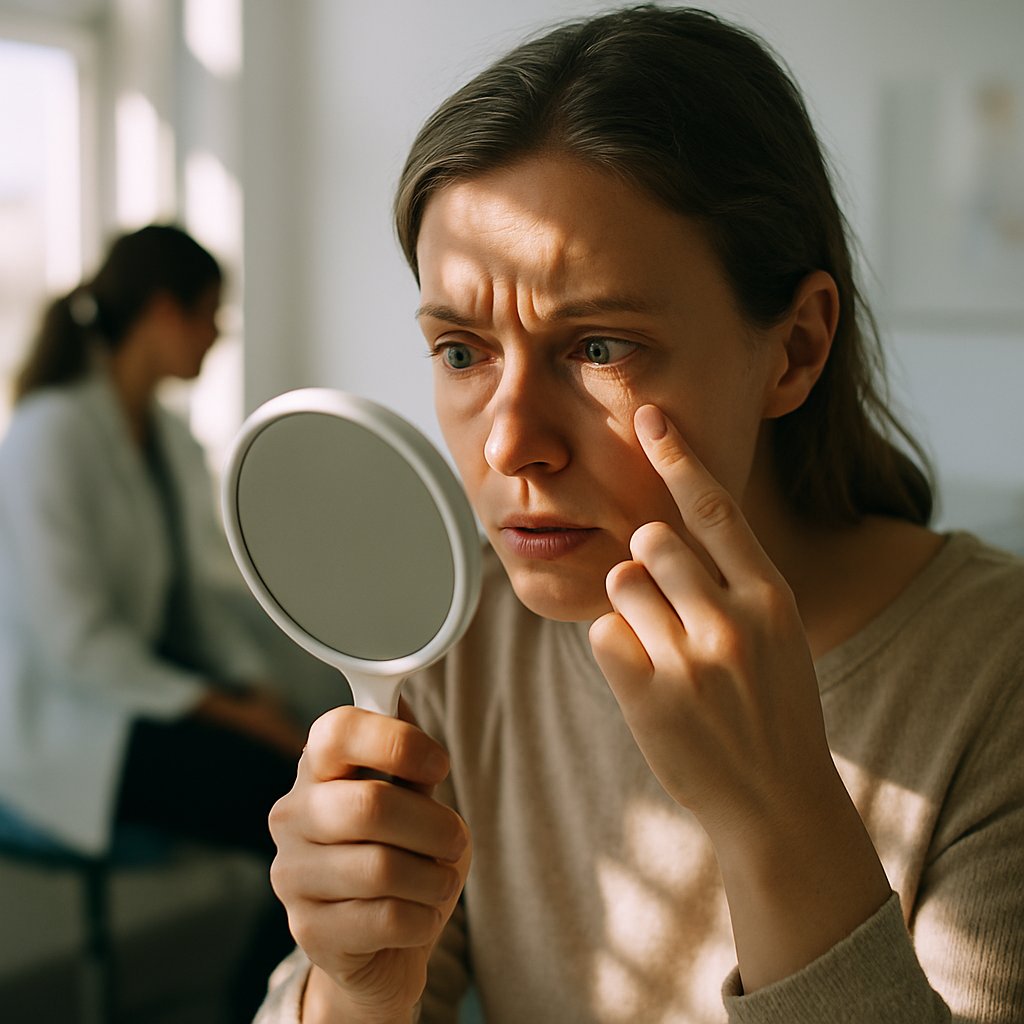
One afternoon, while sitting by a window, I noticed something odd in the mirror. One of my pupils looked slightly larger than the other, but only when the sunlight hit my eyes just right. I blinked and checked again. It wasn’t consistent, but it was enough to make me pause.
I mentioned this at my next eye exam, hoping for answers. The ophthalmologist was thorough, shining lights, pulling a big machine close to my face, and checking eye movements. But everything came back perfectly normal. No sign of uneven pupils or any eye-related issue.
I left the office feeling confused, doubting my own eyes. Was I imagining it? Or was it something subtle that every professional was missing? This small, flickering detail unsettled me in a way the other symptoms hadn’t.
Lost In Online Symptom Groups
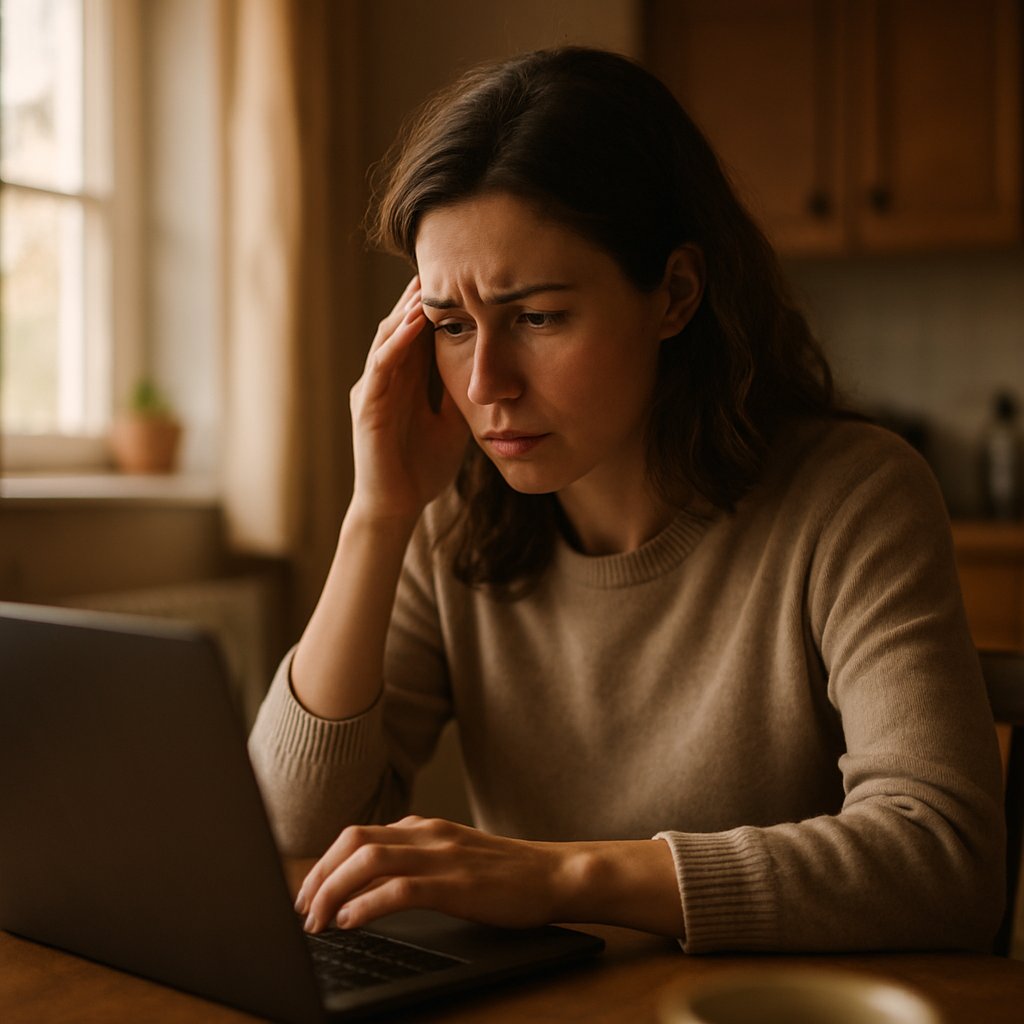
Feeling isolated, I turned to an online support group filled with others experiencing unexplained symptoms. Joining the chat felt hopeful at first—people describing the weird sensations I'd felt seemed reassuring. But soon, the threads were filled with frightening possibilities I’d never considered.
Stories of serious illnesses, rare diagnoses, and worst-case scenarios spiraled endlessly. The flood of information overwhelmed me. I closed my laptop, heart pounding, unsure if I had found a source of support or a well of anxiety.
There was no clear path in these pages, just fear dressed up as information. I logged off, left with a heavy sense of uncertainty and no new clues to help me understand what was happening to my body.
Emergency Room Visit Again

One afternoon, a sudden episode hit me hard. My heart raced uncontrollably, and I felt dizzy and flushed. My spouse insisted we go to the emergency room. At the hospital, nurses and doctors ran tests—EKG, blood work, everything.
The results were called "reassuring," and after a few hours, they discharged me with instructions to follow up with my primary doctor. It was like hitting a reset button, the medical staff nodding but seeing nothing urgent. Another expensive visit, and back to square one.
As we left, I felt both relief and frustration. The symptoms were real, but the ER seemed unable to capture their meaning. Would the next visit offer answers or just more waiting?
Piece By Piece, Building The Timeline
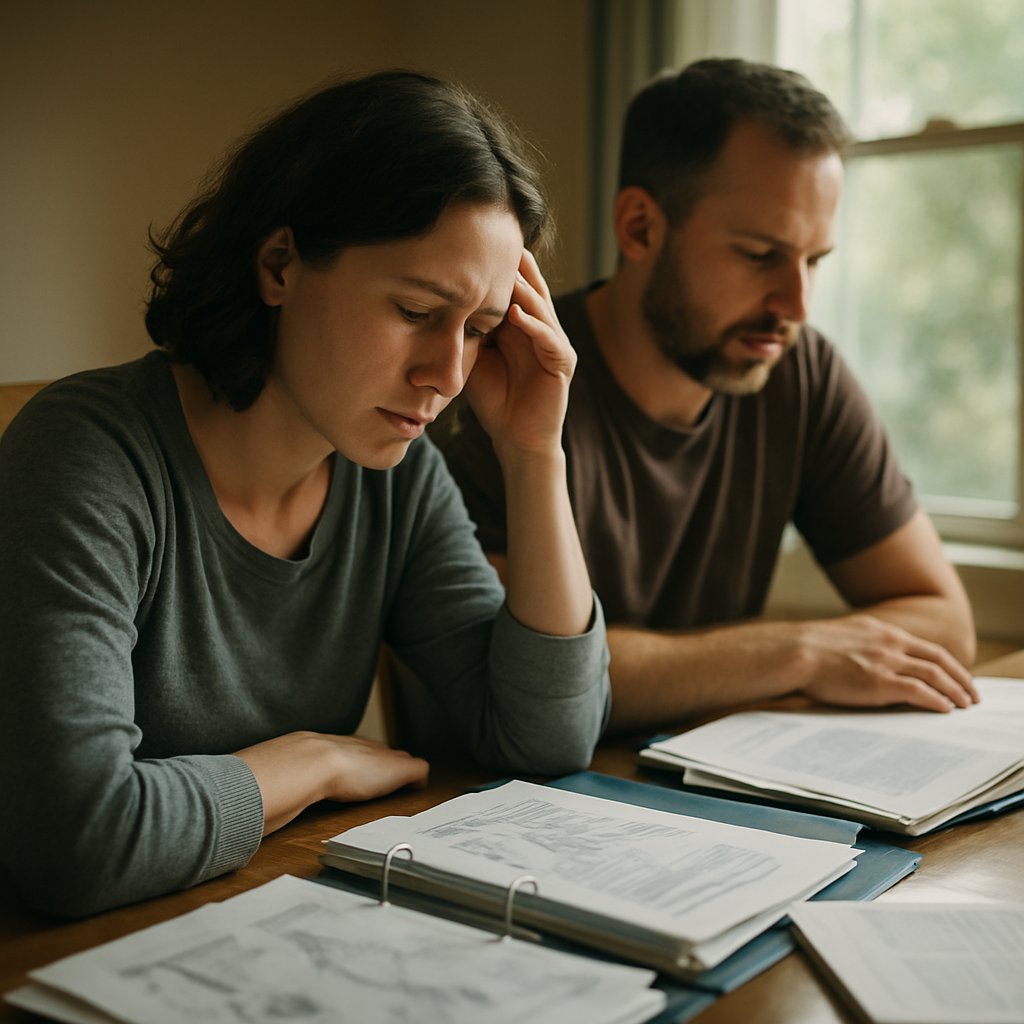
We decided to take matters into our own hands. Gathering records from every doctor, every ER visit, and every lab test, we started building a binder. It was thick and disorganized, but it was the only way to see the whole picture.
One thing became clear: no single provider had ever reviewed all my appointments together. Each saw a fragment—a test here, a symptom there—but never the full timeline of my health unraveling.
Holding the binder in my hands, I realized the missing link might be in how these pieces fit. But what would we find when we finally looked at the entire story?
Life Shrinks Around The Heat
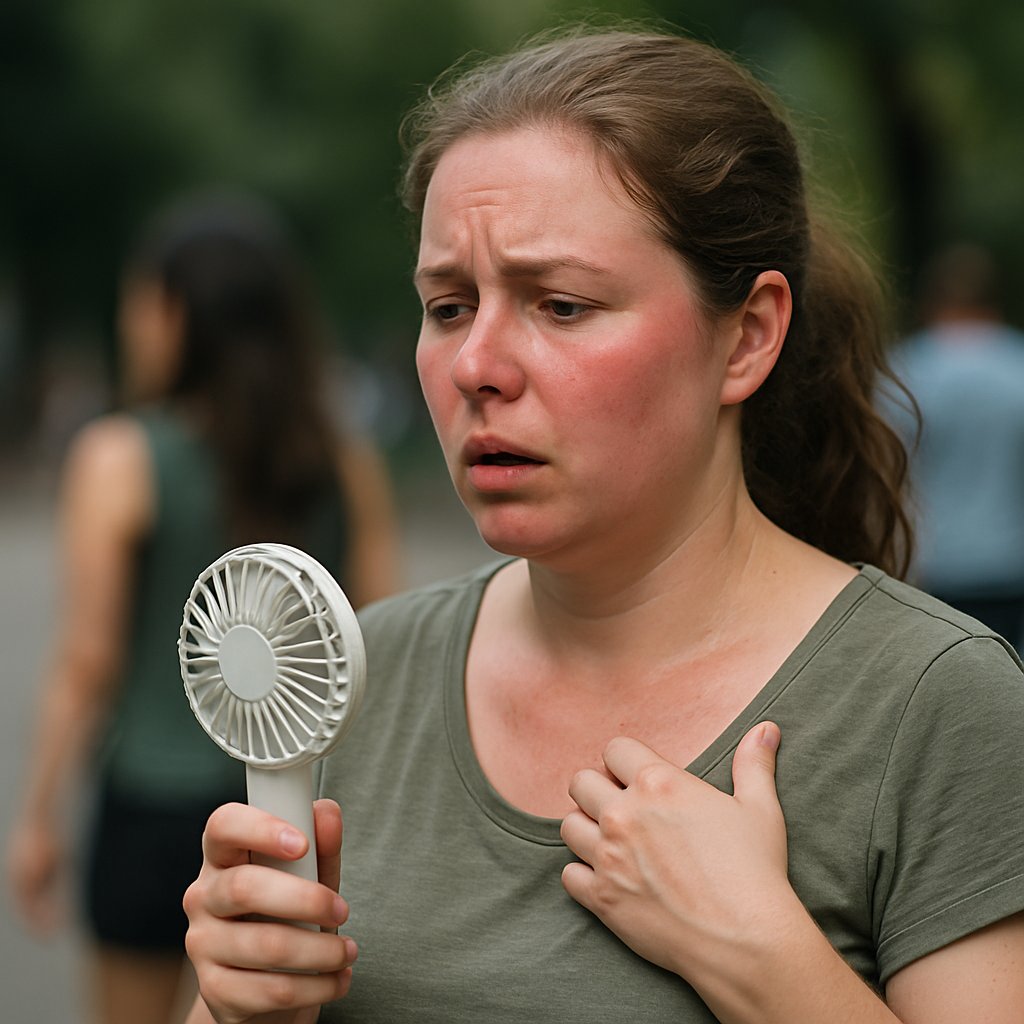
The summer heat became my enemy. My body’s intolerance to warmth grew worse each week. Standing in line, walking short distances—each left me flushed and dizzy.
I started carrying a small, battery-operated fan everywhere. The soft hum against my skin became a small comfort in a world that felt too hot and heavy. I avoided crowds and long outdoor walks. My life was shrinking around my need to control temperature and my ability to stand without feeling faint.
The fan’s persistent breeze was a strange new normal, but I dreaded the days when it wasn’t enough. What was causing this heat sensitivity, and how long would it confine me?
The Nurse Who Paused

At a routine clinic check-in, the nurse greeted me with a smile but noticed something different. After taking my blood pressure and heart rate while sitting, she asked if I could stand for another reading.
As I stood, she measured again, her expression shifting to quiet concentration. Then she looked up, softly asking, "Does this happen a lot?" Her eyes met mine with a seriousness I hadn’t seen before.
It was the first time someone seemed to connect the dots, acknowledging what I’d struggled to explain. But her pause left me wondering—what might she have seen in those numbers?