




First Unexplained Skin Reaction

It was after dinner when I noticed the itching. My forearms started to feel tight and irritated, almost as if tiny bugs were crawling under the skin. When I looked in the mirror, red welts had appeared, raised and angry-looking. This was the first time I felt like I might be having an allergy, but it only happened here, in our house. The kitchen had the faint smell of the stew we’d eaten, and the evening light filtered through the curtains as I sat on the couch, trying to make sense of the sensation. My spouse watched me closely, worry creeping into their expression as they asked if I needed anything. I wasn’t sure myself. The welts were uncomfortable but not unbearable, and they seemed to fade as I moved away from the living room. Still, the question lingered: why just here?
Waking Up In Panic
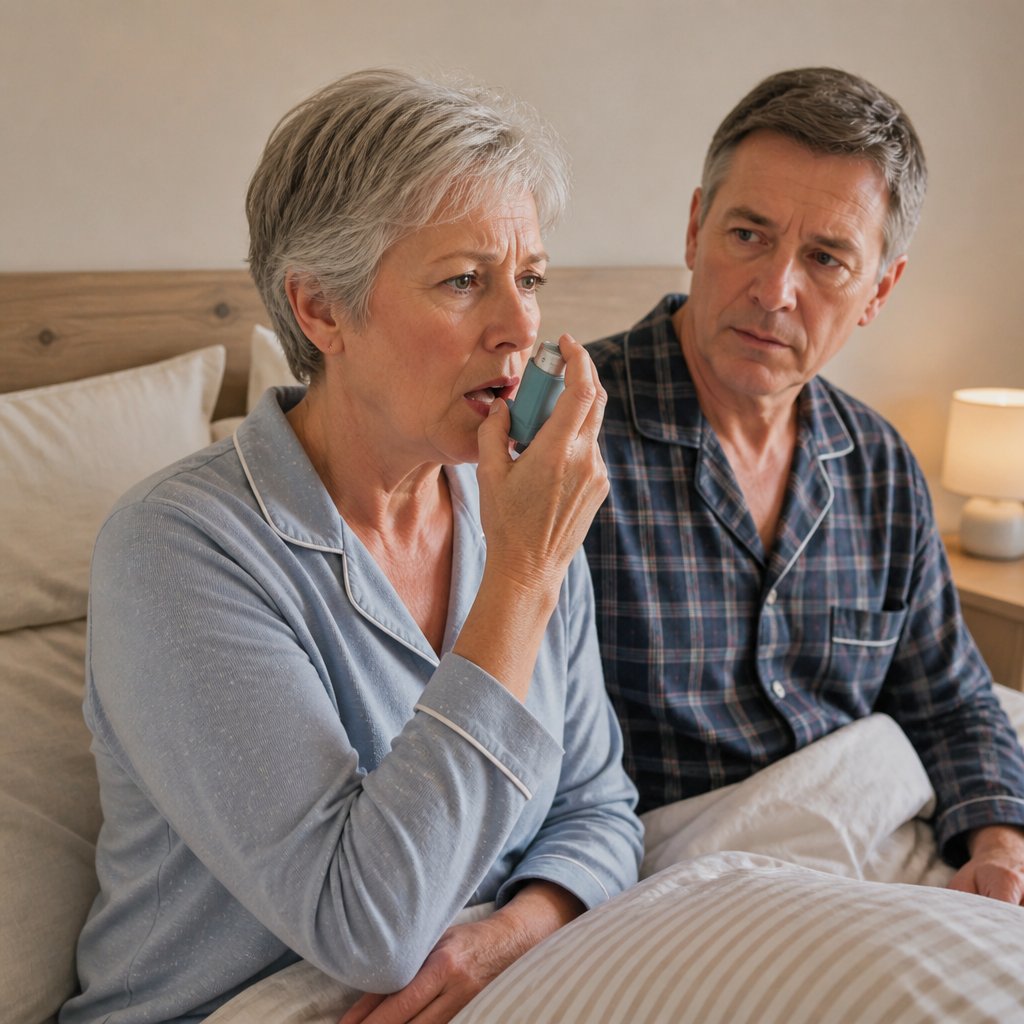
The clock read 2 a.m. when I suddenly woke up coughing. My throat felt tight, like someone had wrapped a thin band around it. I gasped for air, heart pounding against my chest. The metallic taste I noticed made me stop and try to steady my breath. I grabbed the rescue inhaler from the nightstand and pressed it once, hoping it would ease the tightness. It helped a little, but the cough lingered, dry and relentless. My spouse stirred beside me, their voice calm but worried as they asked if I was okay. I nodded, trying to hide the fear creeping up inside. The room was quiet but thick with tension, the only sound my uneven breathing. This episode was different — more intense — and it left me wondering what had triggered it this time.
Changing Laundry, Same Itch

Thinking it might be the detergent, I switched to a fragrance-free soap and rewashed all our clothes and linens. The fresh scent of clean cotton replaced the usual smell in the laundry room, and I felt hopeful. I even changed my bar soap to an unscented one, watching carefully as I showered. But the next night, the hives were back. They spread across my arms again, stubborn and itchy, making me question if I’d missed something. The relief I’d hoped for never came. My spouse sat nearby, quietly folding clothes, their brow furrowed as they noticed my discomfort. The simple fix I’d counted on felt wrong now, like the allergy wasn’t about soaps at all. The room smelled faintly of laundry detergent, but the red marks didn’t care.
Doctor Suggests Stress And Sleep

During my annual physical, the doctor took my blood pressure and noted it was a bit higher than usual. She mentioned that stress and poor sleep could be contributing factors, suggesting I try to relax more and get better rest. Her tone was gentle but firm, as if to gently remind me that sometimes symptoms come from mental strain rather than physical illness. My spouse sat in the waiting room, glancing up as I talked to the nurse afterwards, a hint of worry on their face. The clinic smelled faintly of antiseptic, and the waiting room chatter was low and routine. Her suggestion planted a seed of doubt in my mind — was I overreacting? Were these episodes just my body’s way of telling me to slow down? The question hung there, unresolved and uncomfortable.
Metallic Taste Changes The Story

One night, during another episode, I noticed something new: a strange metallic taste in my mouth. It was faint but unmistakable, like licking a coin. It lingered as my throat tightened and my heart raced, making the symptoms feel less like asthma and more like exposure to something unfamiliar. I couldn’t identify the smell or source, but the sensation unsettled me. My spouse held my hand, their fingers cool and steady, as I tried to breathe through the discomfort. The bedroom felt stifling, the quiet almost oppressive. This metallic taste was unlike anything I’d experienced before, marking a shift in how I understood these episodes. It wasn’t just a breathing problem anymore; something in the air or environment was changing the game.
Warm Towels, Burning Eyes

One evening, after a long day, I pulled towels from the dryer. They were fresh and warm, the kind that feel comforting after a shower. But as I folded them, a familiar discomfort settled in. My eyes started to burn, and my tongue had an odd tingling sensation. It was subtle, different from the usual itchiness, but it was there.
This moment stuck with me. The towels, the warmth, the fabric softener scent—something about laundry seemed to trigger these strange symptoms. It was the first real clue pointing away from food or outside allergens. Could the dryer or something in the laundry routine be causing this?
I mentioned it to my spouse, who looked worried but encouraged me to note it down. It felt like a breakthrough, but also a new mystery. What exactly in the laundry was making my eyes sting and tongue tingle whenever I touched those warm towels?
Cleaning Frenzy, Same Night Wheezing

After the laundry clue, we went into overdrive. We dusted every surface, vacuumed carpets meticulously, and deep-cleaned the floors. I even wiped down vents and changed air filters. The house smelled fresh and clean, a sharp contrast to the stale feeling it had held.
That night, despite our efforts, I woke up wheezing. The familiar tightness in my chest returned with a cough that rattled in my throat. It was frustrating to realize that even with the house scrubbed spotless, the symptoms didn’t go away.
We sat awake for a while, both worried and frustrated. The notion that a dirty house was the sole cause no longer made sense. Something else was at play, lurking beyond dust and grime.
Air Duct Cleaning Then Setback
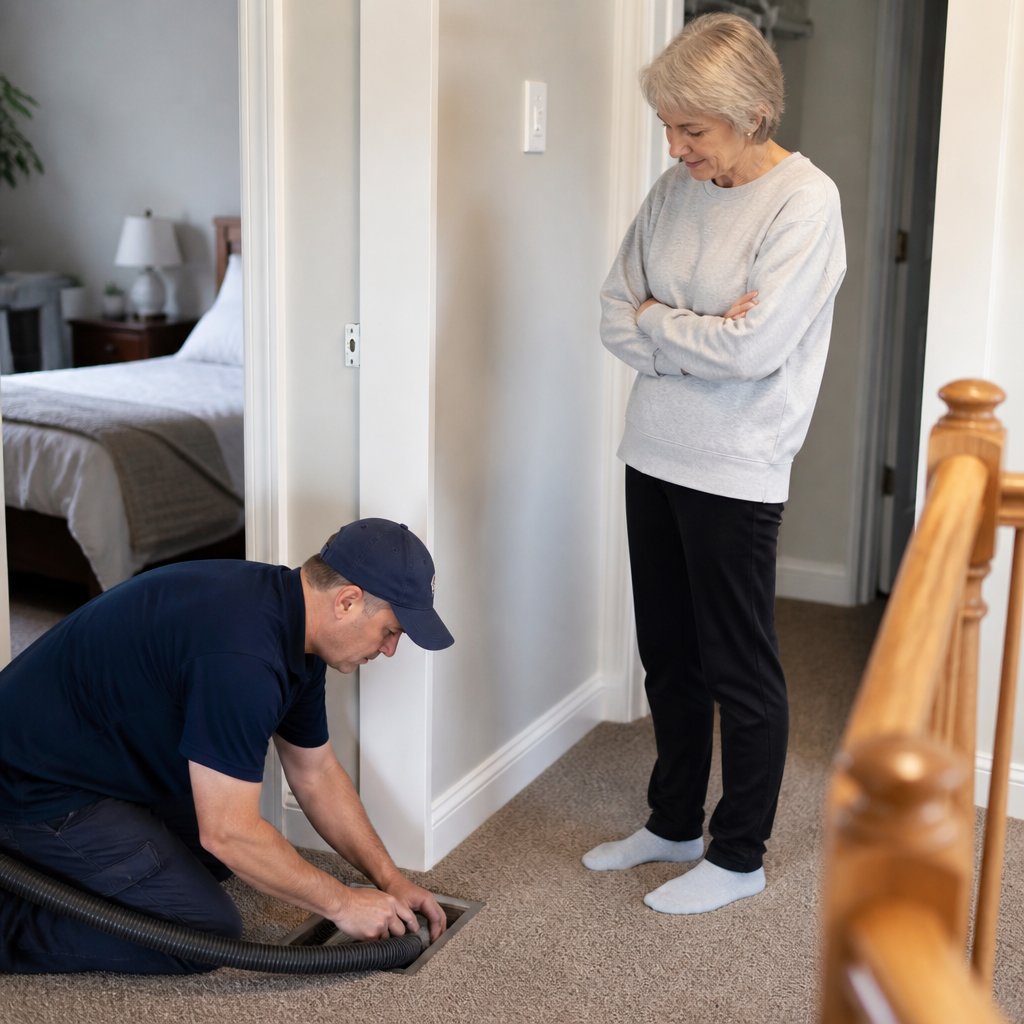
We called a professional to clean the air ducts. The crew spent hours vacuuming out dust and debris from the vents and pipes. For the first two nights after, I noticed something different—I slept longer and woke with less tightness in my chest.
But then, just as I started to hope, the symptoms came back, stronger than before. It felt like something was being stirred up in the ducts, disturbed and making its way back into the air I breathed.
I told my spouse that it was as if the cleaning had released hidden irritants rather than removed them. We didn’t know what to think—were we chasing a ghost, or was this a sign we were close to finding the cause?
Emergency Room Visit Surprise

One evening, after dinner, I felt lightheaded and noticed my heart racing. The metallic taste returned, sharp and unmistakable. My spouse insisted I go to the emergency room. At the hospital, the staff took my vitals, ran an EKG, and drew blood for basic labs.
All the tests came back normal. No signs of heart issues, no obvious allergies. The doctor shrugged and sent me home with advice to follow up with my primary care physician.
I lay in bed that night, feeling as puzzled as before. If nothing showed up on the tests, what was causing these unsettling episodes? The unknown hung over us like a cloud.
A Nurse’s Question Sparks Memory

During a follow-up visit, a nurse casually asked if we had done any home renovations recently. At first, I didn’t see the connection. Then it hit me—we had installed a new high-efficiency furnace only a few months before my symptoms began.
I mentioned it, and the nurse nodded thoughtfully. She said sometimes new heating systems can circulate irritants or cause air quality issues if not set up right.
This was the first time someone had connected my episodes to our home’s mechanical systems. It felt like a thread to pull at, even if I wasn’t sure where it would lead.
Episodes Spark When Air Moves

At first, I hadn’t connected the dots. But then I noticed a pattern: every time I stirred up the air in the house, the episodes would start. Vacuuming the carpet, moving boxes in the basement, even folding laundry triggered that familiar itch and tightness. It was as if something invisible was lurking in the dust or fumes, waiting to be kicked up.
One evening, while dragging the vacuum cleaner across the living room floor, I felt the metallic taste creep back into my mouth before the coughing began. My spouse watched me carefully from the couch, concern clear in his eyes. The hum of the vacuum filled the quiet room as I tried to steady my breathing, wondering what dust or chemical I was dragging into the air.
Why was this only happening when I disturbed the environment? It felt like the house was hiding its secret, only revealing the problem when the air moved. That realization made the episodes feel less random, but the source was still elusive.
Lessons From Environmental Medicine

Seeking fresh insights, we turned to an environmental medicine specialist. The doctor listened carefully, asking about when symptoms appeared and the airflow in the house. It was a different approach than the usual allergy tests or heart checks.
She explained that negative allergy results don’t mean there aren’t irritants or intermittent exposures to harmful substances. Timing mattered — sometimes, the triggers only appeared under certain conditions, like when air was moving through specific vents.
We sat in the small, tidy exam room as she sketched diagrams of airflow, vents, and possible leaks. The quiet ticking of a wall clock filled the space while I absorbed that my symptoms could be linked to something I’d overlooked — the very air moving through our home’s systems.
It felt like a new path was opening, but the exact cause remained a mystery. How could I track a problem that showed only sometimes, and only when the air shifted?
Charting The Furnace’s Rhythm

I began jotting down every time the furnace kicked on and off alongside each symptom. It was tedious, but I wanted to see if the episodes lined up with the HVAC run-times. Each day, I carried a small notebook around the house, marking furnace activity and any signs of throat tightness or cough.
Some nights, the furnace hummed softly for long stretches before an episode began. Other times, symptoms flared quickly with a short burst of HVAC activity. The routine felt oddly mechanical, like a puzzle with missing pieces.
One evening, the notebook in my lap was open to a page crowded with times and notes. The faint scent of worn paper mixed with the smell of my damp laundry nearby. My spouse glanced over my shoulder, eyes searching for clarity in the scribbles.
Yet, despite the overlap between furnace cycles and symptoms, the exact source of the problem remained just out of reach. What was the furnace pulling into the house that triggered these reactions?
The Furnace’s Unpredictable Backdraft
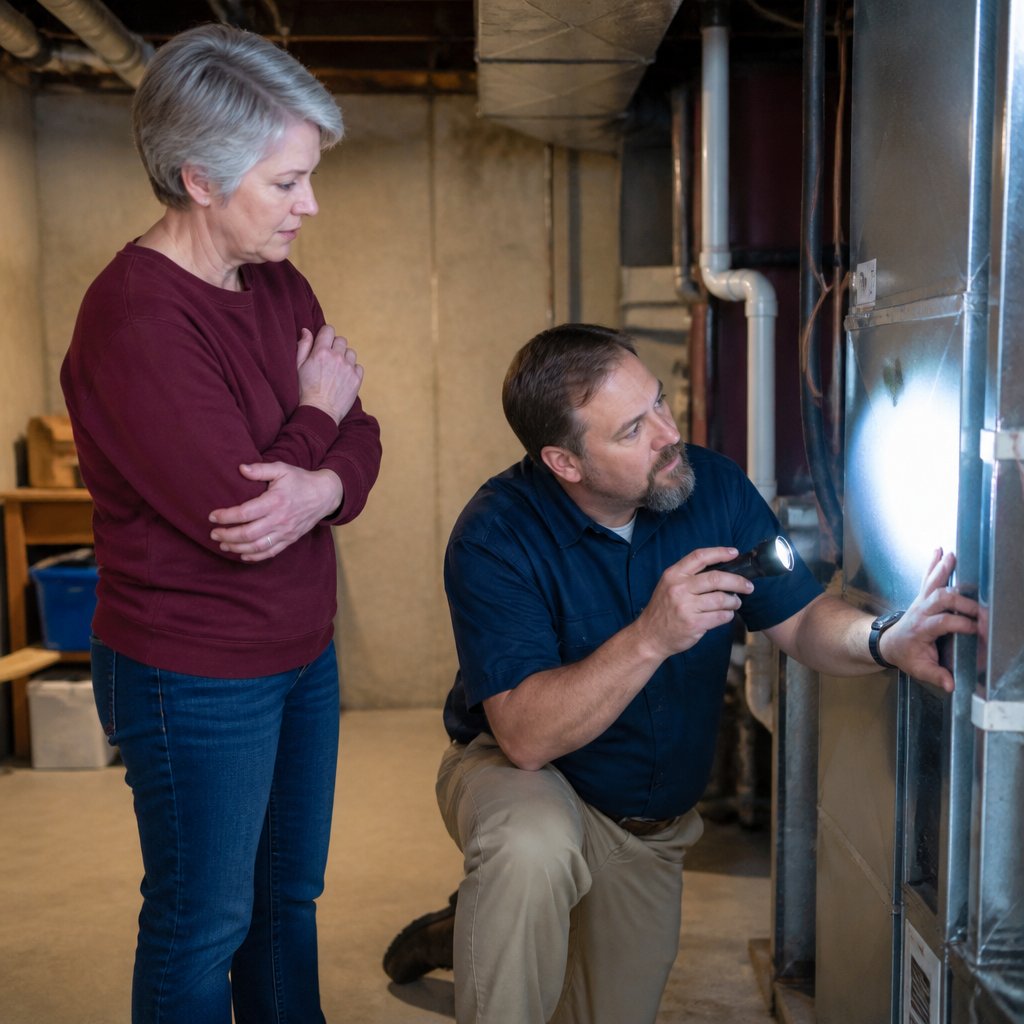
A furnace technician came to inspect the system, hoping to find what we missed. He checked the vents, the flue, and the air returns. After a thorough look, he mentioned something unsettling: the furnace could backdraft, pulling air back into the house instead of venting it out.
But there was a catch. It happened only under certain conditions — a particular combination of pressure and airflow that didn’t show up consistently. He ran tests and explained how one moment the system seemed fine, and the next, it could fail.
We stood in the cramped basement utility room surrounded by pipes and ductwork. The technician’s hands traced along the metal ducts. The faint smell of oil and dust filled the air as he adjusted a panel, showing how the furnace might suck in unwanted air from outside or the basement.
This irregular backdraft could explain the intermittent symptoms, but tracking it down would be a challenge. What conditions triggered the furnace’s dangerous pull, and what was it drawing inside?