



The Contact Named Vendor
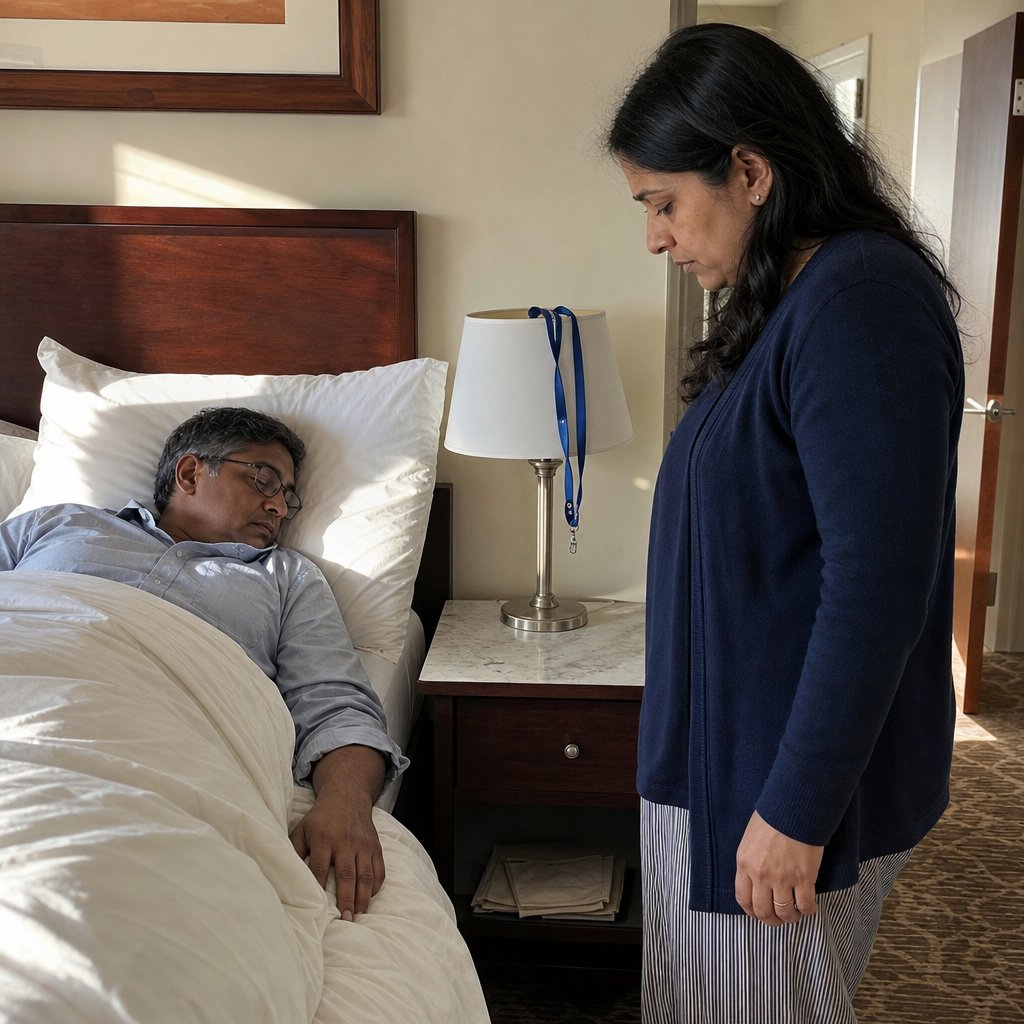
My stomach dropped so hard I actually grabbed the nightstand like it could keep me upright.
Jonah’s phone was face-up on the quilt, still warm from his hand, and the lock screen lit itself like it was proud of what it had to say. The name at the top was so bland it felt intentional: Vendor. The preview underneath was worse—casual, practiced, like a drill.
“Cal’s outside. Don’t open until she’s asleep.”
I read it twice, then a third time, because my brain kept trying to turn it into something else. A delivery. A joke. Anything that didn’t sound like my senior leader—Cal Whitaker, with his trimmed beard and those too-white teeth—lurking outside a door while someone waited for me to pass out.
Jonah snored softly in the other bed, retreat lanyard tossed over the lamp like a dead ribbon. Fifty-eight, gray-streaked hair, glasses he only wore when he wanted to look gentle. My “work husband.” The man who always walked me to my car after late project nights like it was chivalry, not surveillance.
I could smell the hotel’s citrus cleaner and last night’s whiskey on his collar when I leaned closer. My thumb hovered over the notifications, the biometric prompt waiting like a dare, and then—
the doorknob on our adjoining door twitched once, slow and testing.
That Look Inside The Budget

The conference room smelled like burnt coffee and lemon markers, the kind that squeak when you underline “VALUES” too hard. We sat in rows facing the projector, all of us pretending we hadn’t been drinking together twelve hours earlier.
Cal stood at the front, blazer crisp, beard trimmed like he’d been carved that morning. He clicked through the “Values & Vision” deck with the same voice he used in layoffs—warm, regretful, inevitable. Beside him, Tessa Bloom—new director, early 30s, sharp blonde bob, lashes like punctuation—leaned on the table as if she owned the numbers.
Then the budget slide came up. A clean bar chart, cheerful colors, the lie made pretty. Cal made some joke about “creative allocation,” and Tessa’s mouth twitched like she was trying not to laugh.
They looked at each other. Not a normal check-in glance. Not “did you cover that bullet?” It lasted a beat too long, like they were sharing a private punchline I wasn’t invited to, and it landed right in my chest.
I watched Tessa’s fingers tap twice on the table—two precise taps—while Cal’s eyes flicked to me in the second row. It wasn’t curiosity. It was measurement. Like he was taking my temperature from across the room.
Jonah sat beside me, glasses on, pen poised, the picture of supportive partnership. But his knee bumped mine under the table, a small, controlling nudge, and he didn’t look at me when he whispered, “Just… don’t make this a thing.”
Cal’s clicker paused mid-air, and his smile tightened as if he’d just remembered my name.
The Lake Walk He Pushed

After the deck review, Jonah acted like we were in a rom-com instead of a company retreat with hidden knives.
“Come on,” he said, too bright. “Let’s do a walk by the lake. Like old times.”
Old times meant late nights, takeout containers, him sending me “just checking you got home” messages that always landed five minutes after I pulled into my driveway. It meant him knowing my calendar better than I did. It meant him being there when I cried in the stairwell after I got passed over for promotion—him telling me it was politics, not personal, while his hand stayed on my shoulder a second too long.
Outside, the air was damp and cold enough to sting the inside of my nose. The lake looked calm in that smug way water gets when it’s hiding depth. Jonah walked close, elbows nearly brushing, talking about “team unity” and “resetting.”
Then his phone lit up in his palm like a flare. Same bland contact name. Vendor.
He angled it away from me too fast, but not fast enough. I caught the preview in the corner of my eye—short, efficient, disgusting in its familiarity.
“Room charge moved. Use the other card.”
My mouth went dry. Room charge. Other card. Not reimbursement language. Not a mistake. A system.
Jonah’s laugh came out wrong, like he’d stepped on a nail and tried to pretend it was a joke. “Spam,” he said, and shoved the phone into his jacket pocket so hard it made a dull thud against his ribs.
He reached for my elbow, guiding me forward like I was a client, not a colleague. Like I was a problem to be steered.
And on the path ahead, I saw Cal’s silhouette near the boathouse, standing still as if he’d been waiting for us.
The Keycard Under His Plate
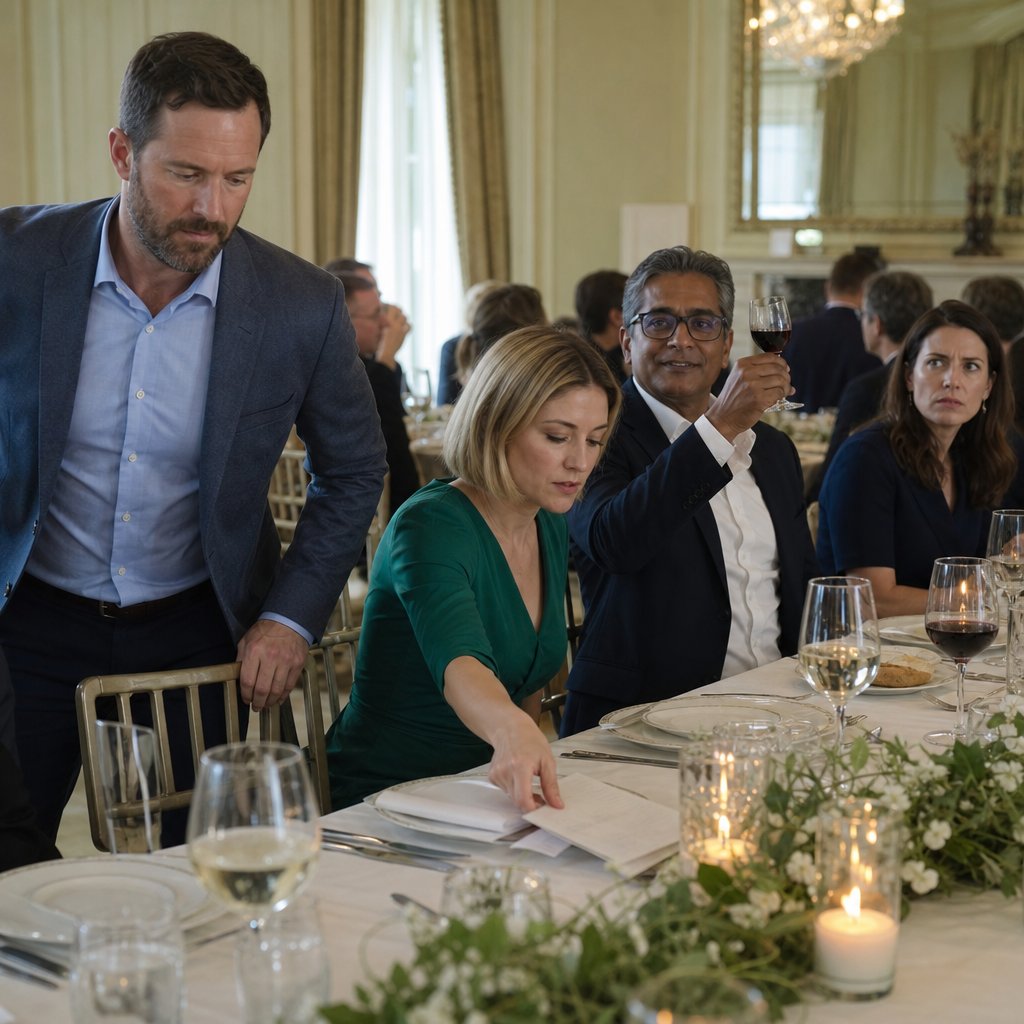
Welcome dinner was all linen napkins and forced laughter, the kind that sounds like teeth grinding if you listen closely. Someone had placed tiny votive candles along the table, and the wax smell mixed with over-sauced chicken and expensive cologne.
The CEO stood to toast “transparency,” which would’ve been funny if it hadn’t been so on the nose it felt like a threat. Glasses clinked. People smiled with their whole mouths but not their eyes.
I felt Cal watching me from two seats down. Not staring—Cal was too polished for that. Watching the way you watch a door you forgot to lock. Every time someone said “integrity,” his gaze flicked to my face like he was checking for a flinch.
Tessa sat on his other side in a sleek green dress, shoulders bare under the dining room’s chill. She leaned in when he spoke, just enough to make it look accidental. Her laugh was quiet, intimate. She didn’t once look at Jonah.
Then Cal stood to greet someone across the table. His chair scraped back, and for a split second, the underside of his place setting was exposed.
A hotel keycard—plain, white—was tucked under his napkin like a secret note in a textbook.
My brain did the inventory before my heart caught up. That wasn’t his card. Cal always carried his in his wallet, because Cal liked looking prepared. This one was placed there. Delivered.
Tessa’s fingers slid forward, quick as a pickpocket, and she covered it with her menu before anyone else could see.
Across the table, Jonah lifted his glass a little too high, like he was signaling someone.
His Toast Went Off-Script

Dessert hadn’t even landed when Jonah stood up like he’d been elected to speak.
People turned, grateful for anything to break the CEO’s “transparency” sermon. Jonah smiled—soft, familiar, the smile that had gotten him forgiven for missed deadlines and “misunderstood” emails. He adjusted his glasses with two fingers and lifted his glass toward me.
“I just want to say,” he began, voice carrying, “Mara is the most loyal person in the room.”
A few people murmured agreement because loyalty is a safe compliment. My cheeks burned anyway. Loyalty had been my leash for years.
Jonah kept going, and the warmth in his tone sharpened into something else—something that made the hairs on my arms rise. “She’s the one who stays late. She’s the one who covers. She’s the one who keeps things… stable.”
Cal’s fork paused mid-air. Tessa’s smile froze like a glitch.
Jonah leaned forward just slightly, like he was telling a joke only the table could hear. “And she knows what we did.”
The room didn’t go silent right away. It took a second for the sentence to land, for people to realize it wasn’t a metaphor. Then the clinks stopped. The CEO’s grin faltered.
I watched Cal’s face drain in real time—color sliding out of his cheeks, jaw tightening so hard I could see the muscle jump. He looked at Jonah, not at me, like Jonah had just detonated a bomb in his lap.
Jonah’s eyes found mine at last. There was panic there, yes—but underneath it, something uglier. Something satisfied.
Cal set his glass down with a careful, deliberate click, and his hand disappeared under the table like he was reaching for something.
HR Slid It Under
I barely remember leaving the dining room. I remember the carpet pattern—swirls of navy and gold—tilting under my feet like the hotel was trying to throw me off.
In my room, I shut the door and stood with my back against it, breathing like I’d run. My hands smelled faintly like lemon from the dinner napkins. I kept replaying Jonah’s sentence, the way it hit the air and stayed there: She knows what we did.
My phone buzzed twice on the dresser, face-down, like it was embarrassed to be involved. I didn’t touch it. I didn’t want any more proof that my life was being scheduled by other people.
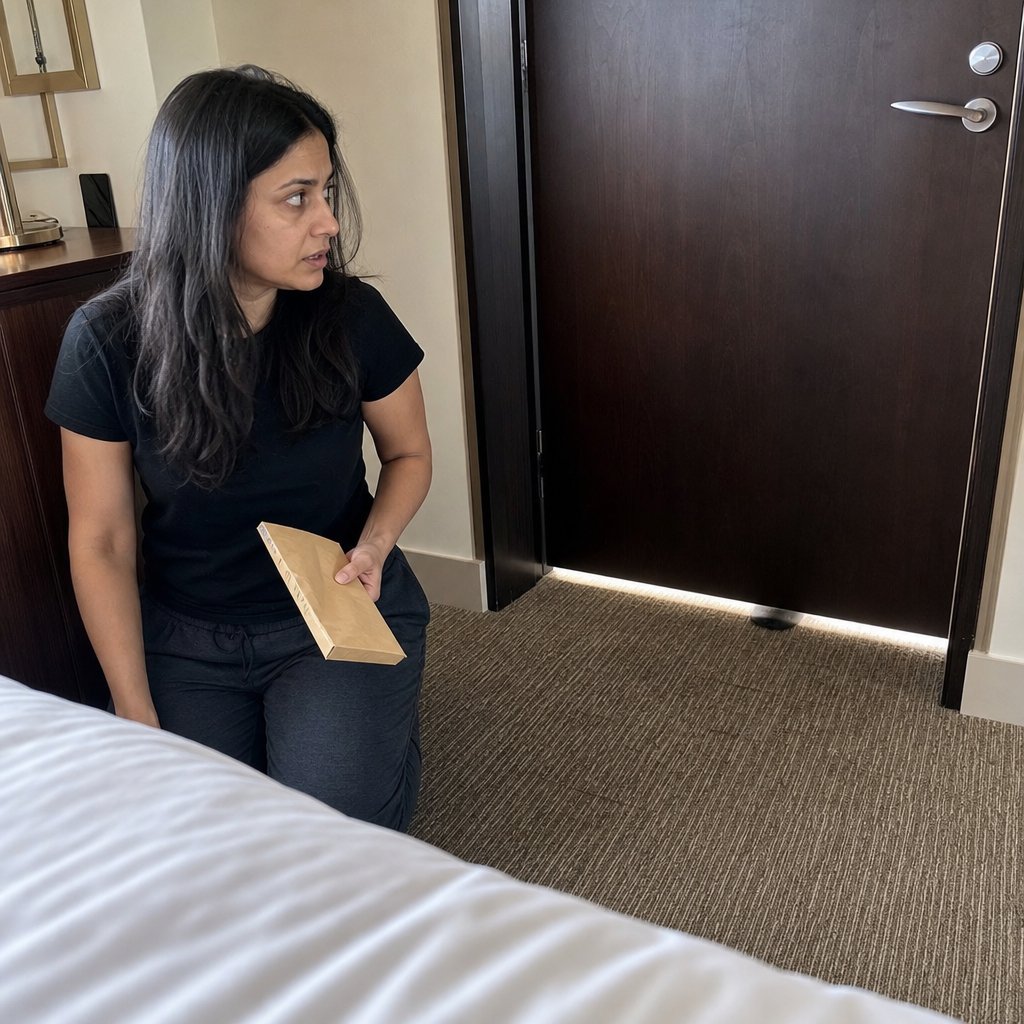
Then there was a soft scrape at the bottom of my door.
I crouched and saw the corner of an envelope being pushed through the gap, slow and deliberate, like a bribe. Whoever did it didn’t knock. They didn’t announce themselves. They just… delivered.
I pulled it out. Thick paper. Official weight. Inside was a printed meeting invite for 7:00 A.M.: “Quick Sync — HR.”
My eyes went straight to the organizer line, because I’m not naïve and I wasn’t tired enough to pretend. It wasn’t Elaine from HR. It wasn’t the CEO’s office.
It was Cal’s assistant.
HR wasn’t a resource. It was a weapon with a calendar invite.
I stared at the door seam, waiting for the footsteps to retreat, but instead—someone lingered on the other side, close enough that I could see the shadow shift under the gap.
Elaine’s Containment Questions
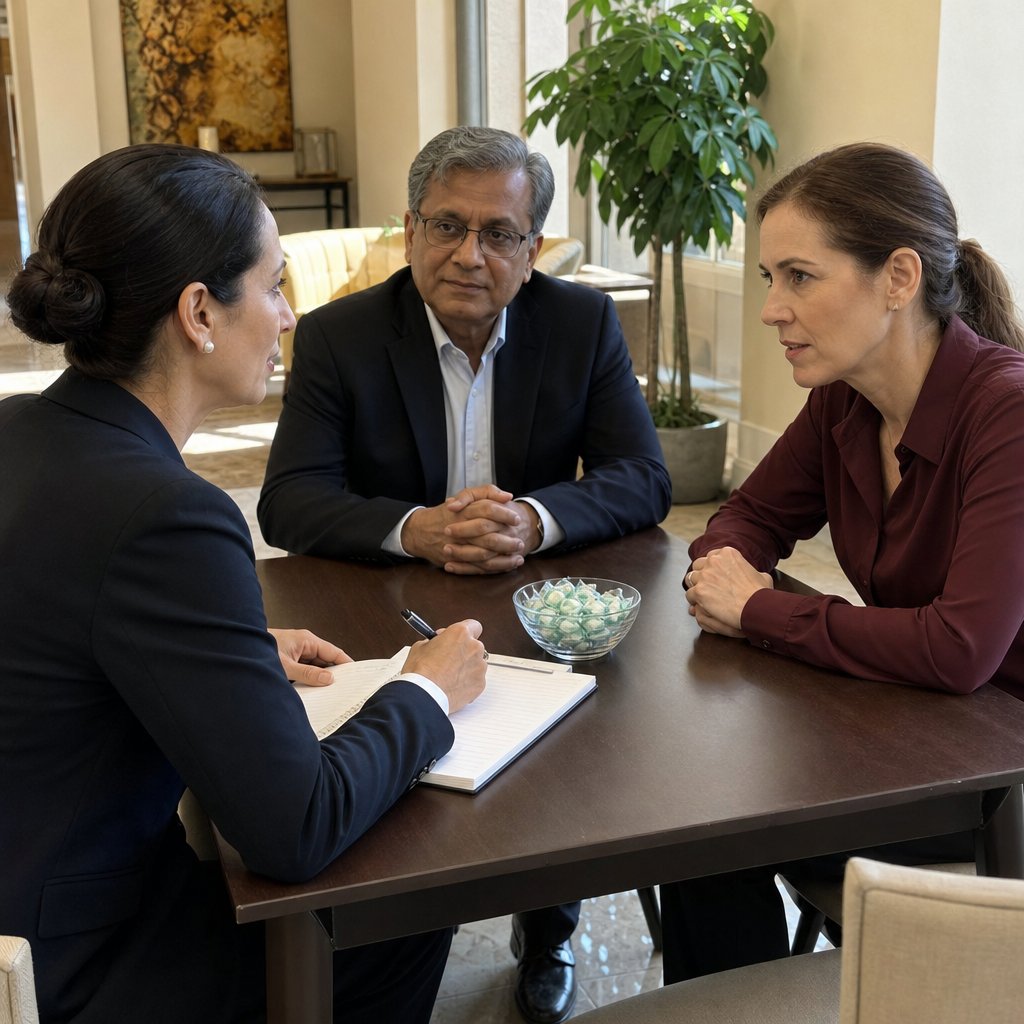
Elaine from HR chose a small meeting room off the lobby, the kind designed to feel “cozy” while you’re being dissected. The air smelled like spearmint and printer toner. A bowl of mints sat in the center like an insult.
Elaine was mid-40s, sleek dark hair in a low bun, pearl studs, posture like a locked file cabinet. She smiled the way people smile right before they ask you to ruin your own life.
“This is just a check-in,” she said, tapping her pen. “We’re concerned about… dynamics. Boundaries.”
“Between who?” I asked, even though I already knew.
Her eyes flicked to Jonah’s name on her notepad—written like a headline. “You and Jonah have been very close on projects,” she said. “Late nights. Travel. People notice.”
People. Always the invisible jury. Elaine’s voice was syrupy, but the questions were knives: Had Jonah ever made me uncomfortable? Had I ever felt pressured? Did I understand how “perception” could impact my career?
I watched her hand move across the page, jotting notes without looking up, and that’s when I saw the header at the top of her paper. Not HR letterhead. Not her name.
“Lakeview—containment plan.”
Containment. Like I was a spill. Like I was the mess, not the people moving room charges to “other cards” in the middle of the night.
My pulse thudded in my ears. I leaned forward, keeping my voice steady. “Elaine,” I said, “who told you to call it that?”
Her pen stopped. For the first time, her smile didn’t reach her eyes.
Priya’s Warning Hit Hard

I left Elaine’s meeting with my skin buzzing, like I’d been lightly electrocuted and nobody else could see the burn.
In the lobby, retreat people floated around in fleece vests and corporate cheer, clutching coffee like it was character. I walked past them like a ghost, straight to a quiet corner near the fireplace where the heat felt too dry against my face.
My phone vibrated in my pocket. Priya. The one person at work who didn’t confuse “nice” with “safe.” I flipped my phone face-down on the arm of the chair and listened to it buzz again, insisting.
Her message came through in rapid bursts—panic dressed up as professionalism. An email thread was circulating internally titled “Mara — risk.” Someone had screenshotted parts of it like they were building a case file out of gossip.
Priya added: one screenshot highlighted a reimbursement line item labeled “Lakeview vendor dinner,” with Cal’s approval initials next to it.
Vendor dinner. There it was again—Vendor—like the company had built an entire hiding place out of that one bland word. My hands went cold. The fraud wasn’t just whispers; it had documentation. And now my name was stapled to it with the word risk like I was the crime.
I looked up and saw Cal’s assistant across the lobby, standing too still near the elevators, watching me the way you watch a suitcase you’re about to claim.
She adjusted the folder in her arms and started walking toward me with purpose.
He Deleted It Mid-Sentence
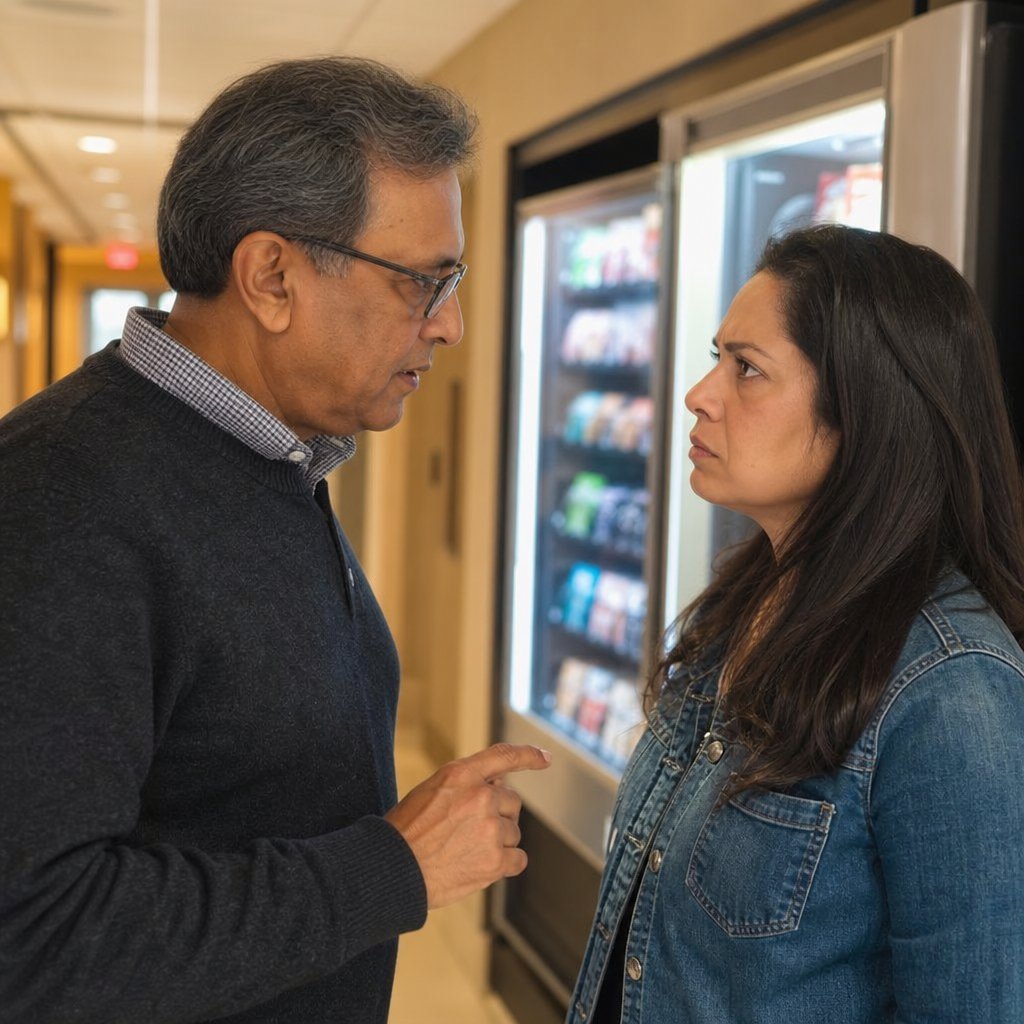
Jonah cornered me near the vending machines on the second floor, where the carpet smelled faintly like spilled soda and the hallway lights hummed like a migraine.
“Mara,” he said, breathless, like he’d been jogging to catch me. He looked older this morning—under-eye shadows, glasses smudged, hair more gray than salt-and-pepper. “About last night. I was drunk. I was trying to—”
“Trying to what?” I asked. My voice came out flatter than I felt. “Warn me? Threaten me? Entertain Cal?”
He flinched at Cal’s name. That told me everything.
Jonah lifted his phone between us, screen angled away on instinct, like a habit he’d practiced. “There’s nothing,” he insisted. “You’re spiraling.”
And then I saw his thumb move—fast, surgical. Delete. Confirm. Delete again. His jaw worked like he was chewing glass.
“Jonah,” I said quietly, “what are you deleting?”
He shook his head, too hard. “Just… noise.”
But the thread didn’t vanish cleanly. For a fraction of a second, one surviving line hung there before it disappeared, like the last breath of a confession he couldn’t fully suffocate:
“She suspects the charges.”
My throat tightened so suddenly I had to swallow twice. Charges. Not rumors. Not “perception.” Charges.
Jonah’s eyes lifted to mine, pleading and furious at the same time, and he stepped closer, lowering his voice. “You need to stop digging,” he whispered, “before you make them—”
The Code That Didn’t Belong
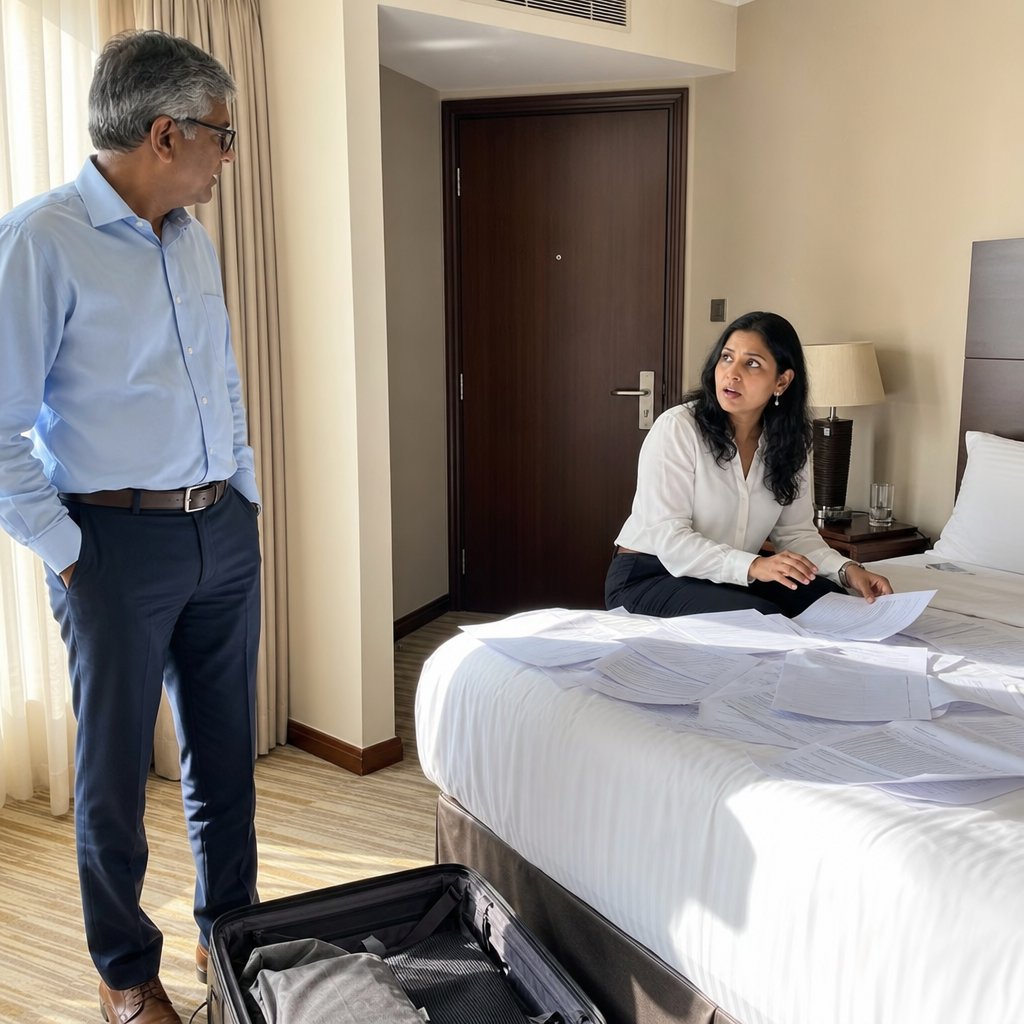
I locked myself in my room and did the one thing they never forgave women like me for doing: I got organized.
My suitcase lay open on the bed, clothes half-folded, like I’d been interrupted mid-escape. I pulled out my private evidence folder—the physical one, because I wasn’t stupid enough to trust company systems. Inside were printed copies, receipts, handwritten dates, and the forwarded finance email that had started this whole slow sickness in my gut.
I laid the pages across the duvet in neat rows, smoothing them with my palm until they stopped curling. The paper smelled faintly like toner and hotel detergent, a horrible little blend of workplace and getaway.
There it was: the original forwarded finance email, the one nobody knew I’d kept. Budget reallocation codes—dry strings of numbers that looked meaningless until you lined them up with real life. I traced them with my fingertip, matching them to the dates Tessa onboarded, the week her “welcome lunches” started, the month Cal suddenly became allergic to audit questions.
And then I saw it.
A travel card suffix—four digits I had never seen in official reports. Not Jonah’s. Not Cal’s corporate card. Not any of the approved accounts in our policy binder. A ghost card. A second wallet.
My pulse pounded in my fingertips as I flipped to the reimbursement screenshot Priya had described, searching for that same suffix—because if it matched, it wasn’t just an affair. It was a pipeline.
A knock hit my door—three sharp raps—so loud I jumped, the papers shivering on the bedspread.
Integrity, With Teeth Showing

The knocking came again, harder, and a voice on the other side said my name like it was already written into a report.
I opened the door to Cal Mercer’s smile—too even, too practiced—framed by the resort hallway’s beige carpet and the smell of lemony cleaner. “Mara,” he said, like we were old friends and not a pending incident. “We’re starting the team-building exercise. Don’t make it weird.”
Outside, they’d corralled us onto the lawn with color-coded bands and those stiff canvas name tags that itch at your collar. Cal stood in front of the group, sleeves rolled, leadership-podcast posture. Jonah was beside him, hands folded, looking like he’d rather be anywhere else. Tessa Lake—the executive everyone pretended wasn’t Cal’s shadow—laughed too loudly at nothing and kept her body angled toward him like a compass.
Cal clapped once. “I want to recognize Jonah’s integrity,” he announced, eyes sweeping the circle—then stopping on me. Holding. Pinning. “In uncertain times, we need people we can trust.”
Jonah’s jaw ticked. My throat went dry.
Cal’s wrist shifted as he gestured, and his watch buzzed—a tiny insect hum I heard because I was watching him too hard. The screen flashed just long enough: Private Sync — T.B.
T.B.
Tessa’s initials didn’t fit. But her eyes flicked to his watch anyway, and her smile tightened like a knot being pulled.
Cal kept talking—about values, about loyalty—while his gaze never left mine, as if daring me to say what I’d just seen…
The Sweet Voice Trap

Bonfire night had that fake-camp vibe—blankets draped over Adirondack chairs, someone passing around marshmallows like we weren’t all adults with expense reports. The smoke clung to my hair and jacket, sharp and bitter, and every laugh sounded half a beat too late.
I’d barely taken a sip when Tessa slid into the seat beside me like she’d been assigned to it. Up close, her makeup was flawless in a way that felt deliberate, like armor. Her voice, though—honey. “Mara, right? You’re Jonah’s person.”
I blinked. “His… person?”
She tilted her head, eyes bright, friendly. Sharp. “He talks about you.”
I watched Jonah across the fire, his face catching orange light as he laughed at something Cal said. Jonah’s laugh didn’t reach his eyes. Cal’s hand landed on Jonah’s shoulder—heavy, possessive—and Jonah didn’t flinch, which somehow felt worse.
Tessa leaned closer, lowering her voice like we were sharing lipstick. “It’s sweet, actually. How loyal you are.”
Sweet. Loyal. The same words Cal used when he wanted someone to shut up and stay put.
My stomach dropped with a clean, cold clarity: she wasn’t asking because she was curious. She was confirming a structure. Jonah as a buffer. Jonah as a story. Jonah as something to stand between Cal and the truth.
“What does he say about me?” I asked, too calmly.
Tessa smiled wider, and for a second the fire popped and threw sparks like little warnings. “Oh,” she murmured, “that you’re the one who keeps him… steady.”
Then her gaze flicked past my shoulder—toward the dark path leading back to the lodge—as if she’d just noticed someone approaching…
The VPN Door Slam
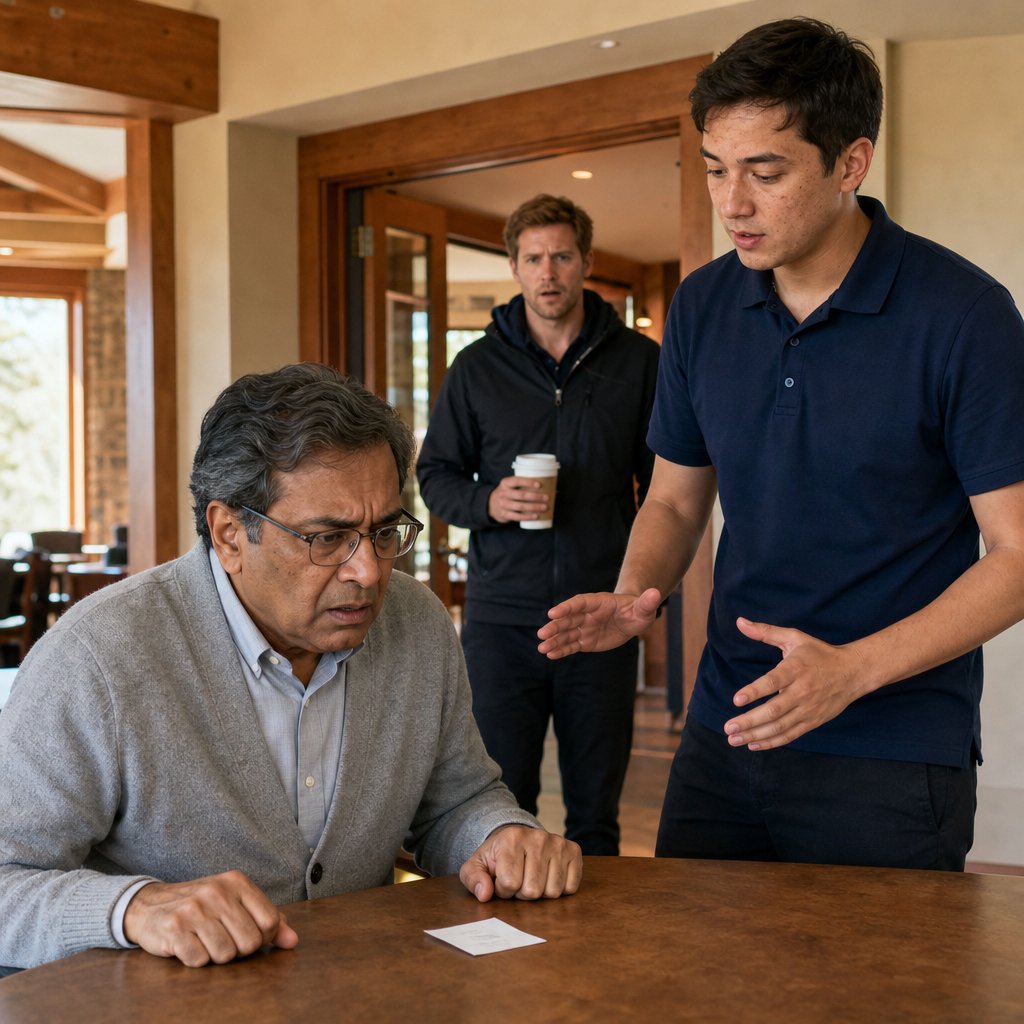
The next morning, the lodge’s business nook smelled like burnt coffee and lemon disinfectant—like they’d tried to erase the idea of anyone working here. I sat at the communal table anyway, shoulders hunched, because my nerves didn’t know how to do “retreat.”
I tried to connect. Nothing. Again—nothing. The little spinning wheel of my patience kept going until it felt like mockery.
“That’s weird,” I muttered, more to myself than anyone. My access wasn’t just slow. It was gone. The VPN prompt kept rejecting me like I’d never belonged here in the first place.
A resort IT guy—early twenties, freckles, polo shirt—hovered near my chair with the apologetic face of someone who’d been yelled at by a person with a title. He set a small slip of paper on the table, face-down at first, like it was confidential. Then he hesitated and flipped it as he spoke. “They told me to make sure you couldn’t connect. It’s… an urgent request. I’m just doing what they asked.”
My fingers went cold as I stared at the slip. Not the resort logo—just internal routing info and a requestor line that didn’t belong in a vacation place.
C. Mercer Office—urgent.
Cal hadn’t just been watching me. He’d reached into the infrastructure and yanked my hands off the wheel while we were all trapped on the same property, smiling for photos.
I looked up, ready to ask the IT guy who exactly told him—
—and Jonah was standing at the edge of the nook, coffee in hand, staring at the slip like he’d seen it before.
The DM That Knew
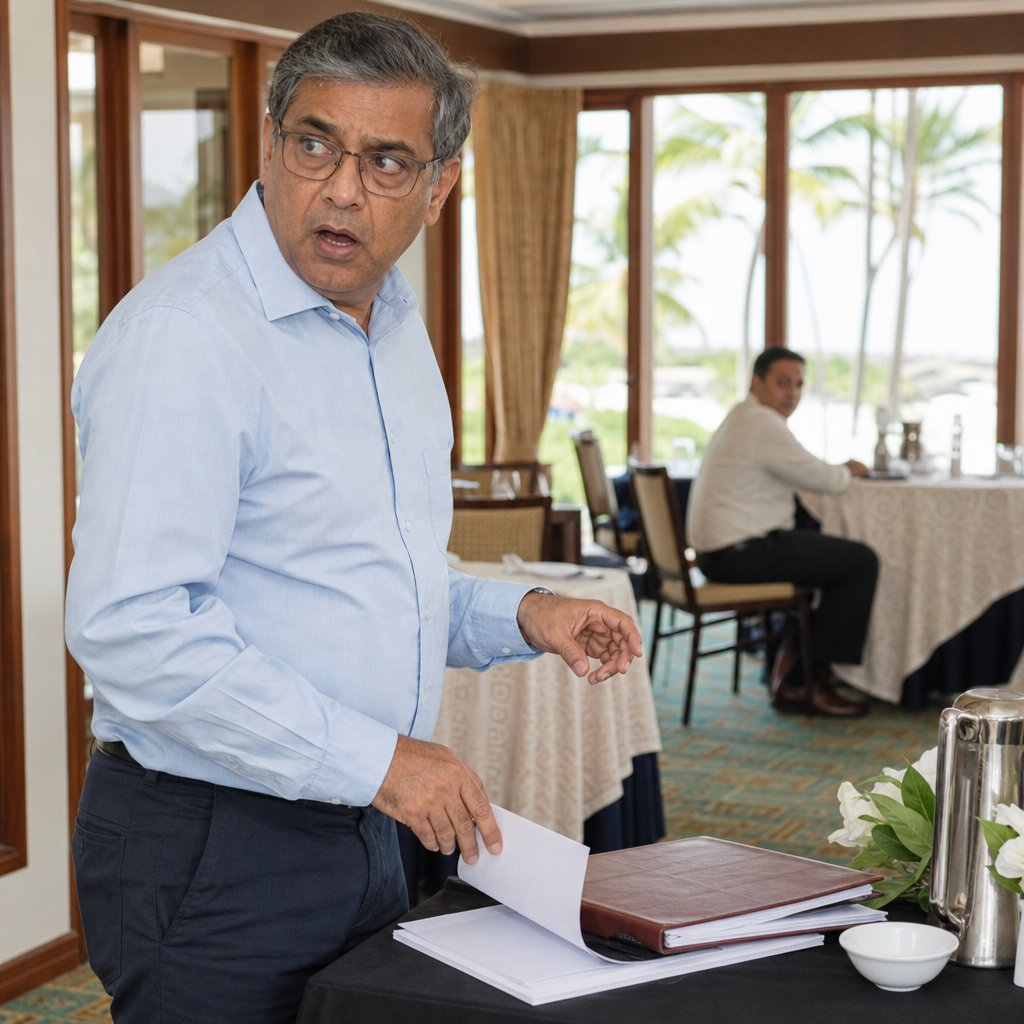
I didn’t even trust the retreat Wi‑Fi anymore, so I walked outside where the air was cold enough to sting my nostrils and clear my head. The gravel path crunched under my shoes like it wanted to announce every step I took.
My phone buzzed in my pocket. I pulled it out and kept the screen angled away on instinct, like paranoia was now a skill. An anonymous message—no name I recognized, no warmth, just a sentence that landed like a slap.
Check Jonah’s deleted calendar invites. You’re his cover.
I stood there, staring at my own reflection in the dark glass of a nearby window, my glasses catching a faint glare. Cover. As in: the thing you hide behind. The person you sacrifice first.
Back inside, I went to the conference room where they’d left printed materials stacked on a side table—innocent, glossy, curated. I flipped through them with the calm hands of someone looking for a pen.
And there it was: an itinerary sheet tucked under the edge of a binder like it didn’t want to be found. Not on the official schedule. Not in the packets.
A dinner reservation. Two seats.
Under Cal Mercer’s name.
My mouth went dry as paper. Two seats meant an accomplice, not a crowd. A witness, not a team. And if Jonah’s calendar had “deleted invites,” it meant someone was cleaning up after themselves—someone who thought I wouldn’t check the trash.
I slid the sheet halfway out, heart banging, and heard a chair scrape behind me—slow, deliberate—like someone had been watching the whole time.
The Smear Thread Slipped
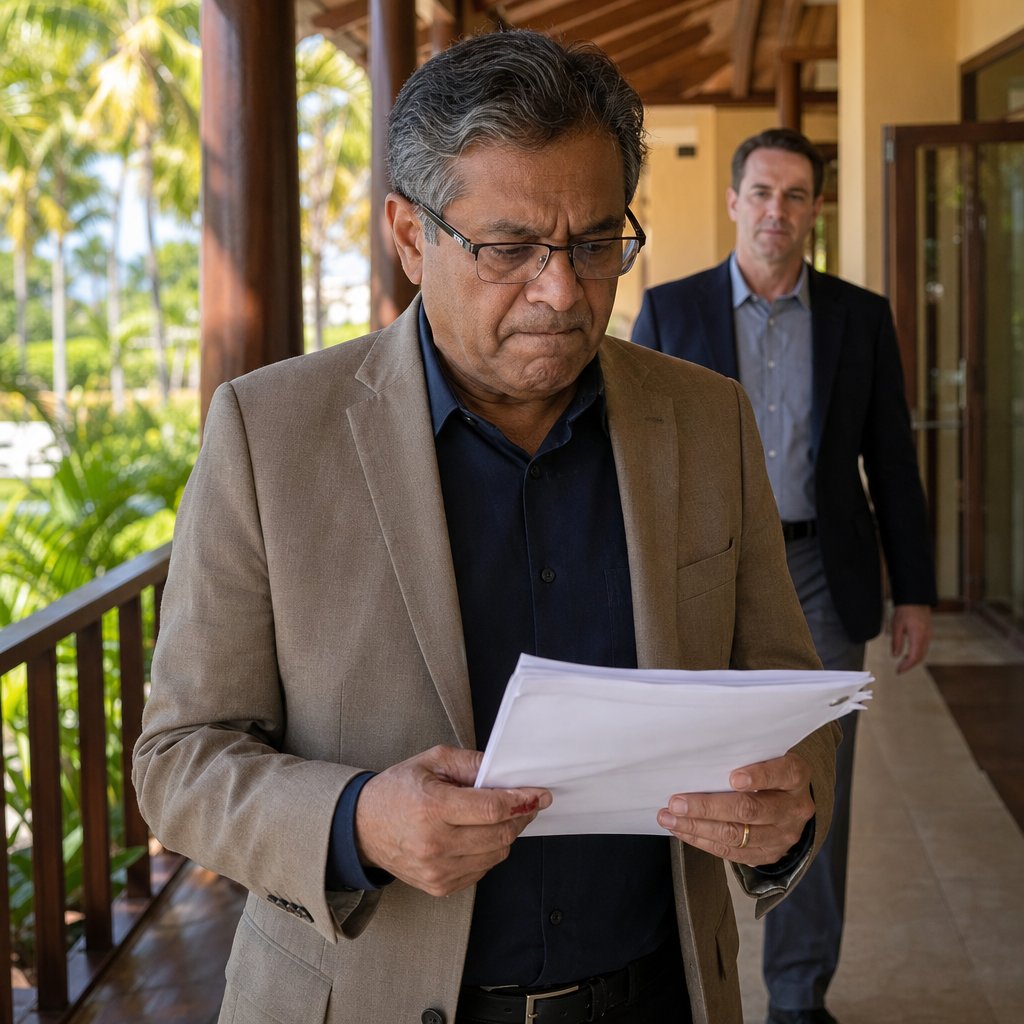
By lunch, the vibe had changed. People smiled at me the way you smile at a coworker you’ve been warned about—too careful, too polite. Conversations stopped when I walked up. It was subtle enough to deny, obvious enough to hurt.
Priya caught my eye from across the dining room—Priya Patel, late 30s, sharp bob, always immaculate—then looked away like she didn’t want to be seen looking. My stomach tightened. Priya didn’t do “awkward” unless someone made it dangerous.
I found the printed email thread in the pile of “helpful materials” outside the meeting room, like it had accidentally wandered there. Pages stapled, no cover sheet, the kind of “oops” that’s actually a knife left on the counter. I skimmed and felt my face heat.
They’d painted me as unstable. Overly attached. “Fixated” on Jonah. The language was corporate-calm, but it had the greasy cruelty of gossip dressed up as concern. A whole narrative constructed to make any complaint I made sound like a crush gone feral.
Then—buried in an internal reply—someone forgot to keep the mask on.
If she connects Lakeview to Tessa, we’re done.
Lakeview. Not a person. A place. A vendor? A site? A coded word everyone else already understood.
My hands shook hard enough the staple bit my thumb. I tasted a dot of blood—metallic, real—and suddenly the bonfire smiles and the watch buzz and the VPN cut snapped into one ugly shape.
I turned the page, scanning for who wrote that line, and heard Cal’s voice behind me—soft, conversational—like he’d been there the whole time.
The Promotion Knife Twist

They called it a “surprise re-org” like it was a party trick. We were herded into the main meeting room, chairs in perfect rows, water pitchers sweating onto coasters. Cal stood at the front with Elaine—Elaine Roth, CFO, early 50s, silver-blonde hair cut blunt, pearl studs—wearing the serene face of someone about to ruin your life and then schedule a follow-up.
“We’re optimizing,” Elaine said. “Streamlining.”
My name came up like a stain. “Mara’s role is being dissolved,” Cal added smoothly, hands clasped. “This is not performance-related.” The lie sat in the air, thick as the stale HVAC.
I looked at Jonah. His eyes were glossy, fixed on the table edge, like if he looked up he’d have to admit he was watching me drown.
Then Cal smiled. “On a more positive note—Jonah is being promoted.”
The room clapped. A few people whooped. Jonah stood, flushed, and nodded like he’d earned it with late nights instead of silence. Cal’s hand squeezed Jonah’s shoulder again, and this time Jonah flinched—just a fraction—before he smoothed it over.
Two HR reps appeared beside my chair like summoned guards. “Mara, we’ll walk you out,” one said, voice syrupy, eyes hard.
As I stood, Priya stepped into my path, close enough that her perfume—clean, jasmine—hit me like a memory. She pressed something into my palm without looking down. Small. Plastic. Warm from her hand.
Her lips barely moved. “Don’t open it here.”
I curled my fingers around the flash drive, heart hammering, while the HR rep guided me toward the door—and Jonah finally looked up, meeting my eyes like he wanted to say something and couldn’t.
The Only File Left

The severance meeting was a beige room with a bowl of mints no one touched. They slid the NDA across the table like it was a napkin. “Standard,” the HR woman said, smiling with her teeth and not her eyes. Cal wasn’t there. Of course he wasn’t there.
By the time I got home, my cloud folder—my careful archive, my timestamps, my notes—was gone. Not misplaced. Not messy. Wiped. Like I’d imagined the last six months. Like I was exactly what that leaked thread said I was.
I stood in my kitchen in yesterday’s clothes, glasses smudged, staring at the empty sync status until my vision blurred. The air smelled like old onions and the tea I’d forgotten to drink.
Then I remembered the one thing I’d saved out of spite.
A single file I’d emailed to myself ages ago and never bothered to delete because it felt too petty to matter: a photo. Not a screenshot. A real photo I’d taken quickly, hand shaking, of a receipt I’d found in the printer tray after one of those “late project nights.”
I opened it, and my chest went tight.
The receipt was for a dinner—expensive enough to sting. And on it, in Cal Mercer’s unmistakable handwriting, was a note scrawled at the bottom like an instruction to a subordinate.
Charge to vendor; use Jonah.
Not “ask Jonah.” Not “loop Jonah in.” Use Jonah.
I stared until the words stopped being words and became a mechanism. Affair logistics. Vendor billing. Budget fraud. A human shield named Jonah.
My phone rang—unknown number. I let it buzz once, twice, three times, my pulse roaring in my ears…
Contain Her, Protect Him

Elaine’s assistant found me in the parking garage beneath my building two days later, like she’d been rehearsing it. She was small, mid-20s, dark curls pulled into a rushed ponytail, mascara smudged as if she’d cried in a bathroom stall and then decided crying was a luxury.
“I shouldn’t be here,” she whispered, glancing at the concrete pillars. Her heels clicked too loud. In her hands was a manila folder held tight to her chest like a shield.
I didn’t invite her closer. I just held my gaze steady behind my glasses and waited. People tell the truth faster when you don’t soothe them.
She exhaled, shoved the folder into my hands, and her fingers shook. “These are HR notes,” she said. “Meeting notes. Not meant for… you.”
I flipped it open right there, under the buzzing fluorescent hum, and the words hit like a punch to the throat.
Contain Mara; protect Cal; promote Jonah.
Not a plan. A sentence. A strategy. A confession.
My hands were so steady it scared me. Rage does that sometimes—it freezes you into clarity. I took photos for myself later, but right then I didn’t need proof to know what it meant: this had never been about performance or “fit.” It had been about quarantine.
That night, I sent the notes to the audit committee. I sent them to a journalist Priya quietly vouched for—no embellishments, just the clean brutality of their own words.
The next morning, a courier envelope arrived. Heavy paper. Law firm return address. Cal’s settlement offer, already drafted like he’d been waiting for me to flinch.
I opened it and read the first line:
Mara is loyal—
My stomach turned as my inbox started exploding with calls I hadn’t answered yet…
Would you have trusted the message on the lock screen?