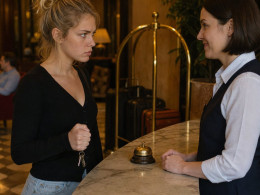




Legal Was Already Invited

When the calendar pop-up landed, my stomach dropped so hard I swear I felt it in my teeth: Quick check-in. Talia from HR. And tucked right underneath her name like a loaded gun? Someone from Legal.
I stared at it for a full three seconds, frozen, because my cursor was still hovering over the other thing I’d been meaning to close for days—the Chicago email thread. The one with Mark’s “lol don’t be mad at me” follow-up. The one where I’d replied too fast, too familiar, like I was texting a boyfriend instead of a married senior manager.
The office around me was doing its normal late-morning hum—espresso machine coughing, keyboards clacking, that sharp lemon-cleaner smell from Facilities. I could hear my own pulse over it. My hand went to my trackpad to X out the thread, but the HR invite had already tinted my whole screen that accusatory pale gray. Like it was spotlighting the mess.
I told myself it was routine. Performance stuff. Promotion pipeline. “Quick check-in” could mean anything. Except Legal didn’t join “anything.” Legal joined problems that had receipts.
I clicked the invite. My eyes snagged on the attendee list again, hoping I’d hallucinated it. I hadn’t. And then my email refreshed, and the Chicago thread bumped—like someone else had just opened it, somewhere, and I could almost feel the air shifting toward me.
My phone buzzed face-down on my desk, and when I flipped it over, Mark’s name lit up the lock screen—no preview, just his call—right as the HR invite reminder chimed again.
Elevator Joke, Camera Smile
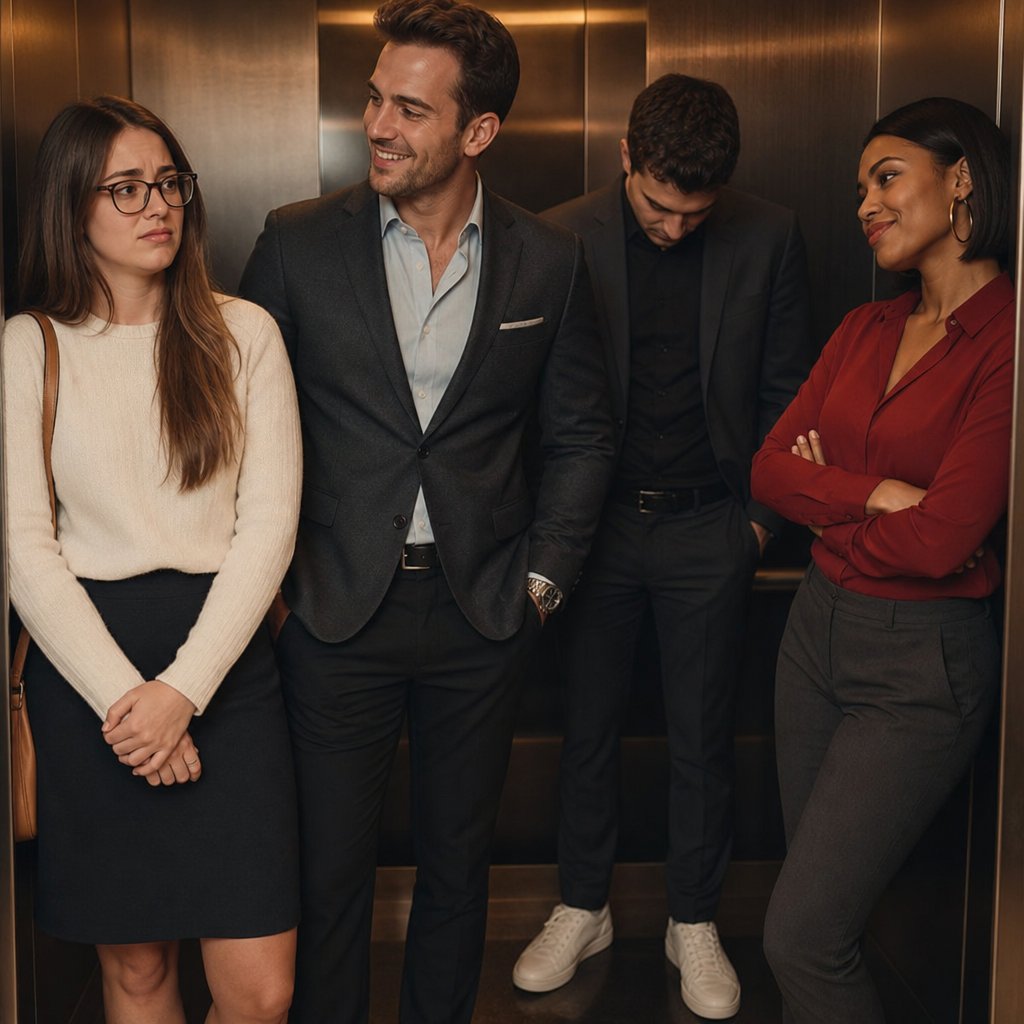
Jenna from Finance didn’t even lower her voice. She leaned back against the elevator wall like she owned the air in it, glanced between me and Mark, and said, “You two should just get a room.”
Not a whisper. Not a private little tease. Loud enough that the security camera above the panel caught the whole moment: her grin, Mark’s reflexive laugh, my face doing that awful split-second calculation between playing along and looking guilty.
The elevator smelled like someone’s cologne and burnt coffee. I could see my own reflection in the brushed metal, my glasses slightly crooked from rushing, my cheeks already flushing. Mark stood too close—always too close—shoulder angled toward me like we were a unit. The kind of body language you don’t notice until someone names it in front of witnesses.
A junior analyst I barely knew—Ethan, baby-faced, always wearing those clean white sneakers—looked down at his badge like it had suddenly become fascinating. No one laughed except Jenna and Mark. That was worse. Silence meant it had landed.
Mark did what he always did when something got too real: he turned it into a joke. “Jenna, you’re obsessed,” he said, smiling, like I was the punchline he’d already claimed.
I tried to laugh, but it came out thin. My throat felt tight, like I’d swallowed paper. I flicked my eyes up to the camera dome, glossy and black, and had the sick thought that somewhere in Security there was a timestamped clip of us looking exactly like what people already whispered we were.
The elevator dinged for our floor, and Mark’s hand brushed the small of my back—casual, guiding—and Jenna’s eyebrows shot up like she’d just been handed proof.
His Pet Name Went Public

The worst part wasn’t that Mark couldn’t help himself. It was that he did it where everyone could see.
We were in the bullpen after lunch, that slump hour when people pretended to work while chewing mints and scrolling. Mark was two rows over, tapping his pen against his notebook like he was conducting an orchestra. My phone was face-down, but I still felt every vibration in the room as if my nerves had become antennae.
Then the Slack notification sound pinged from three different laptops at once. Heads lifted. Fingers paused. And Mark, without looking up, dropped our little private shorthand into the project channel like it was normal: the pet-name-coded tag we’d used when we didn’t want to say each other’s names. Cute, childish, ours.
I felt my skin go hot under my blouse collar. My eyes darted to the nearest screen—not to read it, just to see reactions. Nothing. No “lol.” No eyebrow raise. No “what does that mean?”
That was the gut punch. Not outrage. Not surprise. Just… acceptance. Like he’d said the quiet part out loud and nobody needed it explained because it had already been explained in break-room whispers and late-night “project” jokes.
Mark finally glanced up, caught my eye, and gave me that look—half apology, half dare. His mouth twitched like he was waiting to see if I’d scold him, like the risk was part of the fun.
I tried to keep my face neutral, but my pulse was loud in my ears. Across the aisle, Ethan’s foot bounced under his desk. Jenna from Finance walked by with her water bottle and didn’t even slow down, which somehow felt like she was choosing not to look.
My manager’s chair squeaked as she leaned back, and I realized she’d been in the channel too. She didn’t say anything. She just stared at her keyboard for a long, loaded second.
Chemistry Became A Label

The director said it like it was a compliment. Like it was a leadership trait.
We were in the glass conference room with the too-cold air and the faint smell of dry-erase markers. My notebook was open, my pen poised, doing my best impression of calm. Mark sat beside me, knee angled toward mine under the table like we had our own gravity.
“I love the chemistry between you two,” Director Halpern said, smiling over his clasped hands. He was a silver-haired man with perfect teeth and the kind of voice that made people straighten their backs. “It’s why the client trusts this team.”
The room laughed on cue. A few people actually oohed, like it was a rom-com moment instead of a professional meeting. Jenna from Finance wasn’t even in the meeting, but I heard her voice in my head anyway: get a room.
I forced a smile that made my cheeks ache. Mark leaned back, basking. He did that tiny humble shrug, like, Aw, shucks, we’re just good partners. And I watched, horrified, as the word “chemistry” slid from flattering to sticky. A label you could slap on an email. A joke you could repeat in a hallway. Something you could screenshot without any context and still make it look like a confession.
Halpern kept talking, but my brain had already sprinted ahead to HR’s “quick check-in.” Legal on the invite. The Chicago thread. The elevator camera. The Slack tag.
Across the table, my manager’s eyes flicked from me to Mark and then down to her notes, lips pressed tight. She wrote something, slow and deliberate, as if she was choosing her words carefully for an audience that wasn’t in the room.
Mark’s knee nudged mine under the table, playful. I didn’t move away. I couldn’t. And that’s when I saw Halpern’s assistant glance down at her phone face-down on the table, then up at us, like she’d just gotten a message she wasn’t supposed to have.
The Trip Went On Record

The Chicago trip got announced like it was a prize, which made it even harder to say no without sounding guilty.
“Client wants the full team onsite,” my manager said, standing near the meeting room doorway, already half-turned like she had somewhere else to be. “Mark and Ivy will lead.” Her gaze snagged on me for a fraction too long.
My throat tightened. Chicago meant the late nights, the hotel lobby bar “strategy,” the way Mark always found reasons to be in my orbit. It also meant receipts: flight confirmations, shared calendars, expense reports. All the tidy little paper cuts that could add up to a bleeding story.
Mark caught up to me in the hallway immediately after, like he’d been waiting. He smelled faintly of peppermint gum and whatever expensive detergent he used. “We should coordinate flights and hotel like always,” he said, casual. Too casual.
“Like always” was the problem. “Like always” meant one itinerary thread with both our names on it. It meant calendar invites that put us in the same places at the same times. It meant him forwarding options and me replying, and someone—HR, Legal, Jenna, Security—being able to line it all up into a neat timeline with a bow.
“I can book mine,” I said quickly. My voice came out sharper than I meant.
Mark smiled like I’d challenged him. “It’s easier if we’re on the same flight,” he said. “We need prep time.” He touched my elbow, light, proprietary, and I felt the heat of it through my sleeve.
We passed the break area where someone had burned popcorn, that bitter smell hanging in the air. Jenna from Finance was at the counter stirring powdered creamer into coffee, watching us over the rim of her mug like she was listening without listening.
Mark lowered his voice. “I’ll send you the options.”
He said it like a promise. Or a threat.
The Upgrade Someone Photographed
Mark didn’t ask. He announced it, like he was doing me a favor I couldn’t refuse.
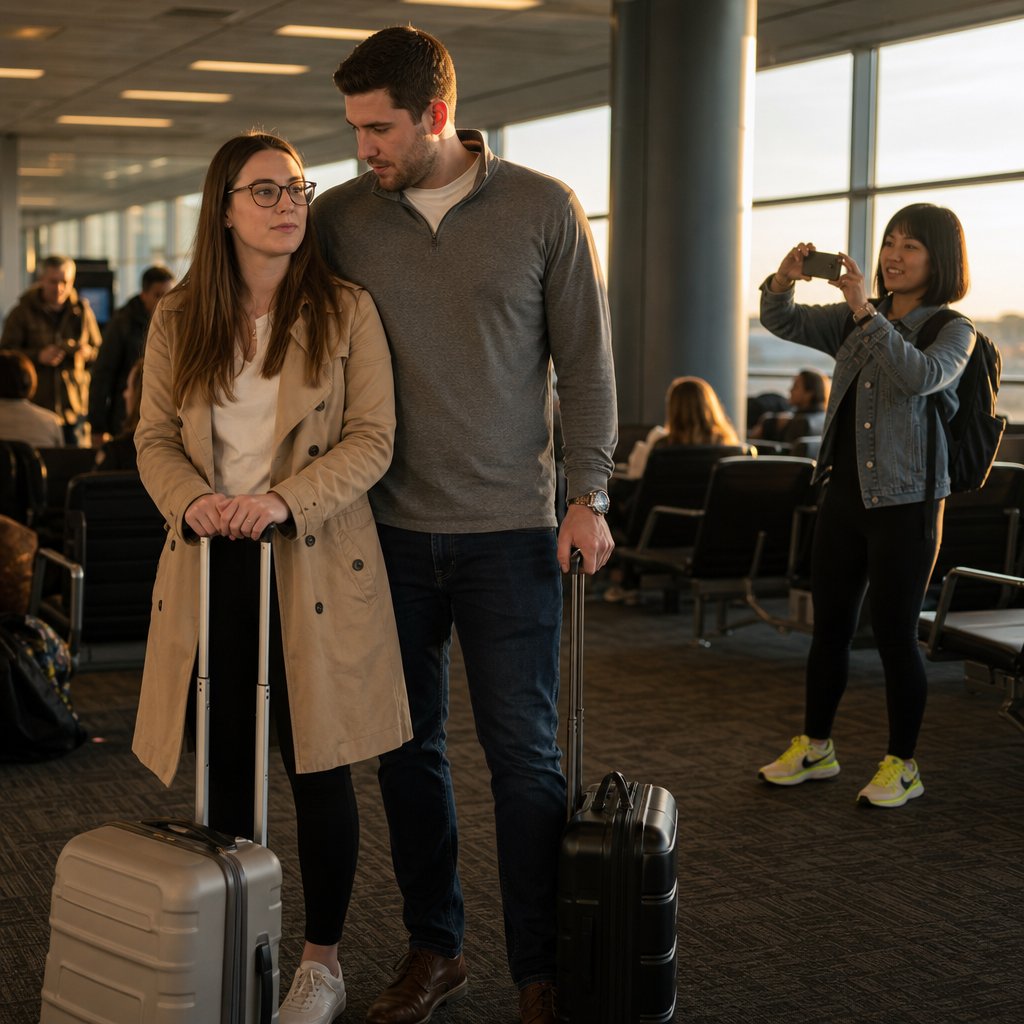
At the airport gate, the carpet smelled like stale cinnamon pretzels and industrial cleaner. I was in leggings and a long beige trench coat, hair pulled behind my ears, trying to look like a person who traveled for work and didn’t spiral about optics. Mark showed up in dark jeans and a crisp quarter-zip, rolling his suitcase like he was on a magazine cover.
“I upgraded us,” he said, leaning in. “For prep.”
“Us,” like we were a unit. Like it was normal for a married man and his direct report—me, the girl with the glasses and the promotion packet—to be tucked into the same little bubble of privilege. I felt my face go cold. “Mark, you didn’t have to—”
“It’s on my status,” he said, breezy. “Don’t make it weird.”
And then I saw the colleague from our team—Maya, petite Asian woman with a blunt haircut and neon running shoes—standing a few feet away with her backpack slung on one shoulder. She lifted her phone, not even sneaky, and snapped a photo of us by the boarding sign, smiling like she was capturing a cute team moment.
I didn’t see the screen. I didn’t need to. I saw the angle. I saw Mark’s arm drifting too close to my back. I saw my own stiff posture, the exact kind of body language people dissect.
“For the team chat!” Maya chirped, already lowering her phone, satisfied.
Mark winked at her like it was harmless. Like it wasn’t forever.
I opened my mouth to say something—anything—to stop it from becoming a story, and Mark stepped closer, blocking me from Maya’s view as if he was shielding me, when really he was trapping me in the frame.
The Ring Tan Line Warned Me
At the client dinner, I tried to act like we were just coworkers. The room disagreed.
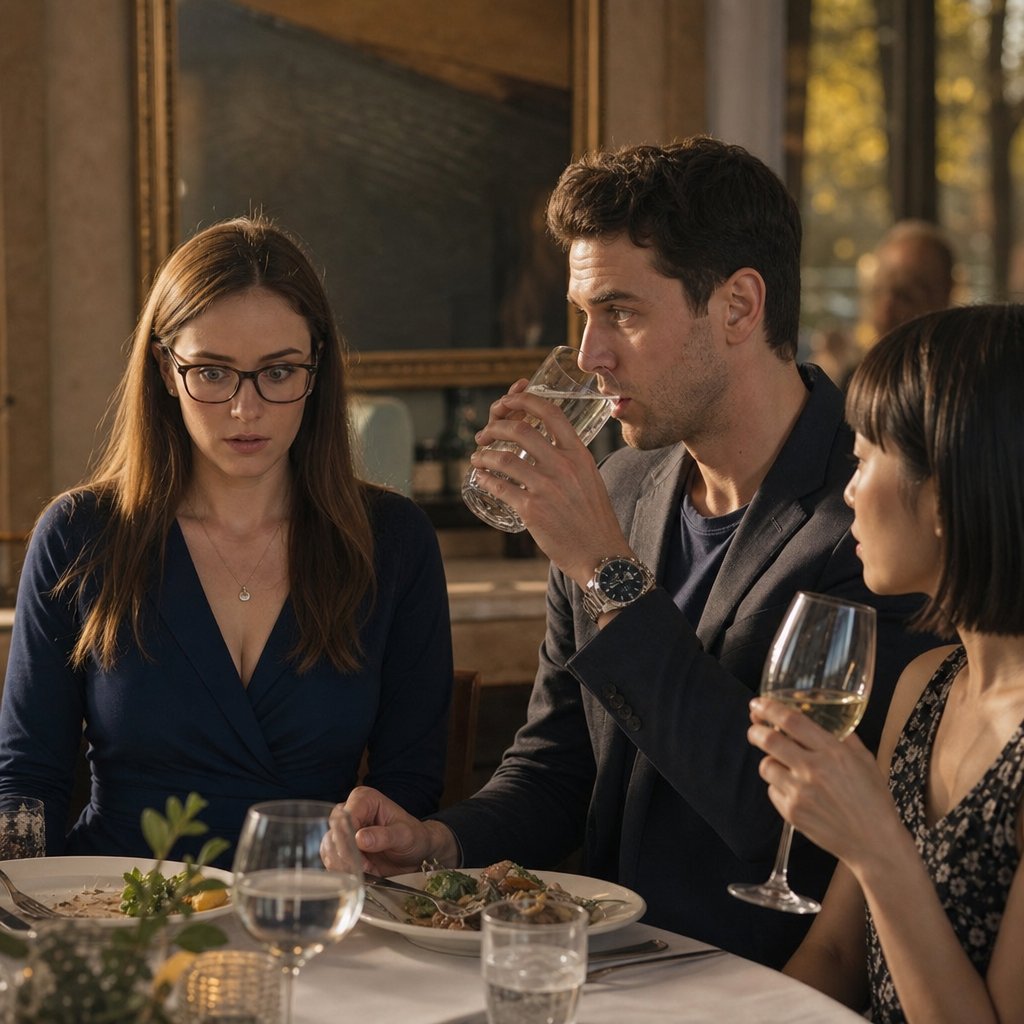
We were in a downtown Chicago steakhouse with low noise and heavy silverware, all clinks and murmurs. The air smelled like pepper and charred fat. I wore a navy wrap dress and tried to keep my hands folded in my lap like a polite stranger. Mark sat next to me anyway, close enough that our elbows kept brushing when we reached for water.
The client’s VP kept asking questions that bounced between us like a ping-pong ball, and Mark and I answered in the same rhythm we always did—finish each other’s sentences, share a look, laugh at the same tiny details. Our two-person orbit pulled the conversation toward us no matter how I tried to widen it.
“You two are synced,” the VP said, amused, cutting into his steak. “Must be those late nights.”
I forced a laugh and tasted metal, like I’d bitten my tongue. Across the table, Maya sipped her wine and watched us with that neutral face people wear when they’re collecting data.
Mark kept fidgeting with his left hand. Twisting his fingers. Brushing his thumb over bare skin. And then, when he lifted his glass, I saw it clearly: a pale band around his ring finger. A wedding ring tan line, bright and unmistakable, like a warning stripe.
He’d taken it off.
Not just for comfort. Not by accident. Off. On a work trip. While sitting next to me.
My stomach turned. I stared at that empty finger until my eyes stung, and when I looked up, Mark was watching me, expression tight, like he was daring me to say something in front of everyone.
The waiter set down dessert menus, thick paper that smelled faintly of vanilla, and Mark’s hand slid under the table toward my knee like it was the most natural thing in the world.
He Followed Me Off
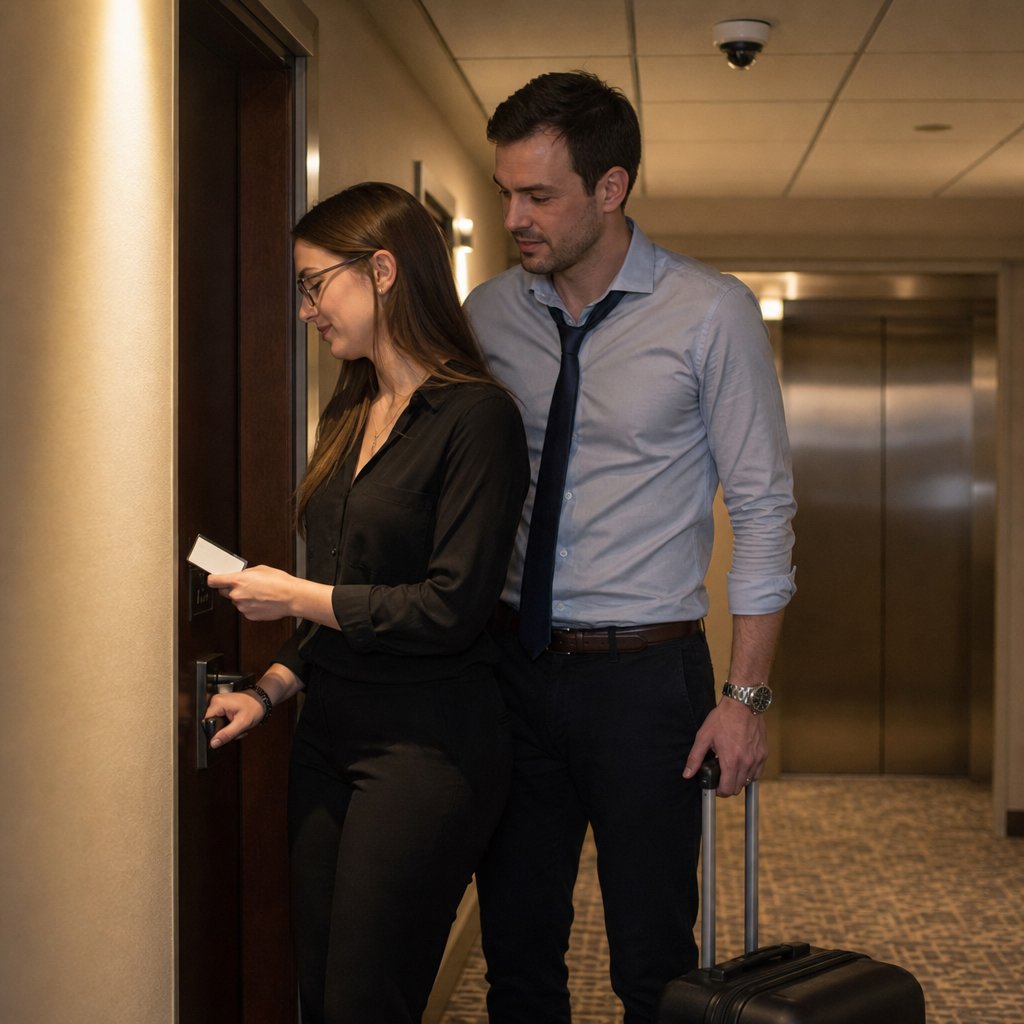
The hotel elevator was too quiet, the kind of quiet that makes every breath feel incriminating.
We’d just come back from the client dinner, and my feet hurt in that specific, throbbing way heels leave behind. The carpet in the elevator was patterned in dark swirls, and it smelled faintly like someone’s aftershave and lemon polish. Mark stood next to me, jacket draped over his arm, tie loosened like he was signaling “after hours.”
“We should keep talking,” he said, voice low. “About tomorrow’s demo.”
I stared at the glowing floor numbers and told myself to be professional. To say, Not tonight. To say, Goodnight, Mark. To say anything that created distance and plausible deniability.
The doors opened on my floor. I stepped out automatically, because that’s what my body knew—room, shower, sleep, reset. And then I heard the soft roll of his suitcase wheels follow me over the threshold.
“Mark,” I said, a warning that didn’t sound like one.
He stepped out beside me like it was decided. Like the decision had been made weeks ago in late-night “prep” sessions and elbow brushes and jokes that weren’t jokes. The hallway was empty except for the distant hum of an ice machine. The security camera above the elevator bank blinked its tiny red light.
I saw it. He saw it too. Neither of us stopped.
My keycard slid into my door with a soft click. My hand shook. Mark leaned closer, close enough that I could smell the peppermint on his breath again.
“Just five minutes,” he murmured, and the camera watched us like an unblinking eye as my door cracked open.
A Click That Changed Everything
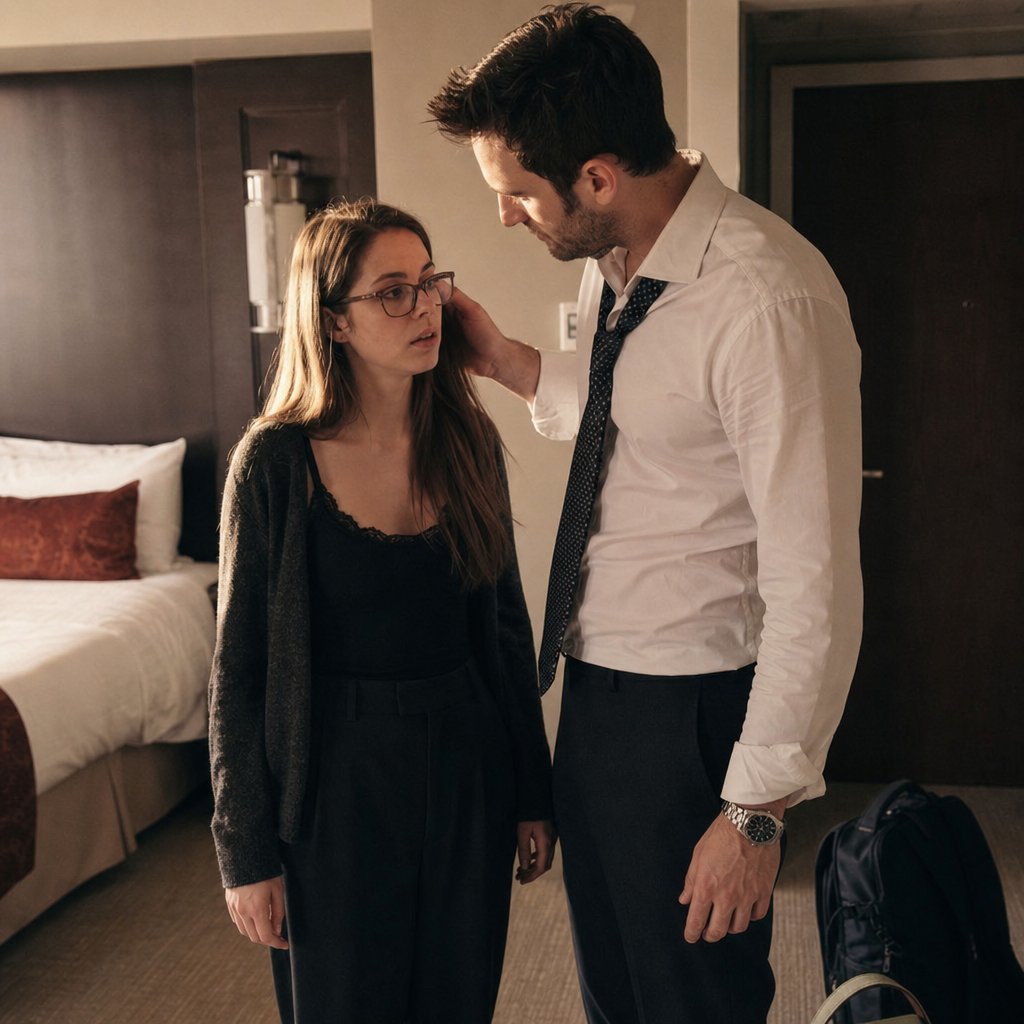
The door clicked shut behind us, and the silence was so loud it felt like pressure in my ears.
My hotel room smelled like that generic linen spray—clean, sweet, artificial—like someone had tried to erase whoever slept here before me. The curtains were half-drawn over the city lights, and the edge of the bedspread was perfectly tucked, untouched, accusing.
Mark didn’t sit. He didn’t even pretend to look at the agenda. He stood near the door like he was deciding whether to leave or to cross a line he’d been circling for months. His eyes wouldn’t quite meet mine, which somehow made it worse. It made it feel premeditated, not impulsive.
“Ivy,” he said, my name like it was a confession. Then he exhaled, long and shaky, and for a second I saw panic on his face—real panic, the kind married men don’t show in conference rooms. “I can’t keep pretending nothing’s happening.”
I should’ve said, Then stop. I should’ve said, Go back to your room. Instead I stood there with my hands at my sides, feeling the heat creep up my neck, feeling my whole career narrowing into this one stupid moment.
He stepped closer. I didn’t move back. That was the betrayal that stung the most—my own body failing to protect me. When his hand brushed my hair behind my ear, it was gentle in a way that made my stomach flip with equal parts want and disgust.
There was nothing graphic. Nothing cinematic. Just the unmistakable shift from “work spouses” to something that would never be called that again. A kiss that landed like a stamp on a document.
And in the middle of it, my brain did the cruelest thing: it started building a timeline. Elevator. Hallway camera. Keycard swipe. Door click. Minutes that could be reconstructed by anyone with access and motive.
Mark pulled back, breathing hard, and whispered, “We have to be careful,” as if saying it out loud could undo what we’d just turned into evidence.
His Eyes Turned To Ice

At breakfast the next morning, Mark looked through me like I was a stranger he regretted recognizing.
The hotel restaurant was all quiet clatter—forks against plates, the hiss of a coffee machine, low business murmurs. I wore a pale pink blouse and tried to smooth my hair like I could smooth my life. My hands wrapped around a mug so tight my fingers ached. The coffee smelled rich and bitter, and it turned my stomach anyway.
Mark arrived exactly on time, hair perfect again, tie crisp, the version of him the office trusted. He slid into the chair across from me without touching me, without even that familiar knee-angle under the table. His wedding ring was back on. Of course it was. Shiny, centered, like a reset button.
“Morning,” I said softly, because I didn’t know what else to do with the memory of last night sitting between us like a third person.
He didn’t meet my eyes. He nodded once, minimal, and started talking about the demo in a voice so professional it felt like punishment. “We’ll keep it tight. No improvising. Stick to the deck,” he said, as if I was a risky junior analyst, not the person he’d begged not to pretend with twelve hours ago.
In the client conference room later, he took it further. Every time I opened my mouth, he cut in with “Let me take that.” Every time I tried to add context, he redirected like I was off-script. The client laughed with him. The team followed his lead. I felt myself shrinking in real time.
And then, mid-demo, Mark’s phone buzzed face-down on the table. He glanced at it, and the color drained from his face so fast I almost missed it.
His eyes finally flicked to mine—sharp, warning—and he said, too loudly, “Ivy, can you step out for a second?”
The Story She Shouldn’t Have
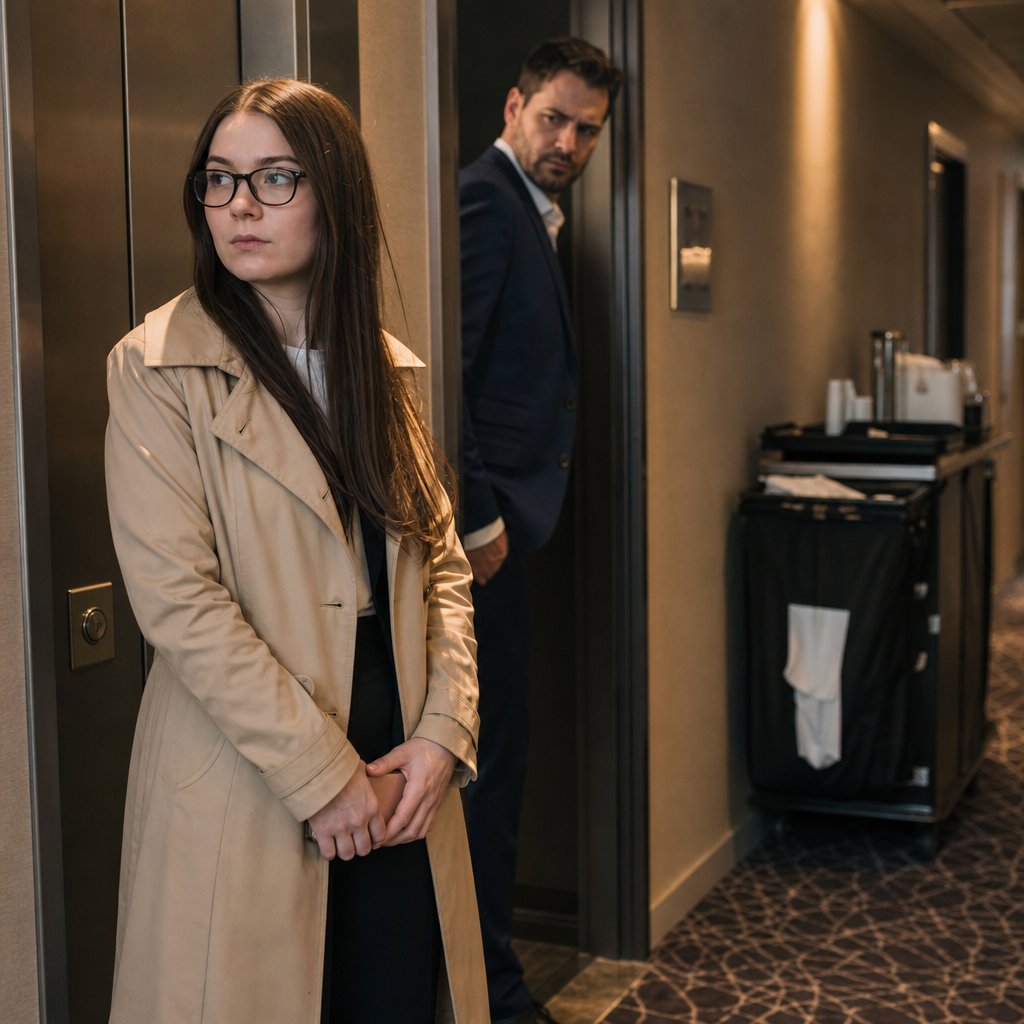
Mark’s hand was still on the door like a bouncer’s when my phone vibrated in my palm—three quick buzzes that felt like a warning. I didn’t even make it to the elevator before I saw the name: Liam, the junior analyst who still said “ma’am” when he got nervous.
“Hey—uh—don’t be mad,” his message started, which is always how bad news introduces itself. He’d forwarded a hotel bar story he’d screen-recorded before it disappeared. No faces at first—just the glossy dark wood of the bar, a line of cut citrus, the glint of ice in lowball glasses. Then the camera swung.
Mark’s shoulder filled the frame, unmistakable in that navy sport coat he wore when he wanted to look effortless. Ivy was beside him—blonde hair tucked behind one ear, red lipstick like a dare—laughing too close to his neck. Whoever filmed it had captioned it “consultant cuties” with a timestamp after midnight.
I tasted old hotel coffee in the back of my throat, sour and burnt, like my body was trying to spit out the whole trip. Liam added, “People are already sharing it. Like… in the team group chat.”
I stared at the elevator numbers counting down, and my reflection looked like someone who’d just watched her own reputation get poured into a glass and slid across a bar.
Behind me, the suite door clicked open again, and Mark’s voice cut through the hall—too calm. “Ivy. Come back in here.”
The CC That Changed Everything
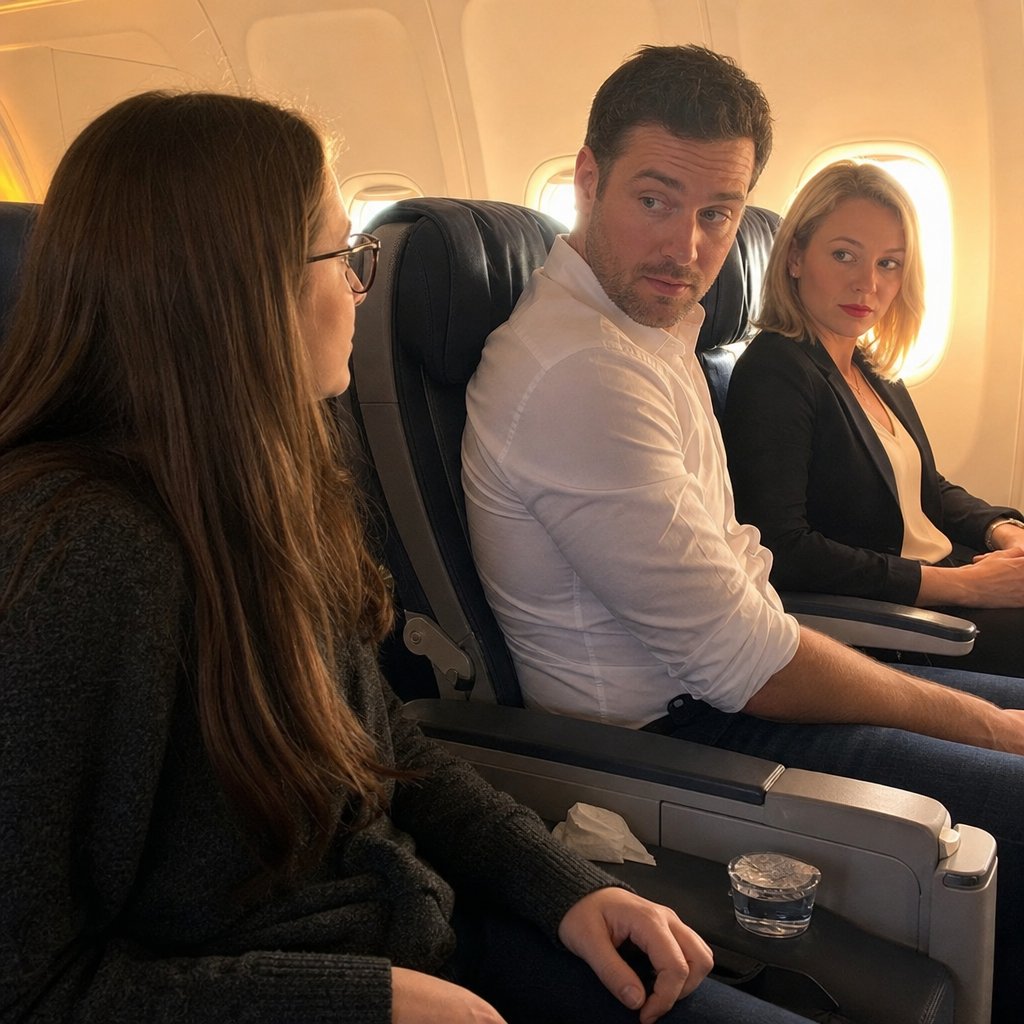
On the flight home, the cabin air was that recycled, too-dry kind that makes you feel like you’re shrinking inside your own skin. Mark sat one row ahead of me, aisle seat, shoulders squared like he was already back in charge of his life. Ivy was across from him in the same row, leaning in with the casual intimacy of someone who’d been allowed to.
My tray table was up. I wasn’t eating. I was counting the ways this could explode and land on me, because it always lands on the woman who “should’ve known better.”
Mark pulled out a notebook and scribbled like he was making a grocery list, then he angled toward the window and typed on his phone with his thumb moving too fast. A second later, Ivy’s face changed—her smile snapped into something tight, like a rubber band about to break. She stared down at her lap, blinking hard.
She didn’t look at Mark. She didn’t look at me. She just whispered, barely audible over the engine hum, “Oh my God.”
Then she turned her phone face-down on her thigh as if it had burned her. Her fingers gripped the armrest so hard her knuckles went pale, and she swallowed like she was forcing something back down.
I leaned forward, just enough to catch Mark’s assistant’s name on the header of a printed itinerary sticking out of his bag—because of course he traveled with paper like a man who thought nothing could touch him.
Ivy’s eyes flicked to Mark’s seatback, and I knew without seeing it what she’d been sent.
Mark twisted around, meeting my gaze for the first time since the suite. His mouth formed one word, silent and sharp: “Don’t.”
The Client Code Dessert Trail
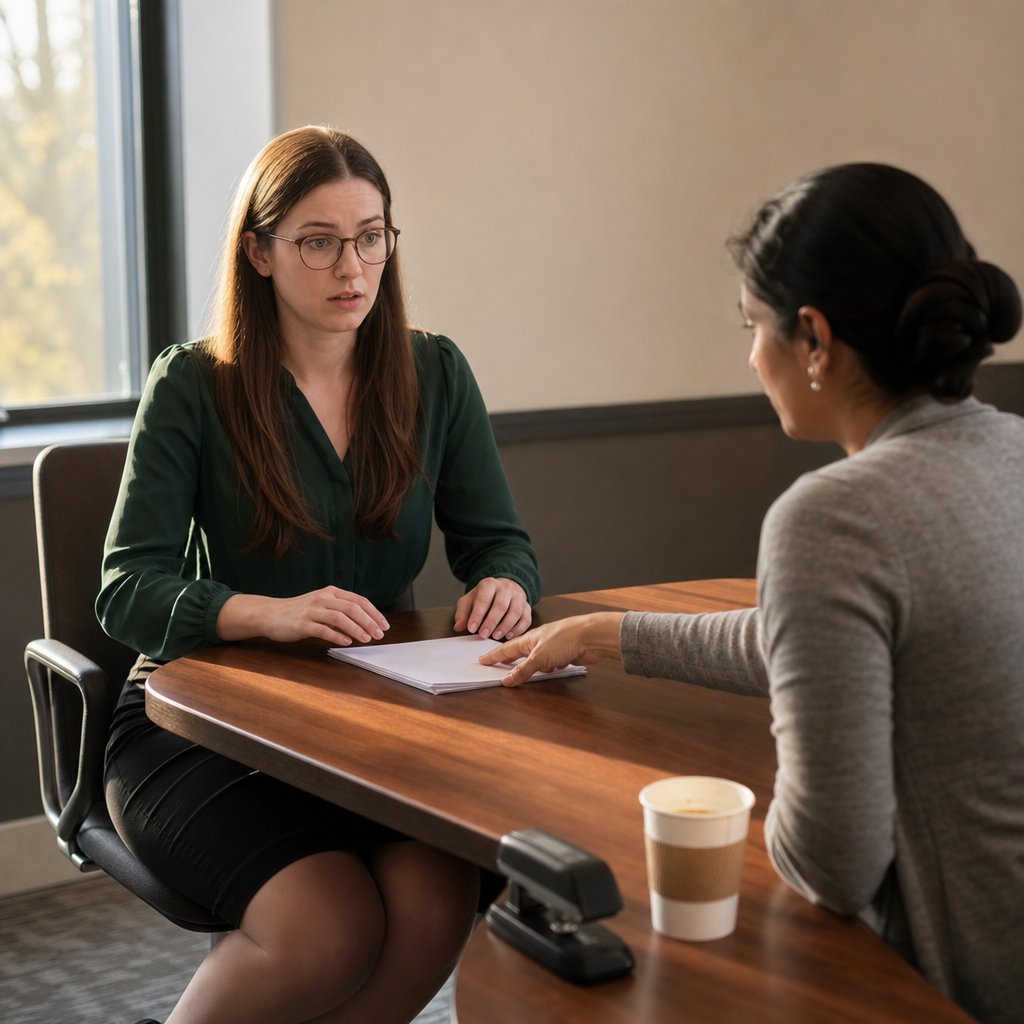
Finance didn’t call it gossip. Finance called it “anomalies.” The email invite that popped onto my calendar had that sterile subject line—Expense Reconciliation: Chicago—like we were going to discuss a rounding error, not the slow-motion demolition of my career.
The conference room smelled like lemon disinfectant and cold air. A stack of printed pages sat on the table, face-down, the top sheet weighted by a cheap black stapler. The finance manager, Priya, didn’t offer me a seat. She just slid the stack closer with two fingers, like it was contaminated.
“This hit the client code,” she said, tapping the paper without letting her nails touch it. “And it has your project initials.”
I flipped the top page and my stomach dropped so hard it felt physical. Two desserts. Two cocktails. One room-service tray. All timestamped late. All neatly categorized. All billed to the client like the company was paying for someone’s after-hours little celebration.
I could practically see it: the tray on white hotel linen, the sweating glass rings, a fork sunk into something rich and overpriced. And my initials—my name—attached like a signature I’d never signed.
“I didn’t submit this,” I said too fast, voice pitching higher than I meant. “I don’t even have access to—”
Priya’s expression didn’t change. That was the terrifying part. “It came through the normal workflow,” she said. “Which means it came from someone who knew exactly how to make it look like you.”
My phone buzzed again in my pocket, and I didn’t have to look to know it would be someone asking if I’d seen it.
Priya reached for the stapler, then paused. “Do you want HR looped in now,” she asked, “or should I assume you already did?”
Jenna’s Joke Got Loud

Back at the office, the fluorescent lights made everyone look a little sick, like we’d all come back from Chicago with something contagious. I’d barely set my tote under my desk when Jenna’s voice floated over the cubicle wall—bright, theatrical, designed to travel.
“Is Ivy’s husband in yet?” she called, dragging the word out like she was tasting it.
A couple people laughed. The wrong ones. The ones who laugh because they’re relieved it’s not about them. Ivy laughed too—too hard, too high—like she could sand down the edges of the joke by participating in it. Mark walked by a minute later with that tight, professional smile that never reached his eyes, and Jenna repeated it louder. “Your wife’s looking for you.”
Mark didn’t correct her. He didn’t even flinch. He just kept walking, and that was its own kind of answer.
I turned to my calendar to bury myself in real work, real meetings, real deliverables—something I could control. Except my afternoon suddenly looked… wrong. A client prep block had slid thirty minutes earlier. A one-on-one I’d scheduled with my mentor was gone entirely. A new “alignment” slot had appeared like a bruise forming under skin.
I hadn’t touched anything.
I refreshed once, twice. The times shifted again, subtle but surgical, like someone was nudging my day into a shape that served them. My fingers went cold on the mouse. Across the aisle, Ivy caught my eye and gave me a smile that looked like panic dressed up as confidence.
Jenna leaned over my cubicle wall, chewing her gum like she had all the time in the world. “Weird,” she said, nodding at my screen without seeing it. “It’s like someone’s rearranging you.”
The Folder That Vanished
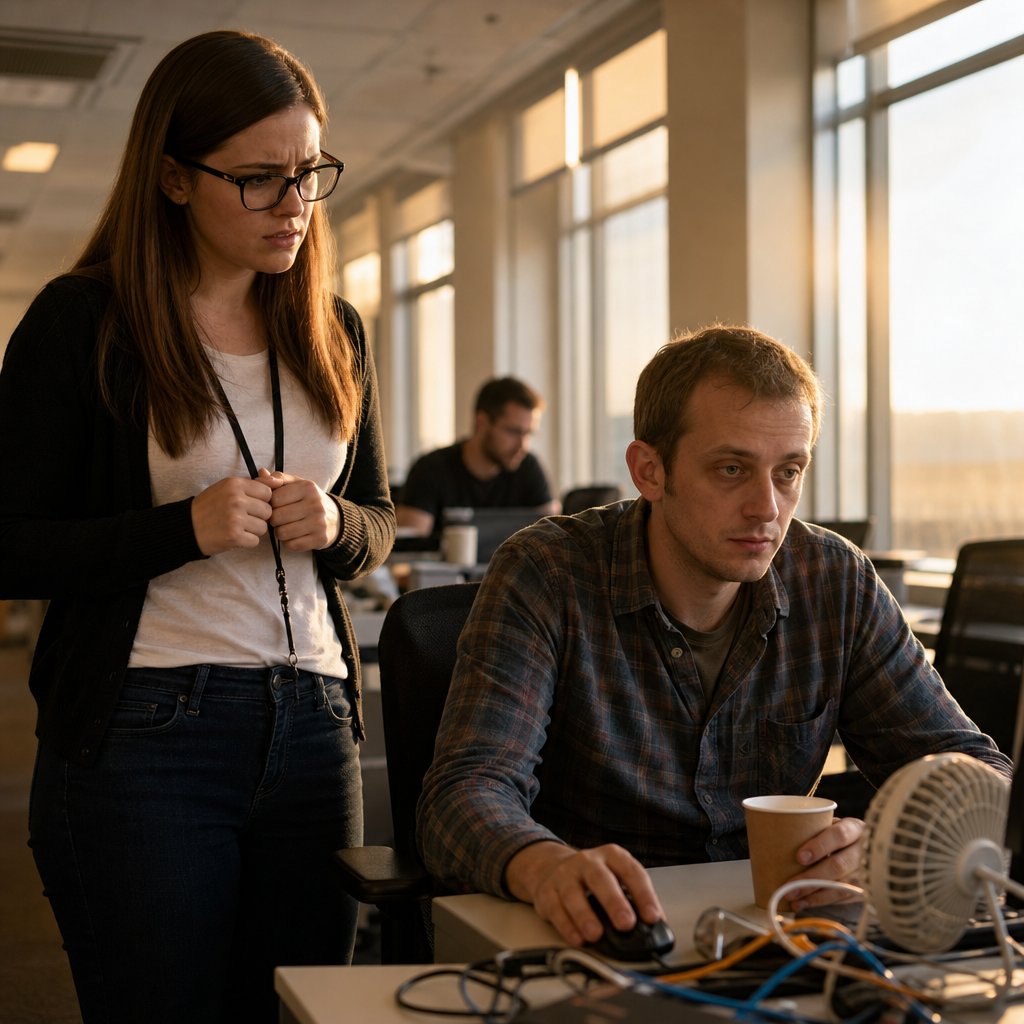
I tried to ground myself in something boring: the client folder. The files were supposed to be my safe place—numbers, decks, timelines, things that didn’t flirt back or lie. I clicked in, expecting the familiar structure, and got a blank access error that made my pulse spike.
I blinked, then tried again. Same. My throat tightened like I’d swallowed a staple.
I stood and walked straight to IT because sitting still felt like consenting. The IT bullpen smelled like warm plastic and stale energy drinks. A guy named Owen—thin, pale, permanent under-eye circles—swiveled toward me like he already knew why I was there.
“Client folder access,” I said, keeping my voice even. “It’s gone.”
He clicked around on his side, not looking at my face. “Probably a sync issue,” he said, the most dangerous phrase in a company. He asked for my employee ID, typed it in, and within seconds my access was back like nothing had happened.
Relief hit first—then the second punch: if it could disappear, it could be removed again. And if it could be removed, it could be used to prove I was “unreliable” or “noncompliant” right when promotion packets were being finalized.
“Can you keep the ticket open?” I asked. “I need—just in case it happens again.”
Owen’s cursor paused. He gave me a look that wasn’t unkind, just resigned. “I already closed it,” he said, and his hand slid to his coffee like the conversation was over.
“You closed it?” My voice cracked on the word.
He shrugged, too fast. “It resolved.”
I walked back to my desk with my skin buzzing, like I’d touched a live wire. Halfway there, my phone vibrated with a new meeting invite, and my stomach dropped because I hadn’t sent anything.
The Email Thread Like Evidence
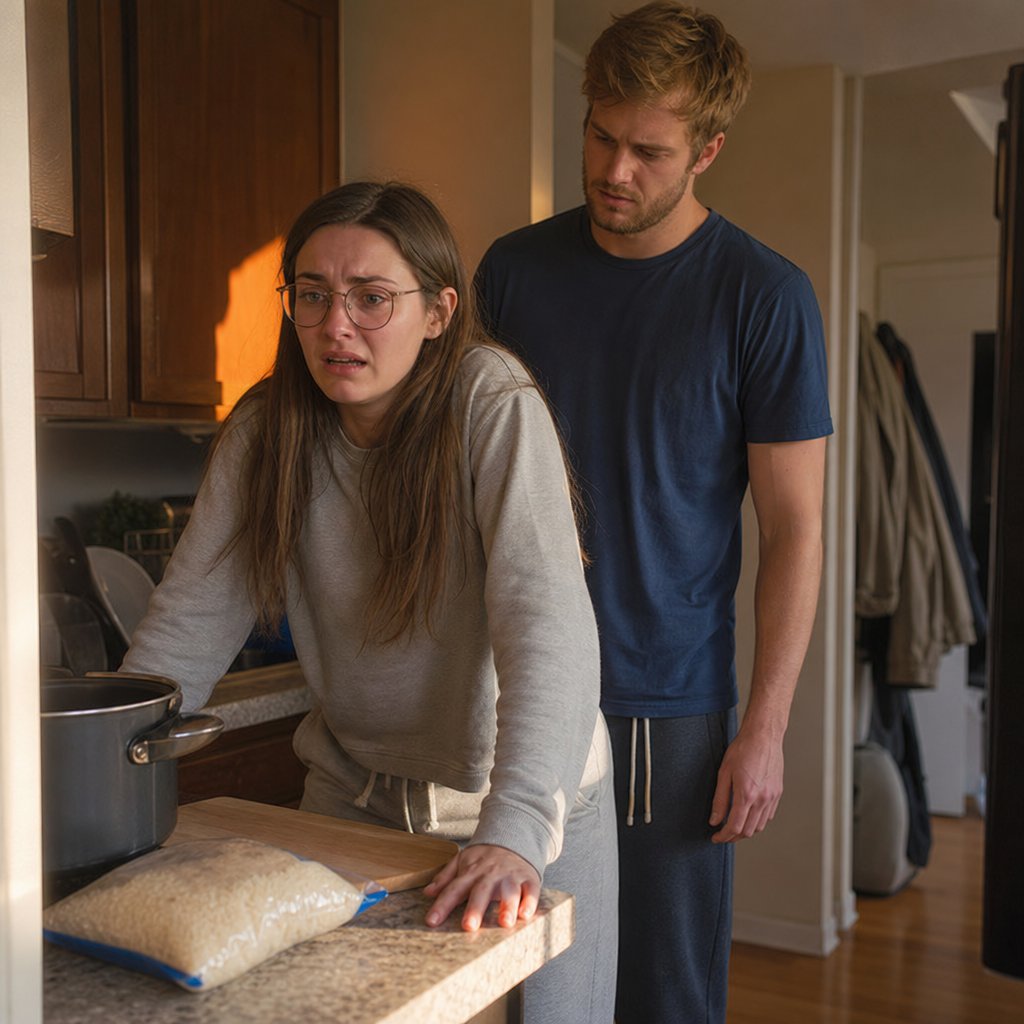
The leaked thread hit the project team at 7:12 p.m., right when I was trying to pretend my apartment was a place where bad things couldn’t reach me. My partner, Nate—tall, broad-shouldered, sandy-blond hair always a little messy—was in the kitchen rinsing rice, sleeves pushed up, humming like the world was still normal.
My phone buzzed on the counter. I didn’t open it right away. I stared at it the way you stare at a knocked-over candle, waiting to see what it caught on fire.
When I finally picked it up, my chest went tight. Team-wide email. Subject line neutral enough to be anything. Inside: Mark, joking in a chain with two senior managers about Chicago, about “needing Ivy time to survive it.” The words were highlighted like someone had prepped them for court. Not playful. Not private. Presented like proof of motive.
I could hear Nate’s footsteps behind me, the soft squeak of his socks on the tile. He leaned over my shoulder without asking—because why wouldn’t he? We didn’t have secrets.
His breath hitched when he read the line. The air between us went cold in an instant. The faucet kept running, a thin steady stream, too loud.
“Ivy time?” he repeated, slow, like he was trying to pronounce something poisonous. “Is that… a thing people say about you?”
I opened my mouth and nothing came out. My mind scrambled for the version of the truth that wouldn’t destroy us, and all I could think of was Mark’s silent “Don’t” on the plane, and how someone had just turned my name into a punchline in front of everyone who mattered.
Nate set the rice down with a little too much force. “Tell me what happened in Chicago,” he said, and his voice wasn’t loud—but it was final.
The Question I Lied Through
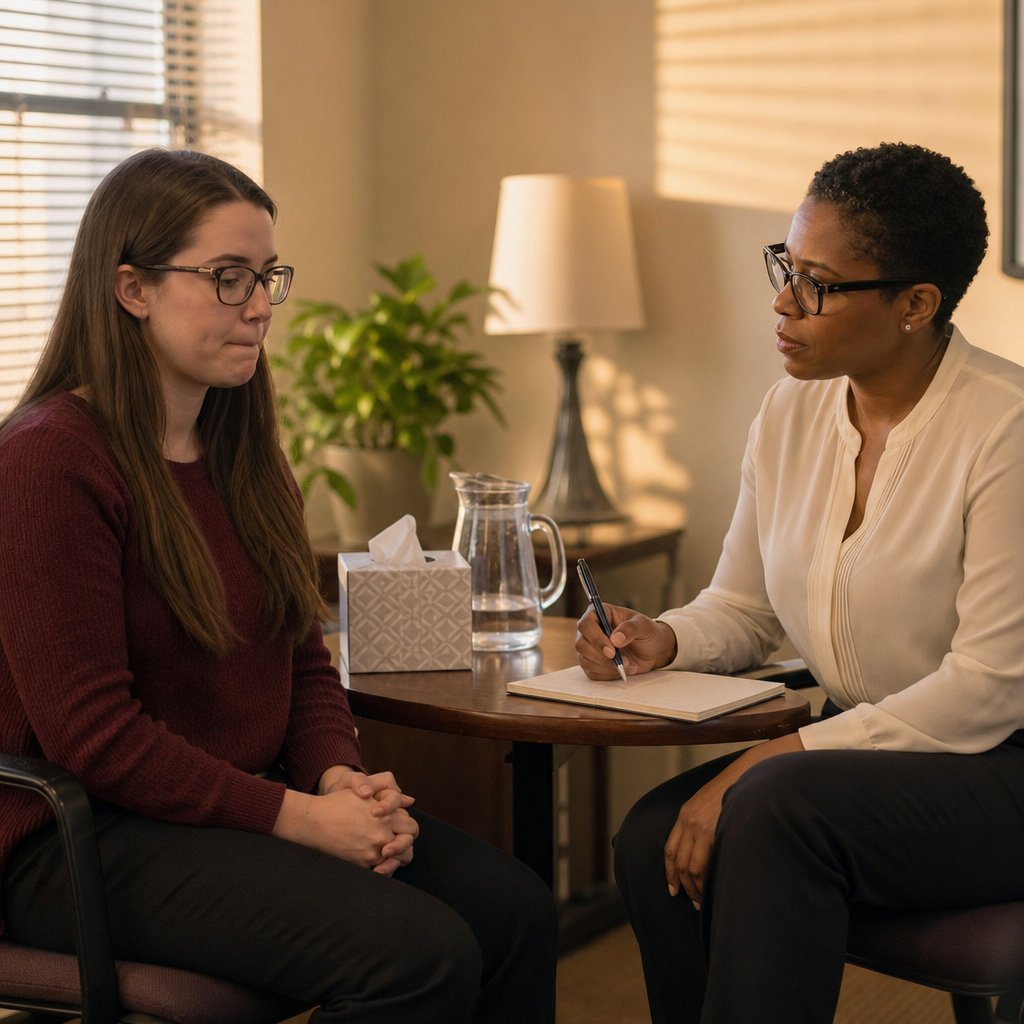
Talia booked the HR room like it was a doctor’s appointment you couldn’t reschedule. Beige walls. A tiny box of tissues placed dead center on the table like a dare. The air smelled faintly of peppermint, the kind people chew when they’re trying to hide nerves.
Talia sat across from me, posture perfect. Black woman in her late 30s, close-cropped natural hair, sharp cat-eye glasses—she had the kind of calm that made you confess just to break the silence. A notepad lay open in front of her, pen poised, but she kept her eyes on my face instead of the page.
“We’re opening a formal investigation,” she said. “Category: conduct on company travel.”
My hands were folded so tight my fingernails pressed crescents into my palms. “Okay,” I managed.
Talia didn’t soften the blow. “Have you ever been alone with Mark after hours?”
The question landed like a slap. My brain flashed the hotel hallway, the suite door clicking, the bar story with his shoulder and Ivy’s lipstick, the room-service tray that wasn’t mine but had my initials. I heard Mark’s voice in the hall: Come back in here.
“No,” I said.
The lie echoed in my skull like it had bounced off tile. It was too clean, too quick—the kind of answer people give when they’re hiding something. Talia’s pen moved once, a single deliberate note, and her expression didn’t change. That was worse than anger.
“Just to be clear,” she said, “you’re saying you were never alone with him. Not in a hotel room, not at a bar, not in a car.”
My mouth went dry. I nodded anyway, because admitting the truth felt like handing her the knife and asking her to pick the spot.
Talia tilted her head, listening to something I couldn’t hear—maybe the shape of my breathing, maybe the sound of my panic. “All right,” she said quietly. “Then help me understand why your name keeps showing up in places you swear you weren’t.”
His Promise, Then Silence
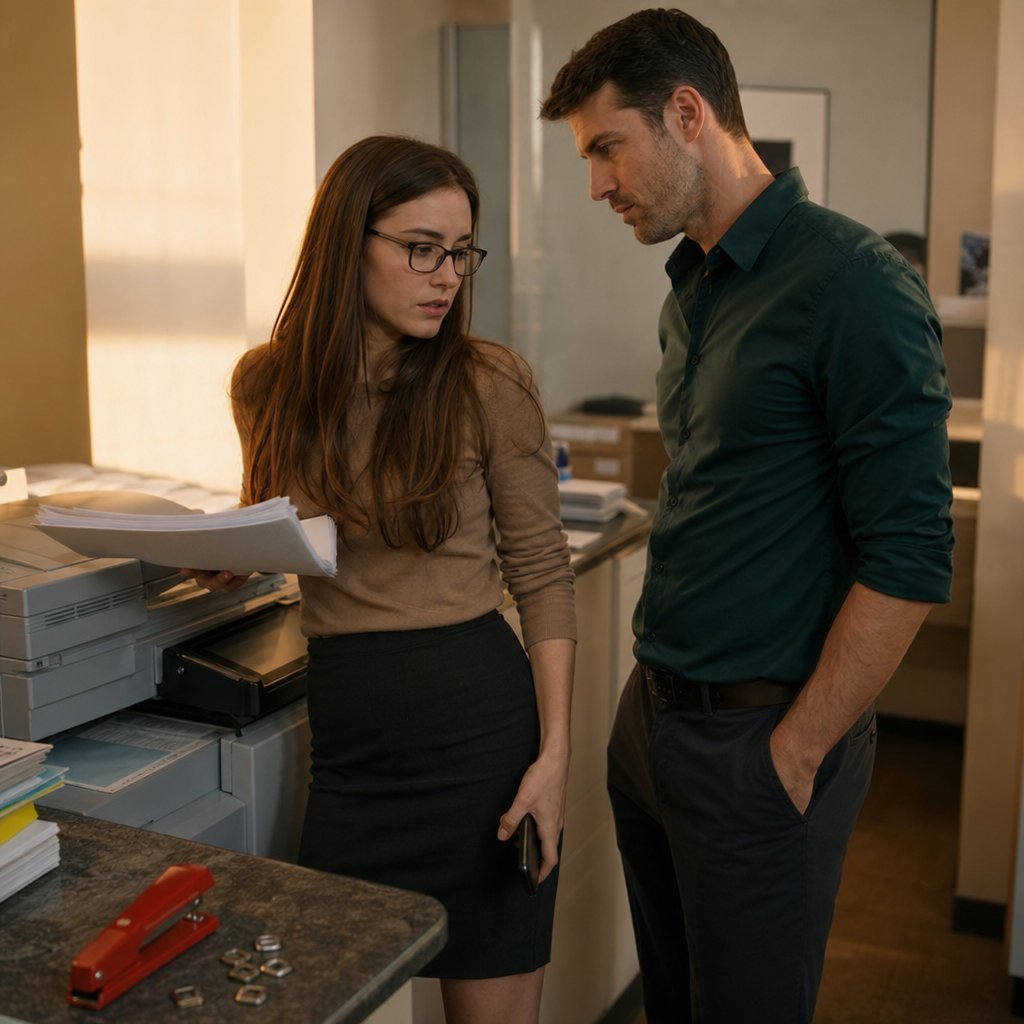
Mark caught me by the copy room like it was coincidence, like he hadn’t timed it. The machine whirred behind us, spitting warm paper that smelled faintly of toner. He stood too close, blocking the hallway with his body the way he always did when he wanted control back.
“I’ll handle it,” he said, voice low. His eyes were bloodshot, but his tone was crisp—manager mode, the one that made other people relax. Not me. Not anymore.
“Handle what?” I asked, because forcing him to name it felt like the only power I had left.
His jaw ticked. “The noise,” he said. “The thread. Finance. HR. You just… keep your head down. Don’t talk to anyone.”
There it was again: the same command as the plane, just dressed up as advice. I stared at his wedding band—gold catching the office light—and felt something sour rise in my chest. He’d built a life on telling women to be quiet and calling it protection.
After six, he disappeared. No replies. No Teams status. Nothing. The silence was so complete it felt staged, like he’d walked offstage and left me under the spotlight alone.
That night, my phone buzzed with a calendar notification. I hadn’t opened my laptop. I hadn’t scheduled anything. But there it was: a new invite sent from my account.
“Ivy + Mark: alignment (private).”
My hands went numb. The invite had my name on it like a confession, like I was the one asking for secret time. I could almost hear Jenna’s voice—husband—and picture HR reading it with that careful, disappointed look.
I hit refresh again and again, hoping it would vanish like a glitch. It stayed.
Then another notification popped up: the invite had been accepted.
She Asked For My Phone
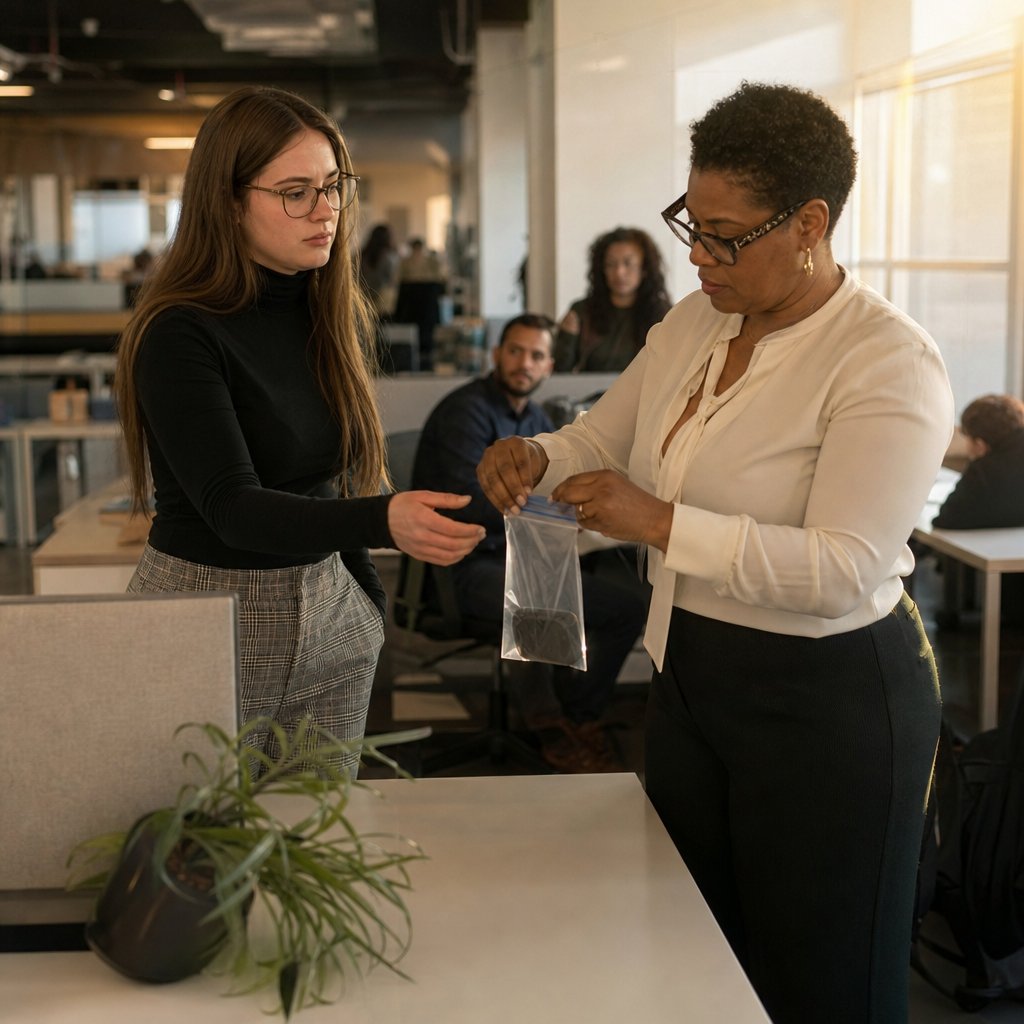
Talia didn’t summon me this time. She met me at my desk with the kind of polite firmness that makes everyone nearby pretend not to listen while they listen anyway. Her heels clicked once, stopped. My coworkers’ keyboards got louder, like they were trying to cover the moment with productivity.
“I need your phone,” she said.
The words were simple. The impact wasn’t. My hand instinctively went to it like I could shield it with my body. My entire life was in there—messages, timestamps, photos from before any of this, the stupid little proof that I’d been happy once.
“For what?” I asked, even though I already knew.
“To verify timestamps,” she said. “Standard procedure.” Her face was calm, but her eyes were sharp. “You can watch the process. You’ll get it back.”
I handed it over. The second it left my skin, I felt exposed, like I’d just taken off a coat in the middle of winter. Talia placed it in a small evidence bag—clear plastic that crinkled loudly, humiliatingly loud—and sealed it with a practiced motion.
My stomach turned. Across the aisle, Jenna watched with her eyebrows raised, mouth pressed into a thin line like she was enjoying the show and worried about the ending at the same time.
Talia’s assistant, a young guy with a lanyard and nervous hands, stepped forward with a clipboard. No readable text, just the shape of procedure. “Also,” he said, voice too careful, “a second complaint was filed this morning.”
Talia didn’t blink. “Retaliation,” she added. “And unauthorized access.”
The room seemed to tilt. “Unauthorized access?” I repeated, because it was so insane it almost sounded like a joke.
Talia’s gaze held mine. “Your account is implicated,” she said softly, “and the timeline suggests it started before the Chicago trip ended.”
The Draft That Framed Me

I went looking for air and found the opposite: the project war room, empty except for the hum of the printer and the faint smell of burnt popcorn someone had microwaved hours ago. On the shared computer, the keyboard was slightly greasy, keys shiny from too many anxious hands.
I shouldn’t have touched it. I did anyway, because my instincts were screaming that the truth was somewhere close and ugly. The messaging app was open—not sent, not posted, just a draft sitting there like a loaded gun left on a table.
It was from Mark’s account.
The draft read like a script designed to make me the villain: how I’d “pushed for drinks,” how I’d “insisted” on staying out, how Mark had “tried to keep it professional.” Every sentence was clean, managerial, plausible. The kind of lie that works because it’s boring.
I felt heat crawl up my neck. My hands shook over the keys, not sure if deleting it would look like guilt, not sure if leaving it would let him fire it off later like a bullet with my name on it.
“Don’t,” Jenna’s voice whispered from behind me, and I nearly jumped out of my skin.
She stepped into the room like she owned it. Latina, late 20s, long wavy black hair, hoop earrings catching the light. Today she wore a white blouse with the sleeves rolled and black jeans, casual like this was just another office day and not a crime scene.
She held out a folded printout in one hand and a sticky note in the other. No readable text, just the weight of it. Her eyes flicked to the screen, then back to my face.
“Whoever did this wants you gone,” she said, voice low. “And they’re not done.”
I unfolded the printout just enough to see the familiar formatting of Finance and the shape of those late-night charges, and my throat tightened because there was one new line item I hadn’t seen before.
The File I Never Wanted
The new line item was circled in red like someone had stabbed the page and twisted. My thumb smudged the toner, and for a second I just stared at it—room service, two entrees, one night I’d gone to bed hungry because I’d been too wired to eat.
Jenna’s warning kept replaying in my head as I built my own ugly little shrine to the truth. Not on the office printer. Not on the shared drive. I pulled everything into a plain manila folder at my kitchen table, the paper edges rasping under my nails. Calendar changes that “mysteriously” moved my check-in time. Badge logs I’d requested under the pretense of “timekeeping.” The hotel key sleeve I’d shoved in my carry-on like it was contraband, still faintly smelling like the citrus hand soap from that lobby bathroom.
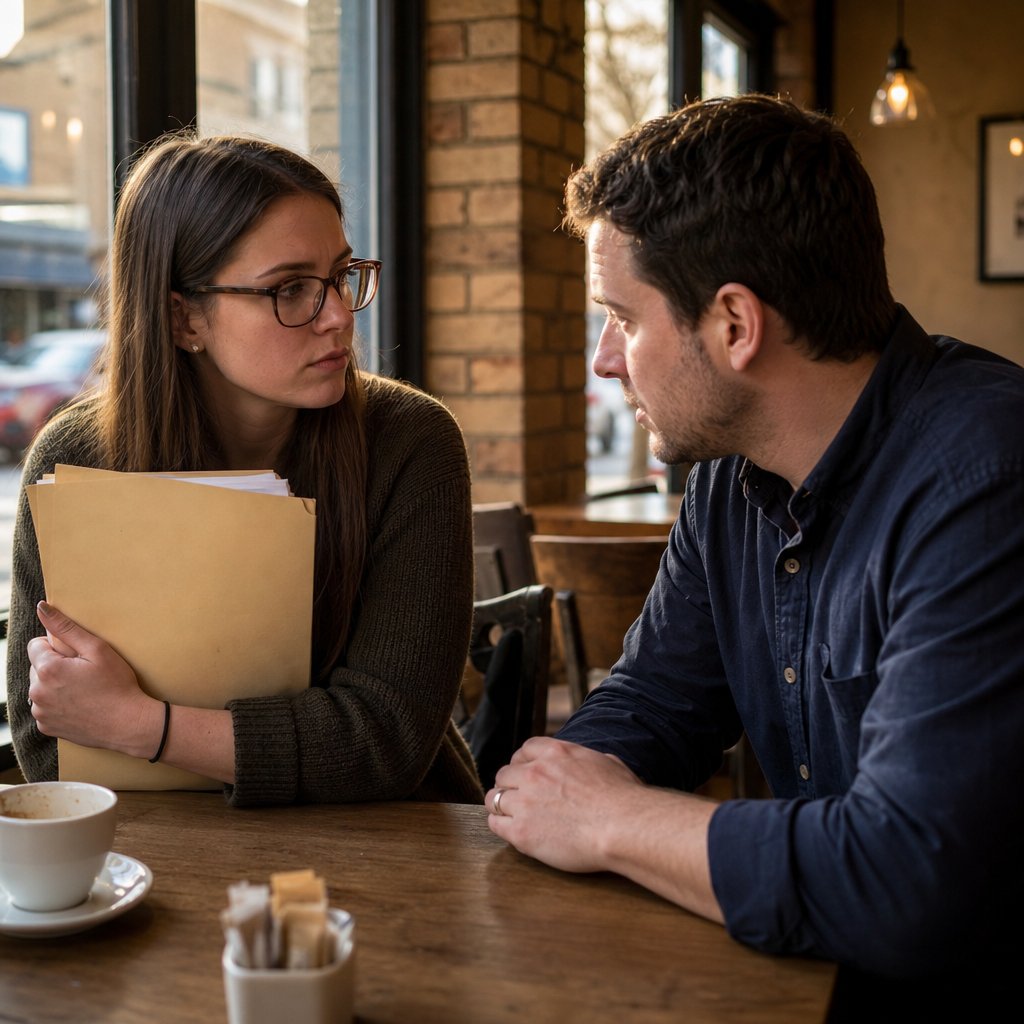
Then I texted Mark to meet me offsite—neutral ground, no cameras we could blame on “security.” He showed up in a wrinkled navy button-down, wedding band flashing when he pushed the café door open like he owned it. His face tightened when he saw the folder. He sat too close, knee angled toward mine out of habit, and I slid my phone face-down on the table like an anchor.
“Just tell me the truth,” I said, voice low, polite enough to pass for small talk.
Mark’s jaw worked. His eyes flicked to my hands, to the folder, back to my mouth. “If you’d just stayed loyal…” he whispered, like I’d betrayed a country instead of a man who wasn’t mine.
My stomach dropped so hard I tasted coffee grounds. Loyal to what—his marriage? our client? the lie? Because in that one sentence, I finally saw it: they weren’t scared of what happened in Chicago. They were terrified of what they’d done after, to bury it.
Mark leaned in, voice turning sharp. “You don’t understand what Lila—”
The Photo’s Dirty Fingerprint
I didn’t sleep. I kept hearing Mark’s almost-confession—“You don’t understand what Lila—”—like a door slammed in my face right as it cracked open. By morning my nerves felt sanded raw, and I was running on spite and mint gum.
The anonymous photo Jenna had shown me—the one of my Chicago hotel door—had seemed impossible at first. Who even thinks to take that? But the longer I stared at the memory of it, the more the details screamed. The angle wasn’t from down the hall. It was close, deliberate, like the person was standing where they belonged.
I started with the only thing I trusted: patterns. Who’d been on that trip. Who’d asked what floor I was on. Who’d “joked” about my room number like it was a fun fact. Lila popped up in my head with her perfect blowout and her too-bright smile, the kind that never reached her eyes. She’d worn a cream blazer that day, immaculate, while the rest of us looked like we’d wrestled our suitcases through O’Hare.
I cornered our IT guy, Raj—soft-spoken, always smelling faintly like citrus hand sanitizer—outside the server room and told him I needed an access audit. Not because I was paranoid, I said, but because I was being accused. His eyes widened in that way that meant he already knew more than he wanted to.
“I can’t give you everything,” he murmured, glancing over his shoulder. “But… there were logins. Calendar edits. From Lila’s credentials.”
My throat went tight. “Lila did it?”
Raj shook his head slowly, like he hated me for making him say it. “No. The timestamps match when she was in meetings. Someone used her account.”
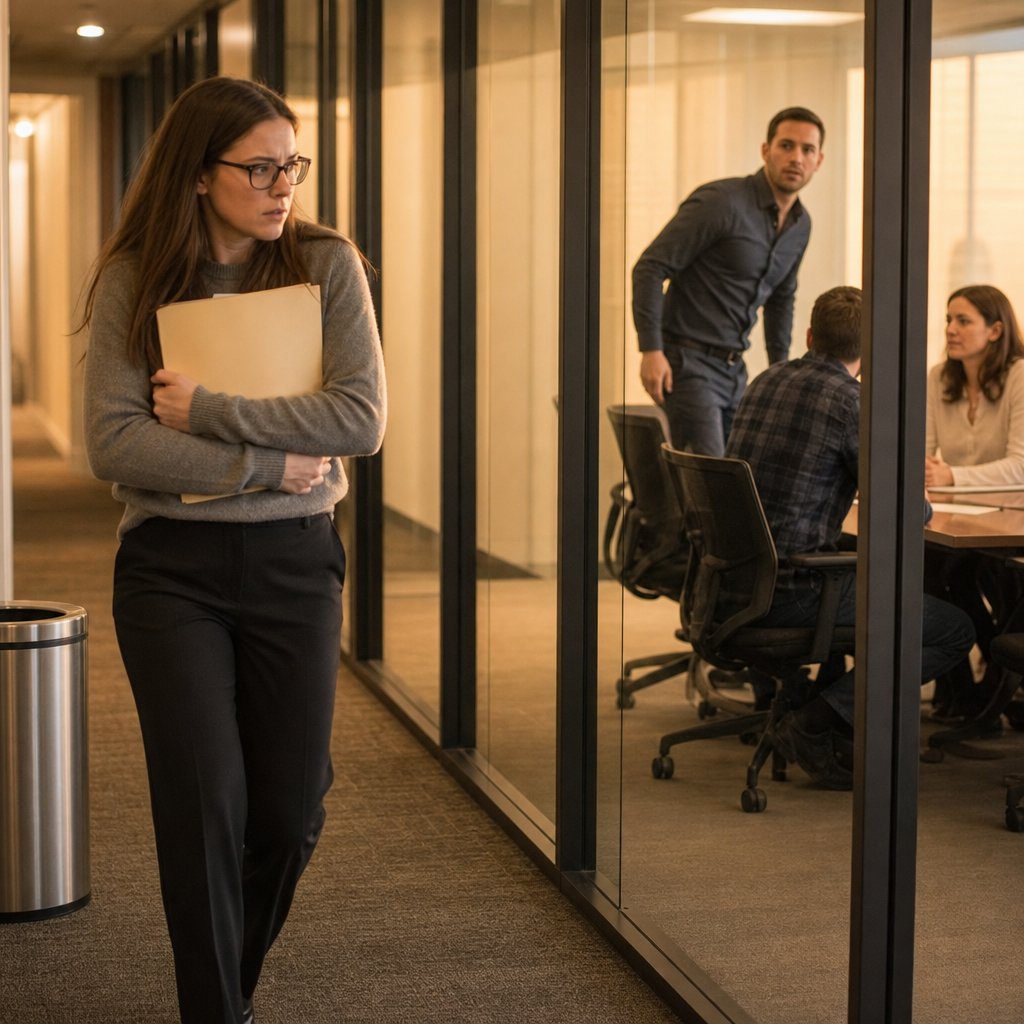
The air felt suddenly thin, like the building had sucked it out. Lila was planting invites and feeding HR edited threads—and Mark had been wearing her access like gloves. I walked toward the HR conference wing with my folder pressed to my ribs, and through the glass I saw three silhouettes already seated, waiting.
One of them stood up when I approached, and I recognized Mark’s posture before I even saw his face.
Was Jenna justified in confronting the couple in the elevator?